
The seemingly simple question, “how much calories is popcorn?”, opens a fascinating doorway into the evolving world of nutritional science, dietary awareness, and, most notably, the transformative power of technology. In an era where health data is increasingly accessible and personalized, understanding the caloric content of our snacks, like popcorn, is no longer a matter of guesswork but a data-driven endeavor facilitated by cutting-edge innovations. This article delves into how technology, from ubiquitous apps to advanced AI and future-gazing augmented reality, fundamentally reshapes our ability to not just answer this question, but to integrate such insights into a holistic approach to personal well-being.

The Digital Evolution of Nutritional Awareness
The journey from a vague awareness of food content to precise, actionable nutritional data has been largely paved by digital tools. What was once a tedious process of manual calculation or reliance on generic food charts is now streamlined, personalized, and often automated.
Calorie Tracking Applications: Your Personalized Dietary Dashboard
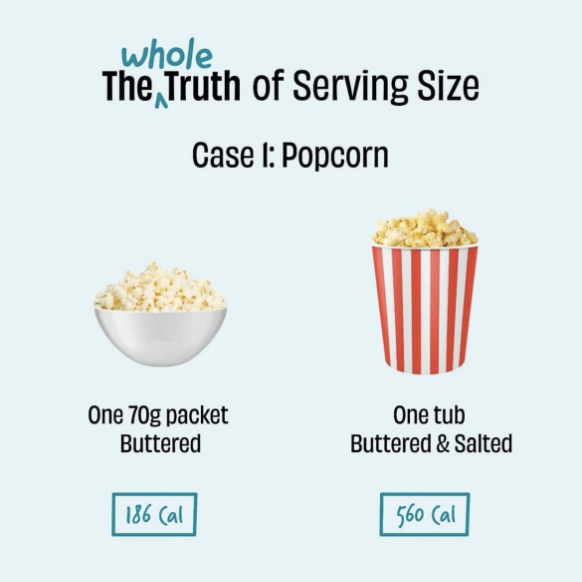
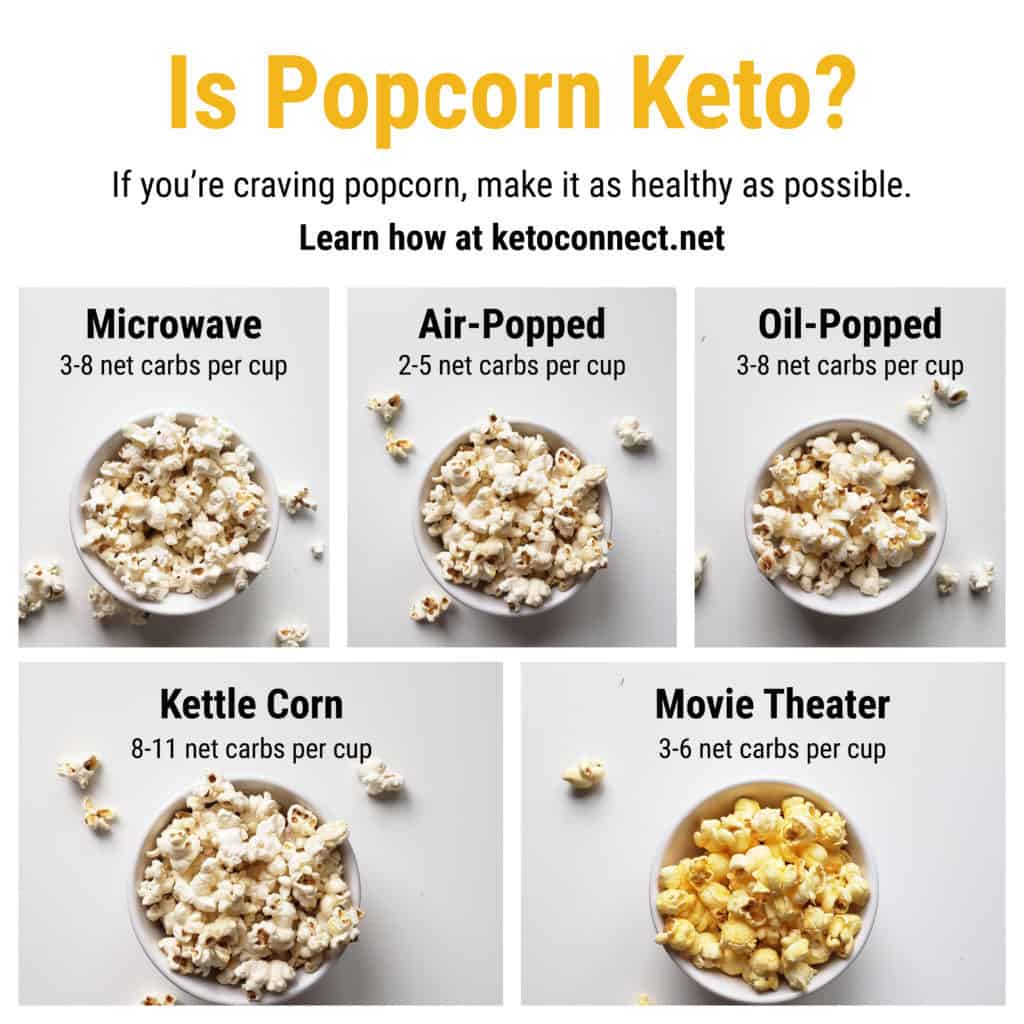
At the forefront of everyday nutritional technology are calorie tracking applications. Platforms like MyFitnessPal, Lose It!, and Cronometer have revolutionized how millions manage their diet. When a user queries “how much calories is popcorn,” these apps provide an immediate, data-backed answer, often tailored to the preparation method (air-popped vs. oil-popped, plain vs. buttered).
These apps function as sophisticated dietary dashboards, allowing users to log every meal and snack. Their extensive databases, often crowdsourced and verified, contain nutritional information for countless food items, including various popcorn brands and homemade preparations. Key features like barcode scanning simplify logging packaged popcorn, instantly pulling up detailed macro and micronutrient data. For homemade popcorn, users can input ingredients and quantities, and the app calculates the total caloric load per serving. This precise, real-time feedback empowers individuals to make informed choices, understanding the exact contribution of their popcorn snack to their daily caloric goals.
Smart Kitchen Tech: Precision in Preparation
Beyond tracking consumption, technology is also transforming the preparation phase of food. Smart kitchen gadgets are increasingly designed to offer not just convenience but also nutritional control, making it easier to ensure that the popcorn you make aligns with your dietary goals.
Consider smart scales that integrate seamlessly with calorie tracking apps. Instead of guessing portion sizes, these scales provide exact measurements, automatically logging the weight of kernels or oil directly into your dietary journal. This eliminates a common source of error in calorie estimation. Furthermore, innovations in appliance design, such as smart air poppers, offer pre-programmed settings that optimize popping for minimal oil, thereby reducing overall calorie content. Some advanced concepts even explore sensors that could monitor the cooking process, providing real-time data on fat absorption or moisture loss, giving users unprecedented control over the final nutritional profile of their homemade popcorn. This blend of precision and connectivity turns the kitchen into a laboratory for healthy eating.
AI and Machine Learning: Deeper Insights into Dietary Habits
While calorie tracking apps provide the “what,” artificial intelligence (AI) and machine learning (ML) are beginning to answer the “why” and “how to improve,” offering predictive insights and personalized recommendations that go far beyond simple data logging.
Personalized Dietary Recommendations and Predictive Analytics
AI’s true power lies in its ability to process vast amounts of data and identify patterns that humans might miss. For someone interested in “how much calories is popcorn,” AI-driven nutrition platforms can contextualize this information within their unique lifestyle. By analyzing a user’s logged food intake, activity levels (often pulled from wearable devices), health goals, and even genetic predispositions, AI can offer highly personalized recommendations.
For example, if an individual frequently consumes buttered popcorn, an AI could identify this as a high-calorie item and suggest healthier alternatives, such as air-popped popcorn seasoned with nutritional yeast or specific low-calorie spices, aligning with their weight management goals. Predictive analytics can forecast the impact of certain food choices on future health metrics, enabling users to proactively adjust their diet. This level of personalized guidance moves beyond simple calorie counting to intelligent dietary coaching, making the data gleaned from even a single snack like popcorn far more valuable.
Computer Vision for Food Recognition and Calorie Estimation
Another groundbreaking application of AI is computer vision. Imagine simply taking a photo of your bowl of popcorn, and an app instantly identifies it, estimates the portion size, and provides an accurate calorie count. This technology, already in nascent stages with apps like Google Lens or specialized food recognition platforms, aims to remove the manual input barrier that often discourages consistent food logging.
Computer vision models are trained on massive datasets of food images, allowing them to differentiate between various food types and even estimate volume or weight based on visual cues. For homemade popcorn, where portion sizes can vary wildly, this technology holds immense promise. It could detect whether the popcorn is heavily buttered or lightly seasoned, offering a more precise estimate than generic database entries. This innovation promises to make calorie tracking effortless and more accurate, further empowering individuals to understand the true caloric impact of their snacks.
Wearable Technology: Closing the Loop Between Intake and Expenditure
Understanding “how much calories is popcorn” is only half the equation; the other half is “how much energy am I expending?” Wearable technology bridges this gap, providing a holistic view of energy balance and metabolic health.
Integrating Calorie Consumption with Energy Burn
Modern fitness trackers and smartwatches (e.g., Apple Watch, Fitbit, Garmin) have become sophisticated health monitoring devices. They continuously track activity levels, heart rate, sleep patterns, and increasingly, estimated calorie expenditure. The real power emerges when these wearables integrate with calorie logging applications.
By linking food intake data from apps with activity data from wearables, users gain a comprehensive picture of their energy balance. They can see how their bowl of popcorn contributes to their overall calorie intake and how their daily exercise offsets it. This integration allows for a dynamic understanding: a serving of popcorn might be negligible on a day with an intense workout but significant on a sedentary day. This dynamic feedback loop helps individuals make real-time adjustments to their diet and activity, promoting more sustainable health habits.
Biofeedback and Real-time Nutritional Adjustments
Looking ahead, the integration of biofeedback mechanisms with wearable technology promises even deeper insights. Imagine a future where sensors continuously monitor blood glucose levels or other metabolic markers in real-time. Eating popcorn might trigger an immediate display on your smartwatch showing how it impacts your blood sugar, allowing for instantaneous understanding of its glycemic load.
This kind of biofeedback could provide personalized responses to different food preparations (e.g., “this air-popped popcorn caused a minimal blood sugar spike, but the buttered version significantly higher”). Such granular, real-time data moves beyond mere calorie counting to a profound understanding of how specific foods interact with an individual’s unique physiology, enabling truly personalized nutritional adjustments.
The Future of Food Tech: Beyond Basic Calorie Counting
The technological innovations impacting our understanding of nutrition are constantly evolving, promising even more sophisticated ways to engage with our food choices.
Augmented Reality (AR) for Enhanced Food Transparency
Augmented Reality (AR) holds significant potential for revolutionizing how we perceive food information. Picture holding your smartphone over a bag of popcorn or a bowl of homemade kernels. AR technology could overlay a rich tapestry of data directly onto your view: detailed nutritional breakdowns, allergen warnings, ingredient sourcing information, and even a visual representation of how that serving fits into your daily macronutrient goals.
This immersive experience moves beyond static labels, making nutritional data dynamic and easily digestible. Users could instantly compare different brands or preparation methods side-by-side in their physical environment, fostering unparalleled transparency and enabling quick, informed decision-making about snacks like popcorn.
Blockchain for Supply Chain and Ingredient Verification
Beyond individual tracking, blockchain technology offers a profound way to ensure the integrity and transparency of the food supply chain. For a seemingly simple product like popcorn, blockchain could track kernels from the farm to your pantry, verifying claims about organic sourcing, non-GMO status, and even the precise nutritional content reported on packaging.
This decentralized ledger system can provide an immutable record of a product’s journey, making it virtually impossible to falsify nutritional labels or health claims. For consumers concerned about the true “calories in popcorn” from a commercial product, blockchain could offer an unprecedented level of trust and confidence in the accuracy of the information they receive, ensuring that what’s stated on the label is precisely what’s inside.
Empowering Informed Choices: Popcorn, Calories, and Technological Agency
Ultimately, the confluence of these technologies empowers individuals to move from passive consumers of generic dietary advice to active managers of their personal nutrition, using tools to custom-tailor their choices, even for a simple snack like popcorn.
From Passive Consumer to Active Dietary Manager
The era of “one-size-fits-all” dietary recommendations is giving way to a new paradigm of personalized nutrition. Technology places the power directly in the hands of the individual. Asking “how much calories is popcorn?” is no longer a rhetorical question but a query that can be answered with precision, contextualized by personal data, and acted upon strategically. Whether the goal is weight management, muscle gain, or simply maintaining a balanced diet, digital tools provide the agency to customize popcorn consumption to specific needs. This shift fosters a deeper understanding of food and body, cultivating more sustainable and effective health behaviors.
The Ethical Implications and Data Privacy
While the benefits are immense, it’s crucial to acknowledge the ethical implications and the paramount importance of data privacy. The collection of highly sensitive dietary, activity, and biometric data raises significant questions about security, consent, and how this information is used. Ensuring robust data protection, transparent policies, and empowering users with control over their personal health data will be critical for the continued ethical development and adoption of these transformative technologies.
Conclusion
The question “how much calories is popcorn?” has evolved from a simple nutritional query into a testament to how technology is fundamentally reshaping our relationship with food. From user-friendly calorie tracking apps and smart kitchen gadgets to sophisticated AI-driven insights, wearable tech integration, and futuristic AR and blockchain applications, the digital revolution provides unprecedented tools for understanding, managing, and optimizing our dietary intake. By leveraging these innovations, individuals are empowered to make highly informed, personalized choices, transforming a seemingly basic question about a snack into a gateway for healthier, more data-driven living.
aViewFromTheCave is a participant in the Amazon Services LLC Associates Program, an affiliate advertising program designed to provide a means for sites to earn advertising fees by advertising and linking to Amazon.com. Amazon, the Amazon logo, AmazonSupply, and the AmazonSupply logo are trademarks of Amazon.com, Inc. or its affiliates. As an Amazon Associate we earn affiliate commissions from qualifying purchases.