
MicroStrategy, a publicly traded business intelligence company, has become virtually synonymous with Bitcoin investment within the corporate world. Under the leadership of its former CEO and current Executive Chairman, Michael Saylor, the company embarked on an audacious strategy in August 2020 to adopt Bitcoin as its primary treasury reserve asset. This move marked a pivotal moment, not just for MicroStrategy, but for the broader institutional adoption of cryptocurrency. The question of “how much BTC does MicroStrategy have?” is central to understanding its financial strategy, market exposure, and influence within the digital asset ecosystem.
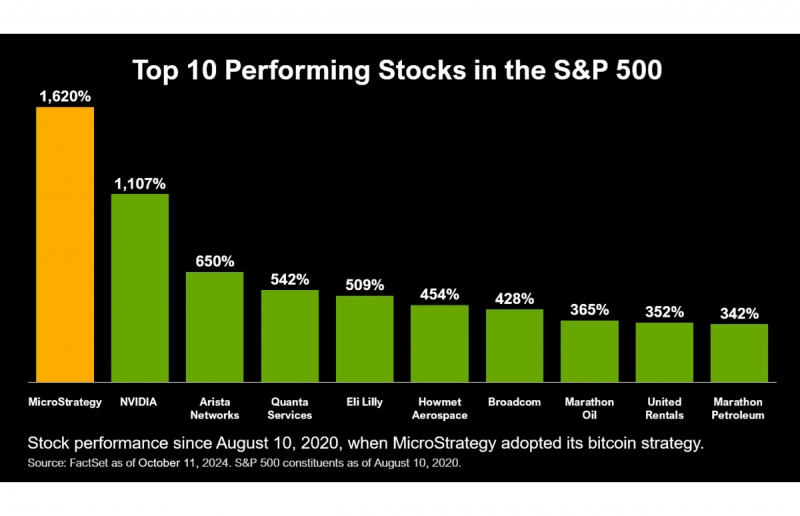
MicroStrategy’s Bold Bitcoin Accumulation Strategy
MicroStrategy’s pivot to Bitcoin was not merely an opportunistic investment but a deeply considered strategic repositioning. Facing declining growth rates in its core software business and a search for a more robust treasury asset in an era of unprecedented monetary expansion, the company identified Bitcoin as a superior store of value.
The Rationale Behind the Bet
Michael Saylor articulated a clear rationale: traditional cash reserves were being devalued by inflation, and alternative assets offered insufficient growth potential or liquidity. Bitcoin, with its decentralized nature, finite supply, and perceived resistance to inflation, was deemed the most promising long-term treasury reserve asset. The goal was to protect shareholder value from monetary debasement and potentially generate significant long-term capital appreciation. This strategy positioned MicroStrategy as a pioneer, providing a blueprint and proof of concept for other corporations considering similar moves.
Initial Forays and Subsequent Acquisitions
The initial purchase of 21,454 Bitcoins for $250 million in August 2020 sent shockwaves through the financial world. This was followed by another significant acquisition of 16,796 Bitcoins for $175 million in September 2020. These early moves established MicroStrategy as a major corporate holder. Rather than stopping there, the company adopted a continuous accumulation strategy, leveraging various financial mechanisms, including convertible debt offerings and equity raises, to fund ongoing Bitcoin purchases. Each subsequent announcement of new acquisitions further solidified its position as a dedicated “Bitcoin company.”
The Role of Michael Saylor
Michael Saylor has been the principal architect and fervent advocate of MicroStrategy’s Bitcoin strategy. His public endorsements, detailed explanations of Bitcoin’s monetary properties, and relentless promotion of its adoption have made him a highly influential figure in the cryptocurrency space. His vision transformed MicroStrategy from a niche software company into a high-profile entity whose stock price is often seen as a proxy for Bitcoin itself. His commitment has also been personal, with Saylor revealing his own significant Bitcoin holdings, aligning his personal financial interests with the company’s strategic direction.
Tracking MicroStrategy’s Bitcoin Treasury
MicroStrategy’s Bitcoin holdings are not static; they represent a dynamic, actively managed treasury. The company provides regular updates on its acquisitions, offering transparency into its growing digital asset reserves.
Public Disclosure and Transparency
As a publicly traded company, MicroStrategy is obligated to disclose its financial dealings, including its Bitcoin acquisitions. These disclosures typically come in the form of press releases, SEC filings (like 8-Ks), and quarterly earnings reports. These reports detail the number of Bitcoins acquired, the average price paid, and the total cash expended for these purchases. This level of transparency is crucial for investors and analysts attempting to understand the company’s financial health and exposure to Bitcoin’s price fluctuations. This public data allows for real-time tracking of its aggregate holdings, albeit with a slight delay depending on reporting cycles.
Key Milestones in BTC Holdings
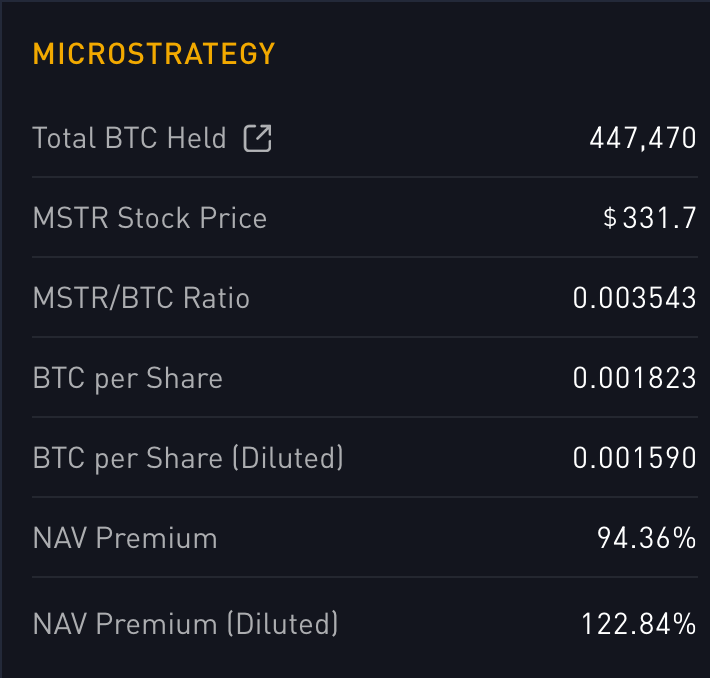
Since its initial purchase, MicroStrategy has consistently added to its Bitcoin reserves. The company frequently announces its latest acquisition tranches, specifying the quantity of BTC and the average price per coin. These announcements typically coincide with periods when the company has successfully raised capital through debt or equity offerings. For instance, by the end of 2023 and into early 2024, MicroStrategy consistently surpassed milestones, accumulating well over 150,000 BTC, and continued expanding this figure into the 200,000+ BTC range through additional purchases. Each new milestone reinforces its position as the largest publicly traded corporate holder of Bitcoin. The average purchase price of its overall holdings is a critical metric, indicating the company’s cost basis and its overall unrealized profit or loss at any given market price.
Valuation and Market Impact

The total value of MicroStrategy’s Bitcoin treasury fluctuates daily with the price of Bitcoin. While the company reports its cost basis, the market value of its holdings can be significantly higher or lower. This volatility has a profound impact on MicroStrategy’s stock performance, which often moves in tandem with Bitcoin’s price. Investors frequently analyze MicroStrategy’s stock (MSTR) as an indirect way to gain exposure to Bitcoin, without the complexities of direct ownership. The company’s massive holdings also influence market sentiment; its continuous buying activity can be seen as a bullish signal, while any potential hint of selling would undoubtedly create significant market ripples. The sheer scale of its investment means its financial decisions are closely watched by the entire crypto and traditional finance communities.
Financial Implications and Risk Management
MicroStrategy’s Bitcoin strategy has significant financial implications, affecting its balance sheet, profitability metrics, and risk profile. Managing these aspects requires careful financial planning and robust risk management frameworks.
Balance Sheet Impact and Shareholder Value
MicroStrategy records its Bitcoin holdings as intangible assets on its balance sheet. Under current accounting rules (GAAP), these assets are subject to impairment charges if their fair market value drops below their cost basis at any point, even if the price later recovers. This means that while Bitcoin’s price increases are not immediately recognized as gains on the income statement until the asset is sold, price drops below cost can lead to non-cash impairment losses. These impairments can significantly impact reported earnings, even if they don’t affect the company’s cash flow. Despite these accounting complexities, the strategic bet has often translated into substantial unrealized gains during bull markets, which, from an investor’s perspective, enhances shareholder value and the company’s overall net asset value.
Financing the Bitcoin Hoard (Debt and Equity)
To fund its aggressive Bitcoin acquisition strategy, MicroStrategy has predominantly utilized two main financing avenues: convertible senior notes and equity offerings. Convertible senior notes are a form of debt that can be converted into company stock under certain conditions. This allows MicroStrategy to raise capital at relatively low interest rates, deferring immediate dilution while providing investors with potential upside if the stock price performs well. Additionally, the company has periodically issued new shares (equity) to raise capital directly for Bitcoin purchases. While these equity raises dilute existing shareholders, they provide non-debt capital for investments. This multi-pronged financing approach highlights the company’s commitment to continuous accumulation, even at the cost of increasing leverage or diluting ownership.
Navigating Market Volatility and Impairment Charges
Bitcoin’s inherent price volatility presents a significant financial risk. MicroStrategy’s balance sheet has been exposed to sharp swings, leading to substantial non-cash impairment charges during bear markets. These charges, while not affecting the company’s operational cash flow, can make its quarterly earnings highly unpredictable and often negative. The company, however, maintains that these are accounting quirks and does not intend to sell its Bitcoin holdings based on short-term price movements. Its long-term “HODL” (hold on for dear life) strategy is designed to weather market downturns, believing in Bitcoin’s ultimate recovery and long-term appreciation. Managing this volatility involves a strong conviction in the asset and a transparent communication strategy to educate investors about the nature of these accounting impacts.
Beyond the HODL: Strategic Uses and Future Outlook
While MicroStrategy’s primary strategy has been accumulation, the future might hold more dynamic uses for its vast Bitcoin treasury. Its pioneering approach has also catalyzed broader institutional interest in digital assets.
Potential Future Monetization Strategies
As MicroStrategy’s Bitcoin holdings continue to grow, the question of potential monetization strategies beyond direct selling becomes increasingly relevant. The company could explore leveraging its Bitcoin, for example, through collateralized lending, yield generation protocols, or even using it as collateral for traditional loans. Such strategies would allow MicroStrategy to generate income from its Bitcoin without divesting its principal holdings, potentially improving its overall financial performance. However, these options also introduce new layers of risk and complexity that would need careful evaluation and disclosure. For now, the focus remains primarily on long-term holding.
Bitcoin as a Strategic Asset for Corporate Treasuries
MicroStrategy’s audacious move has undeniably influenced other corporate treasuries. While few have mirrored MicroStrategy’s scale, several companies have allocated a portion of their reserves to Bitcoin. This trend suggests a growing acceptance of Bitcoin as a legitimate treasury asset, even if only as a small diversification. MicroStrategy’s case study provides valuable lessons, both positive and cautionary, for firms considering similar strategies, particularly concerning accounting treatment, financing options, and managing public and investor relations around such a volatile asset. The discussion around Bitcoin as a corporate treasury reserve has shifted from “if” to “how” and “how much,” partly due to MicroStrategy’s leadership.
MicroStrategy’s Enduring Influence on Institutional Adoption
Michael Saylor and MicroStrategy have played an outsized role in accelerating the conversation and action around institutional Bitcoin adoption. By demonstrating the viability of integrating Bitcoin into a corporate treasury, they have opened doors for other public companies, sovereign wealth funds, and traditional financial institutions to explore digital assets. Their consistent public discourse, educational efforts, and transparent reporting have helped demystify Bitcoin for many traditional investors. MicroStrategy’s journey continues to be a bellwether for the broader financial system’s evolving relationship with Bitcoin, proving that a dedicated, long-term financial strategy centered on digital assets can be executed by a public company, charting a new course in modern finance.
aViewFromTheCave is a participant in the Amazon Services LLC Associates Program, an affiliate advertising program designed to provide a means for sites to earn advertising fees by advertising and linking to Amazon.com. Amazon, the Amazon logo, AmazonSupply, and the AmazonSupply logo are trademarks of Amazon.com, Inc. or its affiliates. As an Amazon Associate we earn affiliate commissions from qualifying purchases.