
The question of “how much Bitcoin should I buy?” is one of the most frequently asked in the realm of modern investing, reflecting both the digital currency’s meteoric rise and its inherent volatility. Bitcoin, as the pioneer of cryptocurrencies, has captured the imagination of millions, offering unprecedented returns for early adopters while also inflicting sharp corrections that can test even the most steadfast investors. Unlike traditional assets with established valuation models, Bitcoin operates in a relatively new and evolving financial landscape, making precise allocation advice challenging.
There is no universal answer to this question, as the optimal amount depends entirely on an individual’s unique financial situation, risk tolerance, investment goals, and overall portfolio strategy. Approaching Bitcoin investment without a well-thought-out plan is akin to navigating uncharted waters without a compass. This article aims to provide a comprehensive framework to help you determine a suitable Bitcoin allocation that aligns with your personal financial objectives, emphasizing prudence, diversification, and a long-term perspective in the volatile world of digital assets.
Understanding Bitcoin’s Role in Your Portfolio
Before deciding on an allocation, it’s crucial to understand Bitcoin’s characteristics and how it might fit into a broader investment portfolio. It is not a traditional stock or bond, and its behavior differs significantly from most conventional assets.
Bitcoin as a Volatile Asset
Bitcoin is synonymous with volatility. Its price can swing by tens of percent in a single day, driven by market sentiment, regulatory news, technological developments, macroeconomic factors, and even social media trends. This high volatility presents both enormous opportunity for significant capital appreciation and substantial risk of rapid losses. Unlike mature asset classes, Bitcoin’s price discovery is still very much in progress, leading to larger price movements as the market matures and liquidity deepens. Investors must be prepared for these pronounced fluctuations and understand that paper losses can be substantial before any potential recovery. For context, while a 10-20% drop in a traditional stock index might be considered a major correction, such moves are relatively common in the Bitcoin market.
Diversification Benefits (and Risks)
Historically, Bitcoin has shown a low correlation with traditional asset classes like stocks and bonds. This low correlation can be a double-edged sword:
On one hand, including Bitcoin in a diversified portfolio could theoretically enhance risk-adjusted returns by providing exposure to an asset that behaves differently from your existing holdings. When traditional markets are down, Bitcoin might be up, and vice-versa, offering a potential hedge or source of uncorrelated gains.
On the other hand, its extreme volatility means that even a small percentage of Bitcoin in a portfolio can have a disproportionately large impact on overall portfolio performance, especially during sharp downturns. Over-allocating to Bitcoin can concentrate risk, negating the benefits of diversification if the asset class performs poorly. The goal of diversification is to spread risk, not to amplify it with a single, highly speculative holding.
Long-Term vs. Short-Term Perspective
For most retail investors, adopting a long-term perspective (e.g., 3-5 years or more) is generally recommended when investing in Bitcoin. The asset’s short-term movements are notoriously unpredictable, making day trading or short-term speculation highly challenging and often unprofitable for those without significant experience and capital. A long-term horizon allows investors to ride out the inevitable dips and capitalize on Bitcoin’s potential for substantial growth over extended periods, assuming its fundamental value proposition continues to hold true. This approach aligns with the idea of Bitcoin as a nascent technology and a potential store of value in the digital age, rather than a quick speculative trade.
Key Factors Influencing Your Bitcoin Allocation
Determining the “right” amount of Bitcoin to buy isn’t about following a blanket recommendation; it’s about a deeply personal assessment of your financial health and investment philosophy. Several critical factors must be rigorously evaluated.
Your Personal Financial Situation
Your personal financial foundation is paramount. Before even considering speculative assets like Bitcoin, ensure you have:
- A Fully Funded Emergency Fund: This is crucial. You should have 3-6 months’ worth of living expenses saved in an easily accessible, liquid account (like a high-yield savings account). This ensures you won’t be forced to sell your Bitcoin or other investments at an inopportune time due to unexpected life events.
- Manageable Debt Levels: High-interest debt (e.g., credit card debt, personal loans) should generally be prioritized for repayment over speculative investments. The guaranteed return from eliminating high-interest debt often outweighs the uncertain potential gains from Bitcoin.
- Stable Income: A consistent income stream provides the financial stability needed to absorb potential losses without disrupting your daily life or long-term financial goals. Bitcoin investment should come from discretionary income, not funds earmarked for essential expenses.
Your Risk Tolerance
This is arguably the most crucial factor. Bitcoin is not for the faint of heart.
- Comfort with Volatility: Are you comfortable seeing your investment drop by 30%, 50%, or even 80% and still sleeping soundly at night? Or would such a decline cause you significant stress and lead to impulsive, fear-driven selling?
- Psychological Preparedness: Understand that the emotional rollercoaster of Bitcoin can be intense. Those with a low risk tolerance or a tendency to panic sell during market downturns are often ill-suited for direct Bitcoin investment. Be honest with yourself about how you would react to substantial paper losses. A good gauge is to imagine losing 50% of your investment – if that thought is unbearable, your allocation should be minimal, if any.
Your Investment Goals and Horizon
What do you hope to achieve by investing in Bitcoin, and over what timeframe?
- Growth: Are you looking for aggressive capital appreciation over several years, understanding the risks involved?
- Diversification: Do you view it as a small, uncorrelated addition to an otherwise traditional portfolio?
- Long-Term Store of Value: Do you believe in its potential as a “digital gold” or a hedge against inflation over decades?
If your goal is short-term speculation, understand that the odds are often stacked against retail investors in such endeavors. For most, a long-term horizon is best suited for Bitcoin investment, allowing time for the asset class to potentially mature and for market cycles to play out.
Your Overall Portfolio Diversification
Consider your existing investments. If your portfolio is already heavily concentrated in other high-growth, high-risk assets, adding a substantial Bitcoin position might overexpose you to volatility. Conversely, if your portfolio is very conservative (e.g., mostly bonds and stable equities), a small Bitcoin allocation might provide a dash of speculative growth potential without dramatically altering your overall risk profile. Bitcoin should be viewed as one component within a broader, well-diversified portfolio, not the entire portfolio itself. A balanced approach ensures that no single asset, no matter how promising, dictates your entire financial future.

Practical Strategies for Determining Your Allocation
Once you’ve assessed your personal financial situation and risk appetite, you can employ practical strategies to decide how much Bitcoin to allocate. These methods aim to strike a balance between potential gains and acceptable risk.
The “Percentage of Portfolio” Approach
This is one of the most common and sensible methods for allocating to high-risk assets. Instead of a fixed dollar amount, you decide what percentage of your total investable assets Bitcoin should represent.
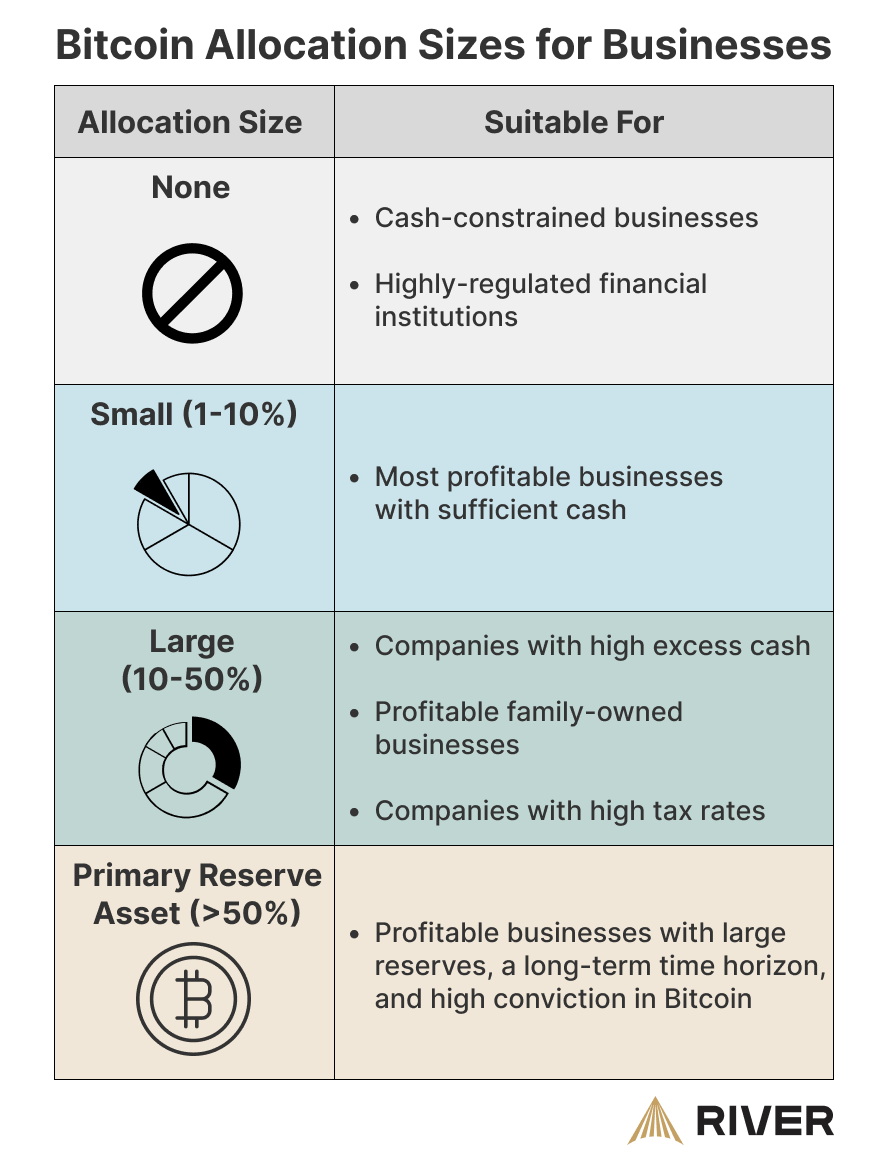
- Common Recommendations: Financial advisors and investment experts often suggest a range of 1% to 5% of your total investable assets for highly volatile cryptocurrencies like Bitcoin. Some aggressive investors might go up to 10%, but exceeding this often brings disproportionate risk relative to potential returns for most individuals.
- Why a Small Percentage? A small allocation (e.g., 1-2%) is enough to capture significant upside if Bitcoin performs well, without devastating your entire portfolio if it crashes. For instance, if Bitcoin doubles, a 2% allocation adds 2% to your overall portfolio value (1% * 2 = 2%, a net gain of 1% from Bitcoin). If it drops 50%, your portfolio only loses 1%.
- Rebalancing: It’s crucial to periodically rebalance your portfolio. If Bitcoin’s value surges and it now represents, say, 10% of your portfolio from an initial 2%, you might consider selling some to bring it back to your target percentage. This is a disciplined way to take profits and manage risk. Conversely, if it drops significantly, you might buy more to reach your target percentage, practicing a form of “buy the dip” within your defined risk parameters.
The “Dollar-Cost Averaging” (DCA) Strategy
Dollar-cost averaging involves investing a fixed dollar amount into Bitcoin at regular intervals (e.g., weekly, bi-weekly, monthly), regardless of its price.
- Mitigating Timing Risk: This strategy removes the need to “time the market,” which is notoriously difficult, especially with volatile assets. By investing consistently, you average out your purchase price over time. You buy more Bitcoin when prices are low and less when prices are high.
- Emotional Discipline: DCA helps in building long-term positions without succumbing to emotional buying during bull runs or panic selling during bear markets. It instills discipline and consistency in your investment approach.
- Practical Implementation: Decide on a fixed amount you are comfortable investing (e.g., $50, $100, $200 per week/month) and automate the process through a reputable cryptocurrency exchange.
The “Risk Capital Only” Principle
This is a fundamental rule for investing in any speculative asset. Only invest capital that you are prepared to lose entirely.
- No Essential Funds: This means not using money needed for rent, groceries, debt payments, emergency savings, or upcoming significant expenses like a down payment on a house or college tuition.
- Protect Your Financial Health: Adhering to this principle protects your overall financial well-being, even in the worst-case scenario where Bitcoin’s value plummets to zero. It transforms the investment from a potential financial catastrophe into a calculated risk taken with discretionary funds.
Setting Entry and Exit Strategies
Having a plan for both buying and selling can save you from emotional decisions.
- Profit Targets: Define at what point you would consider taking some profits. This could be when Bitcoin reaches a certain price, or when it hits a certain percentage of your portfolio.
- Stop-Losses (or Reassessment Points): While hard stop-losses can be tricky with Bitcoin’s volatility, consider at what point you would reassess your investment or sell a portion if the market moves significantly against your position. This is more about managing risk than trying to perfectly time the market bottom.
- Avoiding FOMO and FUD: A predefined strategy helps you avoid making decisions based on Fear Of Missing Out (FOMO) when prices are soaring, or Fear, Uncertainty, and Doubt (FUD) when prices are crashing.
Important Considerations Before Investing
Beyond the “how much,” there are several critical aspects to consider before making your first Bitcoin purchase. These relate to security, compliance, and ongoing education.
Research and Due Diligence
Investing in Bitcoin requires a fundamental understanding of what you are buying.
- Understand the Technology: While you don’t need to be a blockchain developer, grasp the basics of how Bitcoin works, its underlying technology (blockchain), its supply mechanics (halving cycles), and its value proposition as a decentralized, scarce digital asset.
- Market Dynamics: Familiarize yourself with the factors that drive Bitcoin’s price, including adoption rates, institutional interest, regulatory news, and global macroeconomic trends.
- Distinguish Between Bitcoin and Altcoins: Understand that not all cryptocurrencies are the same. Bitcoin has the longest track record, the largest market capitalization, and the most robust network effects. Many “altcoins” (alternative cryptocurrencies) are far more speculative and carry significantly higher risk. Focus on understanding Bitcoin before exploring other digital assets.
Security and Storage
One of the most critical aspects of owning Bitcoin is securing your holdings. Unlike traditional banks that protect your funds, with Bitcoin, you are responsible for your own security.
- Custodial vs. Non-Custodial: Understand the difference. Keeping Bitcoin on an exchange (custodial) means you don’t fully control your private keys; the exchange does. While convenient for trading, it carries exchange-specific risks (hacks, insolvency). Non-custodial solutions (like hardware wallets) give you full control over your private keys and thus your Bitcoin, offering superior security for significant holdings.
- Hardware Wallets (Cold Storage): For any substantial amount of Bitcoin, a hardware wallet (e.g., Ledger, Trezor) is highly recommended. These devices store your private keys offline, making them virtually immune to online hacking attempts.
- Seed Phrase Protection: Your seed phrase (a series of 12 or 24 words) is the master key to your Bitcoin. Protect it physically, offline, and in multiple secure locations. Losing it means losing your Bitcoin; sharing it means someone else can access your Bitcoin.
Tax Implications
The tax treatment of cryptocurrencies varies significantly by jurisdiction and can be complex.
- Capital Gains: In many countries, buying and selling Bitcoin (or using it to purchase goods/services) can trigger capital gains or losses, which must be reported.
- Income Tax: Activities like mining, staking, or receiving Bitcoin as payment for services may be subject to income tax.
- Record Keeping: Maintain meticulous records of all your Bitcoin transactions, including purchase dates, prices, sale dates, and sale prices. This simplifies tax reporting and avoids potential issues with tax authorities.
- Consult a Professional: It is highly advisable to consult with a tax professional who specializes in cryptocurrency taxation to understand your specific obligations and optimize your tax strategy.
Regulatory Landscape
The regulatory environment for cryptocurrencies is still evolving globally. What is permissible today might change tomorrow.
- Evolving Regulations: Governments and financial bodies worldwide are actively discussing and implementing rules for cryptocurrencies, covering everything from consumer protection to anti-money laundering (AML) and know-your-customer (KYC) requirements.
- Potential Impacts: Regulatory shifts can significantly impact Bitcoin’s price, liquidity, and usability. Staying informed about these developments is part of responsible Bitcoin investing. Be aware that stricter regulations could introduce new costs, limit accessibility, or even affect Bitcoin’s long-term viability in certain regions.
In conclusion, deciding “how much Bitcoin should I buy?” is a highly personalized journey that necessitates thorough self-assessment and strategic planning. There is no magic number, but rather a disciplined approach rooted in understanding your financial health, evaluating your risk tolerance, and aligning your investment with well-defined goals. By adhering to principles of diversification, investing only what you can afford to lose, and committing to ongoing education and robust security practices, you can navigate the exciting yet challenging world of Bitcoin investment with confidence and a clear perspective. Remember, patience and a long-term view are often the most valuable assets an investor can possess in this nascent market.
aViewFromTheCave is a participant in the Amazon Services LLC Associates Program, an affiliate advertising program designed to provide a means for sites to earn advertising fees by advertising and linking to Amazon.com. Amazon, the Amazon logo, AmazonSupply, and the AmazonSupply logo are trademarks of Amazon.com, Inc. or its affiliates. As an Amazon Associate we earn affiliate commissions from qualifying purchases.