
In the vast and ever-evolving landscape of digital finance, few questions hold as much weight and intrigue for investors and enthusiasts as: “How much Bitcoin exists?” This seemingly simple query delves into the very core of Bitcoin’s design, its economic principles, and its unparalleled appeal as a revolutionary financial asset. Unlike traditional fiat currencies, which can be printed or created at the discretion of central banks, Bitcoin operates on a principle of absolute scarcity, a concept fundamental to its value proposition. Understanding this finite supply is not just a technical curiosity; it is crucial for grasping Bitcoin’s long-term investment potential, its role as a hedge against inflation, and its designation by many as “digital gold.”
From its inception, Bitcoin was engineered with a pre-programmed and unchangeable supply cap, a cryptographic promise that guarantees a predictable and ultimately limited number of units will ever enter circulation. This article will explore the mechanics behind Bitcoin’s finite supply, detail the current state of its existence, examine the profound economic implications of this scarcity, and look towards a future where every Satoshi will have been mined, providing a comprehensive understanding of why “how much Bitcoin exists” is a question that shapes its financial destiny.
The Immutable Code: Bitcoin’s Predetermined Supply Cap
At the heart of Bitcoin’s revolutionary design lies a principle directly antithetical to the inflationary tendencies of traditional monetary systems: a fixed and unalterable supply cap. This fundamental characteristic is not a matter of policy or human decision-making but is hard-coded into its protocol by its pseudonymous creator, Satoshi Nakamoto. This deliberate choice underpins Bitcoin’s value proposition as a sound, deflationary form of money.
The 21 Million Limit: A Cornerstone of Value
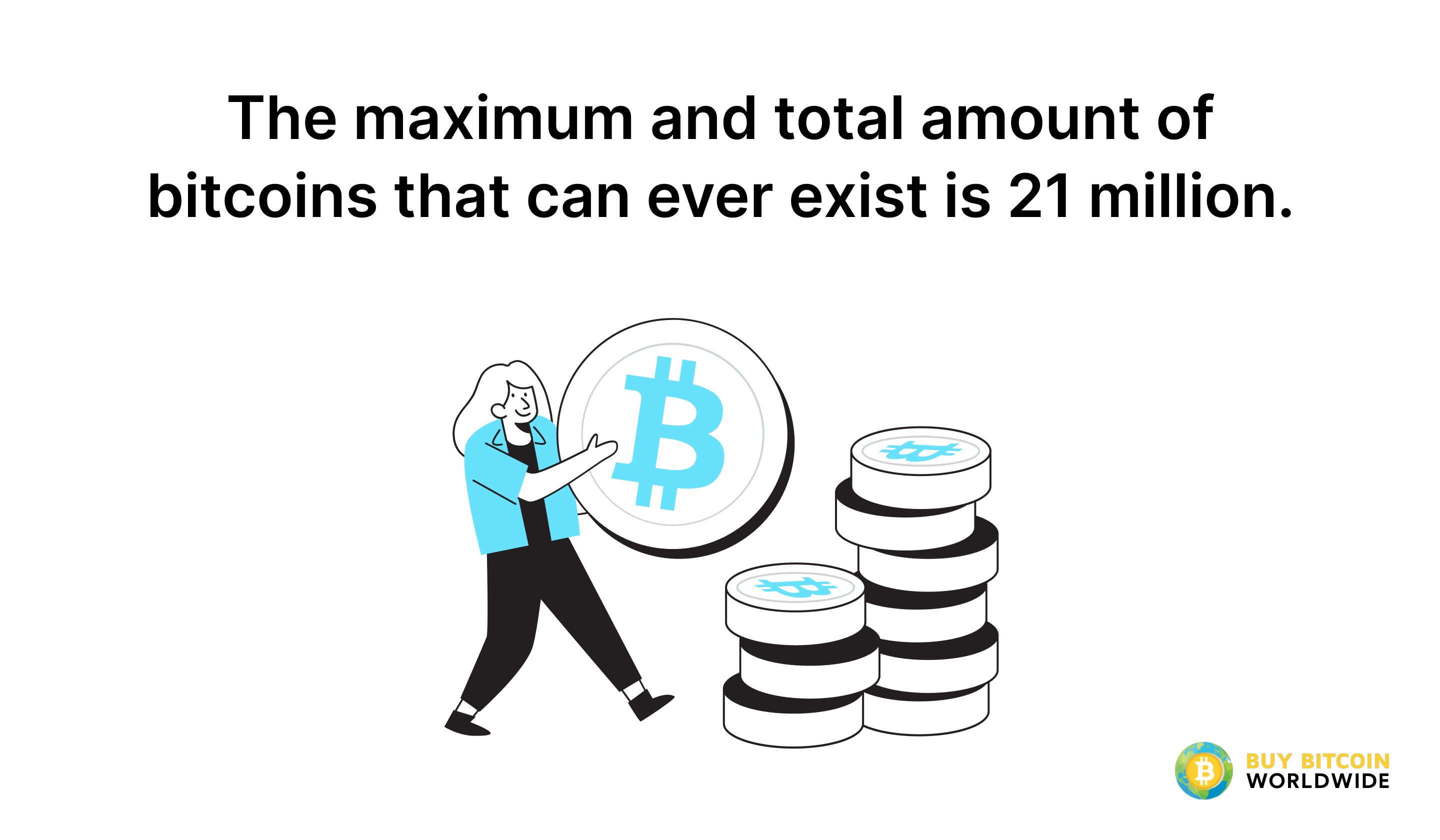
The most pivotal answer to “how much Bitcoin exists” is a precise number: 21 million. This is the absolute maximum number of Bitcoins that will ever be created. This hard cap is enshrined in Bitcoin’s source code and is enforced by its decentralized network of nodes and miners. It’s a non-negotiable parameter, impervious to manipulation or arbitrary change without a nearly impossible consensus of the entire network. This finite limit sets Bitcoin apart from fiat currencies, where central banks can increase the money supply, potentially leading to inflation and a decrease in purchasing power. For investors, this creates a predictable economic environment, removing the uncertainty of supply shocks that can plague other assets.
Why a Fixed Supply? Countering Inflation and Creating Scarcity
Satoshi Nakamoto’s decision to implement a fixed supply was a direct response to the perceived flaws of conventional banking systems and fiat money. The very first block of Bitcoin, known as the Genesis Block, contained a hidden message referencing a headline about the British Chancellor on the brink of a second bailout for banks, hinting at the systemic instability and inflationary pressures inherent in traditional finance. By capping the supply at 21 million, Bitcoin mimics the characteristics of scarce commodities like gold, which derive much of their value from their limited availability.
This fixed supply ensures that Bitcoin is inherently deflationary over time. As demand for Bitcoin grows and its utility expands, its value per unit is expected to appreciate, assuming all other factors remain constant. This contrasts sharply with inflationary fiat currencies, which typically lose purchasing power over time due to continuous supply expansion. For those seeking a long-term store of value or a hedge against inflation, this aspect of Bitcoin’s design is exceptionally appealing, offering a predictable supply schedule that instills confidence in its future financial stability.
Bitcoin’s Issuance Schedule: Mining and Halving
New Bitcoins are introduced into the supply through a process called “mining.” Miners use powerful computers to solve complex cryptographic puzzles, validating transactions and adding new blocks to the blockchain. As a reward for their work, they receive a certain amount of newly minted Bitcoin, known as the “block reward.”
Crucially, this block reward is not constant. Bitcoin’s protocol includes a mechanism called “halving” (or “halvening”), which automatically cuts the block reward in half approximately every four years, or after every 210,000 blocks are mined.
- Initially, the block reward was 50 BTC per block.
- The first halving in 2012 reduced it to 25 BTC.
- The second in 2016 brought it down to 12.5 BTC.
- The third in 2020 further reduced it to 6.25 BTC.
- The most recent halving in April 2024 brought the reward down to 3.125 BTC.
This programmed reduction ensures that the rate at which new Bitcoins enter circulation constantly diminishes. This process will continue until the last Bitcoin is mined, which is projected to happen around the year 2140. The halving events are pivotal moments in Bitcoin’s economic cycle, often preceding periods of significant price appreciation due to the sudden reduction in new supply entering the market.
The Current State of Bitcoin’s Supply
While the absolute maximum supply is fixed at 21 million, the current number of Bitcoins in active circulation is a dynamic figure, influenced by ongoing mining and other unique factors inherent to the digital asset world. Understanding this current state provides a more nuanced picture for investors assessing its market dynamics.
Bitcoins in Circulation: A Growing but Finite Pool
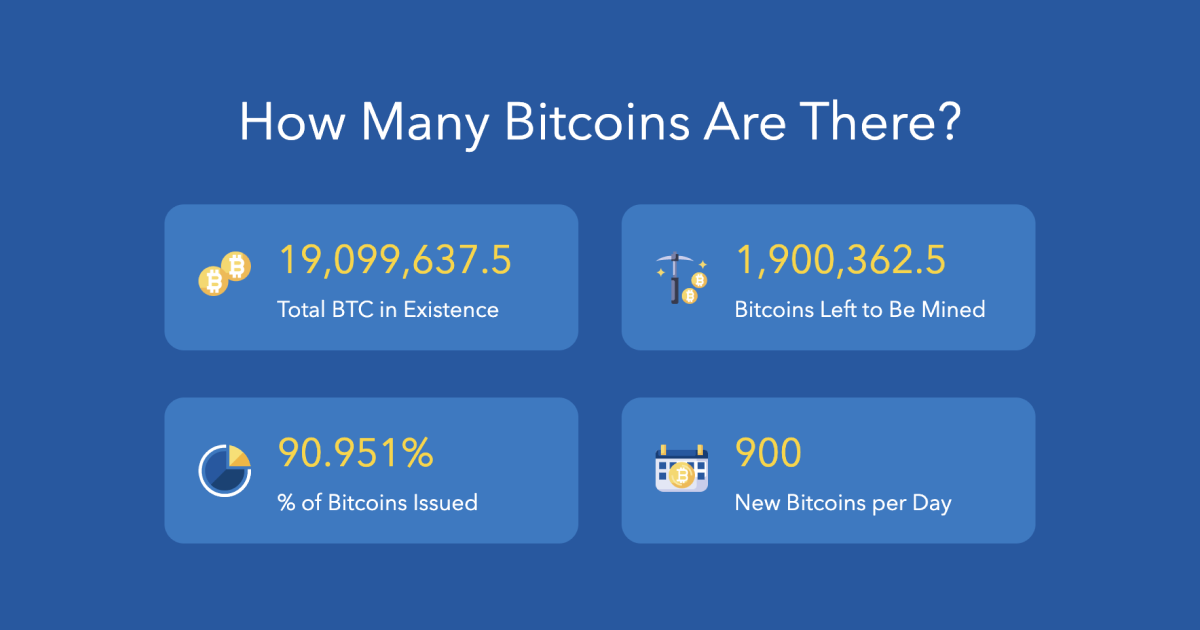
As of late 2023 and early 2024, approximately 19.6 to 19.7 million Bitcoins have been mined and are currently in circulation. This number steadily increases with each new block added to the blockchain, roughly every 10 minutes, as miners successfully solve puzzles and claim their block rewards. Despite this continuous increase, the rate of new supply is predictably slowing down due to the halving events, ensuring that the journey towards the 21 million cap is a gradual, controlled ascent. Investors track this “circulating supply” closely, as it represents the accessible and tradable portion of the total fixed supply, directly impacting market liquidity and price discovery.
Understanding Lost Bitcoins: The True Scarcity
A unique and significant factor impacting the effective circulating supply is the phenomenon of “lost Bitcoins.” Due to the irreversible nature of blockchain transactions and the responsibility placed on individual users to manage their private keys, a substantial portion of mined Bitcoins is believed to be permanently inaccessible. This can occur for several reasons:
- Lost Private Keys: Users may lose the digital keys required to access their Bitcoin wallets, often due to hardware failures, forgotten passwords, or misplacing physical records.
- Accidental Sends: Bitcoins might be sent to non-existent or unspendable addresses, rendering them irretrievable.
- Early Mining & Abandonment: Many early adopters and miners acquired Bitcoins when they held little to no value, and their wallets may now be forgotten or destroyed.
While impossible to ascertain the exact number, estimates suggest that anywhere from 2 million to 4 million Bitcoins, or even more, have been permanently lost. These lost Bitcoins effectively reduce the actual available supply, making the asset even scarcer than the 21 million cap suggests. For investors, this means the supply-demand dynamics are even tighter, potentially amplifying Bitcoin’s value as a rare asset.
“Hodled” vs. Liquid Supply: Market Dynamics
The total circulating supply can also be further categorized into “hodled” supply and “liquid” supply.
- “Hodled” Bitcoin: Refers to Bitcoins held by long-term investors (often called “hodlers” – a misspelling of “hold” that became a meme in the crypto community) who typically move their assets off exchanges into cold storage and intend to hold them for extended periods, often years. These Bitcoins are not actively traded and represent a strong conviction in Bitcoin’s future value.
- Liquid Bitcoin: Refers to Bitcoins actively traded on exchanges or held in wallets for short-term speculation or transactional use. This portion of the supply is more volatile and directly influences daily price movements.
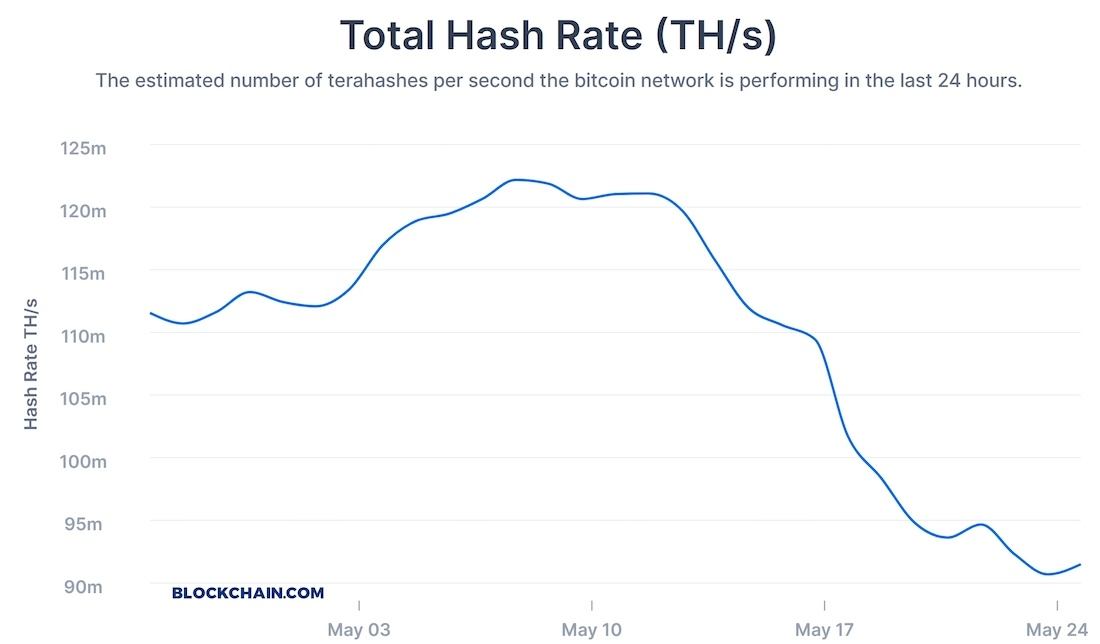
The distinction is important for understanding market sentiment and potential price movements. A high percentage of “hodled” Bitcoin indicates strong investor confidence and a reduction in selling pressure, while an increase in liquid supply might suggest greater selling interest or profit-taking. For financial analysts, tracking these metrics provides insights into the prevailing investment thesis for Bitcoin.
The Economic Implications of Scarcity
Bitcoin’s fixed supply is not merely a technical detail; it’s a foundational economic principle that drives its investment thesis and potential future role in global finance. This scarcity profoundly impacts its value, market behavior, and long-term attractiveness as an asset.
Deflationary by Design: A Hedge Against Inflation
One of the most compelling economic implications of Bitcoin’s finite supply is its inherently deflationary nature. In an era where central banks globally have expanded money supplies through quantitative easing and other measures, leading to concerns about inflation, Bitcoin offers a stark contrast. Its supply schedule is transparent, predictable, and cannot be altered by any single entity or government. This makes Bitcoin an attractive “hard asset,” akin to precious metals, for investors looking to preserve purchasing power against the eroding effects of inflation in fiat currencies. It’s often viewed as a counter-cyclical investment that can perform well during periods of economic uncertainty or currency debasement.
Store of Value Proposition: “Digital Gold”
The direct result of Bitcoin’s scarcity and unforgeability is its emergence as a premier “store of value,” earning it the moniker “digital gold.” Like gold, Bitcoin is durable, portable, divisible, and, most importantly, scarce. Its finite supply makes it resistant to inflationary pressures that plague fiat currencies. This characteristic positions Bitcoin as a compelling alternative or complement to traditional safe-haven assets. Investors increasingly allocate a portion of their portfolios to Bitcoin, viewing it as a long-term asset designed to retain and appreciate in value over time, especially as global macroeconomic conditions remain volatile.
Price Dynamics and Supply-Demand Fundamentals
The interplay between Bitcoin’s fixed, diminishing new supply and ever-growing global demand is the primary driver of its price appreciation. As adoption increases, more individuals, institutions, and even nations seek to acquire Bitcoin. With a limited and consistently decreasing rate of new supply entering the market, any significant increase in demand inevitably puts upward pressure on its price.
While speculative interest undeniably plays a role in Bitcoin’s short-term volatility, the fundamental scarcity underpins its long-term investment thesis. Halving events, by cutting the new supply in half, often act as catalysts for major bull runs, as the market re-evaluates Bitcoin’s value given its increased scarcity relative to demand. This dynamic creates a powerful economic incentive for early adoption and long-term holding.
The Long-Term Investment Thesis
For many investors, Bitcoin’s predictable and limited supply is the cornerstone of its long-term investment appeal. It represents a hedge against monetary expansion, a decentralized alternative to traditional financial systems, and a fundamentally scarce digital asset in an increasingly digitized world. The “how much Bitcoin exists” question directly informs its potential to serve as a foundational asset in diversified investment portfolios, with its scarcity driving expectations of sustained value growth over decades. This makes it a compelling consideration for those looking beyond short-term gains and focusing on generational wealth preservation and creation.
Future Outlook and Unminable Bitcoins
The journey to the 21 million Bitcoin limit is a long one, extending well into the next century. However, understanding this distant future and the asset’s inherent divisibility is critical for appreciating Bitcoin’s long-term viability and accessibility.
The Final Block and Beyond: A Shift in Incentives
The last Bitcoin is projected to be mined around the year 2140, more than a century from now. When this happens, the block reward that miners receive will effectively drop to zero. At that point, the Bitcoin network will still need miners to validate transactions and secure the network. Their compensation will then transition entirely to transaction fees paid by users.
This shift will fundamentally alter the economic model for Bitcoin miners. Instead of relying on newly minted coins, their profitability will depend solely on the volume of transactions and the fees users are willing to pay for faster or higher-priority processing. This future scenario is already factored into Bitcoin’s design; as the block reward diminishes, transaction fees are expected to become increasingly important, ensuring the network remains secure and operational long after the last Satoshi has been mined. It underscores Bitcoin’s self-sustaining and adaptable economic architecture.
Fractional Ownership and Divisibility: Widespread Accessibility
While the thought of only 21 million Bitcoins for a global population might raise concerns about future accessibility or affordability, Bitcoin was designed with extreme divisibility in mind. Each Bitcoin can be divided into 100 million smaller units, known as Satoshi (SATs), named after the creator. This means that even if a single Bitcoin were to become exceedingly valuable, individuals could still transact and own tiny fractions of a Bitcoin.
This divisibility ensures that Bitcoin can remain a practical medium of exchange for a vast global economy, regardless of its per-unit price. You don’t need to own an entire Bitcoin to participate; you can own 0.00000001 BTC (1 Satoshi) or any amount in between. This feature is crucial for its long-term adoption, enabling micro-transactions and widespread usage without requiring whole Bitcoin units, thus addressing any perceived scarcity issues for everyday transactions.
Conclusion
The question “how much Bitcoin exists?” unlocks a fundamental understanding of why this digital asset has captured the attention of investors and economists worldwide. The answer – a fixed supply cap of 21 million units – is not merely a number but a cornerstone of its economic power. This immutable scarcity, enforced by cryptographic protocol and a predictable halving schedule, distinguishes Bitcoin from all traditional forms of money and positions it as a unique financial instrument.
From its deflationary design acting as a robust hedge against inflation to its role as a digital store of value akin to gold, Bitcoin’s finite supply underpins its investment thesis. It drives the supply-demand dynamics that have propelled its price appreciation and cemented its status as a revolutionary asset class. As we look towards a future where nearly all Bitcoins are in circulation, the emphasis will shift, but its core value proposition – born from its absolute scarcity and divisibility into Satoshi – will remain intact, solidifying its place in the evolving global financial landscape for generations to come. For any discerning investor or financially curious mind, comprehending “how much Bitcoin exists” is paramount to understanding its past, present, and extraordinary future potential.
aViewFromTheCave is a participant in the Amazon Services LLC Associates Program, an affiliate advertising program designed to provide a means for sites to earn advertising fees by advertising and linking to Amazon.com. Amazon, the Amazon logo, AmazonSupply, and the AmazonSupply logo are trademarks of Amazon.com, Inc. or its affiliates. As an Amazon Associate we earn affiliate commissions from qualifying purchases.