
For many, a car is not just a convenience but a necessity, a crucial tool for work, errands, and personal freedom. However, acquiring a vehicle often means taking on a significant financial commitment: a car loan. Understanding the average car payment is more than just curiosity; it’s a vital first step in budgeting, financial planning, and making an informed decision about one of life’s largest recurring expenses for many households. While national averages can provide a useful benchmark, they rarely tell the whole story for an individual consumer. A myriad of factors, from economic conditions to personal financial health, converge to determine the exact figure you’ll see on your monthly statement.

This article delves into the intricacies of car payments, exploring current trends, the key variables that influence your monthly outlay, and strategies to ensure your car payment aligns with your financial well-being. By dissecting the components of a car loan and looking beyond just the sticker price, we aim to equip you with the knowledge to navigate the automotive financing landscape confidently and avoid common pitfalls.
Understanding the Current Landscape of Car Payments
The automotive market is dynamic, constantly influenced by economic shifts, supply chain issues, consumer demand, and interest rate fluctuations. These macro factors play a significant role in shaping the average car payment at any given time.
A Snapshot of Current Averages (New vs. Used Cars)
While exact, real-time figures are constantly changing, trends over the past few years have shown a consistent upward trajectory in average car payments. As of recent periods, consumers purchasing new vehicles often face higher average monthly payments compared to those buying used cars, though the gap can sometimes narrow depending on market conditions. For instance, in recent years, the average new car payment has hovered around $700 to $750 per month, while the average used car payment has typically ranged from $500 to $600 per month. These figures are illustrative and can vary widely by source and methodology, but they highlight the substantial financial commitment involved. New vehicles often come with higher price tags, more advanced features, and sometimes longer loan terms to keep monthly payments “affordable,” contributing to their higher average payment. Used cars, while generally cheaper upfront, have also seen price increases, driving up their average payments as well.
The Impact of Interest Rates and Loan Terms
Two of the most powerful external forces affecting average car payments are prevailing interest rates and the common loan terms offered. When the Federal Reserve adjusts its benchmark rates, it impacts the cost of borrowing across the board, including auto loans. Higher interest rates translate to higher monthly payments for the same loan amount and term. Simultaneously, the trend towards longer loan terms – 72, 84, or even 96 months – has become more prevalent. While a longer term can reduce the monthly payment, making a more expensive vehicle seem more “affordable,” it significantly increases the total interest paid over the life of the loan and extends the period during which a borrower is upside down on their loan (owing more than the car is worth). This delicate balance between monthly payment affordability and total cost is a critical consideration for both lenders and consumers.
Why Averages Can Be Misleading
It’s crucial to approach average car payment figures with a critical eye. Averages are statistical composites that smooth over a vast range of individual circumstances. They might include luxury vehicles alongside economy cars, prime borrowers alongside subprime ones, and various down payment amounts. Your personal average car payment could be significantly higher or lower than the national average based on your specific vehicle choice, creditworthiness, down payment, and negotiation skills. Relying solely on averages without considering your unique financial situation can lead to unrealistic expectations or even financial strain.
Key Factors Influencing Your Car Payment
While market averages provide a backdrop, your individual car payment will be sculpted by a combination of personal choices and financial realities. Understanding these factors is paramount to taking control of your auto financing.
Vehicle Price and Depreciation
The most direct determinant of your car payment is the vehicle’s actual purchase price. Whether it’s the Manufacturer’s Suggested Retail Price (MSRP) for a new car or the negotiated price for a used one, a higher price tag almost invariably leads to a higher financed amount and, consequently, a larger monthly payment. However, it’s not just the purchase price; a vehicle’s depreciation — how much value it loses over time — also indirectly influences the total cost of ownership and your ability to gain equity or sell it without a loss. Cars that hold their value better might command a higher initial price but can offer better long-term financial stability.
Your Credit Score and Interest Rate
Your credit score is arguably the single most important factor determining the interest rate you’ll qualify for, which in turn significantly impacts your monthly payment and the total cost of the loan. Borrowers with excellent credit (typically FICO scores of 780+) can secure the lowest interest rates, often in the single digits, saving thousands over the life of the loan. Conversely, those with lower credit scores (subprime borrowers, typically below 620) will face much higher interest rates, sometimes exceeding 15% or even 20%, dramatically increasing their monthly payments and the overall expense of the car. Lenders view a higher credit score as an indicator of lower risk, rewarding responsible borrowers with more favorable terms.
Loan Term Length
The length of your auto loan, expressed in months (e.g., 60, 72, 84 months), has a direct inverse relationship with your monthly payment. A longer loan term generally results in a lower monthly payment, making the car seem more affordable in the short term. However, this comes at the cost of paying significantly more interest over the life of the loan. For example, a $30,000 loan at 5% interest over 60 months would have a lower total interest cost than the same loan over 84 months, despite the latter having a smaller monthly payment. Longer terms also prolong the period during which you might owe more on the car than it’s worth (being “upside down” or having negative equity), which can be problematic if you need to sell or trade in the vehicle early.
Down Payment and Trade-in Value
Making a substantial down payment is one of the most effective ways to reduce your monthly car payment. A larger down payment means you’re financing a smaller principal amount, which immediately lowers your monthly obligation and the total interest you’ll pay. Similarly, if you have a trade-in vehicle with positive equity (its market value is higher than what you owe on it), that equity can act as a down payment, achieving the same beneficial effect. Financial experts often recommend aiming for at least a 20% down payment on a new car and 10% on a used car to mitigate depreciation and reduce the financed amount.
Additional Costs: Taxes, Fees, and Add-ons
Beyond the vehicle’s price, several additional costs can be rolled into your car loan, increasing the financed amount and your monthly payment. These include sales tax, registration fees, title fees, dealer documentation fees, and various optional add-ons like extended warranties, paint protection plans, or gap insurance. While some of these, like sales tax, are unavoidable, others are negotiable or optional. It’s crucial to scrutinize the full breakdown of costs and decide which add-ons are truly necessary before signing the loan agreement. Rolling these extra expenses into your loan means you’re paying interest on them for the entire loan term.
Strategies for Managing and Reducing Your Car Payment
Facing potentially high average car payments, many consumers seek ways to make their vehicle purchase more manageable. Fortunately, several proactive strategies can help reduce your monthly obligation and overall loan cost.
Boosting Your Credit Score
Before you even step into a dealership, taking steps to improve your credit score can yield significant savings. Pay all bills on time, reduce outstanding debt, especially on credit cards, and avoid opening new credit lines in the months leading up to your car purchase. A higher credit score translates directly to a lower interest rate, which is the most impactful way to reduce both your monthly payment and the total cost of the loan. Even a few points increase can sometimes shift you into a better rate tier.
Maximizing Your Down Payment
The more cash you put down upfront, the less you need to borrow, which directly lowers your monthly payment. Aim for the recommended 20% for new cars and 10% for used cars, if possible. If you have an existing car to trade in, ensure you research its market value beforehand to negotiate the best possible trade-in price, effectively increasing your down payment. A larger down payment also helps create positive equity faster, protecting you from being upside down on your loan.
Choosing the Right Loan Term
While a longer loan term offers lower monthly payments, it costs you more in total interest. Evaluate your budget carefully. Can you comfortably afford a slightly higher payment for a shorter loan term? If so, opt for the shortest term you can manage. This strategy reduces the total interest paid, helps you pay off the car faster, and ensures you build equity more quickly. Finding the sweet spot between a manageable monthly payment and a reasonable loan duration is key.
Negotiating the Vehicle Price
Never accept the sticker price at face value. Dealers often have room to negotiate, especially on new vehicles. Do your research on fair market value through sites like Kelley Blue Book (KBB) or Edmunds, and be prepared to walk away if you don’t get a satisfactory offer. Even a few hundred dollars off the purchase price can translate to a noticeable difference in your monthly payment over the life of the loan. Remember to negotiate the vehicle price first, separate from discussing financing, to ensure you’re getting the best deal on the car itself.
Refinancing Your Existing Loan
If you already have a car loan with a high interest rate, perhaps due to a lower credit score at the time of purchase or higher prevailing rates, consider refinancing. If your credit score has improved or interest rates have dropped, you might qualify for a lower rate, which can significantly reduce your monthly payment or allow you to pay off the loan faster without increasing your payment. Shop around with various banks, credit unions, and online lenders for the best refinancing offers.
Beyond the Payment: The Total Cost of Car Ownership
Focusing solely on the monthly car payment can give a misleading picture of the true financial commitment involved in owning a vehicle. The payment is just one piece of a larger puzzle that constitutes the total cost of car ownership.
Insurance Premiums
Car insurance is a mandatory and often substantial recurring expense. Premiums vary widely based on your vehicle’s make and model, your driving record, age, location, and the type of coverage you choose. A more expensive or high-performance car will generally cost more to insure. It’s crucial to get insurance quotes before purchasing a car to factor this significant cost into your overall budget. Sometimes, a car with a slightly lower monthly payment might have much higher insurance, making the “cheaper” option more expensive in reality.
Fuel and Maintenance Expenses
The cost of fuel can fluctuate wildly but is a consistent operational expense. Factors like your car’s fuel efficiency (MPG), daily commute distance, and local gas prices will determine this cost. Maintenance, on the other hand, includes routine services like oil changes, tire rotations, and more significant repairs as the car ages. Newer cars often come with warranties that cover unexpected repairs, but older vehicles can incur substantial maintenance costs. Researching a car’s reliability and average maintenance costs can help you anticipate these expenses.
Registration, Taxes, and Fees
Beyond the initial sales tax and registration fees often rolled into the loan, most states require annual registration renewals, which come with their own set of fees. Some localities also impose personal property taxes on vehicles. These recurring governmental charges, though often smaller than a car payment or insurance premium, add up over time and must be accounted for in your annual budget.
Depreciation: The Hidden Cost
Depreciation is the often-overlooked cost of car ownership. It refers to the loss in a vehicle’s value over time. Most cars lose a significant portion of their value in the first few years (e.g., 20-30% in the first year alone). While not a direct out-of-pocket monthly expense, depreciation is a real financial loss that affects your net worth and your financial position if you sell or trade in the car. Choosing models known for better resale value can mitigate this “hidden” cost.
Making an Informed Decision: Is That Car Payment Right for You?
Ultimately, the “average” car payment is less important than determining what payment is truly affordable for your personal financial situation. Making an informed decision requires a holistic view of your budget and financial goals.
The 20/4/10 Rule (or similar budgeting guidelines)
A commonly cited guideline for car affordability is the 20/4/10 rule:
- 20% Down Payment: Aim to put down at least 20% of the car’s purchase price to avoid negative equity and reduce interest.
- 4-Year Loan Term: Keep your loan term to no more than four years (48 months) to minimize total interest paid and rapidly build equity.
- 10% of Gross Income for Car Expenses: Your total monthly car expenses – including the car payment, insurance, and fuel – should not exceed 10% of your gross (pre-tax) monthly income.
While this rule provides a good starting point, it’s a guideline, not a strict law. Your personal circumstances might allow for flexibility, but deviating too far can lead to financial strain.
Assessing Your Budget and Financial Goals
Before committing to a car payment, conduct a thorough review of your entire budget. List all your income sources and fixed expenses (rent/mortgage, utilities, student loans, other debts) and variable expenses (groceries, entertainment). Determine how much discretionary income you truly have. A car payment should fit comfortably within this framework without jeopardizing other financial goals, such as saving for retirement, a down payment on a home, or building an emergency fund. Consider how the new payment will impact your debt-to-income ratio, a key metric lenders use.
The Long-Term Financial Impact of Car Debt
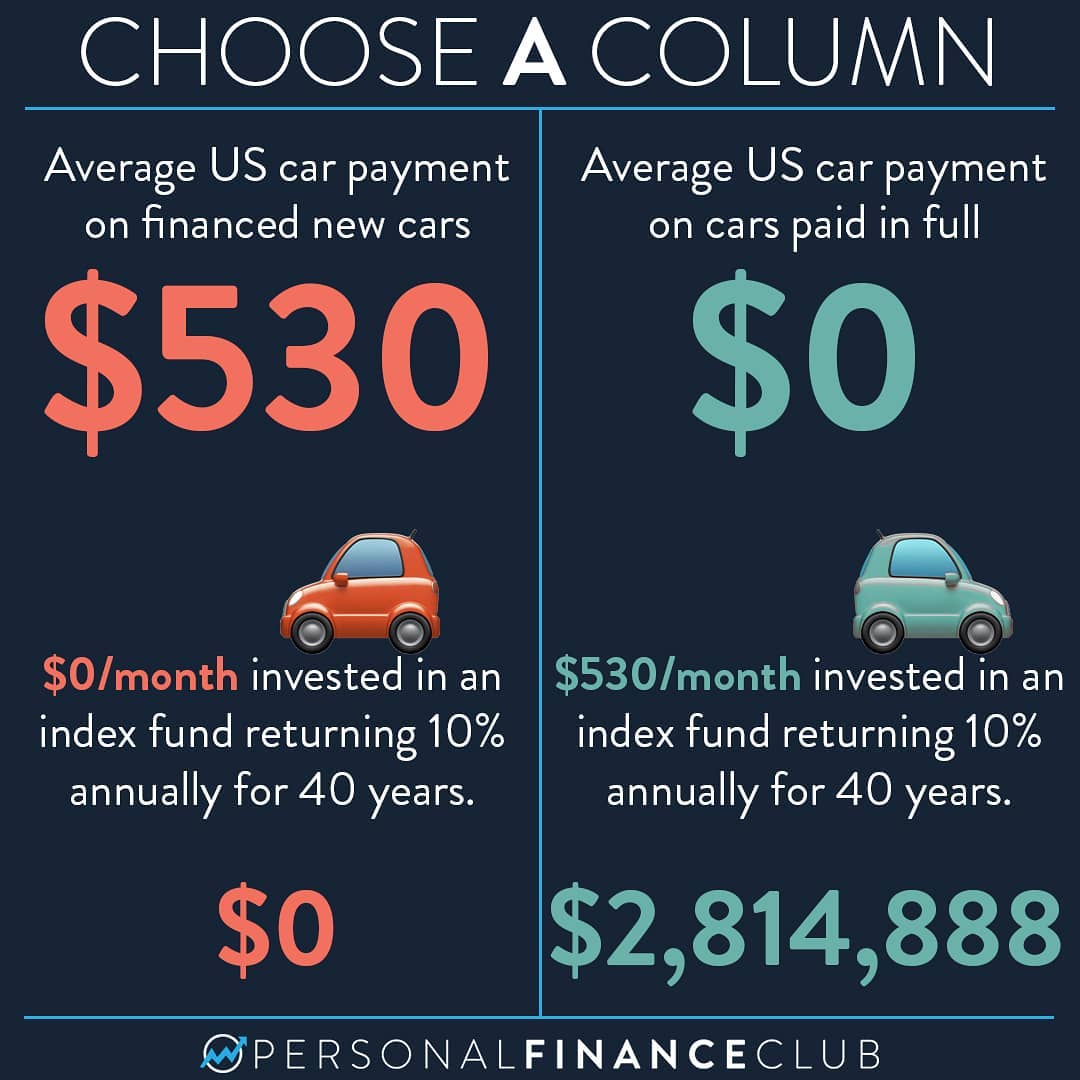
Understand that taking on a car loan is a multi-year commitment that ties up a portion of your monthly income. While necessary for many, excessive car debt can hinder wealth accumulation, limit financial flexibility, and add stress. Evaluate if the chosen vehicle and its associated payment align with your broader financial aspirations. Is it preventing you from saving for a significant life event? Could a less expensive vehicle free up funds for more impactful investments?
In conclusion, while knowing the average car payment offers a valuable context, the true measure of affordability is highly personal. By understanding the factors that influence your payment, adopting smart financial strategies, and looking beyond the monthly figure to the total cost of ownership, you can make a car buying decision that supports, rather than detracts from, your overall financial health.
aViewFromTheCave is a participant in the Amazon Services LLC Associates Program, an affiliate advertising program designed to provide a means for sites to earn advertising fees by advertising and linking to Amazon.com. Amazon, the Amazon logo, AmazonSupply, and the AmazonSupply logo are trademarks of Amazon.com, Inc. or its affiliates. As an Amazon Associate we earn affiliate commissions from qualifying purchases.