
Navigating the labyrinthine world of auto insurance can feel like a daunting task. Between state minimums, various coverage types, and a myriad of policy options, many drivers find themselves asking a fundamental question: “How much auto insurance do I really need?” It’s a question that balances legal compliance, financial protection, and personal budget constraints. The answer isn’t a simple one-size-fits-all figure; rather, it’s a dynamic calculation influenced by numerous personal and external factors. This is where an auto insurance needs calculator becomes an invaluable financial tool, transforming guesswork into informed decision-making.
Understanding your optimal auto insurance coverage is more than just fulfilling a legal obligation; it’s about safeguarding your financial future, protecting your assets, and ensuring peace of mind on the road. Underinsuring can lead to catastrophic out-of-pocket expenses in the event of an accident, while overinsuring might mean paying for protection you don’t genuinely require. This article will delve into the core components of auto insurance, explore the factors that shape your coverage requirements, elucidate the benefits of using a dedicated calculator, and provide strategies for continuous optimization of your policy.
Understanding the Fundamentals of Auto Insurance
Before you can determine how much coverage you need, it’s crucial to grasp the basic types of auto insurance and their respective purposes. Each component serves a distinct role in protecting you, your vehicle, and others involved in an accident.
Key Types of Coverage
-
Liability Coverage: This is the most fundamental and often legally mandated type of coverage. It protects you financially if you are at fault for an accident, covering damages to other people’s property and their bodily injuries.
-
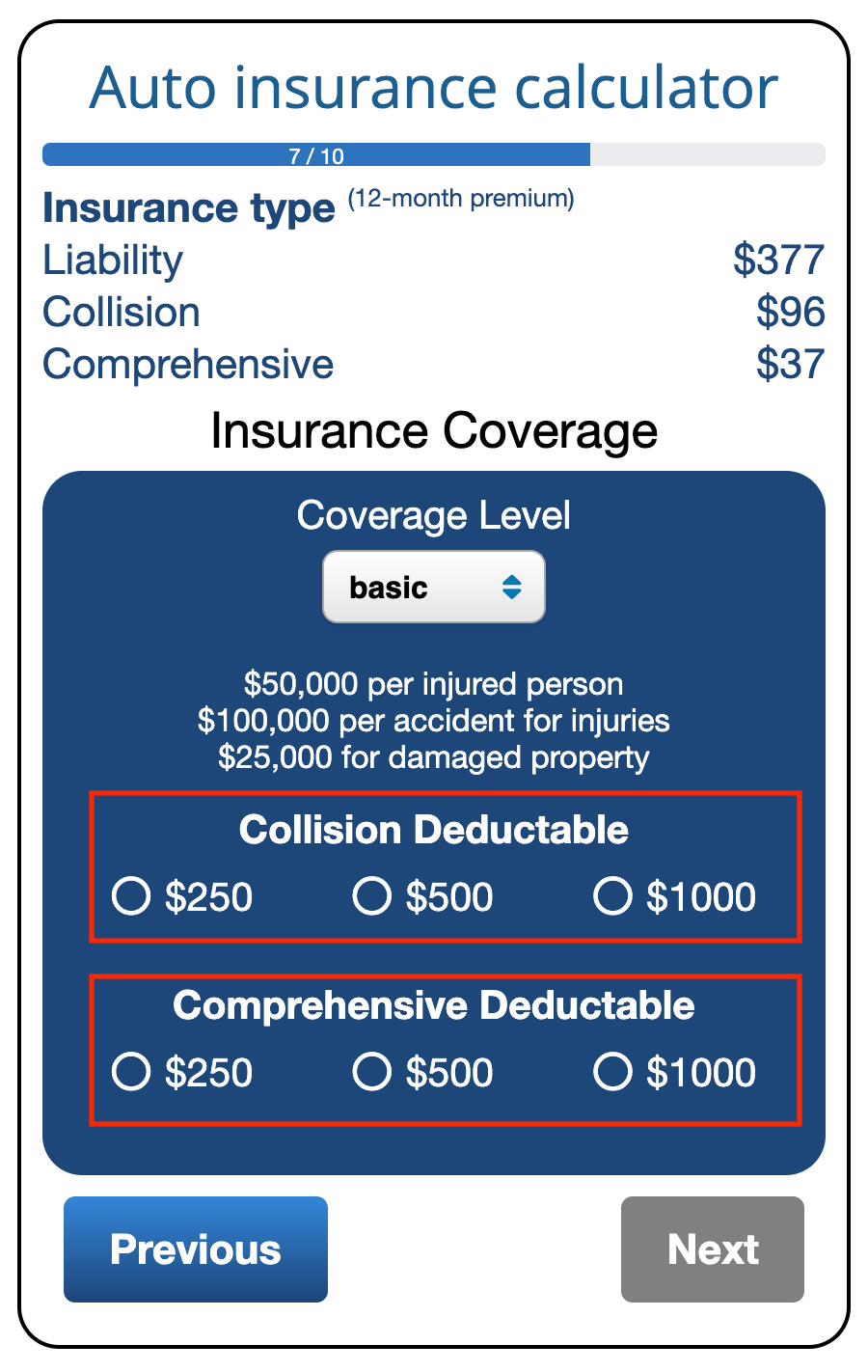
Bodily Injury Liability: Pays for medical expenses, lost wages, and pain and suffering for others injured in an accident you cause. It’s typically represented by two numbers, e.g., $50,000/$100,000, meaning $50,000 per person and $100,000 per accident.
-
Property Damage Liability: Covers the cost of repairs or replacement of another person’s vehicle or property (e.g., a fence, building) that you damage in an accident. It’s represented by a single number, e.g., $25,000.
-
-
Collision Coverage: This pays for the damage to your car resulting from a collision with another vehicle or object, regardless of who is at fault. This is often required by lenders if you have a car loan or lease.
-
Comprehensive Coverage: This protects your car from damages not caused by a collision. This includes theft, vandalism, fire, natural disasters (like hail or floods), and hitting an animal. Like collision coverage, it’s often required by lenders.
-
Uninsured/Underinsured Motorist (UM/UIM) Coverage: Despite laws requiring insurance, many drivers operate without it or carry insufficient amounts. UM/UIM protects you if you’re hit by a driver who has no insurance or not enough insurance to cover your medical bills and vehicle repairs.
-
Personal Injury Protection (PIP) / Medical Payments (MedPay): These cover medical expenses for you and your passengers, regardless of who is at fault. PIP can also cover lost wages and essential services. The availability and specifics of PIP vs. MedPay vary by state.
Mandatory vs. Optional Coverage
Every state has minimum auto insurance requirements, primarily focused on liability coverage. While these minimums are legally sufficient, they often provide inadequate financial protection for most drivers, especially those with significant assets. Opting for state minimums might save you a few dollars on premiums, but it exposes you to substantial financial risk. If you cause an accident with damages exceeding your minimum coverage limits, you are personally responsible for the remaining costs, which could lead to asset seizure, wage garnishment, or even bankruptcy.
Therefore, many types of coverage, while technically “optional” by law, are practically essential for comprehensive financial protection. Collision and comprehensive coverage, for instance, are critical for anyone who can’t easily afford to replace or repair their vehicle out-of-pocket. Similarly, UM/UIM coverage is a prudent choice given the prevalence of uninsured drivers. The distinction between mandatory and optional coverage serves as a baseline, but your actual needs often far surpass these basic requirements.
Factors Influencing Your Auto Insurance Needs
Determining the appropriate level of auto insurance is a highly personalized exercise, influenced by a confluence of factors related to your vehicle, your driving profile, and your financial standing. An effective auto insurance calculator will take these variables into account to provide a tailored recommendation.
Vehicle Specifics
The car you drive significantly impacts both the cost of your insurance and the types of coverage you need.
-
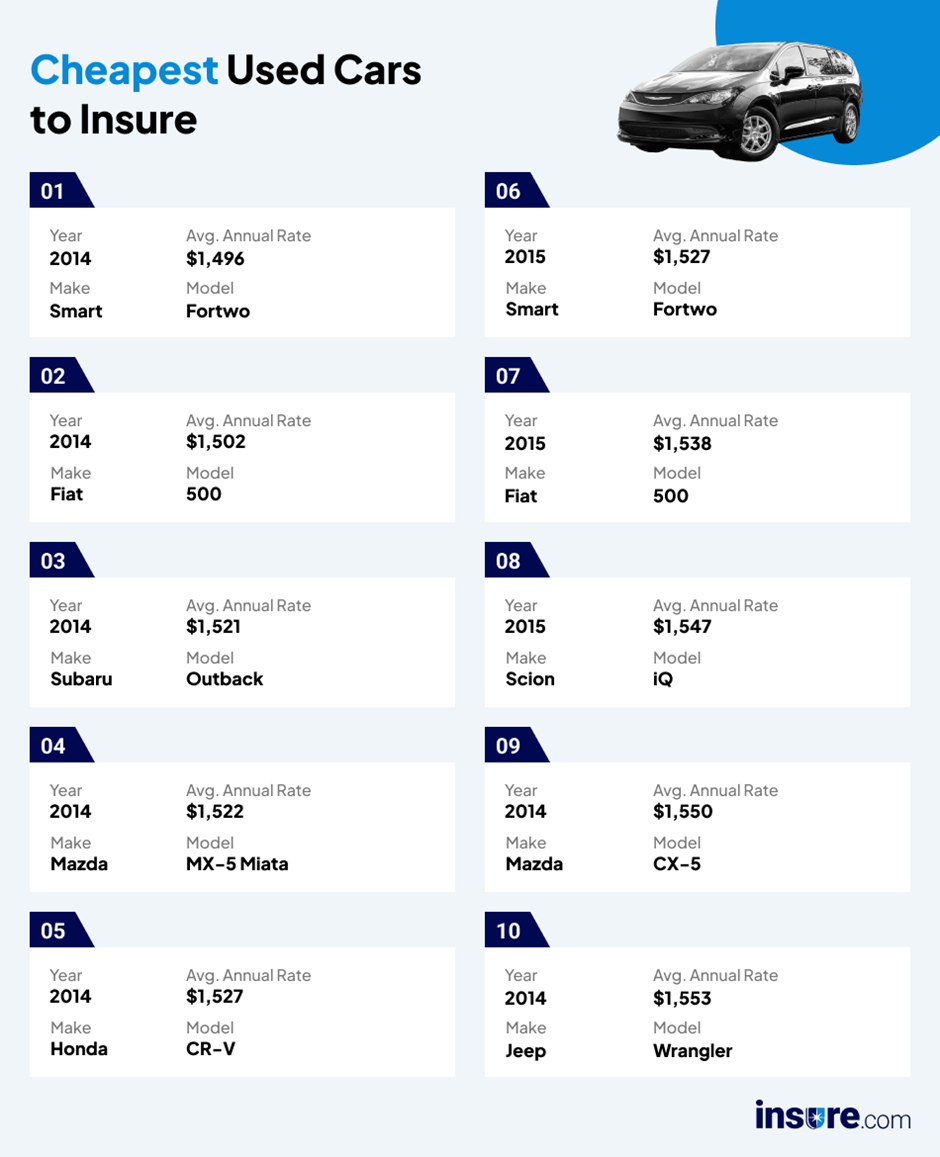
Make, Model, and Age: Newer, more expensive vehicles generally cost more to insure due to higher repair or replacement costs. Luxury cars, sports cars, and certain high-theft models can also attract higher premiums. Older cars might prompt you to drop collision and comprehensive if their market value is less than the deductible plus premium costs.
-
Safety Features: Modern safety features like automatic emergency braking, lane-keeping assist, and advanced airbag systems can reduce the likelihood of accidents or the severity of injuries, potentially leading to lower premiums.
-
Theft Risk: Vehicles that are frequently stolen or vandalized will naturally have higher comprehensive insurance costs.
Driver Profile
Your personal characteristics and driving habits play a pivotal role in how insurers assess your risk.
-
Age and Gender: Younger, less experienced drivers typically face higher premiums due to statistical accident rates. While gender used to be a significant factor, many states have moved to gender-neutral rating systems.
-
Driving Record: A clean driving record with no accidents or traffic violations is the quickest way to earn lower premiums. Conversely, tickets and at-fault accidents will significantly increase your rates.
-
Credit Score (where applicable): In many states, insurers use a credit-based insurance score as a predictor of future claims. A higher credit score often correlates with lower premiums.
-
Location: Where you live and primarily drive affects your rates. Urban areas with higher traffic density, crime rates, and accident statistics generally have higher premiums than rural areas.
-
Annual Mileage: The more you drive, the higher your risk of an accident. Low-mileage drivers might qualify for discounts.
Financial Situation & Risk Tolerance
Ultimately, your financial health and comfort level with risk should dictate your coverage limits and deductible choices.
-
Asset Protection (Net Worth): This is perhaps the most critical factor for liability coverage. If you have substantial assets (home equity, savings, investments), you need much higher liability limits than state minimums. An accident for which you are at fault could result in a lawsuit, and if your insurance doesn’t cover the damages, your personal assets could be at stake. Aim for liability limits that at least cover your net worth.
-
Income Stability: Your ability to absorb unexpected costs, like a higher deductible or even a portion of repair costs, influences your deductible choice. If you have a stable income and a healthy emergency fund, you might opt for a higher deductible to lower your premiums.
-
Emergency Fund: A robust emergency fund provides a buffer to cover deductibles or other immediate expenses after an accident, allowing you to choose a higher deductible and lower your monthly premiums.
-
Deductible Considerations: The deductible is the amount you pay out-of-pocket before your insurance kicks in. A higher deductible typically means lower monthly premiums, but you must be prepared to pay that amount if you file a claim.
The Role and Benefits of an Auto Insurance Needs Calculator
Given the multitude of variables, manually calculating your optimal auto insurance coverage is a complex, often overwhelming, task. This is where a specialized calculator becomes an indispensable financial tool.
How a Calculator Works
An auto insurance needs calculator simplifies this process by systematically collecting relevant data points from you. You typically input details such as:
-
Your vehicle’s year, make, model, and trim.
-
Your age, driving history, and sometimes credit score.
-
Your location (ZIP code).
-
Your financial situation, including your assets, income, and comfort level with risk.
-
Any existing coverage you might have or specific concerns (e.g., wanting maximum protection against uninsured motorists).
Based on these inputs, the calculator utilizes algorithms to recommend appropriate coverage types and limits. It might suggest specific liability limits that align with your assets, or indicate whether collision and comprehensive coverage are advisable given your vehicle’s value.
Personalization and Customization
One of the greatest benefits of a calculator is its ability to move beyond generic advice. Unlike articles that offer broad recommendations, a calculator provides a personalized snapshot of your needs. It can help you understand:
-
Optimal Liability Limits: Instead of simply saying “get more than state minimums,” it can suggest a specific dollar amount for bodily injury and property damage liability that aligns with your net worth.
-
Deductible Sweet Spot: It can help you explore how different deductibles impact both your premium and your out-of-pocket exposure, guiding you to a choice that suits your emergency fund and risk tolerance.
-
Relevant Add-ons: It might highlight the importance of UM/UIM coverage for your state or recommend specific endorsements like rental car reimbursement or roadside assistance based on your driving habits.
Cost-Benefit Analysis and Avoiding Over/Under-Insurance
An auto insurance needs calculator empowers you to strike the right balance.
-
Avoiding Under-Insurance: By prompting you to consider your assets and potential liabilities, the calculator helps prevent the catastrophic financial consequences of insufficient coverage. It highlights the true cost of an accident if your policy falls short.
-
Avoiding Over-Insurance: Conversely, it can prevent you from paying for unnecessary coverage. For example, if your older car’s market value is low, the calculator might help you realize that maintaining collision and comprehensive coverage with a high premium might not be a financially sound decision. It helps you avoid paying for more protection than the asset is worth.
Empowering Informed Decisions
Ultimately, the calculator puts you in the driver’s seat of your financial protection. Instead of relying solely on an insurance agent’s recommendations (which can sometimes be influenced by commission structures) or blindly choosing options, you arrive at the conversation with a clear understanding of your needs. This knowledge allows you to ask targeted questions, compare quotes more effectively, and confidently select a policy that truly serves your best interests. It transforms the insurance-buying process from a reactive chore into a proactive financial planning exercise.
Beyond the Calculator: Continuous Review and Optimization
While an auto insurance needs calculator provides an excellent starting point, your insurance requirements are not static. Life changes, market conditions evolve, and your financial situation can shift, necessitating periodic reviews of your policy to ensure it remains optimized.
Life Event Triggers for Review
Certain life events should prompt an immediate review of your auto insurance coverage:
-
Purchasing a New Vehicle: A new car, especially one with a higher value, advanced features, or a loan, will almost certainly require an adjustment to your collision and comprehensive coverage, as well as liability limits.
-
Adding or Removing a Driver: Welcoming a new teenage driver, an adult family member, or removing someone who no longer drives your car will significantly impact your rates and potentially your required coverage.
-
Changes in Financial Status: A significant increase in your net worth (e.g., buying a home, receiving an inheritance) should trigger an increase in your liability coverage to protect your new assets. Conversely, if your financial situation changes and you need to reduce expenses, you might revisit deductibles.
-
Moving to a New Location: Different ZIP codes and states have varying risk profiles and minimum coverage laws, which will directly affect your premiums and perhaps your coverage needs.
-
Marriage or Divorce: These events can alter household dynamics, vehicle ownership, and financial responsibilities, all of which impact insurance.
-
Changes in Driving Habits: If you start telecommuting and drastically reduce your annual mileage, you might qualify for low-mileage discounts.
Shopping Around and Comparing Quotes
The auto insurance market is highly competitive. Loyalty to one insurer doesn’t always pay off. It is financially prudent to shop around and compare quotes from multiple providers at least once a year, or whenever a major life event occurs. Even with consistent coverage, different companies may offer varying rates for the same level of protection. Use online comparison tools or work with an independent agent who can shop multiple carriers on your behalf. Ensure you are comparing policies with identical coverage limits, deductibles, and endorsements to get a true like-for-like comparison.
Maximizing Discounts
Insurers offer a wide array of discounts that can significantly reduce your premiums. Be proactive in asking about and applying for every discount you qualify for:
-
Bundling Discounts: Combining your auto insurance with home, renters, or life insurance from the same provider can often lead to substantial savings on all policies.
-
Good Driver/Safe Driver Discounts: Rewards for maintaining a clean driving record over several years. Telematics programs (devices or apps that monitor driving behavior) can also offer discounts for safe driving habits.
-
Vehicle Safety Feature Discounts: Modern cars with advanced safety features (e.g., anti-lock brakes, anti-theft devices, automatic seatbelts, lane departure warnings) often qualify for discounts.
-
Low Mileage Discounts: If you drive significantly less than the average, you may be eligible for lower rates.
-
Multi-Vehicle Discounts: Insuring multiple vehicles under the same policy usually reduces the overall premium.
-
Good Student Discounts: For younger drivers who maintain a certain GPA.
-
Payment Discounts: For paying your premium in full, setting up automatic payments, or choosing paperless billing.

Conclusion
Determining “how much auto insurance do I need” is a critical personal finance decision that extends far beyond merely satisfying legal requirements. It’s about meticulously planning for potential financial risks, protecting your hard-earned assets, and securing your peace of mind. An auto insurance needs calculator serves as a powerful and objective financial tool, transforming a complex assessment into an actionable strategy tailored to your unique circumstances.
By understanding the fundamental types of coverage, carefully evaluating the myriad factors that influence your needs, and leveraging the personalized insights offered by a calculator, you can confidently navigate the insurance landscape. Remember that your insurance needs are dynamic; therefore, continuous review and proactive optimization, including shopping for better rates and maximizing discounts, are essential components of sound financial management. Taking the time to properly assess and adjust your auto insurance policy is not just about saving money, it’s about building a robust financial safety net that allows you to drive with confidence, knowing you are adequately protected against the unexpected.
aViewFromTheCave is a participant in the Amazon Services LLC Associates Program, an affiliate advertising program designed to provide a means for sites to earn advertising fees by advertising and linking to Amazon.com. Amazon, the Amazon logo, AmazonSupply, and the AmazonSupply logo are trademarks of Amazon.com, Inc. or its affiliates. As an Amazon Associate we earn affiliate commissions from qualifying purchases.