
The allure of the silver screen remains a powerful draw in an increasingly digital world. While streaming services offer unparalleled convenience, there’s an undeniable magic to the collective hush of a darkened theater, the immersive sound, and the colossal imagery that only a cinema can provide. Among the titans of the exhibition industry, AMC Theatres stands out as a pervasive presence, often being the go-to destination for moviegoers across the globe.
But before you commit to that eagerly anticipated blockbuster or indie gem, a fundamental question often arises: “How much are tickets to AMC?” This seemingly simple query unravels into a complex web of variable pricing, hidden costs, and strategic savings opportunities. For the savvy consumer, understanding the true financial landscape of an AMC movie visit is crucial for informed budgeting and maximizing entertainment value. This article will embark on a comprehensive financial exploration of AMC ticket prices, delving into the factors that influence them, the often-overlooked ancillary expenses, and the powerful financial tools AMC offers to help you manage your movie-going budget effectively.

Unpacking the Base Cost: What Influences AMC Ticket Prices?
At its core, the price of an AMC ticket isn’t a static figure. It’s a dynamic number influenced by a multitude of factors, reflecting everything from geographical economics to technological advancements in cinematic presentation. Understanding these variables is the first step in demystifying your movie expenses.
Variable Pricing Models Across Locations and Showtimes
One of the most significant determinants of your ticket cost is where and when you choose to see a movie. AMC operates thousands of screens across diverse markets, each with its own economic profile.
-
Geographic Variations: A ticket in a high-cost-of-living metropolitan area like New York City or Los Angeles will almost invariably be more expensive than one in a suburban or rural location. These differences reflect local operational costs, including rent, labor, and property taxes, which AMC passes on to consumers.
-
Time of Day and Week: The classic matinee discount is still very much alive. Morning or early afternoon showtimes (before 4 PM or 5 PM) typically feature lower prices than evening shows, which are prime time for moviegoers. Similarly, weekday tickets are generally more affordable than those for Friday nights, Saturdays, and Sundays, which represent peak demand periods. Planning your visit for off-peak hours can lead to considerable savings.
-
Premium Formats: This is where ticket prices can escalate rapidly. AMC offers a range of enhanced viewing experiences, and each comes with a significant upcharge over a standard 2D showing.
-
IMAX: For truly epic scale and immersive sound.
-
Dolby Cinema: Combines advanced visual and audio technologies (Dolby Vision and Dolby Atmos) for a premium experience.
-
Prime at AMC: Features luxurious recliners, enhanced sound, and large screens.
-
3D, D-BOX, and ScreenX: Each offers a unique technological enhancement that carries an additional fee.
The premium for these formats can add anywhere from $3 to $8 or more to the base ticket price, making a significant impact on your overall financial outlay.
-
-
Special Engagements and Events: Concert films, live broadcasts, classic movie revivals, or limited-run screenings of independent films might have unique pricing structures, sometimes higher or occasionally lower than standard new releases.
Dynamic Pricing and Market Influences
While less prevalent in a real-time, algorithmic sense compared to airlines or ride-sharing, AMC’s pricing strategy does exhibit elements of dynamic pricing influenced by market forces and operational realities.
-
Local Competition: In areas with multiple movie theater chains, AMC’s pricing may be influenced by the competitive landscape. If a rival theater offers a similar experience at a lower price point, AMC might adjust its own rates to remain competitive, and vice versa.
-
Film Licensing Fees: A substantial portion of what you pay for a ticket goes back to the film studios. The terms of these licensing agreements, particularly for highly anticipated blockbusters, can also indirectly influence the ticket prices AMC sets to maintain its profit margins.
-
Inflation and Operational Costs: Like any business, AMC faces rising costs for labor, utilities, supplies, and maintenance. These inflationary pressures necessitate periodic adjustments to ticket prices to ensure the business remains viable. Consumers, therefore, bear a portion of these rising operational expenses.
Beyond the Ticket: The Hidden Costs and Smart Spending at AMC
Focusing solely on the ticket price provides an incomplete financial picture of your movie outing. A significant portion of your total expenditure at the cinema often comes from items purchased once you’re inside the building, along with other ancillary costs that might not be immediately obvious. Understanding these “hidden” expenses is paramount for accurate budgeting.
The Concession Conundrum: A Major Budgetary Impact
It’s an open secret in the movie industry: concessions are where theaters make a substantial portion of their profit. While a ticket sale’s revenue is largely shared with film distributors, almost all concession sales are pure profit for the exhibitor. This high-margin strategy explains the often-staggering prices of popcorn, soda, and candy.
-
Common Items and Typical Costs: A large popcorn can easily run $8-$10, a large soda $6-$8, and various candies $5-$7. Combo deals might offer a slight discount but still represent a significant expense. If you’re going with a family or a group, concession purchases can quickly double or even triple your initial ticket cost.
-
Strategies to Save:
-
Eat Beforehand: One of the simplest and most effective ways to save is to grab a meal or snack before heading to the theater.
-
Share: If you must indulge, consider sharing a large popcorn or drink among your group rather than everyone buying their own.
-
BYO (Where Permitted/Practical): While AMC has rules against outside food and drink, some theaters are more lenient with small, discreet snacks or sealed water bottles. Always check their specific policy, but generally, this isn’t a reliable strategy for significant savings at AMC.
-
Leverage Loyalty Programs: As we’ll discuss, AMC’s loyalty programs often include concession discounts or free refills, which can mitigate these costs.
-
Online Booking Fees and Convenience Charges
In the age of digital convenience, purchasing tickets online through AMC’s website, app, or third-party platforms like Fandango or Atom Tickets has become the norm. However, this convenience often comes with an additional financial bite.
-
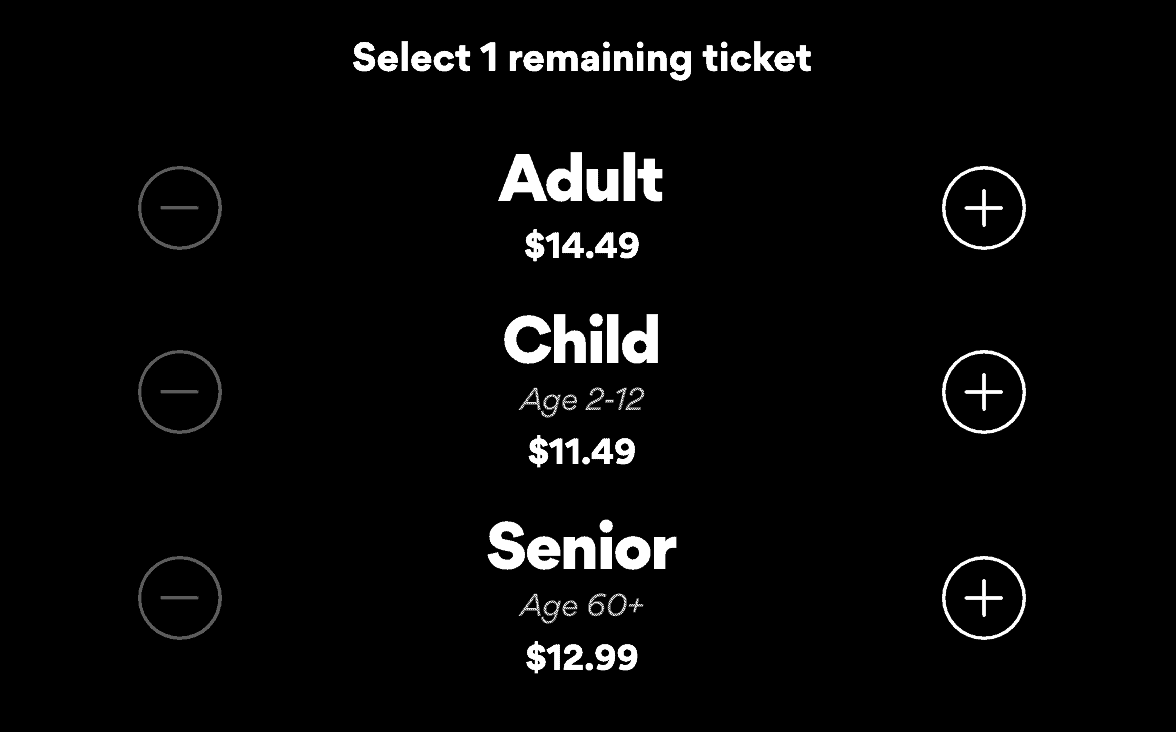
The Surcharge: Many online booking platforms, including AMC’s own, levy a “convenience fee” or “service charge” per ticket, typically ranging from $1.50 to $2.50. While seemingly small, these fees can add up, especially for groups.
-
The Value Proposition: For many, the ability to select seats in advance, avoid lines, and guarantee tickets for popular shows outweighs the additional cost. However, it’s a financial consideration that should be factored into your budget.
-
Alternatives: To avoid these fees, your primary option is to purchase tickets directly at the box office or automated kiosk at the theater. This requires arriving earlier and risks popular showtimes being sold out, but it offers a tangible saving. AMC Stubs A-List and Premiere members often have online fees waived, offering another incentive for loyal customers.
Parking, Transportation, and Ancillary Costs
The financial impact of a movie outing extends beyond the theater’s four walls. Getting to and from the cinema, and potential activities surrounding the event, contribute to your overall spending.
-
Parking Fees: Especially in urban centers or popular entertainment districts, paid parking is a common reality. These fees can range from a few dollars to upwards of $20 for a few hours, significantly inflating your movie night budget.
-
Public Transportation/Fuel Costs: If you’re taking a bus, train, or ride-share service, factor in those fares. If driving, consider the cost of gasoline and wear-and-tear on your vehicle.
-
Dinner/Drinks: A movie night is often part of a larger entertainment package, frequently paired with dinner or drinks before or after the show. While not directly an AMC cost, it’s a common associated expense that should be considered when planning your entertainment budget.
-
Childcare: For parents, the cost of a babysitter or childcare can be a substantial addition to the price of a night out at the movies.
Leveraging Loyalty and Membership for Financial Savings
For frequent moviegoers, AMC offers robust loyalty and subscription programs designed to turn your regular visits into significant financial advantages. Understanding and utilizing these programs can transform your movie-going budget from a recurring expense into a well-managed investment in entertainment.
AMC Stubs: A Tiered Approach to Savings
AMC Stubs is the umbrella loyalty program, featuring multiple tiers, each offering increasing benefits for commitment to the AMC brand.
-
AMC Stubs Insider (Free Tier): This entry-level tier costs nothing to join and provides immediate value. Members earn 20 points for every $1 spent at AMC (tickets and concessions). Key benefits include:
-
Discounted Tuesdays: Every Tuesday, Insider members can enjoy significantly reduced ticket prices, often making it the cheapest day to see a new release. This discount often extends to concessions as well, with special combo deals.
-
Free Refills on Large Popcorn: A fantastic perk for popcorn lovers, ensuring you get more bang for your buck on your favorite cinema snack.
-
Birthday Perks: A free large popcorn during your birthday month.
The Insider tier is an absolute must-have for anyone who visits AMC, even occasionally, as it costs nothing and provides tangible savings.
-
-
AMC Stubs Premiere (Paid Tier): For a moderate annual fee (typically around $15), Premiere members unlock accelerated rewards and enhanced benefits. This tier is suitable for those who visit AMC several times a year. Benefits include:
-
Faster Points Accumulation: Earn 50 points per $1 spent, meaning you reach rewards faster. Every 5,000 points converts into a $5 reward.
-
Waived Online Ticketing Fees: This benefit alone can quickly offset the annual fee, especially if you buy tickets online for multiple people or frequently.
-
Discounted Concessions: Enjoy a discount on concession items.
-
Priority Lane Access: Faster service at the box office and concession stand.
Calculating the break-even point for Premiere is crucial. If the online fees you save or the extra points you earn exceed the annual fee, it’s a financially sound choice.
-
-
AMC Stubs A-List (Subscription Service): This is AMC’s flagship subscription model, designed for avid movie enthusiasts. For a monthly fee (which varies slightly by region, typically $19.95-$23.95), A-List members can see up to three movies every week, including all premium formats (IMAX, Dolby Cinema, Prime, 3D).
-
Unbeatable Value for Frequent Viewers: If you see more than two movies a month, A-List quickly pays for itself. For example, if two standard tickets cost $15 each ($30 total), A-List at $20 a month is already a saving, not even considering the premium formats which would cost significantly more.
-
Includes Premium Formats: This is a major differentiator. The ability to see IMAX or Dolby Cinema multiple times a week for no extra ticket cost is a huge financial advantage.
-
Waived Online Fees & Concession Discounts: A-List members also enjoy the waived online ticketing fees and concession discounts of the Premiere tier.
-
Financial Viability: A-List is a powerful financial tool for serious moviegoers. It encourages regular cinema visits and provides access to the highest-quality experiences without the associated premium ticket price, making it an excellent investment for dedicated film buffs.
-
Special Promotions and Discount Days
Beyond the Stubs program, AMC frequently offers other avenues for savings that consumers should be aware of.
-
Discount Tuesdays: As mentioned, this is a cornerstone of the Stubs Insider program, offering a substantial markdown on ticket prices. It’s often the single best day to catch a movie at AMC if your schedule allows.
-
Matinee Pricing: Always consider afternoon showtimes, which are consistently cheaper than evening screenings.
-
Senior, Student, and Military Discounts: AMC often provides discounted tickets for qualifying individuals. Always inquire at the box office and be prepared to show valid ID. These discounts can typically be combined with loyalty points but not always with other specific promotions like Discount Tuesdays.
-
Group Discounts: For larger groups, schools, or corporate outings, AMC may offer special group rates. It’s worth contacting the theater directly for such inquiries.
Budgeting for Your Entertainment: A Financial Planning Perspective
Integrating movie-going into your overall personal finance strategy is essential for sustainable enjoyment. Rather than seeing it as an unpredictable expense, view it as a controllable part of your entertainment budget.
Calculating Your True Cost of a Movie Night
To truly understand what your movie-going habit costs, you need to factor in all the elements discussed. A simple equation can help:
True Cost = (Ticket Price + Concessions + Online Fees + Parking/Transportation) * Number of People
Let’s illustrate with an example:
-
Two standard evening tickets: $16 each = $32
-
One large popcorn, one large soda: $18
-
Online booking fees: $2.50 per ticket = $5
-
Parking: $10
-
Total for Two People = $32 + $18 + $5 + $10 = $65
This calculation highlights how quickly the costs add up beyond just the price of admission. Tracking your actual spending for a few movie outings will provide valuable insight into your habits and identify areas for potential savings.
Strategies for Sustainable Movie Enjoyment
With a clear financial picture, you can implement strategies to enjoy the cinema experience without overstretching your budget.
-
Prioritize Your Viewing: Not every movie needs to be seen on opening night in a premium format. Decide which films are “must-see” theatrical experiences and which can wait for a matinee, a discount day, or even a streaming release at home.
-
Set a Monthly Entertainment Budget: Allocate a specific amount of money each month for all forms of entertainment, including movies. Sticking to this budget ensures that your cinematic pleasures don’t derail other financial goals.
-
Consider Alternatives and Hybrids: Explore free outdoor movie screenings in your community, use library passes for streaming services, or organize movie nights at home. For AMC specifically, utilize the A-List membership to its fullest if it aligns with your viewing frequency, or lean heavily on Discount Tuesdays.
-
The “Experience vs. Cost” Trade-Off: For some, the immersive quality of Dolby Cinema or IMAX is worth the higher price point, making it an occasional splurge. For others, the standard experience at a matinee is perfectly satisfying and far more budget-friendly. Understand your own preferences and allocate your money accordingly.
Conclusion
The question “How much are tickets to AMC?” is far more nuanced than a simple dollar figure. It’s a gateway to understanding a complex pricing structure, the impact of ancillary expenses, and the significant financial leverage offered by loyalty programs. From the geographic variations and premium format upcharges to the often-overlooked cost of concessions and online booking fees, every aspect contributes to the overall financial commitment of your movie-going experience.
However, with a professional, insightful, and engaging approach to personal finance, you can navigate these costs effectively. By joining AMC Stubs, leveraging Discount Tuesdays, considering an A-List membership if you’re a frequent viewer, and being mindful of your concession and travel expenses, you can transform your cinematic adventures from a potential budget drain into a thoughtfully managed and thoroughly enjoyable entertainment investment. The magic of the movies awaits, and with a little financial savvy, it’s more accessible than ever before.
aViewFromTheCave is a participant in the Amazon Services LLC Associates Program, an affiliate advertising program designed to provide a means for sites to earn advertising fees by advertising and linking to Amazon.com. Amazon, the Amazon logo, AmazonSupply, and the AmazonSupply logo are trademarks of Amazon.com, Inc. or its affiliates. As an Amazon Associate we earn affiliate commissions from qualifying purchases.