
Navigating the cost of modern entertainment requires more than just a glance at a marquee. For the financially conscious consumer, understanding “how much are tickets at AMC” is the first step in a broader analysis of discretionary spending and value optimization. AMC Theatres, the largest cinema chain in the world, utilizes a complex, multi-tiered pricing model that reflects geographic economic shifts, technological investments, and sophisticated loyalty marketing.
To truly understand the cost of a night at the movies, one must look beyond the base ticket price and analyze the variables that dictate the final transaction. From matinee discounts to premium large-format surcharges, the price of admission is a moving target designed to balance corporate revenue needs with consumer accessibility.

1. The Variables of Base Pricing: Geography and Timing
The cost of a ticket at AMC is rarely a flat fee across the board. Like many service-oriented industries, cinema pricing is heavily influenced by the cost of living in specific markets and the demand cycles of the week.
Geographic Economic Tiers
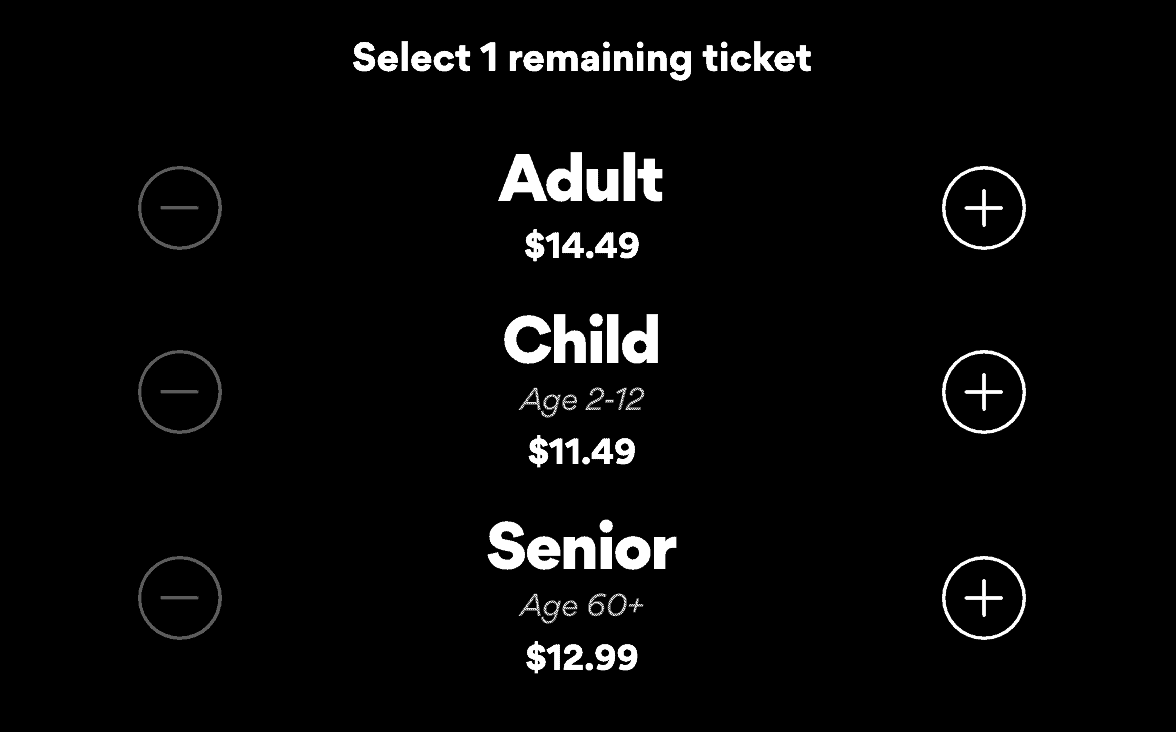
A ticket at an AMC in Times Square, New York, will carry a significantly higher price tag than a ticket at an AMC Classic in a mid-sized Midwestern town. This is a reflection of real estate costs, local labor markets, and the purchasing power of the surrounding demographic. For a standard digital screening, prices can range anywhere from $10.00 to $19.00 depending solely on the zip code of the theater.
The Financial Advantage of Matinees
One of the most effective personal finance strategies for moviegoers is utilizing the “Matinee” window. AMC typically offers a 25% to 30% discount for screenings held before 4:00 PM. From a business finance perspective, this allows the theater to generate revenue during low-demand hours, covering fixed costs like electricity and staffing that would otherwise yield no return. For the consumer, it represents the most significant “easy win” in reducing entertainment expenses.
Discount Tuesdays: The Value Investor’s Choice
For members of the AMC Stubs program (including the free Insider tier), “Discount Tuesdays” offer a standardized lower rate. Depending on the location, tickets can drop to as low as $5.00 or $7.00. This is a strategic move by AMC to ensure a steady stream of foot traffic on what is historically the slowest day of the business week, providing a budget-friendly entry point for price-sensitive audiences.
2. Premium Formats and the Price of Technology
When asking “how much are tickets at AMC,” the answer often depends on the level of technology the viewer desires. AMC has pivoted toward “Premium Large Format” (PLF) experiences to differentiate itself from home streaming services, and these experiences come with a structured surcharge.
IMAX and Dolby Cinema Surcharges
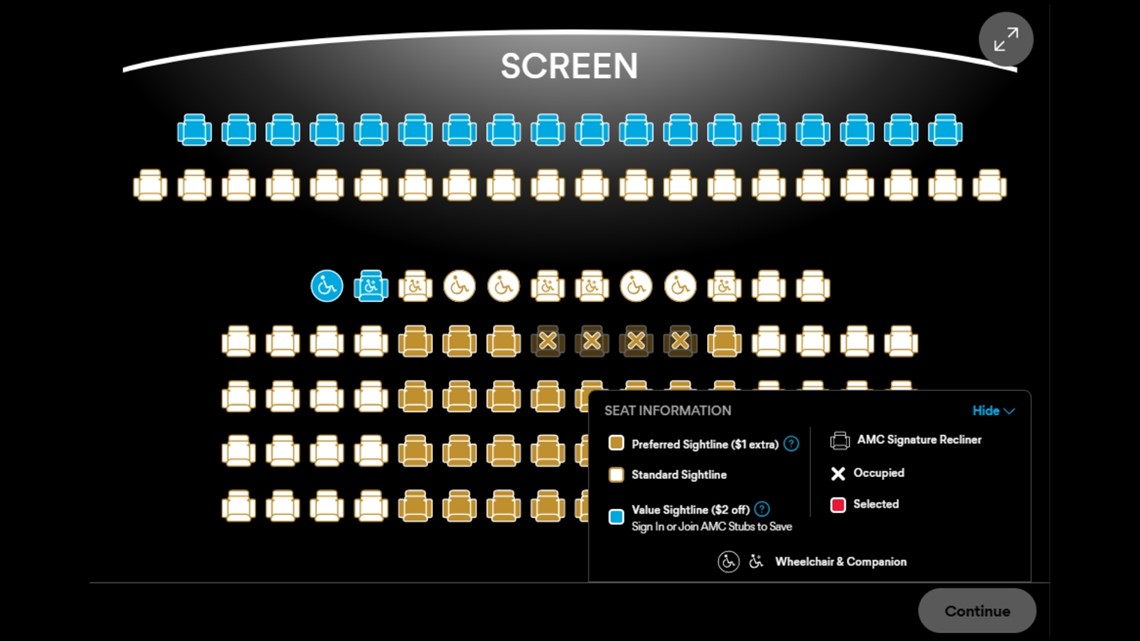
The “Gold Standard” of the AMC experience involves IMAX or Dolby Cinema. These formats often add a premium of $5.00 to $10.00 per ticket. From a financial perspective, these surcharges fund the licensing fees paid to IMAX Corp and the capital expenditures required for high-end laser projection and immersive sound systems. While the cost is higher, many consumers view this as a “value-add” investment, choosing to spend more on high-spectacle films while opting for standard digital for smaller dramas.
RealD 3D and Sensory Surcharges
While the craze for 3D has stabilized, it remains a consistent pricing tier. 3D screenings generally cost $3.00 to $5.00 more than standard 2D. For families and individual investors in their own entertainment, calculating the “return on experience” is vital. If the 3D effects do not materially enhance the narrative, opting for 2D is a simple way to preserve capital for other expenses.
AMC Dine-In and Luxury Amenities
The “Dine-In” model shifts the ticket price slightly higher, often reflecting the higher overhead of theater-to-seat service. However, the real financial impact here is the integration of food and beverage into the ticketed experience. The premium paid for a Dine-In seat is often a reflection of the luxury of a heated recliner and the convenience of integrated service, positioning the theater as a “one-stop-shop” for an evening’s budget.
3. The AMC Stubs Ecosystem: A Financial Analysis of Loyalty
For frequent moviegoers, the “sticker price” of an AMC ticket is often irrelevant. The company has moved toward a subscription-based economy, mirroring the trends seen in software and digital media. Understanding these memberships is crucial for anyone looking to optimize their entertainment budget.
AMC Stubs Insider (The Free Tier)
Even at the free level, the financial benefits are tangible. The primary value lies in the waiving of online convenience fees when purchasing four or more tickets and the aforementioned access to Discount Tuesdays. For the occasional moviegoer, this tier offers a zero-cost way to reduce the total cost of ownership for a night out.
AMC Stubs Premiere: The Mid-Tier Investment
For an annual fee (typically around $15.00), Premiere members receive waived convenience fees on all tickets, accelerated point earning for “rewards” (which act as cash back), and free size upgrades on concessions. From a break-even analysis perspective, a consumer who visits the theater more than three times a year and buys snacks will usually recoup the annual fee through saved convenience fees and “AMC Reward” vouchers.
AMC Stubs A-List: The Subscription Powerhouse
A-List is AMC’s response to the demand for predictable monthly expenses. For a monthly fee ranging from $19.95 to $24.95 (depending on the state), members can see up to three movies per week in any format, including IMAX and Dolby.
- The ROI Calculation: If a standard IMAX ticket costs $22.00, an A-List member reaches their “break-even” point with a single movie per month.
- Cash Flow Management: For a cinephile, this converts a variable, high-cost expense into a fixed monthly utility, making personal budgeting significantly more predictable.
4. Hidden Costs and Indirect Expenses
To accurately answer “how much are tickets at AMC,” one must account for the secondary costs that attend the ticket purchase. These are the “hidden” financial leaks that can double the cost of an evening if not managed properly.
The Concession Margin
The cinema business model is famously reliant on concessions rather than ticket sales. While a portion of the ticket price goes to the film studio (often up to 60% or more), the theater keeps the vast majority of popcorn and soda revenue. With high-margin items like a $9.00 popcorn, the “true” cost of a movie for a family of four can easily exceed $100.00. Budget-conscious consumers often treat the concession stand as a luxury rather than a necessity, or utilize the Stubs rewards to offset these costs.
Online Convenience Fees
Purchasing tickets through third-party apps or even the AMC website involves a convenience fee, usually ranging from $1.50 to $2.50 per ticket. For a family, this can add $10.00 to the total bill. Joining the Stubs Premiere or A-List tiers eliminates these fees, representing a direct saving that compounds over time.
Transportation and Opportunity Cost
While not billed by AMC, the cost of gas, parking (especially in urban centers like LA or Chicago), and the time spent commuting are part of the total financial equation. When comparing the cost of an AMC ticket to the cost of a VOD (Video On Demand) rental at home, these “soft costs” often tip the scales for the casual viewer, while the “theatrical experience” remains the value driver for the enthusiast.
Conclusion: Maximizing Your Entertainment Dollar
So, how much are tickets at AMC? The answer is a spectrum: from a $5.00 Tuesday matinee for a Stubs Insider to a $25.00 prime-time IMAX screening for a non-member in a major city.
From a financial management perspective, the goal is to align your spending with your frequency of attendance. If you are a casual viewer, timing your visits to matinees or Tuesdays is the most effective way to protect your bottom line. If you are a frequent viewer, the A-List subscription is an unparalleled financial tool that offers an incredible return on investment.
Ultimately, AMC’s pricing strategy reflects the broader economy’s shift toward personalization and subscription. By understanding the levers of geographic demand, technological premiums, and loyalty incentives, you can ensure that your entertainment budget is spent efficiently, allowing you to enjoy the magic of the cinema without compromising your financial goals.
aViewFromTheCave is a participant in the Amazon Services LLC Associates Program, an affiliate advertising program designed to provide a means for sites to earn advertising fees by advertising and linking to Amazon.com. Amazon, the Amazon logo, AmazonSupply, and the AmazonSupply logo are trademarks of Amazon.com, Inc. or its affiliates. As an Amazon Associate we earn affiliate commissions from qualifying purchases.