
The allure of a new Tesla is undeniable. With their cutting-edge technology, impressive performance, and environmental appeal, these electric vehicles have reshaped the automotive landscape. However, for many prospective buyers, the primary question isn’t “what can a Tesla do?” but rather, “how much will it truly cost?” Understanding the financial intricacies of purchasing and owning a new Tesla goes far beyond the advertised sticker price. It involves a meticulous evaluation of base costs, optional upgrades, financing options, government incentives, and the often-overlooked total cost of ownership. This guide will meticulously break down the financial considerations, empowering you to make an informed and financially savvy decision.

Decoding Tesla’s Current Pricing Structure
At first glance, Tesla’s online configurator presents a seemingly straightforward pricing model. However, the listed Manufacturer’s Suggested Retail Price (MSRP) is merely a starting point. A true understanding of the purchase price requires delving into the various configurations and optional features that can significantly inflate the final figure.
The Base Price: A Starting Point, Not the Full Story
Tesla offers a range of models, each with distinct starting prices that fluctuate based on global market dynamics, production costs, and demand. As of early 2024, the entry-level Model 3 Rear-Wheel Drive typically starts in the high-$30,000s to low-$40,000s, while the popular Model Y Long Range begins in the low-to-mid $40,000s. The luxury Model S and Model X, with their enhanced performance and premium features, command significantly higher price tags, often starting in the mid-$70,000s to $80,000s for their dual-motor variants, with the high-performance Plaid versions easily exceeding $90,000. The newly launched Cybertruck, depending on its configuration (Rear-Wheel Drive, All-Wheel Drive, Cyberbeast), ranges from the low $60,000s to potentially over $100,000.
It’s crucial to recognize that these base prices represent the most fundamental configuration. They include standard features but often exclude desirable upgrades that many buyers consider essential. The difference between a Rear-Wheel Drive and a Long Range or Performance variant can add tens of thousands to the initial outlay, primarily due to battery size, motor configuration, and associated performance enhancements.
Unpacking Optional Features and Upgrades
Beyond the core model and trim, Tesla provides a suite of optional features that allow for personalization but come at a considerable financial premium. The most significant financial add-on is often the Full Self-Driving (FSD) Capability. This advanced driver-assistance system, while still under development, comes with a substantial upfront cost of around $12,000 (or a monthly subscription fee, presenting a different financial calculus). Deciding whether to invest in FSD outright is a major financial decision, weighing future potential against current cost.
Other common upgrades include:
- Premium Paint Colors: While white is standard, options like Midnight Silver Metallic, Deep Blue Metallic, Pearl White Multi-Coat, Red Multi-Coat, and the new Quicksilver or Stealth Grey can add anywhere from $1,000 to $2,500.
- Wheel Upgrades: Larger or more aerodynamic wheels not only change aesthetics but can also affect range and often cost an additional $1,500 to $2,000.
- Interior Configurations: While Tesla’s interiors are generally minimalist, certain models may offer white interior options or specific trims that come with an added cost.
- Charging Equipment: While a mobile connector kit might be included or available for purchase, many owners opt for a Tesla Wall Connector for faster home charging, which costs around $475 (plus professional installation, which can range from $500 to over $2,000 depending on your home’s electrical setup).
When configuring your Tesla online, closely monitor the “Estimated Purchase Price” as you add these features. The cumulative effect of these seemingly small additions can quickly push the vehicle into a higher price bracket, impacting your budget, loan amount, and potentially your eligibility for certain financial incentives.
The True Cost of Tesla Ownership: Beyond the Sticker Price
Purchasing a Tesla is a significant financial commitment, but the initial price tag is only one piece of the puzzle. Understanding the Total Cost of Ownership (TCO), which includes ongoing expenses, is paramount for a holistic financial assessment.
Insurance Premiums: A Significant Variable
Tesla vehicles are often more expensive to insure than comparable internal combustion engine (ICE) cars. Several factors contribute to this:
- Advanced Technology: Teslas are packed with sophisticated sensors, cameras, and computing power. While these contribute to safety and autonomous features, they also mean higher repair costs if damaged.
- Performance: Even base models offer impressive acceleration, which can sometimes be correlated with a higher risk profile by insurers.
- Repair Costs: Specialized aluminum body panels and integrated battery packs require specific expertise and often more expensive parts and labor for repairs, leading to higher claim payouts for insurers.
- Parts Availability: While improving, specialized Tesla parts can sometimes lead to longer repair times and higher costs.
It is highly advisable to obtain insurance quotes for your specific Tesla model and desired coverage before finalizing your purchase. The difference in annual premiums can be substantial, sometimes adding hundreds or even thousands of dollars to your yearly expenses.
Fueling Your Tesla: Electricity Savings and Costs
One of the most touted financial benefits of an EV is the elimination of gasoline costs. While this is largely true, it’s replaced by electricity costs, which vary considerably.
- Home Charging: This is typically the most cost-effective method. Charging overnight during off-peak hours (if your utility offers time-of-use rates) can significantly reduce your “fueling” expenses. The exact cost per mile will depend on your local electricity rates and the efficiency of your specific Tesla model.
- Tesla Supercharger Network: While convenient for long trips, Supercharging is generally more expensive than home charging. Tesla charges per kWh or per minute, with rates varying by location, time of day, and availability. Frequent reliance on Superchargers can diminish the cost savings compared to gasoline.
- Public Charging: Third-party charging networks (e.g., Electrify America, ChargePoint) also have their own pricing structures, which can be flat rates, per kWh, or subscription-based.
For most owners, the shift from gasoline to electricity represents a substantial long-term saving, often hundreds or thousands of dollars annually, depending on driving habits and local energy costs. However, budgeting for increased home electricity bills or Supercharging expenses is essential.
Maintenance, Repairs, and Longevity
Teslas are known for their lower routine maintenance requirements compared to ICE vehicles. With fewer moving parts (no oil changes, spark plugs, fuel filters, timing belts, etc.), basic upkeep is simpler. However, some maintenance is still required:
- Tires: Due to their instant torque and often heavier weight, Teslas can wear tires faster, especially performance models.
- Brakes: Regenerative braking significantly reduces wear on conventional brake pads and rotors, but they still require occasional inspection and service.
- Wiper Blades, Cabin Air Filters, Brake Fluid Checks: These are standard automotive maintenance items.
- Battery Degradation: While Tesla batteries are designed for longevity, some gradual capacity degradation over many years is normal. Tesla offers a strong battery warranty.
Major repairs, if needed, especially those involving the high-voltage battery or complex electronics, can be expensive, though less common. Software updates, delivered over-the-air, can actually improve vehicle performance, add new features, and potentially extend the effective lifespan and value of the car.
Depreciation and Resale Value Considerations
The depreciation of any new car is a significant financial factor. Historically, Teslas have held their value remarkably well compared to the broader automotive market, though this can vary by model, market conditions, and the pace of new product releases.
Factors influencing depreciation include:
- Mileage and Condition: Standard factors that affect any vehicle.
- Battery Health: As EVs age, battery capacity can slightly diminish, potentially impacting resale value.
- Software Updates: Tesla’s ability to add features and improve performance via software can help mitigate depreciation by keeping older models more relevant.
- New Model Releases: The introduction of newer, more advanced Tesla models can naturally affect the value of older generations.
While a Tesla generally represents a strong asset in terms of resale, it’s important to understand that no car is an appreciating asset. Budgeting for potential depreciation as part of your total cost of ownership is a prudent financial practice.
Navigating Financing, Incentives, and Ownership Models
The sticker price and total cost of ownership are crucial, but how you finance your Tesla and what financial incentives you can leverage will directly impact your monthly cash flow and overall investment.
Financing Your Purchase: Loans and Interest Rates
Most Tesla buyers will opt for a car loan. You have several avenues to explore:
- Tesla’s In-House Financing: Tesla partners with various banks to offer financing directly through their website. This simplifies the purchase process but may not always yield the most competitive rates.
- Third-Party Banks and Credit Unions: It is always advisable to shop around for loan rates from multiple financial institutions before committing. Local credit unions, in particular, often offer very competitive rates.
- Credit Score Impact: Your personal credit score will be the most significant determinant of your interest rate. A higher score translates to lower interest rates and thus lower total borrowing costs.
- Loan Term and Down Payment: A longer loan term (e.g., 72 or 84 months) will result in lower monthly payments but higher overall interest paid. A larger down payment reduces the principal amount borrowed, lowering both monthly payments and total interest.
Carefully calculating the total interest paid over the life of the loan is crucial. Even a seemingly small difference in interest rate can save thousands over several years.
Leveraging Federal and State EV Tax Credits
One of the most attractive financial incentives for purchasing a new Tesla (or any eligible EV) is the potential for federal and state tax credits.
- Federal EV Tax Credit: Under current regulations (like the Inflation Reduction Act), certain new EVs, including some Tesla models, can be eligible for a federal tax credit of up to $7,500. Eligibility is complex and depends on several factors:
- Vehicle Price Cap: Sedans typically have a cap of $55,000, and SUVs/trucks/vans have a cap of $80,000.
- Battery Component and Critical Mineral Sourcing: A percentage of the battery components and critical minerals must be sourced from North America or free-trade partners.
- Buyer Income Limitations: There are adjusted gross income (AGI) caps for eligibility (e.g., $150,000 for single filers, $300,000 for joint filers).
- Point-of-Sale Transfer: As of 2024, buyers can transfer the credit to the dealership at the time of purchase, effectively reducing the price on the spot, rather than waiting until tax season.
- State and Local Incentives: Many states offer additional rebates, tax credits, or non-monetary benefits (like HOV lane access) for EV ownership. Researching these specific incentives for your location can further reduce the effective cost of your Tesla.
It is critical to verify the eligibility of the specific Tesla model you’re considering and your personal financial situation against the current federal and state guidelines, as these regulations can change.
Lease vs. Buy: A Financial Decision Framework
Deciding whether to lease or buy a Tesla has distinct financial implications:
- Leasing:
- Pros: Lower monthly payments compared to buying, allows you to drive a new car more frequently, no concerns about resale value or depreciation, potential for lower upfront costs.
- Cons: No ownership equity, mileage restrictions, charges for excess wear and tear, typically not eligible for federal tax credits (as the manufacturer claims them).
- Best for: Individuals who prefer to drive new cars every few years, have lower annual mileage, or prefer predictable monthly costs without the long-term commitment of ownership.
- Buying:
- Pros: Full ownership and equity, no mileage restrictions, eligibility for federal and state tax credits, customization freedom, ability to sell or trade in the car at any time.
- Cons: Higher monthly payments, responsibility for depreciation and maintenance beyond warranty, larger upfront down payment.
- Best for: Individuals who plan to keep the vehicle for a long time, drive significant mileage, or want to maximize tax benefits and long-term equity.
The choice between leasing and buying depends heavily on your personal financial goals, driving habits, and how long you intend to keep the vehicle.
Making a Financially Savvy Tesla Decision
Acquiring a Tesla is more than just buying a car; it’s an investment in a different mode of transportation with unique financial considerations. A truly financially savvy decision involves rigorous planning and a long-term perspective.
Budgeting and Affordability Assessment
Before placing an order, conduct a thorough personal financial assessment.
- Comprehensive Budget: Account for the down payment, estimated monthly loan or lease payment, higher insurance premiums, home charger installation, and increased electricity costs.
- Emergency Fund: Ensure you have a robust emergency fund separate from your car-related savings.
- Opportunity Cost: Consider the opportunity cost of investing such a significant sum in a depreciating asset. Could that money generate higher returns elsewhere, or is the value derived from Tesla ownership (savings, experience) worth it to you?
- Future Financial Goals: How does this purchase align with your broader financial objectives, such as saving for a home, retirement, or education?
Affordability isn’t just about whether you can make the payments, but whether it aligns with your overall financial well-being and long-term aspirations.
The Long-Term Value Proposition of a Tesla
Beyond the immediate costs, a Tesla can offer compelling long-term value.
- Significant Fuel Savings: Over many years and tens of thousands of miles, the cumulative savings from not buying gasoline can be substantial.
- Lower Maintenance: Reduced routine maintenance can save money and time.
- Technological Longevity: Tesla’s commitment to over-the-air updates can mean your vehicle gains new features and improvements over time, potentially extending its feeling of modernity and relevance.
- Environmental and Societal Value: While not a direct financial return, the reduced environmental footprint is a valuable consideration for many buyers, aligning with a broader trend that could influence future policy and financial incentives.
When viewed through a total cost of ownership lens over 5 to 10 years, a Tesla’s initial premium can often be partially offset by these long-term savings and benefits, making it a more financially appealing option than its sticker price might initially suggest.
Current Model Lineup and Illustrative Pricing
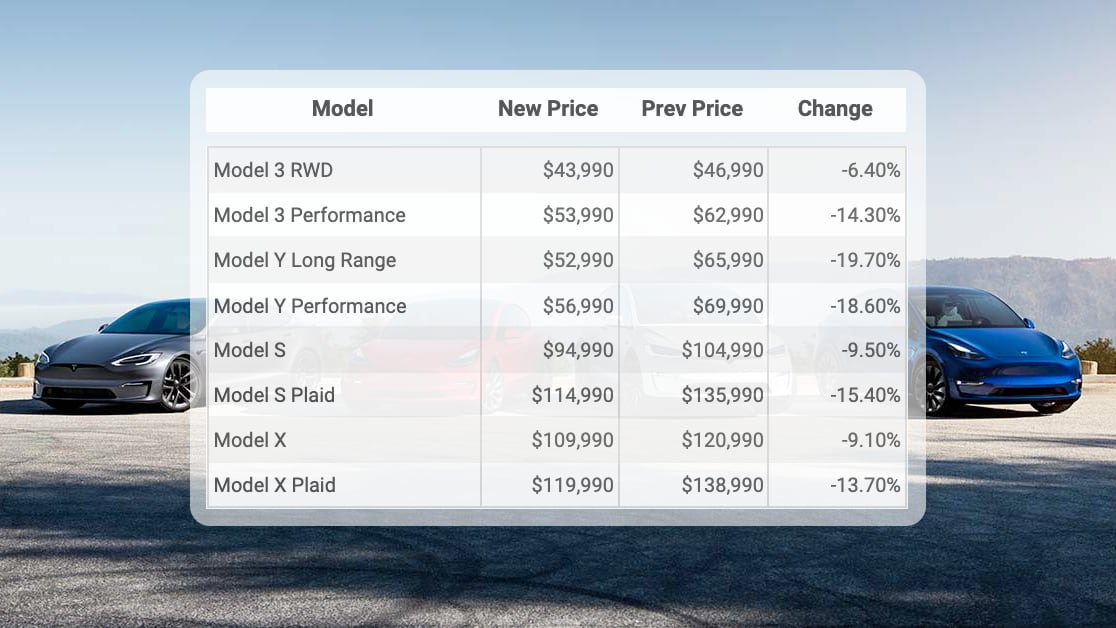
To provide a concrete reference, here’s an illustrative overview of Tesla’s model lineup and their general starting price ranges as of early 2024. Please note that Tesla’s pricing is highly dynamic and can change frequently based on market conditions, production costs, and incentives. Always check Tesla’s official website for the most current pricing and configuration options.
Tesla Model 3 (Sedan)
- Rear-Wheel Drive: Starting around $38,990 – $40,630
- Long Range: Starting around $47,740 – $48,630
- Performance: Starting around $53,740 – $54,630
Tesla Model Y (SUV)
- Long Range: Starting around $43,990 – $44,990
- Performance: Starting around $52,490 – $53,490
Tesla Model S (Luxury Sedan)
- Dual Motor All-Wheel Drive: Starting around $74,990 – $76,380
- Plaid: Starting around $89,990 – $91,380
Tesla Model X (Luxury SUV)
- Dual Motor All-Wheel Drive: Starting around $79,990 – $81,380
- Plaid: Starting around $94,990 – $96,380
Tesla Cybertruck (Truck)
- Rear-Wheel Drive: Estimated starting around $60,990 (expected 2025)
- All-Wheel Drive: Estimated starting around $79,990
- Cyberbeast: Estimated starting around $99,990
These figures are base prices and do not include potential destination fees, order fees, full self-driving, premium paint, wheel upgrades, or any applicable taxes, registration, or state/federal incentives. They are provided as a general guide to help frame your financial planning.
In conclusion, buying a new Tesla is a multifaceted financial decision. By meticulously analyzing the base price, accounting for upgrades, understanding the total cost of ownership, strategically navigating financing and incentives, and aligning the purchase with your overall financial goals, you can make a truly informed choice that maximizes value and financial prudence.
aViewFromTheCave is a participant in the Amazon Services LLC Associates Program, an affiliate advertising program designed to provide a means for sites to earn advertising fees by advertising and linking to Amazon.com. Amazon, the Amazon logo, AmazonSupply, and the AmazonSupply logo are trademarks of Amazon.com, Inc. or its affiliates. As an Amazon Associate we earn affiliate commissions from qualifying purchases.