
Tesla (TSLA) has arguably been one of the most talked-about and scrutinized stocks of the 21st century. More than just a car company, Tesla has evolved into a multifaceted entity encompassing electric vehicles, battery technology, solar energy, artificial intelligence, and robotics. Its stock performance has been nothing short of meteoric, punctuated by periods of extreme volatility, making the question of “how much are Tesla stocks worth?” a complex and ever-evolving one for investors, analysts, and market enthusiasts alike.
Determining the true “worth” of a stock like Tesla goes far beyond simply looking at its current market price. It involves a deep dive into financial fundamentals, an understanding of market sentiment, an assessment of future growth prospects, and an appreciation for the unique factors that influence its valuation. For a company that consistently defies conventional valuation models, understanding its stock’s worth requires a holistic perspective rooted firmly in the principles of investing and financial analysis. This article will dissect the layers of Tesla’s valuation, exploring the forces that drive its price and the various lenses through which its monetary value can be assessed.

Decoding Tesla’s Current Market Worth
At its core, the worth of a publicly traded stock is determined by the market. However, the market’s price is a dynamic reflection of countless underlying factors and expectations. For Tesla, this dynamic is particularly pronounced.
The Dynamics of Market Capitalization and Stock Price
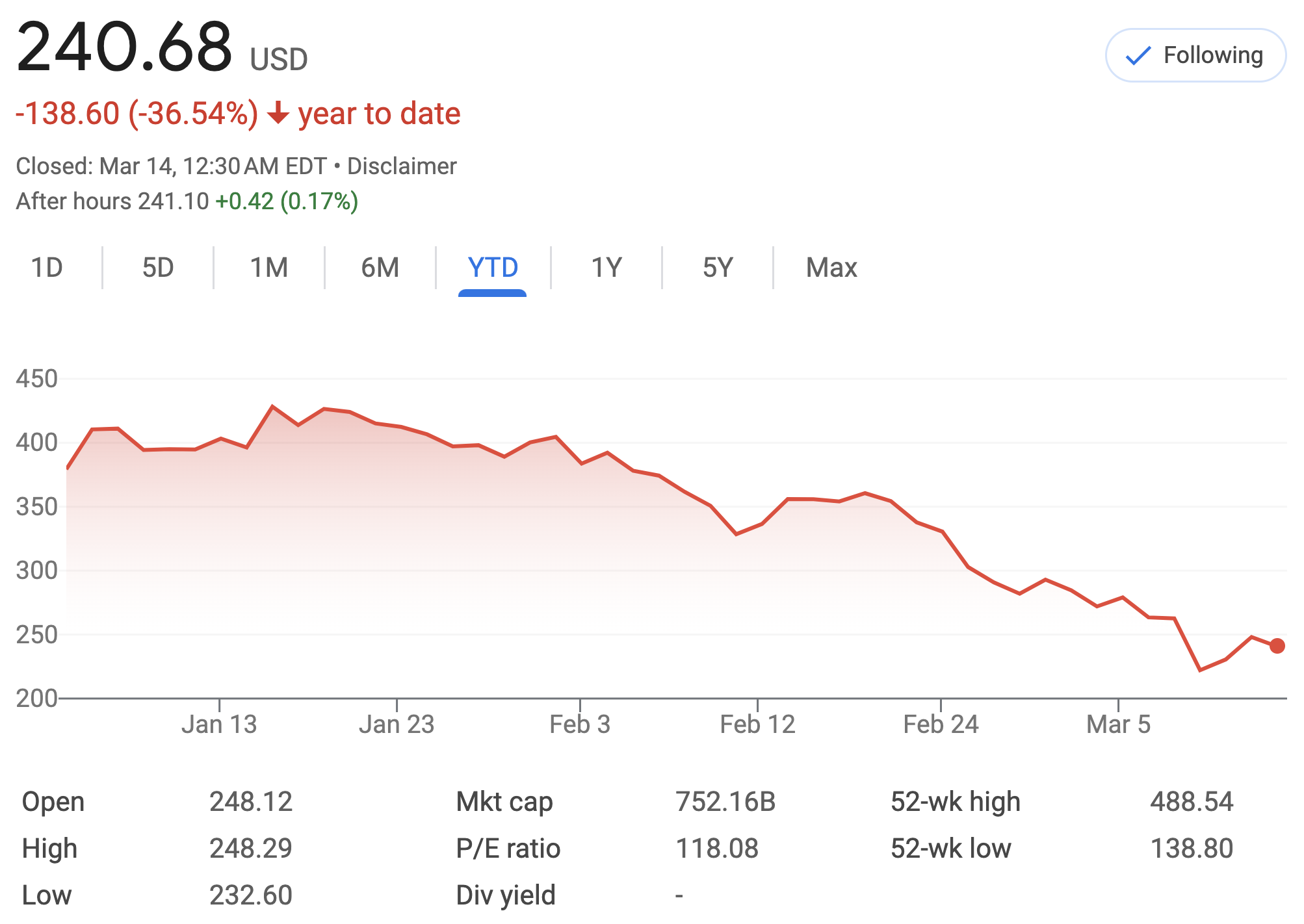
The most immediate answer to “how much are Tesla stocks worth?” on any given day is its stock price multiplied by the total number of outstanding shares. This figure is known as market capitalization, and it represents the total market value of the company. Tesla’s market capitalization has fluctuumed wildly, at times making it one of the most valuable companies globally, surpassing the combined market caps of numerous legacy automakers.
The stock price itself is a result of supply and demand on public exchanges. When more investors want to buy than sell, the price goes up; when more want to sell than buy, the price falls. For Tesla, this price action is influenced not just by quarterly earnings reports or new product launches, but by a continuous stream of news, analyst ratings, technological breakthroughs, competitive announcements, and even CEO Elon Musk’s pronouncements on social media. Understanding its current worth, therefore, begins with tracking its live stock price, but true insight demands a deeper look into the qualitative and quantitative drivers behind that price.
Understanding Valuation Metrics: P/E Ratios and Beyond
While market capitalization gives a snapshot of current value, investors often employ a range of financial metrics to determine if a stock is overvalued, undervalued, or fairly priced relative to its earnings, growth, and assets.
- Price-to-Earnings (P/E) Ratio: This widely used metric compares a company’s stock price to its earnings per share (EPS). A high P/E ratio, which Tesla has frequently exhibited, often suggests that investors anticipate significant future growth, or that the stock is highly speculative. For many years, Tesla’s P/E ratio was astronomical or even negative when it wasn’t consistently profitable, reflecting the market’s bet on its future potential rather than its present earnings. Even as profitability has stabilized, its P/E typically remains significantly higher than that of traditional automakers, underscoring its classification as a growth stock.
- Price-to-Sales (P/S) Ratio: Especially useful for high-growth companies that may not yet be consistently profitable, the P/S ratio compares market capitalization to total revenue. Tesla’s P/S ratio has also historically been elevated, indicating the market’s willingness to pay a premium for its revenue-generating capabilities and market share expansion.
- PEG Ratio (Price/Earnings-to-Growth): This metric refines the P/E ratio by factoring in the company’s earnings growth rate. A PEG ratio of 1 typically suggests a fair valuation. Companies like Tesla, with high growth expectations, can justify a higher P/E if their growth rate is equally impressive.
- Discounted Cash Flow (DCF) Analysis: A more complex intrinsic valuation method, DCF analysis projects a company’s future free cash flows and discounts them back to the present day to arrive at an estimated intrinsic value. This method is particularly challenging for a company like Tesla, where future cash flows are subject to significant uncertainty regarding technological adoption, competitive responses, and the scalability of new ventures. Analysts employing DCF often arrive at vastly different conclusions depending on their growth rate and discount rate assumptions.
These metrics, when viewed in isolation, provide limited insight. Their true power lies in comparison – comparing Tesla’s ratios to its historical averages, its industry peers, and the broader market, while always considering the company’s unique growth narrative.
The Multifaceted Drivers of Tesla’s Stock Value
Tesla’s valuation isn’t just about current numbers; it’s a forward-looking assessment heavily influenced by a blend of financial performance, technological innovation, market perception, and macroeconomic forces.
Financial Performance: Revenue, Profitability, and Free Cash Flow
While growth stocks often trade at a premium to their current earnings, sustained profitability and robust cash flow are ultimately essential for long-term value creation. Tesla’s journey from a perennial money-loser to a consistently profitable enterprise has been a critical factor in validating its valuation.
- Revenue Growth: Tesla’s ability to consistently increase vehicle deliveries, expand its energy business, and grow software-related revenues (like Full Self-Driving subscriptions) is a primary driver. Investors look for strong year-over-year revenue growth as evidence of expanding market share and increasing demand for its products and services.
- Profitability (Net Income and Operating Margins): Achieving consistent profitability, particularly in its automotive segment, has been a significant milestone. Investors scrutinize operating margins to assess the efficiency of its manufacturing processes and its pricing power. Improvements in these metrics directly impact EPS, a key component in the P/E ratio.
- Free Cash Flow (FCF): FCF represents the cash a company generates after accounting for cash outflows to support operations and maintain its capital assets. Positive and growing FCF is crucial for funding expansion, research and development, and potentially returning capital to shareholders. Tesla’s FCF has been volatile, given its heavy investments in new factories and technologies, but its ability to generate significant FCF has bolstered confidence in its financial health.
Growth Catalysts: Beyond Electric Vehicles
Tesla is often valued as more than just an automotive company. Its potential in several burgeoning sectors fuels much of its valuation.
- Battery Technology and Energy Storage: Tesla’s advancements in battery cell technology and its Megapack/Powerwall energy storage solutions represent massive growth opportunities independent of vehicle sales. The global transition to renewable energy heavily relies on efficient storage, placing Tesla at a critical juncture.
- Artificial Intelligence and Robotics: The development of Full Self-Driving (FSD) software and the Optimus humanoid robot position Tesla as a player in cutting-edge AI and robotics. If successful, these ventures could unlock entirely new revenue streams with potentially higher margins than car manufacturing.
- Supercharging Network and Services: The proprietary Supercharger network, alongside service and maintenance revenues, adds to Tesla’s ecosystem value and provides recurring income streams.
- Gigafactory Expansion: The rapid build-out of new Gigafactories globally signals ambitious plans for scaling production and entering new markets, which directly impacts future revenue and delivery potential.
Market Sentiment, Speculation, and Elon Musk’s Impact
Tesla’s stock is highly sensitive to market sentiment, often trading on narrative and future promise as much as current financial performance.
- Brand and Innovation Perception: Tesla benefits from a strong brand image as an innovator and disruptor. Positive news about new products, technological breakthroughs, or ambitious long-term goals can significantly boost investor confidence.
- Speculative Trading: Due to its high volatility and strong retail investor following, TSLA is often a target for speculative trading. Large short interest and subsequent short squeezes have historically contributed to extreme price swings.
- Elon Musk’s Influence: CEO Elon Musk’s personality, vision, and frequent public statements (often via social media) have an undeniable and often outsized impact on the stock. His optimistic projections, ambitious timelines, and controversial remarks can move the stock price significantly, creating both opportunity and risk for investors.
Macroeconomic Headwinds and Tailwinds
Like all companies, Tesla’s stock worth is also influenced by broader economic conditions.
- Interest Rates: Higher interest rates generally make future earnings less valuable (due to higher discount rates in DCF models) and can make borrowing more expensive, impacting growth companies like Tesla more acutely. They also make bonds more attractive, drawing money away from riskier growth stocks.
- Economic Growth: A strong economy generally correlates with higher consumer spending on discretionary items like new cars, benefiting Tesla. Conversely, economic slowdowns or recessions can dampen demand.
- Supply Chain Resilience: Global supply chain disruptions, particularly for semiconductors and raw materials, have impacted Tesla’s production and profitability, demonstrating its susceptibility to external factors.
- Government Policies and Subsidies: Policies supporting EV adoption, renewable energy, and domestic manufacturing can create significant tailwinds for Tesla, while regulatory hurdles or shifts in subsidies can pose challenges.
Evaluating Tesla Through Different Investment Lenses
Different types of investors approach Tesla’s valuation with distinct perspectives, leading to widely varying conclusions about its intrinsic worth and future potential.
Growth Investing vs. Value Investing Perspectives
- Growth Investors: These investors prioritize companies with above-average revenue and earnings growth, even if it means paying a premium for the stock. They are typically attracted to Tesla’s innovative products, market disruption potential, and expansion into new technologies. For growth investors, Tesla’s worth is largely tied to its ability to continue expanding into new markets and maintaining its technological lead. They focus on metrics like revenue growth, market share, and future addressable markets.
- Value Investors: In contrast, value investors seek companies whose intrinsic value is higher than their current market price, often looking for established companies with stable earnings, strong balance sheets, and attractive dividends, often characterized by lower P/E ratios. Many traditional value investors find Tesla’s valuation challenging due to its high P/E ratio, perceived speculative nature, and reliance on future projections. They might argue that the stock is overpriced relative to its current cash flows and traditional industry benchmarks.
The Bull Case: Future Potential and Technological Leadership
The bullish argument for Tesla’s worth centers on its disruptive potential and leadership in multiple transformative industries.
- Technological Moat: Bulls believe Tesla possesses a significant lead in EV battery technology, software integration (FSD), and manufacturing efficiency. This “moat” could allow it to maintain superior margins and market share.
- Total Addressable Market (TAM) Expansion: They see Tesla’s TAM extending far beyond just premium vehicles, encompassing mass-market EVs, energy solutions for homes and grids, autonomous ride-hailing networks, and even general-purpose AI through Optimus. Each of these represents a multi-trillion-dollar opportunity.
- Ecosystem and Brand Loyalty: The integrated ecosystem of vehicles, charging, software, and energy products creates strong customer loyalty and potential network effects, further cementing its competitive position.
- Scalability: Tesla’s factory-building prowess and vertical integration are seen as key advantages for scaling production globally and reducing costs.
The Bear Case: Valuation Concerns and Execution Risks
The bearish argument for Tesla’s worth often highlights perceived overvaluation and inherent risks.
- Extreme Valuation: Bears frequently point to Tesla’s P/E and P/S ratios being significantly higher than those of other automakers, even those with strong growth prospects. They argue that the current price already bakes in decades of flawless execution and immense growth, leaving little room for error.
- Intensifying Competition: While Tesla was an early mover, competition in the EV space is rapidly intensifying, with legacy automakers and new startups launching compelling electric vehicles. This could erode Tesla’s market share and pricing power.
- Execution Risk: The ambitious goals in AI, robotics, and energy come with substantial execution risks. Delays, cost overruns, or failure to deliver on promises (e.g., truly full self-driving capabilities) could severely impact investor confidence.
- Reliance on Elon Musk: While a strength for some, others see Tesla’s heavy reliance on its charismatic and often controversial CEO as a single point of failure and a source of unnecessary volatility.
- Regulatory and Geopolitical Risks: The automotive industry is highly regulated, and shifts in government policies, trade tensions, or geopolitical events could negatively impact Tesla’s global operations and sales.
Navigating the Volatility: Strategies for Prospective Investors
For those considering an investment in Tesla, understanding its worth is just the first step. Navigating its inherent volatility requires a disciplined approach to financial analysis and risk management.
Due Diligence and Fundamental Analysis
Any decision to invest in Tesla should be preceded by rigorous due diligence. This involves:
- Scrutinizing Financial Reports: Deeply analyzing quarterly and annual reports (10-K, 10-Q filings) to understand revenue trends, cost structures, profitability, cash flow generation, and balance sheet health.
- Monitoring Industry Trends: Staying abreast of developments in the EV market, battery technology, autonomous driving, and renewable energy sectors to assess Tesla’s competitive position and growth opportunities.
- Evaluating Management and Governance: Assessing the leadership team’s strategy, execution capabilities, and corporate governance practices.
- Understanding Risk Factors: Carefully reviewing the “Risk Factors” section in SEC filings, which outlines potential threats to the business.
Diversification and Risk Management
Given Tesla’s high volatility and the inherent risks associated with growth stocks, diversification is paramount.
- Portfolio Allocation: Tesla should likely constitute only a portion of a well-diversified investment portfolio, not the entirety of one’s holdings. This mitigates the impact of any single stock’s underperformance.
- Risk Tolerance: Investors should align their investment in Tesla with their personal risk tolerance. Those with lower risk tolerance may find the stock’s swings too uncomfortable.
- Position Sizing: Limiting the size of an individual position in a volatile stock like Tesla can help protect capital during significant downturns.
Long-Term Vision vs. Short-Term Speculation
Ultimately, an investor’s perspective on Tesla’s worth depends on their investment horizon.
- Long-Term Investors: These investors are typically focused on the company’s multi-year growth trajectory, its potential to dominate future markets, and its ability to execute on its ambitious vision. They are more likely to weather short-term fluctuations, focusing instead on the compounding effect of sustained innovation and market expansion. For them, Tesla’s worth is tied to its long-term disruption of multiple industries.
- Short-Term Speculators: Traders looking to profit from short-term price movements are driven by technical analysis, news cycles, and market sentiment. While potentially lucrative, this approach carries significantly higher risk and is less about intrinsic worth and more about market momentum.

Conclusion: The Evolving Narrative of Tesla’s Stock Worth
The question “how much are Tesla stocks worth?” doesn’t have a static, definitive answer. Its worth is a fluid concept, perpetually shaped by its financial performance, technological advancements, competitive landscape, macroeconomic forces, and the ever-present tug-of-war between bullish optimism and bearish skepticism. Tesla represents a convergence of disruptive technologies, an ambitious vision, and a charismatic leader, making it a compelling yet challenging asset to value.
For investors, understanding Tesla’s worth requires moving beyond the daily stock price and delving into its financial health, its ambitious growth drivers, and the significant risks and opportunities it faces. Whether one sees it as a monumental innovation powerhouse or an overvalued speculative bet, the consensus is that Tesla will continue to be a dominant force in market discussions for years to come. Ultimately, its true “worth” will be defined by its sustained ability to execute on its promises, maintain its competitive edge, and navigate the complex, rapidly evolving landscapes it seeks to transform. As with any investment, thorough research, a clear understanding of one’s financial goals, and a disciplined approach to risk management are paramount when considering a stake in the Tesla enigma.
aViewFromTheCave is a participant in the Amazon Services LLC Associates Program, an affiliate advertising program designed to provide a means for sites to earn advertising fees by advertising and linking to Amazon.com. Amazon, the Amazon logo, AmazonSupply, and the AmazonSupply logo are trademarks of Amazon.com, Inc. or its affiliates. As an Amazon Associate we earn affiliate commissions from qualifying purchases.