
Planning a trip to Japan is often viewed through the lens of cultural exploration and culinary adventure, but for the financially savvy traveler, it is primarily a complex exercise in resource allocation and market timing. As one of the most sought-after travel destinations in the world, the cost of airfare to Japan fluctuates based on a myriad of macroeconomic factors, seasonal demand, and purchasing strategies.
Understanding how much plane tickets to Japan cost requires more than a simple search on a booking engine; it requires a deep dive into the financial mechanics of the aviation industry and the strategic use of personal finance tools to minimize expenditure while maximizing value.
Understanding the Economics of Transpacific Flight Pricing
The price of a ticket to Tokyo or Osaka is rarely static. It is a product of dynamic pricing algorithms designed to maximize revenue per seat. To budget effectively, one must understand the underlying economic drivers that dictate these shifts.
Demand-Supply Dynamics and Seasonal Fluctuations
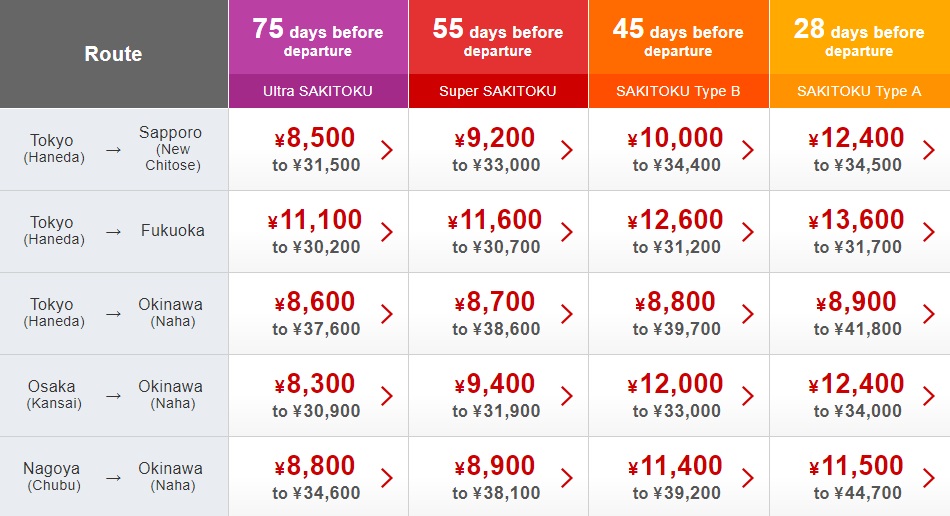
The most significant variable in the cost of a flight to Japan is the timing of the purchase relative to the travel date. Japan experiences distinct peak seasons where demand far outstrips supply, leading to exponential price increases. For instance, the “Sakura” (cherry blossom) season in late March and April, and the “Golden Week” holiday period in early May, represent the highest price points in the fiscal year. During these windows, economy class tickets from North America can surge from a baseline of $900 to well over $2,000.
Conversely, the “shoulder seasons”—typically late autumn (November) or the winter months (excluding the New Year period)—offer the best financial value. By targeting these periods, travelers can often secure fares that are 30% to 50% lower than peak season rates. From a personal finance perspective, timing the market is the single most effective way to reduce the “sunk cost” of transportation.
Fuel Surcharges and Macroeconomic Impact
Beyond simple demand, the “hidden” costs of a ticket are often tied to global oil prices and currency fluctuations. Airlines frequently apply fuel surcharges that can add several hundred dollars to the base fare. Furthermore, the strength of the Japanese Yen against the US Dollar or the Euro affects the total cost of the trip. While a weak Yen makes on-the-ground spending cheaper, it can occasionally lead to higher fuel surcharges or adjusted international pricing from carriers trying to hedge against currency volatility. Monitoring the USD/JPY exchange rate is a vital component of a comprehensive travel financial plan.
Strategic Budgeting: Real-World Cost Estimates for Different Cabin Classes
When calculating “how much” a ticket costs, a traveler must decide on the level of service required. In the world of business finance, this is essentially a cost-benefit analysis of time, comfort, and productivity.
Economy Class: The Baseline for Value Seekers
For the budget-conscious traveler, Economy Class remains the standard. Currently, a “good” price for a round-trip ticket from the US West Coast (LAX or SFO) to Tokyo (NRT or HND) ranges between $750 and $1,100. From the East Coast (JFK or ORD), prices typically range from $1,100 to $1,500 due to the increased fuel burn and flight duration.
To achieve the lower end of these ranges, financial discipline is required: booking at least three to six months in advance and utilizing “low-cost carriers” (LCCs) like Zipair. Zipair, a subsidiary of JAL, has disrupted the market by offering unbundled fares that can sometimes drop below $600 round-trip, though these require a strict accounting of add-on fees for luggage and meals.
Premium Economy and Business Class: Evaluating the ROI on Comfort
For corporate travelers or those with higher disposable income, Premium Economy and Business Class represent a significant step up in both cost and value. Premium Economy typically costs 1.5x to 2x the price of standard economy, offering more legroom and better service—often priced between $1,800 and $2,800.
Business Class is a different financial beast entirely. Retail prices for a round-trip Business Class seat to Japan often fluctuate between $4,000 and $8,000. From a wealth management perspective, paying retail for these seats is often inefficient. Instead, savvy travelers use these price points as a benchmark for “Points Arbitrage,” which involves using credit card rewards to book high-value seats at a fraction of the cash cost.
Leveraging Financial Tools and Technology for Cost Reduction
In the digital age, finding the cheapest flight is an analytical task that can be automated through various financial and data-driven tools.
Using Price Aggregators and Predictive Analytics
To optimize the timing of a purchase, travelers should utilize tools like Google Flights, Skyscanner, or Hopper. These platforms use historical data and predictive algorithms to advise whether to “buy now” or “wait.”
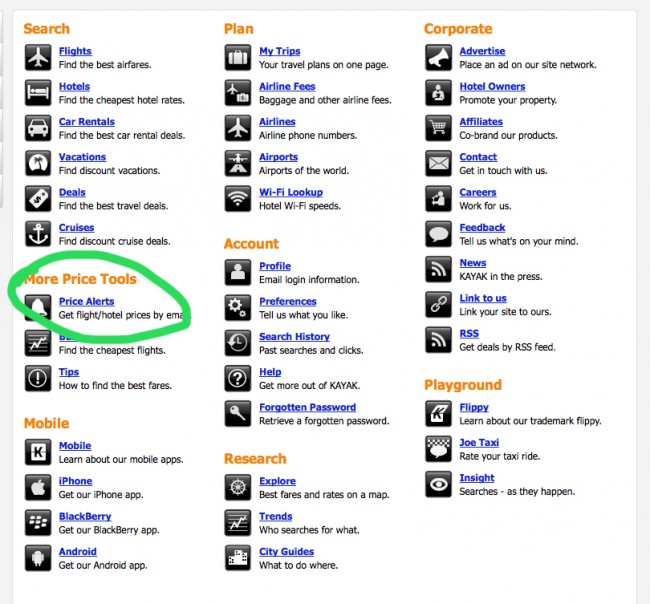
A professional approach to this involves setting “Price Alerts” for specific date ranges. By monitoring the volatility of a route over several weeks, a traveler can identify the “floor price”—the absolute lowest the airline is willing to go—before the price begins its inevitable ascent as the departure date nears. Treating airfare procurement like a limit order in stock trading can save hundreds of dollars.
Strategic Use of Travel Credit Cards and Points Arbitrage
The most sophisticated way to answer the question “how much is a ticket to Japan” is “zero dollars out of pocket.” This is achieved through strategic credit card churning and points optimization. Programs such as Chase Ultimate Rewards, American Express Membership Rewards, and airline-specific programs (like ANA Mileage Club or JAL Mileage Bank) offer immense value.
For example, a round-trip Business Class ticket on ANA can often be booked for 75,000 to 95,000 miles. If these miles are earned through a sign-up bonus on a card with a $95 annual fee, the “cost” of a $6,000 ticket is effectively the annual fee and the taxes/fees (roughly $400–$600). This represents a massive return on investment (ROI) and is a cornerstone of modern travel finance.
Hidden Costs and Financial Planning Beyond the Base Fare
The “sticker price” of a plane ticket is rarely the final cost. A disciplined financial plan must account for ancillary expenses that can inflate the total travel budget.
Managing Ancillary Fees and Baggage Costs
Many airlines, particularly on the transpacific route, have moved toward a “basic economy” model. This means the lowest advertised price may not include checked baggage, seat selection, or even in-flight meals. For a long-haul flight to Japan, these “hidden” costs can add $150 to $300 to the total. When comparing prices between a legacy carrier like United or Delta and a low-cost carrier, it is essential to calculate the “all-in cost.” A $1,000 ticket that includes bags and meals is often a better financial decision than an $850 ticket that charges for every amenity.
Currency Exchange Strategies and Transaction Fees
The financial journey doesn’t end when the ticket is booked. Travelers must consider how they will handle transactions once they land. Many travelers make the mistake of using airport kiosks for currency exchange, which often charge a 10%–15% spread.
A better financial move is to use a credit card with “No Foreign Transaction Fees” and a debit card (like Schwab or Fidelity) that refunds international ATM fees. By managing the “last mile” of the financial transaction, the traveler ensures that the savings found on the plane ticket aren’t immediately lost to banking fees and poor exchange rates upon arrival at Narita or Haneda.

Conclusion: Developing a Long-Term Travel Investment Strategy
Determining how much plane tickets to Japan cost is not a matter of finding a single number, but rather managing a range of variables. A standard Economy ticket will likely cost between $800 and $1,300 for most travelers. However, by applying financial principles—market timing, price transparency tools, and credit card arbitrage—that cost can be significantly mitigated.
Ultimately, travel to Japan should be viewed as a line item in a broader financial plan. By understanding the economics of the aviation industry and utilizing the right financial tools, you can ensure that your journey to the Land of the Rising Sun is both culturally enriching and fiscally responsible. Whether you are paying in cash or points, the goal remains the same: optimizing your capital to achieve the highest possible quality of experience.
aViewFromTheCave is a participant in the Amazon Services LLC Associates Program, an affiliate advertising program designed to provide a means for sites to earn advertising fees by advertising and linking to Amazon.com. Amazon, the Amazon logo, AmazonSupply, and the AmazonSupply logo are trademarks of Amazon.com, Inc. or its affiliates. As an Amazon Associate we earn affiliate commissions from qualifying purchases.