
For decades, a trip to the cinema was the gold standard of affordable entertainment. It was the quintessential “night out” that didn’t break the bank—a place where a handful of pocket change could buy a few hours of escapism. However, in the current economic climate, many consumers are walking up to the box office and experiencing a form of “sticker shock.”
Understanding how much movie tickets cost in today’s market is no longer a simple matter of looking at a marquee. It is a complex study in personal finance, market economics, and the “subscriptionification” of the entertainment industry. For the financially conscious consumer, navigating these costs requires an analytical approach to discretionary spending.
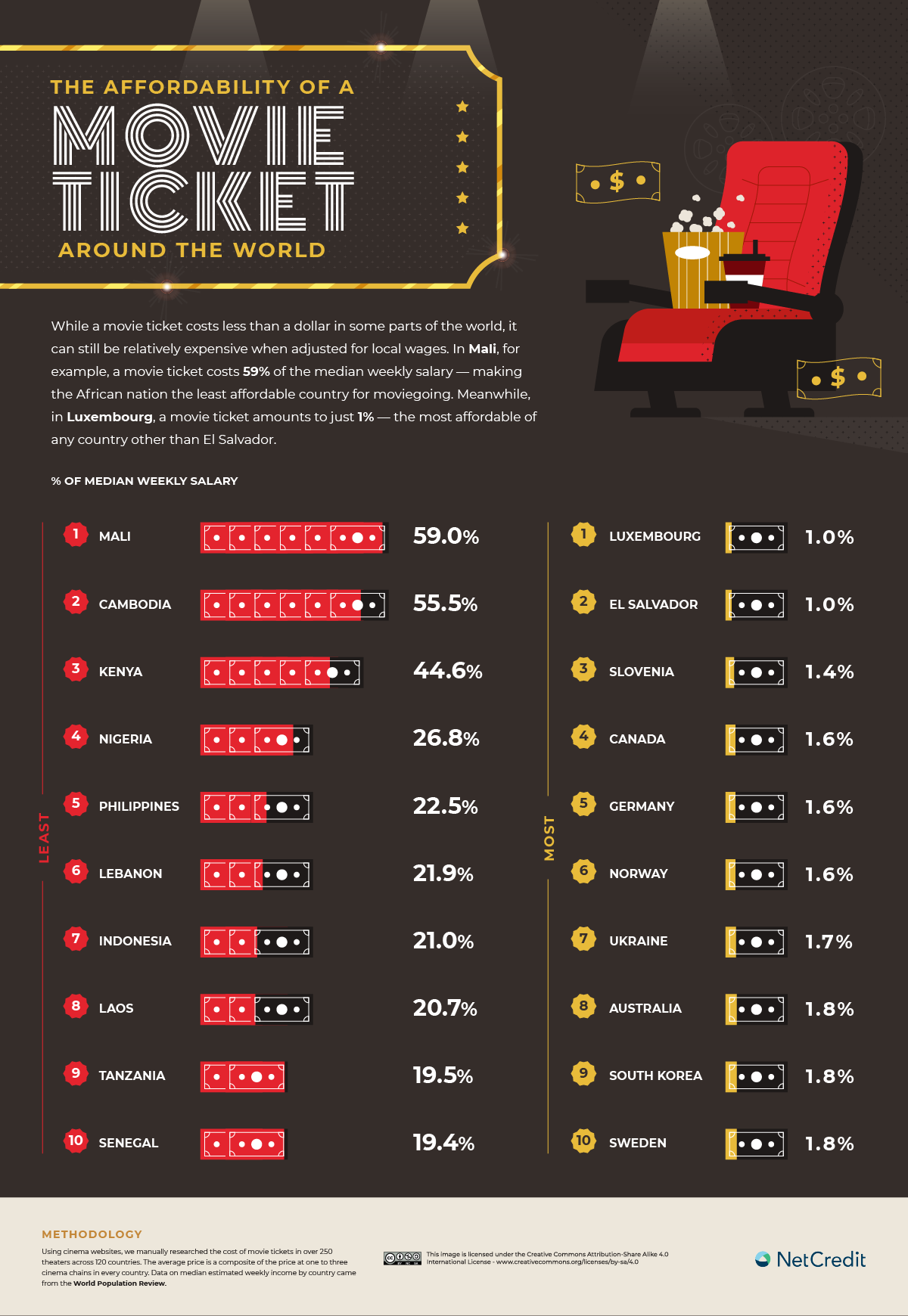
The Economics of the Multiplex: Why Prices Vary
When you ask, “How much are movie tickets?” the answer depends heavily on where you are and what kind of experience you are purchasing. From a financial perspective, movie theaters have moved away from flat-rate pricing toward a tiered, value-based model designed to maximize “per-patron” revenue.
Regional Pricing and Geographic Economics
The cost of a movie ticket is intrinsically linked to the cost of living in a specific geographic area. In major metropolitan hubs like New York City, Los Angeles, or London, a standard adult ticket can easily range from $18.00 to $25.00. Conversely, in smaller mid-western towns or rural areas, that same ticket might still cost between $10.00 and $12.00.
This discrepancy is driven by the overhead costs of the theater—namely commercial real estate taxes, utility costs, and local minimum wage laws. For a theater in Manhattan to maintain its profit margins, it must charge nearly double what a theater in a suburban strip mall might charge. As a consumer, your “entertainment inflation” is largely dictated by your zip code.
Premium Formats and the Upsell Strategy
The modern cinema industry has pivoted toward “Premium Large Format” (PLF) experiences to compete with high-quality home theater systems. This includes IMAX, Dolby Cinema, 4DX, and ScreenX. These formats carry a significant surcharge, often adding $5.00 to $10.00 to the base ticket price.
From an investment standpoint, the theater is charging you for the specialized hardware and licensing fees associated with these technologies. While a $28.00 IMAX ticket may seem steep, the industry justifies this through the “Value-for-Money” proposition: you are paying for an experience that cannot be replicated on a smartphone or a standard television. For the budget-conscious, identifying whether a film actually benefits from these formats is the first step in optimizing one’s entertainment budget.
Inflation and the Historical Value of Movie Tickets
To understand whether movie tickets are truly “expensive,” we must look at them through the lens of historical inflation and purchasing power. It is easy to reminisce about the days of $5.00 tickets, but when adjusted for inflation, the financial reality is more nuanced.
Comparing Today’s Prices to the Golden Age
In 1970, the average movie ticket price in the United States was approximately $1.55. When adjusted for inflation using the Consumer Price Index (CPI), that $1.55 is equivalent to roughly $12.00 in today’s currency. Given that the national average for a standard movie ticket currently hovers around $11.00 to $13.00, tickets are actually priced quite fairly relative to historical norms.
The perceived increase in cost often comes from the “extra” expenses. In the 1970s, there were no 3D surcharges, no luxury recliner seating upgrades, and no online booking fees. The base cost has remained relatively stable, but the “ceiling” for what one can spend has risen dramatically.
The “Popcorn Subsidy”: How Concessions Affect Ticket Costs
A critical piece of the financial puzzle is the relationship between the ticket price and the concession stand. Film studios typically take 50% to 70% of the ticket revenue, especially during the opening weeks of a blockbuster. This leaves the theater owner with very little margin to cover labor, rent, and equipment.
Consequently, the theater operates on a “loss-leader” model for tickets to drive traffic toward the high-margin concessions. Popcorn and soda have profit margins exceeding 800%. When a consumer complains about the price of a movie ticket, they are often conflating the ticket itself with the total “cost of attendance,” which includes a $9.00 bucket of corn. Understanding this business model allows a savvy consumer to separate their “entertainment cost” (the ticket) from their “luxury consumption” (the snacks).
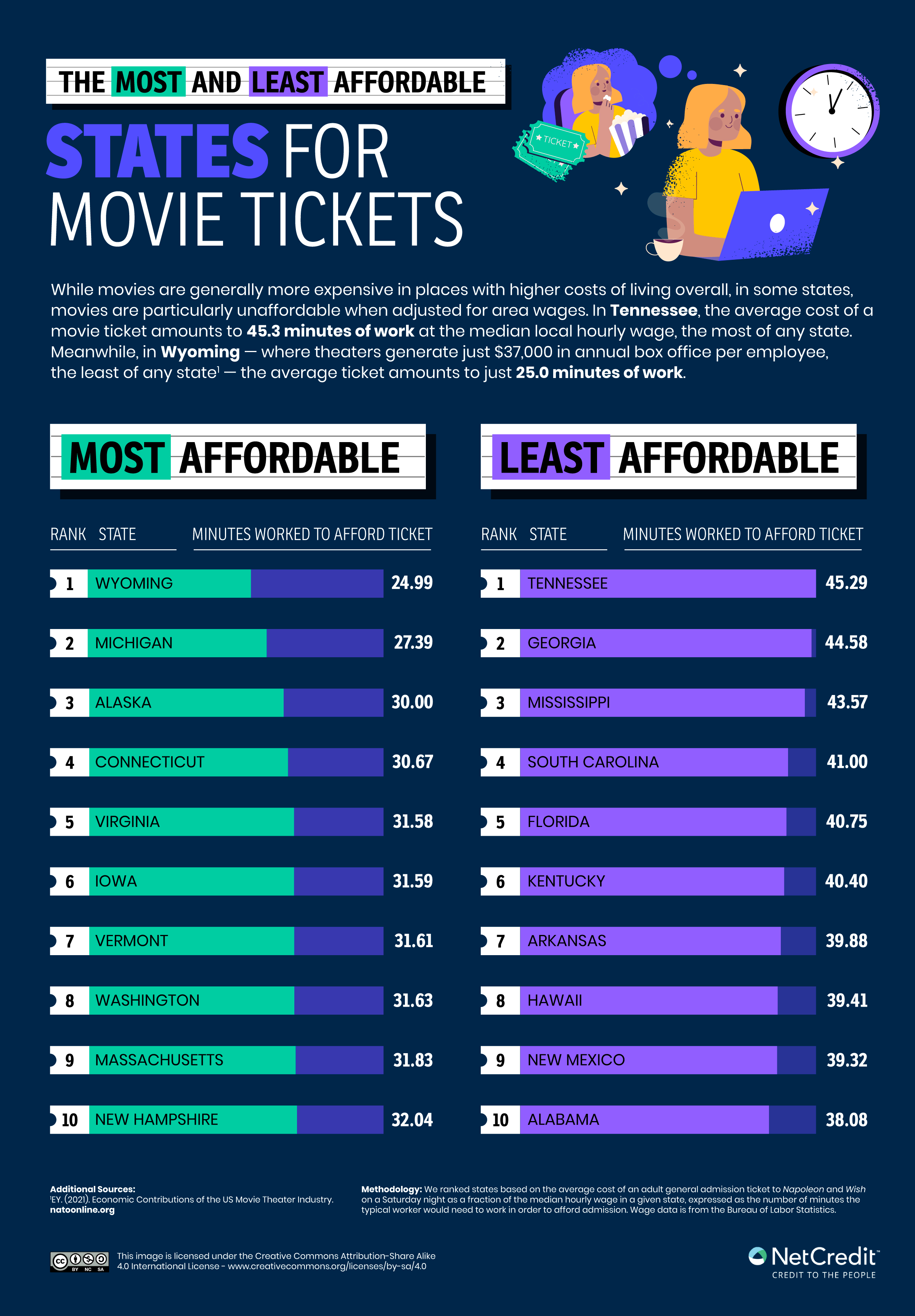
Strategic Spending: How to Lower Your Entertainment Overhead
In the age of the “Subscription Economy,” the way we pay for movies has shifted. For frequent moviegoers, the “a la carte” model of buying a single ticket is often the least cost-effective way to engage with the medium.
Subscription Models vs. A La Carte Buying
Major chains have introduced subscription services, such as AMC Stubs A-List, Regal Unlimited, and Cinemark Movie Club. These services generally cost between $10.00 and $25.00 per month.
From a personal finance perspective, these are “break-even” investments. If an AMC A-List subscription costs $22.00 a month and a single ticket in your area costs $15.00, you only need to see two movies a month to achieve a positive Return on Investment (ROI). For the cinephile, this caps the monthly entertainment spend, turning a variable expense into a fixed, predictable cost. However, for the occasional viewer, these subscriptions represent “leakage”—recurring monthly charges for a service that isn’t being utilized.
Leveraging Loyalty Programs and Credit Card Perks
Beyond subscriptions, there are several “hidden” financial levers to pull. Most theater chains offer “Discount Tuesdays,” where ticket prices are slashed by 30% to 50% for loyalty members. Additionally, many credit card rewards programs and warehouse clubs (like Costco or Sam’s Club) offer bundled gift cards at a 20% discount.
By prepaying for entertainment through discounted gift cards and scheduling visits for off-peak days, a consumer can effectively reduce their annual entertainment budget by hundreds of dollars without reducing their frequency of attendance.
The Future of Entertainment Budgeting: Dynamic Pricing
The most significant shift in the financial landscape of movie-going is the move toward “Dynamic Pricing”—a model already perfected by airlines and hotels.
The Airline Model Comes to Cinema
In recent years, chains like AMC have experimented with “Sightline” pricing, where seats in the middle of the theater (the premium viewing zone) cost more than seats in the front row. Furthermore, major “event” films—like The Batman or Avatar: The Way of Water—have occasionally seen a “blockbuster surcharge” during their opening weekends.
This introduces a new layer of financial planning for the consumer. It creates a “patience premium”: if you are willing to wait two weeks to see a film, or willing to sit in a less desirable seat, you pay less. As this model becomes more prevalent, the answer to “how much are movie tickets” will vary not just by theater, but by the specific seat and the specific hour of the day.
The Opportunity Cost: Cinema vs. Home Streaming
Finally, every financial decision involves opportunity cost. As streaming services like Netflix, Disney+, and Max increase their monthly rates, the financial gap between “staying in” and “going out” is narrowing.
If a family of four spends $70.00 on a single movie outing, they are spending the equivalent of four to five months of a high-tier streaming subscription. However, the “Money” niche perspective isn’t just about spending the least amount possible—it’s about the allocation of value. For many, the social and psychological value of the cinema experience justifies the higher price point compared to the “passive” consumption of streaming.

Conclusion: Mastering the Cost of the Credits
Movie ticket prices are no longer a static figure. They are a variable expense influenced by geography, technology, timing, and consumer behavior. By understanding the underlying economics—from inflation adjustments to subscription ROI—you can transform a trip to the movies from a financial burden into a well-managed part of your discretionary budget.
Whether you are leveraging loyalty points, opting for standard formats over IMAX, or utilizing a subscription to cap your spending, the goal remains the same: maximizing your entertainment value while maintaining a disciplined approach to your personal finances. The “price” of the ticket is what you pay; the “value” of the experience is what you negotiate through smart financial choices.
aViewFromTheCave is a participant in the Amazon Services LLC Associates Program, an affiliate advertising program designed to provide a means for sites to earn advertising fees by advertising and linking to Amazon.com. Amazon, the Amazon logo, AmazonSupply, and the AmazonSupply logo are trademarks of Amazon.com, Inc. or its affiliates. As an Amazon Associate we earn affiliate commissions from qualifying purchases.