
The question of how much a movie ticket costs in your immediate vicinity is no longer as simple as checking a plastic signboard at the local theater. In the modern economic landscape, cinema pricing has evolved into a complex ecosystem of dynamic rates, regional variances, and tiered experiences. For the budget-conscious consumer, understanding the financial architecture of the film industry is essential for maximizing entertainment value without compromising personal finance goals.
The Economics of the Modern Cinema Experience
To understand why a movie ticket “near you” might range from $8.00 to $28.00, one must first look at the underlying economic drivers of the exhibition industry. Theater chains operate on thin margins regarding the films themselves, especially during the first two weeks of a blockbuster’s release. Studios often take a significant percentage of ticket sales—sometimes as high as 60% to 70%—leaving the theater to cover overhead, labor, and utilities through a combination of ticket surcharges and high-margin concessions.
Variable Pricing Factors
Several variables dictate the price of your ticket before you even step foot in the lobby. The most prominent is the time of day. Matinee pricing remains one of the most effective personal finance “hacks” for moviegoers. Typically occurring before 4:00 PM or 5:00 PM, these screenings can offer a 30% to 50% discount compared to evening “prime time” rates. From a budgeting perspective, shifting your viewing habits to earlier hours is the most immediate way to reduce entertainment expenses.
Premium Formats and Their Cost-Benefit Analysis
The rise of PLF (Premium Large Format) screens such as IMAX, Dolby Cinema, and 4DX has fundamentally changed the pricing structure. These tickets often carry a premium of $5.00 to $12.00 over standard digital projection. When asking “how much are tickets,” you must decide if the sensory upgrade justifies the increased cost. For a visual spectacle or a sound-heavy blockbuster, the ROI (Return on Investment) in terms of experience may be high, but for a character-driven drama, the standard format is almost always the more fiscally responsible choice.
The Impact of Concession Pricing on Total Spend
While the ticket price is the entry fee, the true “cost of attendance” usually includes food and beverage. In the world of business finance, concessions are the primary profit center for theaters. Large popcorn and soda combos can often exceed the price of the ticket itself. For a family of four, a simple trip to the movies can quickly escalate from a $60 ticket expenditure to a $120 total outing. Budgeting for “the extras” is a crucial step in managing discretionary spending.
Regional Disparities and the Cost of Living
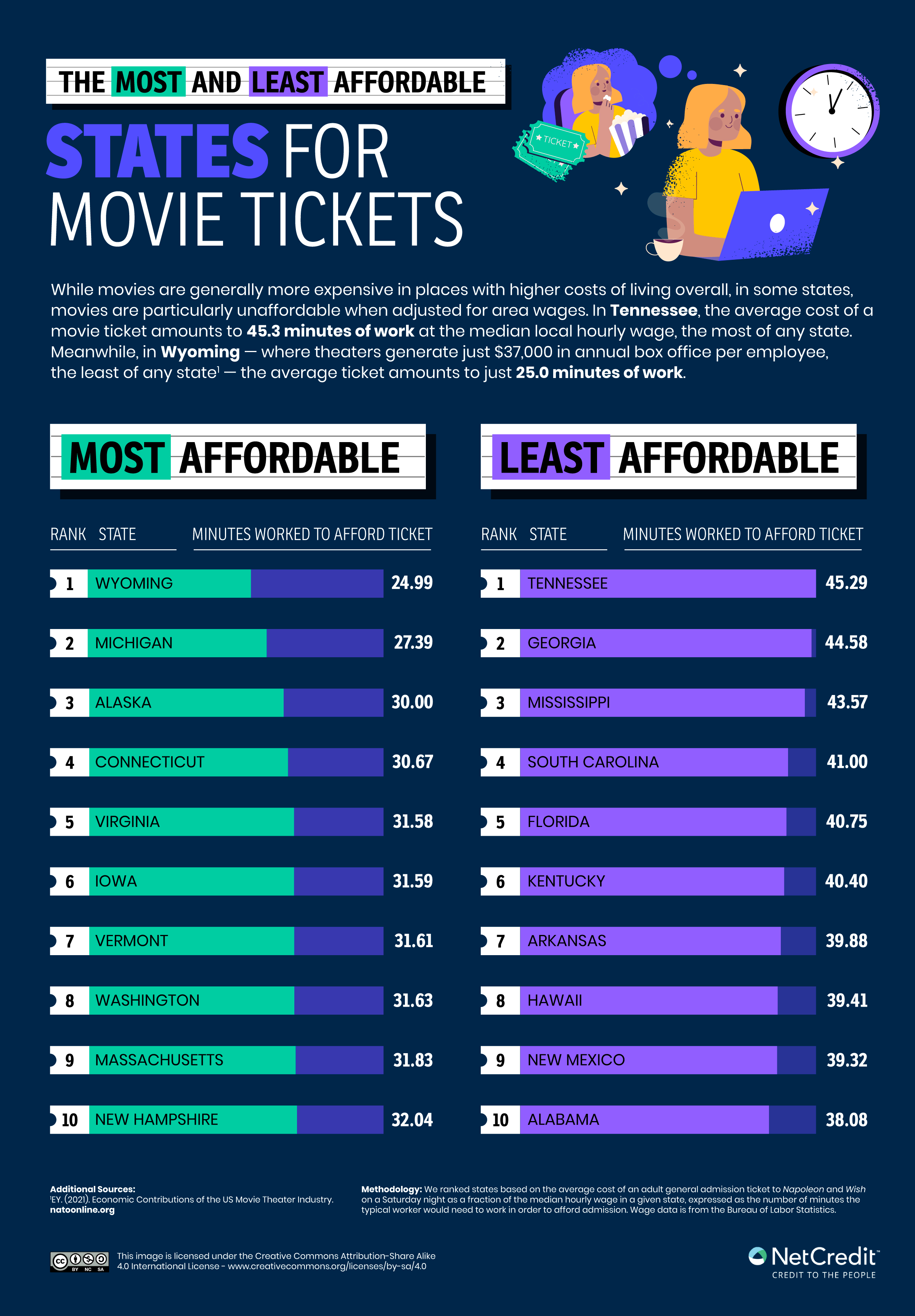
Geography is perhaps the strongest determinant of ticket pricing. If you are searching for ticket prices in a major metropolitan hub like New York City, San Francisco, or London, you are likely looking at a base price of $18.00 to $22.00 for a standard evening seat. Conversely, in smaller suburban or rural markets, that same seat might cost between $9.00 and $12.00.
High-Cost Living Areas vs. Middle Market Prices
The disparity is largely driven by real estate costs and local labor laws. Theaters in high-rent districts must pass those operational costs onto the consumer. Additionally, many urban theaters have moved toward “luxury” models, featuring reclining heated seats and in-theater dining, which inherently commands a higher price point. If you live in a high-cost area, traveling fifteen to twenty minutes to a neighboring town with a smaller, older theater can often yield significant savings.
The “Convenience Fee” Economy
In our digital-first world, most consumers purchase tickets via mobile apps or websites. While convenient, services like Fandango or Atom Tickets—and even the theaters’ own proprietary apps—often charge a “convenience fee” ranging from $1.50 to $2.50 per ticket. For a group purchase, these fees can add $10.00 to the total bill. Frequent moviegoers can circumvent these fees by joining loyalty programs or purchasing tickets directly at the physical box office, though the latter carries the risk of a sold-out show.
Financial Strategies: Subscriptions vs. Individual Tickets
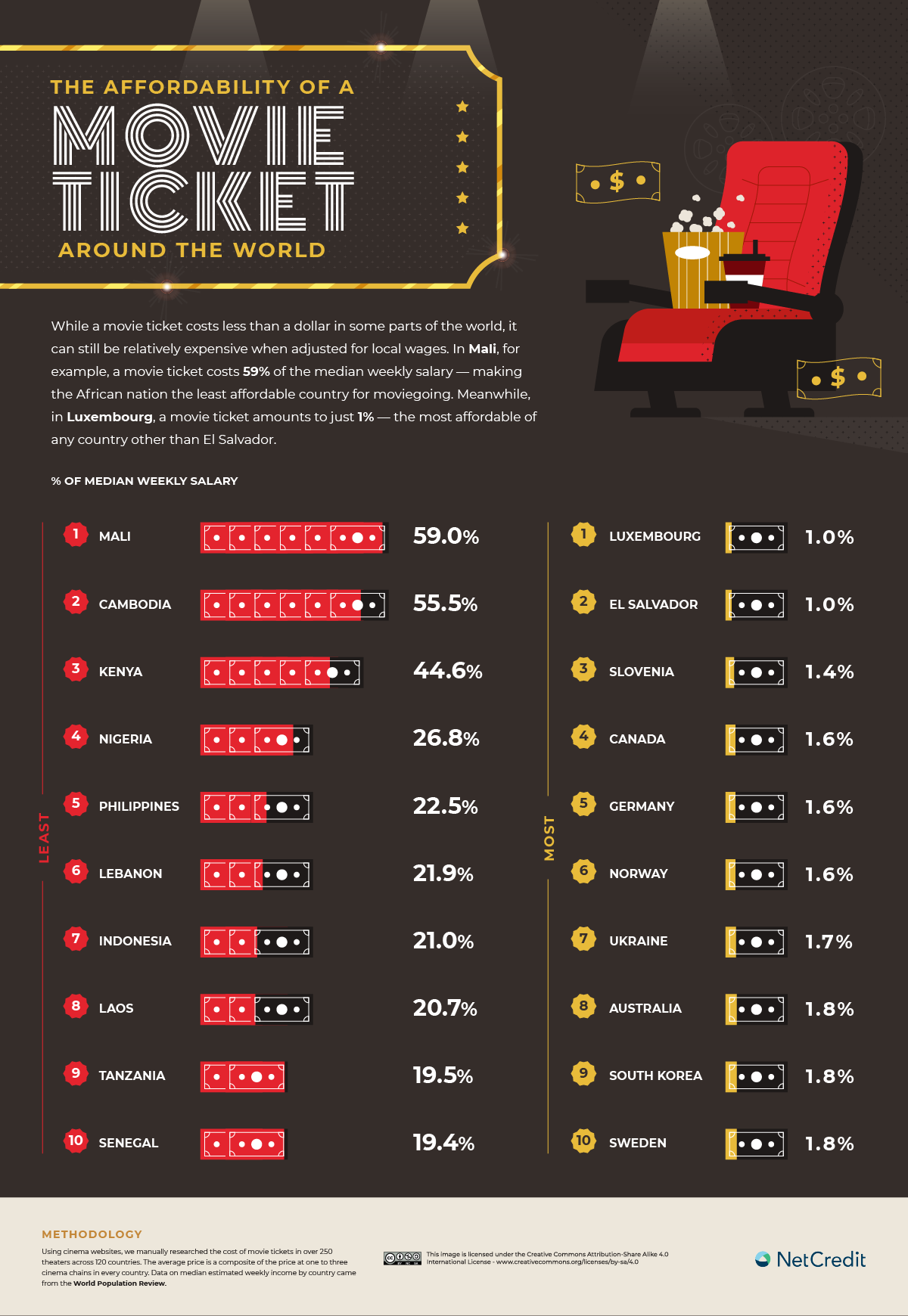
For those who visit the cinema more than once a month, the traditional “pay-per-view” model is often the least cost-effective method. The industry has shifted toward subscription-based models, which offer a predictable monthly expense and significant per-movie savings.
Evaluating the ROI of Subscription Services
Major chains have introduced tiered membership programs that have revolutionized how we budget for movies. For example:
- AMC Stubs A-List: For a monthly fee (varying by state), users can see up to three movies per week, including premium formats. For residents in expensive markets, this pays for itself in just 1.5 visits per month.
- Regal Unlimited: This allows for an unlimited number of movies for a set monthly price. For the “heavy user,” the cost per movie can drop to less than $2.00.
- Cinemark Movie Club: A more conservative approach, offering one ticket per month and discounts on concessions. This is ideal for the casual viewer who wants to ensure they get a “deal” without a high monthly commitment.
Comparing One-Off Purchases with Monthly Commitment
From a personal finance standpoint, subscriptions convert a variable expense into a fixed expense. However, the danger lies in the “unused subscription” trap. If you pay for a service but fail to go at least twice a month, you are essentially subsidizing the theater’s operations. Analyzing your historical viewing frequency over the last six months is the best way to determine if a subscription will actually save you money.
Optimizing Your Entertainment Budget
Beyond subscriptions and matinees, there are several tactical ways to lower the price of movie tickets near you. Leveraging these tools requires a small amount of planning but results in measurable financial retention.
The Value of Discount Tuesdays
Almost every major theater chain and many independent cinemas offer “Discount Tuesdays.” Prices are often slashed to a flat rate—sometimes as low as $5.00 or $7.00—regardless of the time of day. For a budget-conscious family or a student, this is the gold standard for moviegoing. It represents the lowest possible price point for new releases.
Using Credit Card Rewards and Third-Party Points
Many credit card companies categorize movie theaters under “entertainment,” offering 3% to 5% cash back. Furthermore, rewards programs like AARP, AAA, or warehouse clubs like Costco often sell bundles of movie tickets at a steep discount. Purchasing a 10-pack of “anytime” tickets from a warehouse club can bring the per-ticket price down significantly, allowing you to bypass the standard box office rate even on Friday nights.
Student, Senior, and Military Discounts
It is a simple strategy, but one that is often overlooked. Most theaters offer 10% to 20% discounts for students, seniors (usually 60+), and active or retired military personnel. Always ensure you have the proper identification available, as these savings are rarely applied automatically through digital checkout systems.
The Business Side: Why Prices Continue to Rise
To effectively manage your money, it helps to understand why the “price near you” might be trending upward. The cinema industry is currently navigating a post-pandemic recovery characterized by higher operational costs and a shift in consumer behavior.
Operational Costs and Inflation
Theaters are energy-intensive businesses. The cost of climate control for large auditoriums and the electricity required for high-powered digital projectors has risen alongside global energy prices. Furthermore, the push for higher minimum wages in many regions has increased the labor cost of theater operations. These macroeconomic factors are directly reflected in the annual 3% to 5% increase in average ticket prices.
The Shift Toward “Event” Cinema
As streaming services provide high-quality home entertainment, theaters have had to pivot toward being “destination” venues. This means investing in expensive upgrades like laser projection, Dolby Atmos sound systems, and gourmet dining options. These improvements are designed to justify a higher ticket price by offering an experience that cannot be replicated in a living room. As a consumer, you are no longer just paying for the content; you are paying for the infrastructure of the event.

Final Financial Considerations for the Cinema-Goer
When you search for “how much are movie tickets near me,” you are essentially looking for the current market value of a specific time-block of entertainment. By treating this as a financial decision rather than an impulsive one, you can enjoy the magic of the big screen without the “sticker shock” that often accompanies the modern box office.
Whether you choose to optimize through matinee timing, lean into the high-value ROI of a subscription service, or simply hunt for Discount Tuesday deals, the power lies in your ability to analyze the pricing structures available in your specific zip code. Entertainment is a vital part of a balanced lifestyle, and with the right strategy, it can remain an affordable luxury in any personal budget.
aViewFromTheCave is a participant in the Amazon Services LLC Associates Program, an affiliate advertising program designed to provide a means for sites to earn advertising fees by advertising and linking to Amazon.com. Amazon, the Amazon logo, AmazonSupply, and the AmazonSupply logo are trademarks of Amazon.com, Inc. or its affiliates. As an Amazon Associate we earn affiliate commissions from qualifying purchases.