
The modern cinematic experience has evolved from a simple weekend pastime into a complex financial landscape. For the average consumer, understanding how much movie tickets cost at AMC—the world’s largest theater chain—requires more than just looking at a marquee. It involves navigating a sophisticated web of dynamic pricing, premium format surcharges, and subscription-based models. From a personal finance perspective, a trip to the movies is no longer a fixed expense but a variable one that can be optimized through strategic planning and an understanding of the theater’s business model.

This guide analyzes the fiscal structure of AMC Theatres, exploring the variables that dictate ticket prices and offering a comprehensive breakdown of how consumers can maximize their entertainment budget.
1. Decoding the Cost Structure of AMC Tickets
The price of an AMC ticket is rarely a static figure. It is influenced by a multitude of economic factors including geographic location, time of day, and the technological specifications of the auditorium.
Geographic Variances and Real Estate Influence
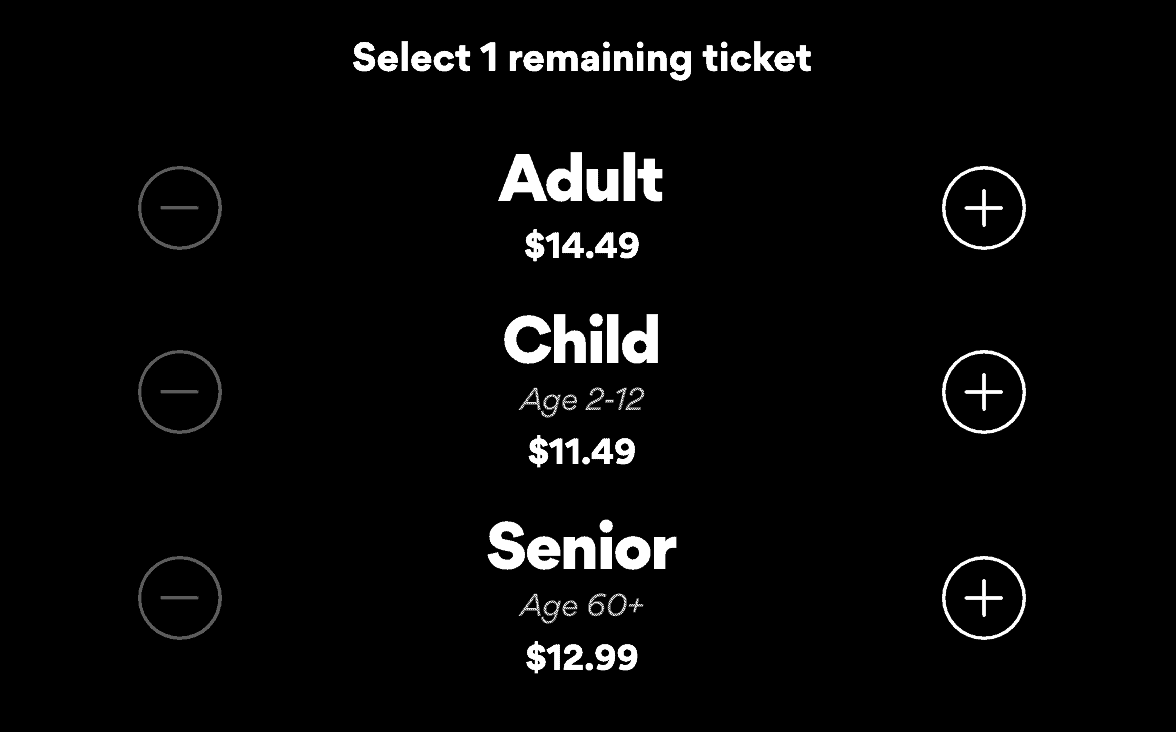
The most significant driver of AMC ticket prices is the zip code. In high-cost-of-living urban centers like New York City or Los Angeles, a standard adult ticket can range from $18 to $22. Conversely, in smaller Midwestern markets, the same ticket might cost between $11 and $14. This discrepancy is a direct result of the theater’s operational overhead, including commercial real estate leases, local labor costs, and property taxes. For the budget-conscious consumer, traveling to a theater just outside a major metropolitan area can often result in a 20% reduction in ticket costs.
Standard vs. Premium Formats (IMAX, Dolby, and Prime)
AMC has aggressively pivoted toward “Premium Large Formats” (PLF) to differentiate the theatrical experience from home streaming. However, these formats come with a significant price premium.
- IMAX and Dolby Cinema: These tickets generally command a $5 to $10 surcharge over standard digital screenings.
- AMC Prime and RealD 3D: These mid-tier premiums typically add $3 to $5 to the base price.
From a value-analysis standpoint, the consumer must weigh the “utility per dollar.” For a visual spectacle like an interplanetary epic, the $25 Dolby Cinema ticket may offer higher perceived value than a $15 standard ticket for a dialogue-heavy drama.
Matinee vs. Peak-Hour Pricing
AMC utilizes a traditional “matinee” discount system, typically defined as screenings before 4:00 PM. During these windows, tickets are often discounted by 25% to 30%. In recent years, AMC has also experimented with “sightline pricing,” where seats in the front row are cheaper than those in the center “sweet spot.” While this was met with mixed reviews, it highlights the company’s move toward a dynamic pricing model similar to airlines or hotels, where demand dictates the final cost.
2. The Subscription Economy: Analyzing AMC Stubs A-List
In response to changing consumer habits, AMC introduced the Stubs A-List program. This represented a fundamental shift from a transactional business model to a recurring revenue model. For a fixed monthly fee—typically ranging from $19.95 to $24.95 depending on the state—members can see up to three movies per week.
The Break-Even Point for Consumers
For anyone looking to optimize their personal finance, the A-List program offers a clear mathematical advantage. If the average ticket price in your region is $15, seeing just two movies a month ($30 value) already exceeds the cost of the subscription ($20-$25). For “power users” who attend weekly, the per-movie cost drops to less than $2.00. This subscription effectively hedges against the rising costs of premium formats, as IMAX and Dolby Cinema are included in the A-List monthly fee without additional surcharges.
Impact on Cash Flow and Predictable Revenue
From a business finance perspective, A-List is a masterclass in securing predictable cash flow. By locking consumers into a monthly billing cycle, AMC ensures a baseline of revenue regardless of whether a blockbuster is playing. Furthermore, data shows that A-List members are more likely to visit the concession stand, where the theater’s highest profit margins reside. For the consumer, this requires a disciplined approach to “incidental spending” to ensure that the ticket savings aren’t lost to high-margin snacks.
Comparison with One-Off Purchases
The alternative to A-List is the “Stubs Premiere” tier, which costs $15 per year. This tier does not provide free tickets but waives online convenience fees (usually $1.50–$2.50 per ticket) and provides accelerated points for rewards. For the infrequent moviegoer who visits fewer than six times a year, the Premiere tier is often the more fiscally responsible choice compared to the monthly commitment of A-List.
3. Revenue Streams Beyond the Box Office: The Concessions Markup
To understand the “true cost” of an AMC visit, one must look past the ticket to the concession stand. It is a well-known industry secret that movie theaters are essentially snack bars that happen to show movies. The box office revenue is largely shared with film distributors (studios often take 50–60% of ticket sales), leaving the theater with slim margins on the tickets themselves.
The Popcorn Margin: Why Snacks are a High-Margin Asset
The markup on cinema concessions is among the highest in the retail world. A large popcorn that costs the consumer $9.00 may have a raw ingredient cost of less than $0.50. This 80% to 90% profit margin is what keeps the lights on and the projectors running. When budgeting for a movie, the “total cost of attendance” often doubles if food and beverage are included.
Convenience Fees and Digital Transaction Costs
In the digital age, the price of a ticket is often inflated by “convenience fees” applied during online checkout. These fees typically range from $1.50 to $2.50 per ticket. While they seem nominal, for a family of four, this adds $10 to the total bill. AMC uses these fees as a lever to push consumers toward their loyalty programs; Stubs Insider (free) offers fee waivers for four or more tickets, while Premiere and A-List waive them entirely.
Corporate Partnerships and Screen Advertising
AMC also generates significant business-to-business revenue through “Noovie” pre-show advertisements and corporate partnerships (such as their exclusive deal with Coca-Cola). While this doesn’t directly charge the consumer, it affects the “time cost” of the experience. Consumers essentially “pay” with 20 minutes of their time before the trailers even begin, which is a factor in the overall value proposition of the theatrical experience.
4. Strategic Budgeting for the Modern Cinephile
For those looking to enjoy the silver screen without compromising their financial goals, there are several institutionalized discount methods available within the AMC ecosystem.
Leveraging Discount Tuesdays
One of the most effective ways to reduce entertainment expenses is to utilize “AMC Discount Tuesdays.” For members of the (free) Stubs Insider program, ticket prices are significantly lowered—often to as low as $5 to $7, depending on the market. This represents a nearly 60% discount off peak weekend prices. From a wealth-building perspective, shifting one’s entertainment schedule to mid-week can save an individual hundreds of dollars annually.
Institutional Discounts: AAA, Military, and Seniors
AMC provides various “hidden” discounts that aren’t always front-and-center on the mobile app.
- Senior and Student Discounts: Usually available for those with valid IDs, typically offering $2 to $3 off.
- Military Discounts: AMC offers special pricing for active-duty and retired military personnel.
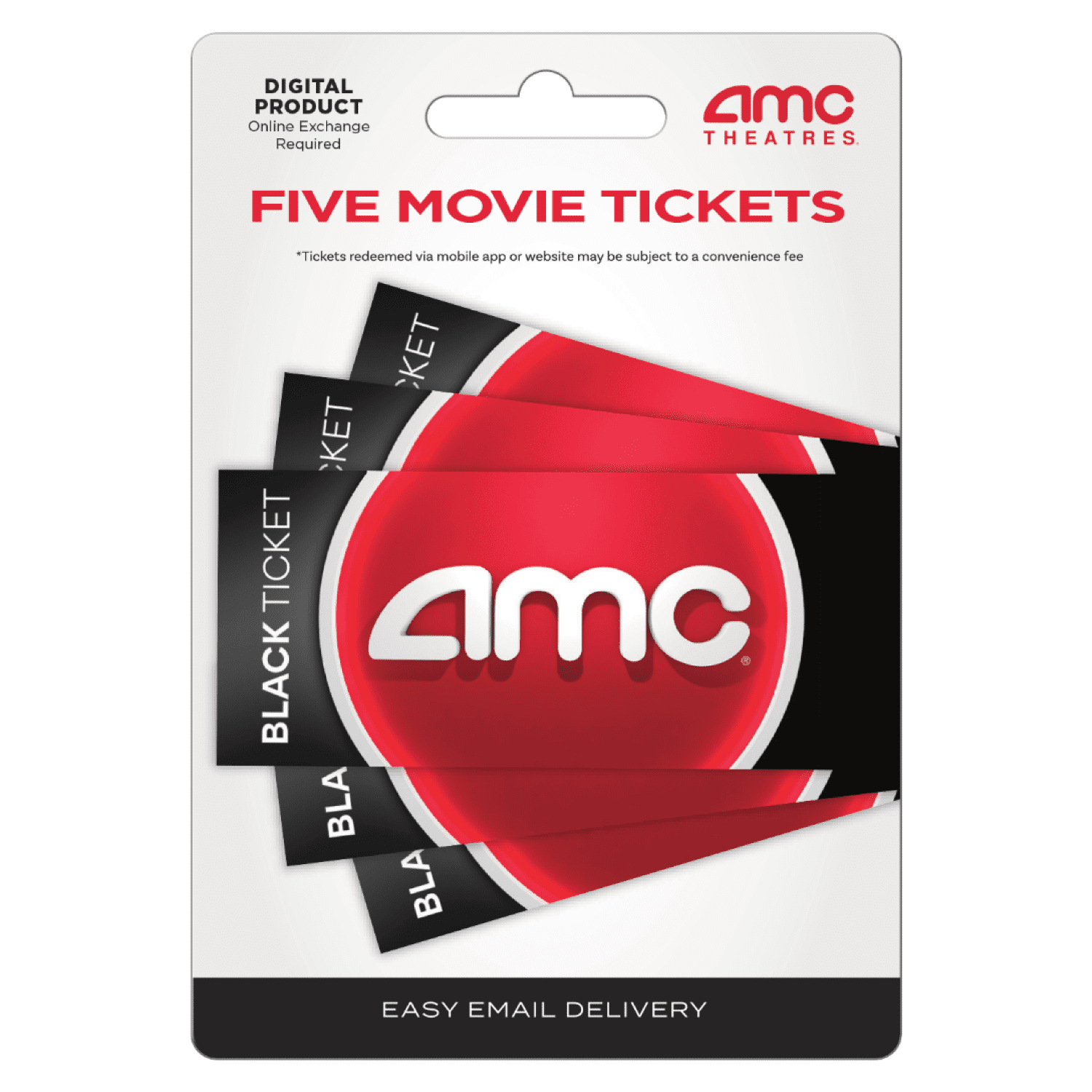
- Third-Party Portals: Organizations like AAA or warehouse clubs like Costco often sell “Yellow” or “Black” AMC tickets in bulk at a steep discount, which can be redeemed for any standard screening.
Utilizing Gift Card Arbitrage and Cashback Apps
A sophisticated way to lower ticket costs is through “gift card arbitrage.” During the holiday season or through wholesale retailers, AMC gift cards can often be purchased at a 10% to 20% discount (e.g., a $50 gift card for $40). When combined with cashback credit cards or apps like Rakuten, the effective cost of an AMC ticket can be reduced significantly below the retail asking price.
5. The Macroeconomics of the Movie Industry
The price of an AMC ticket is a microcosm of larger economic trends, including inflation, the rise of the “experience economy,” and the competitive pressure from Silicon Valley.
Inflation and the Rising Cost of Entertainment
Like all consumer goods, movie tickets are subject to inflationary pressure. As the costs of electricity, labor, and projection technology rise, AMC must adjust its pricing to maintain its EBITDA (Earnings Before Interest, Taxes, Depreciation, and Amortization) margins. However, movie tickets have historically remained a “low-cost luxury,” meaning that even in recessionary environments, people still turn to cinema as a relatively affordable escape compared to concerts or sporting events.
Streaming vs. Theatrical: The Opportunity Cost
The “Money” aspect of a movie ticket also involves the opportunity cost of not staying home. With streaming services like Netflix or Max costing $15–$20 per month for an entire household, a single $20 AMC ticket is a premium spend. AMC’s strategy to counter this is “eventization”—making the theater visit an “event” through high-end seating, premium sound, and exclusive merchandise (like limited-edition popcorn buckets), which justifies the higher price point in the mind of the consumer.
Future Outlook: Dynamic Pricing and AI Integration
Looking ahead, the financial model of AMC is likely to become even more data-driven. We can expect to see more “dynamic pricing” models, where ticket costs fluctuate based on real-time demand, much like Uber’s surge pricing. Artificial Intelligence will likely be used to offer personalized discounts to loyalty members during low-occupancy hours, ensuring that theaters maximize their “revenue per seat” (RPS).
In conclusion, while the base price of a movie ticket at AMC may seem straightforward, it is actually the starting point of a complex financial ecosystem. By understanding the variables of premium formats, leveraging subscription models like A-List, and strategically timing visits to coincide with Discount Tuesdays, consumers can enjoy the premium cinematic experience while maintaining a disciplined and optimized personal budget. Cinema remains a vital part of the cultural economy, and with a bit of financial literacy, it can remain an affordable one as well.
aViewFromTheCave is a participant in the Amazon Services LLC Associates Program, an affiliate advertising program designed to provide a means for sites to earn advertising fees by advertising and linking to Amazon.com. Amazon, the Amazon logo, AmazonSupply, and the AmazonSupply logo are trademarks of Amazon.com, Inc. or its affiliates. As an Amazon Associate we earn affiliate commissions from qualifying purchases.