
In the global marketplace of athleisure, few questions spark as much debate among consumers and market analysts as the pricing of Lululemon shorts. To the uninitiated, a price tag ranging from $68 to $98 for a pair of athletic shorts might seem exorbitant. However, from a brand strategy perspective, these price points are not arbitrary figures calculated to maximize immediate profit; they are the result of a meticulously engineered brand architecture designed to signal quality, exclusivity, and a specific lifestyle identity. To understand how much Lululemon shorts truly “cost,” one must look beyond the currency and into the brand equity that justifies a premium of 300% to 500% over mass-market competitors.
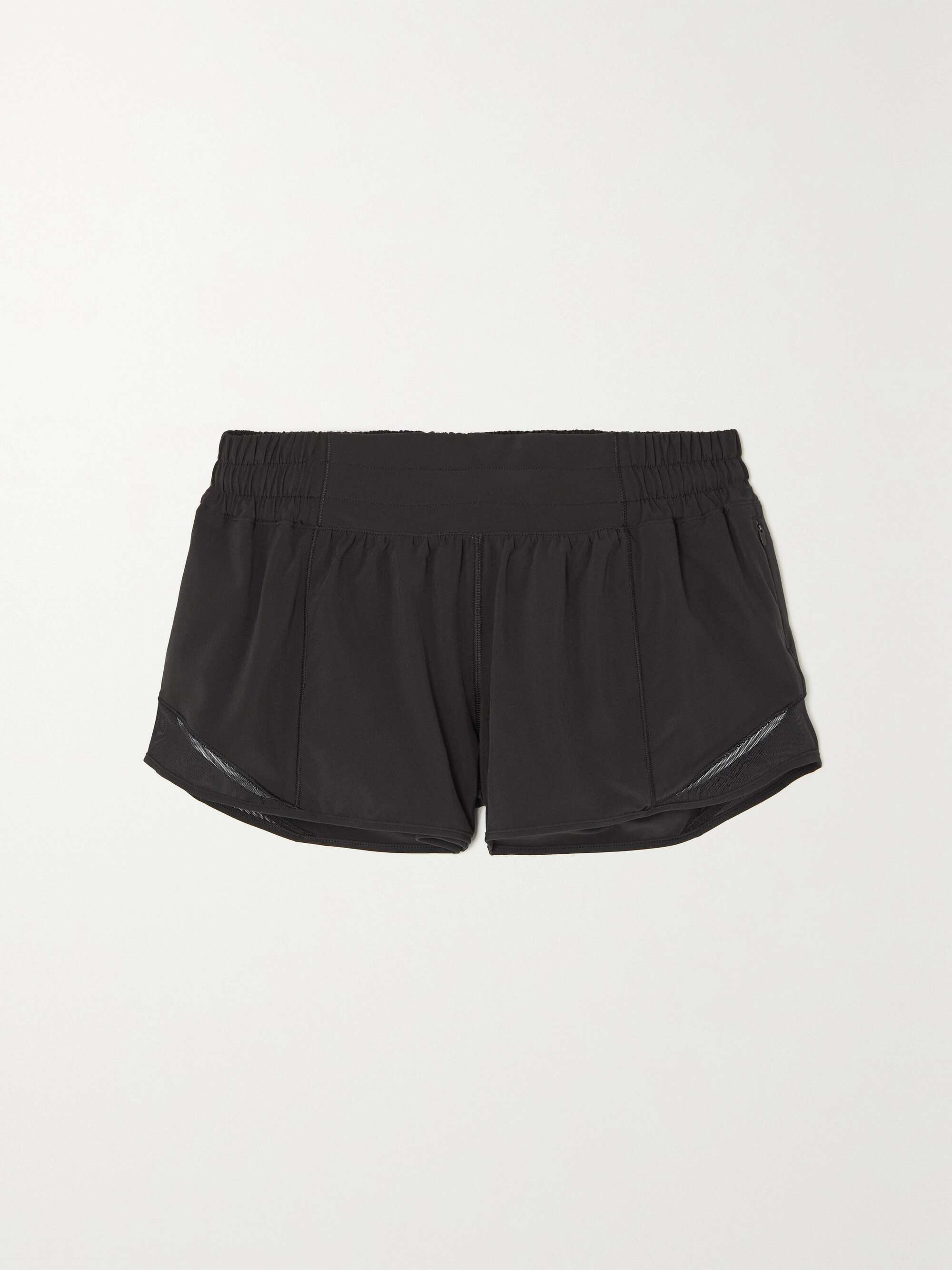
The Lululemon Pricing Architecture: More Than Just Fabric
The cornerstone of the Lululemon brand strategy is its refusal to compete on price. While brands like Nike, Adidas, and Under Armour frequently engage in retail wars and heavy discounting to capture market share, Lululemon has maintained a “full-price” culture. This approach creates a psychological price floor in the consumer’s mind. When a consumer asks how much Lululemon shorts are, the answer—consistently high—serves as a primary brand differentiator.
The Psychology of the $68-$98 Price Point
Lululemon’s shorts, specifically the popular Align, Hotty Hot, and Pace Breaker lines, are positioned within what luxury marketers call the “accessible premium” tier. By pricing shorts significantly higher than a $25 pair from a big-box retailer but lower than $300 high-fashion designer shorts, the brand occupies a sweet spot. This pricing strategy leverages the “Veblen effect,” where the high price of a product actually increases its desirability because it serves as a status symbol. For the Lululemon guest, the cost of the shorts is an entry fee into an aspirational community focused on wellness and high performance.
Quality Perception and the Scarcity Model
A critical component of Lululemon’s pricing strategy is its control over inventory. Unlike competitors who flood the market with seasonal excess, Lululemon often employs a scarcity model. Certain colors and limited-edition cuts are produced in smaller batches, creating a “buy it now or miss out” mentality. This scarcity supports the high price point because it eliminates the consumer’s incentive to wait for a clearance sale. Furthermore, by maintaining high prices, the brand reinforces the perception of superior quality. The narrative is simple: if the product is this expensive and rarely on sale, the materials and engineering must be fundamentally better than those of the competition.
Building the “Lulu” Identity: Brand Equity as a Value Driver
The price of Lululemon shorts is fundamentally tied to the brand’s ability to sell an identity rather than a garment. Over the last two decades, the company has successfully transitioned from a yoga-wear manufacturer to a global lifestyle powerhouse. This transition was fueled by a unique brand strategy that prioritizes community engagement over traditional advertising.
The Community-Centric Marketing Approach
Lululemon famously spends very little on traditional television or print advertising compared to its peers. Instead, the brand invests in its “Ambassador” program. By partnering with local yoga instructors, elite athletes, and fitness influencers, Lululemon creates a grassroots network of brand advocates. When a consumer pays $88 for a pair of Pace Breaker shorts, they are not just paying for the fabric; they are paying for the association with the fitness professional they admire. This peer-to-peer marketing strategy builds an emotional connection that traditional advertising cannot replicate, allowing the brand to command a price premium that is insulated from market fluctuations.

Vertical Integration and Retail Control
Another reason why Lululemon can maintain its high price points is its vertical integration. The brand sells primarily through its own stores and website, bypassing the traditional wholesale model. This allows Lululemon to control the entire brand experience—from the scent of the retail space to the specific training of the “Educators” (the brand’s term for sales associates). This level of control ensures that the premium price is always accompanied by a premium service experience. When a customer walks into a Lululemon store, the environment validates the price on the tag. The “Guest” is treated as part of an elite club, which justifies the financial investment in the product.
Comparative Analysis: Why Consumers Pay the Premium
To truly understand the value of Lululemon shorts, one must analyze them against the broader market. In a world of fast fashion and rapid commoditization, Lululemon has managed to build a “moat” around its products through technical innovation and lifestyle branding.
Brand Loyalty vs. Generic Competitors
In recent years, “dupes” or generic alternatives have flooded platforms like Amazon and TikTok, offering similar-looking shorts at a fraction of the price. Despite this, Lululemon’s revenue continues to climb. This is because the brand has successfully patented its fabric technologies, such as Nulu, Luxtreme, and Everlux. These are not just names; they are branded intellectual properties. A consumer might find a pair of shorts that looks like the Align short, but it will not have the specific “buttery soft” feel of Nulu fabric that has been marketed as a proprietary innovation. The brand has convinced the market that its technology is proprietary and irreplaceable, making the $68+ price tag seem like a fair trade for “best-in-class” performance.
The Resale Market and Value Retention
An often-overlooked aspect of Lululemon’s pricing is the product’s resale value. Because the brand rarely discounts its core products and maintains a high level of demand, Lululemon shorts retain a significant percentage of their original retail price on secondary markets like Poshmark, Depop, and eBay. In many cases, used Lululemon shorts can sell for 50% to 70% of their original price. This high resale value changes the consumer’s internal calculation from “spending” to “investing.” When a customer realizes they can wear a pair of shorts for two years and then sell them for $40, the effective cost of ownership drops significantly, making the initial $90 investment much more palatable.
The Future of Premium Activewear Branding
As the athleisure market becomes increasingly crowded with new entrants like Alo Yoga and Vuori, Lululemon’s pricing strategy faces new challenges. However, the brand’s ability to adapt its strategy while maintaining its premium positioning suggests a long-term resilience.
Sustainability and Ethical Pricing
Modern consumers are increasingly concerned with the ethical implications of their purchases. Lululemon has leaned into this by integrating sustainability into its brand narrative. Programs like “Lululemon Like New,” where customers can trade in used gear for credit, allow the brand to participate in the circular economy while maintaining control over its secondary market. By positioning its high prices as a reflection of ethical manufacturing and long-lasting durability, the brand aligns itself with the “slow fashion” movement. This strategic pivot justifies the cost by framing it as a more responsible choice than buying cheap, disposable athletic wear.

Expanding the Lifestyle Ecosystem
Finally, the “cost” of Lululemon shorts is becoming part of a larger ecosystem. With the brand’s expansion into footwear, accessories, and digital fitness content, the shorts act as a gateway drug to a total lifestyle commitment. The brand strategy is to increase the “share of closet” by building a cohesive aesthetic that spans every aspect of a consumer’s day, from the gym to the office. This holistic brand approach ensures that as long as the Lululemon logo remains a marker of health, success, and community, the market will continue to accept—and even celebrate—the premium price of its products.
In conclusion, the question of how much Lululemon shorts are is not merely a question of dollars and cents. It is a testament to the power of a well-executed brand strategy. Through a combination of technical innovation, community-led marketing, and meticulous control over the retail environment, Lululemon has transformed a basic commodity into a high-margin asset. The price reflects not just the cost of production, but the cumulative value of the brand’s heritage, its promise of quality, and the social capital it confers upon the wearer. In the eyes of the consumer, the $90 spent on a pair of shorts is an investment in a better version of themselves—and that is a value proposition that transcends the fabric itself.
aViewFromTheCave is a participant in the Amazon Services LLC Associates Program, an affiliate advertising program designed to provide a means for sites to earn advertising fees by advertising and linking to Amazon.com. Amazon, the Amazon logo, AmazonSupply, and the AmazonSupply logo are trademarks of Amazon.com, Inc. or its affiliates. As an Amazon Associate we earn affiliate commissions from qualifying purchases.