
Interest rates are the unseen currents that steer the vast ocean of global finance, influencing everything from the cost of a morning coffee to the stability of national economies. For the average individual, understanding “how much are interest rates” is not merely an academic exercise; it’s a critical component of effective personal finance management, investment strategy, and even career planning. These rates dictate the cost of borrowing money, the returns on savings, and the overall pace of economic activity. Their fluctuations can create opportunities or present challenges, making it imperative for anyone navigating the financial landscape to grasp their fundamental nature, the forces that shape them, and their pervasive impact on everyday life.
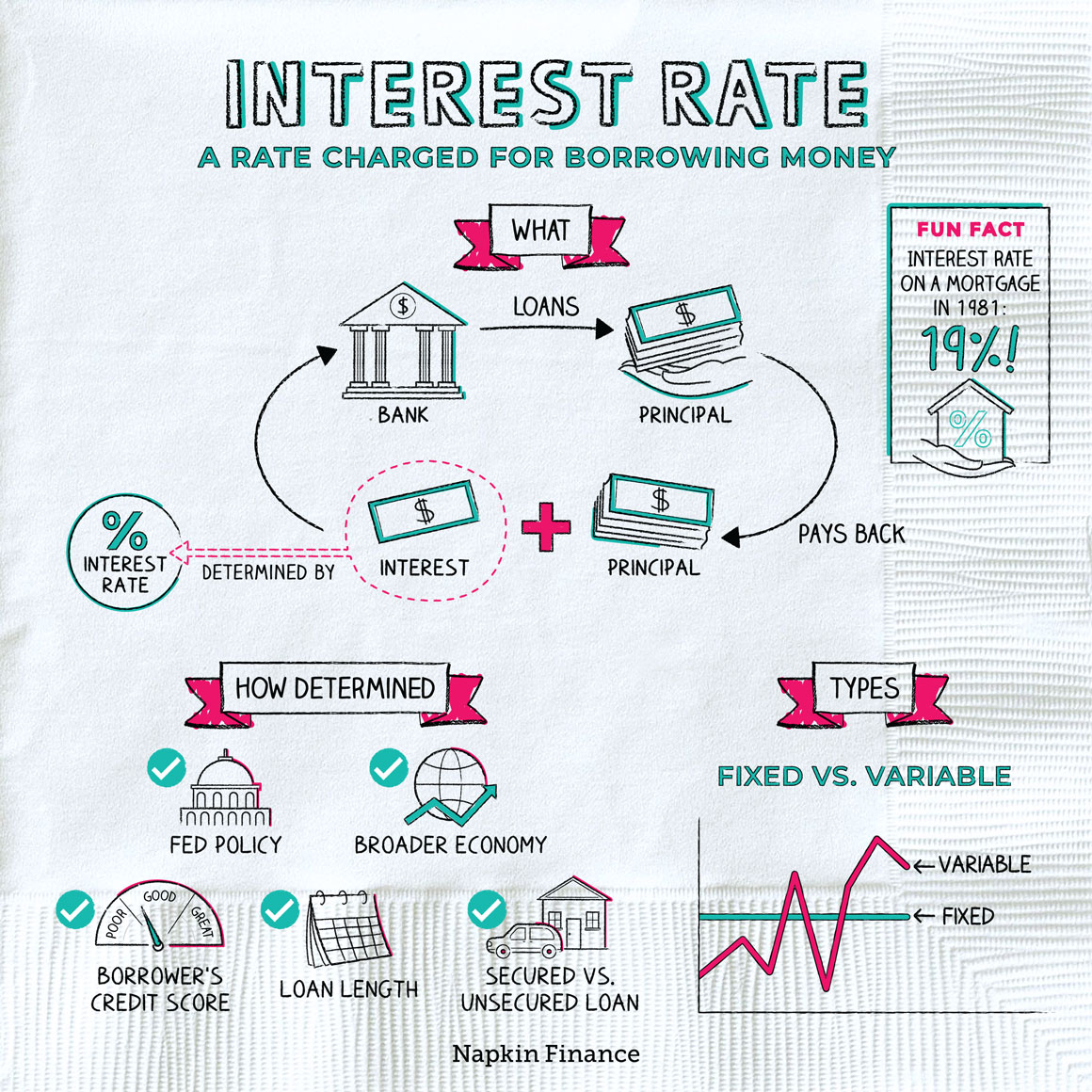
At its core, an interest rate is the cost of borrowing money or the return on lending it. When you borrow from a bank for a mortgage or a car loan, the interest rate determines the extra amount you’ll pay over the principal. Conversely, when you deposit money into a savings account or purchase a bond, the interest rate reflects the return you’ll earn for allowing an institution to use your capital. This dynamic makes interest rates a powerful lever, controlled primarily by central banks, to either stimulate economic growth by making money cheaper to borrow and invest, or to cool down an overheating economy by making money more expensive, thereby curbing spending and inflation. Deciphering the current interest rate environment and anticipating future trends is key to making informed financial decisions, whether you’re saving for retirement, buying a home, or managing a business.
The Fundamental Role of Interest Rates in the Economy
To truly appreciate the significance of interest rates, one must first understand their foundational role within the broader economic framework. They are not merely abstract numbers but powerful economic signals that influence everything from consumer spending and business investment to inflation and unemployment.
Defining Interest Rates: The Price of Money
In the simplest terms, an interest rate is the “price of money.” Just as a shop charges a price for goods or services, lenders charge a price for the temporary use of their money. This price is expressed as a percentage of the principal amount borrowed or lent. For borrowers, it represents the cost of obtaining capital. For lenders, it’s the compensation for deferring consumption and taking on the risk that the borrower might default. This fundamental concept underpins all financial transactions involving credit and savings. For instance, a 5% interest rate on a $10,000 loan means the borrower will pay $500 in interest per year, in addition to repaying the principal. Conversely, a 5% interest rate on a $10,000 savings account means the saver will earn $500 per year. The negotiation and application of these rates form the bedrock of both personal and corporate finance.
Key Players: Central Banks and Monetary Policy
The most influential entity in setting benchmark interest rates is typically a nation’s central bank. In the United States, this is the Federal Reserve (often called “the Fed”); in Europe, it’s the European Central Bank (ECB). These institutions use monetary policy tools, primarily the setting of a target federal funds rate (or similar benchmark), to influence the overall supply of money and credit in the economy. By raising this rate, central banks make it more expensive for commercial banks to borrow money from each other, a cost that is then passed on to consumers and businesses in the form of higher interest rates on loans and mortgages. Conversely, lowering the rate makes borrowing cheaper, encouraging spending and investment. This control over the “price of money” is a primary mechanism through which central banks aim to achieve their dual mandate: maximizing employment and maintaining price stability (controlling inflation). Their decisions reverberate throughout the entire financial system, affecting everything from bond yields to credit card APRs.
Nominal vs. Real Interest Rates: Understanding Purchasing Power
When we typically discuss “how much are interest rates,” we are usually referring to nominal interest rates – the stated rate without adjusting for inflation. However, the real interest rate offers a more accurate picture of the true cost of borrowing or the true return on savings, as it accounts for the erosion of purchasing power due to inflation. The formula is simple: Real Interest Rate = Nominal Interest Rate – Inflation Rate. If you earn a 5% nominal interest on your savings, but inflation is running at 3%, your real return is only 2%. This means your money’s purchasing power has only increased by 2%, not 5%. Similarly, for borrowers, if the nominal interest rate on a loan is 7% and inflation is 4%, the real cost of borrowing is 3%. Understanding the distinction between nominal and real rates is crucial for investors and savers, as it helps them assess whether their capital is genuinely growing or merely keeping pace with the rising cost of living. In times of high inflation, a high nominal interest rate might still result in a low or even negative real return, diminishing wealth.
Where Do Interest Rates Show Up in Your Financial Life?
Interest rates aren’t just abstract economic indicators; they are tangible figures that directly impact your household budget, your investment portfolio, and your business’s bottom line. Their pervasive presence touches nearly every financial decision you make.
Borrowing Costs: Mortgages, Auto Loans, and Personal Loans
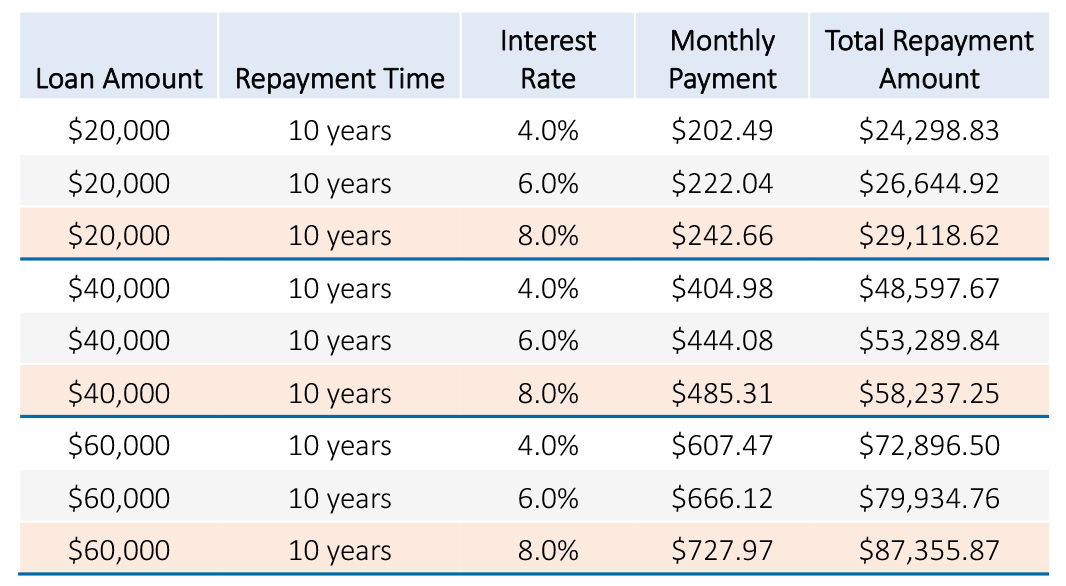
Perhaps the most apparent impact of interest rates is on the cost of borrowing for major purchases. For homeowners, mortgage rates are paramount. A small change in the interest rate on a 30-year fixed-rate mortgage can translate into tens of thousands of dollars difference in total interest paid over the life of the loan, and significantly alter your monthly payment. For example, a $300,000 mortgage at 4% might cost $1,432 per month, while at 5%, it jumps to $1,610 – a difference of nearly $200 each month. Similarly, auto loans and personal loans are directly influenced by prevailing rates. Higher rates mean higher monthly payments and a greater total cost for financing a vehicle or consolidating debt. This direct relationship underscores why potential borrowers closely monitor interest rate trends before committing to significant financial obligations.
Credit Card Interest: The High Cost of Revolving Debt
Credit cards notoriously carry some of the highest interest rates, often expressed as Annual Percentage Rates (APRs). Unlike fixed-term loans, credit card debt is revolving, meaning you can continuously borrow up to your credit limit. If balances are not paid in full each month, interest charges can quickly compound, turning a small purchase into a substantial debt burden. Average credit card APRs can range from 15% to over 25%, making it incredibly expensive to carry a balance. Understanding how much interest rates affect credit cards is vital for maintaining financial health. A high APR coupled with minimum payments means that a significant portion of your payment goes towards interest, barely touching the principal, potentially trapping individuals in a cycle of debt. Strategic management of credit card debt, often involving paying off high-interest balances first, is a cornerstone of responsible personal finance.
Savings and Investments: Earning Returns on Your Capital
On the flip side, interest rates also determine how much you earn on your savings and investments. Basic savings accounts, money market accounts, and Certificates of Deposit (CDs) pay interest to depositors. When interest rates are high, these accounts offer more attractive returns, encouraging people to save. Conversely, in a low-interest-rate environment, the returns from these traditional savings vehicles are often minimal, sometimes barely keeping pace with inflation. For investors, interest rates are particularly crucial for fixed-income assets like bonds. Bond prices and interest rates have an inverse relationship: when interest rates rise, newly issued bonds offer higher yields, making existing lower-yield bonds less attractive and thus reducing their market value. Conversely, falling rates make existing bonds more valuable. Understanding this dynamic is key to constructing a balanced investment portfolio, balancing risk and return in different rate environments.
Business Finance: Funding Growth and Managing Debt
For businesses, interest rates are a critical determinant of operational costs and growth potential. Companies rely on loans for various purposes, including funding daily operations (working capital), investing in new equipment or facilities (capital expenditure), and expanding into new markets. The interest rate on these business loans directly impacts a company’s profitability and ability to grow. During periods of low interest rates, businesses are more likely to borrow and invest, stimulating economic activity and job creation. High interest rates, however, can deter borrowing, slowing down investment and potentially leading to job cuts. Furthermore, interest rates affect a company’s valuation, as they influence the discount rate used to value future cash flows. Therefore, a company’s financial strategy, debt management, and investment decisions are intimately tied to the prevailing and anticipated interest rate environment.
What Drives Fluctuations in Interest Rates?
The “how much” of interest rates is not static; it’s a constantly evolving figure influenced by a complex interplay of economic forces. Understanding these drivers provides insight into why rates change and how these shifts might impact your financial planning.
Inflation and Economic Growth: The Tug-of-War
Two of the most significant forces influencing interest rates are inflation and economic growth. Central banks meticulously monitor inflation, which is the rate at which the general level of prices for goods and services is rising, and consequently, the purchasing power of currency is falling. When inflation is high or trending upwards, central banks typically raise interest rates to cool down the economy. Higher borrowing costs discourage spending and investment, which can help bring inflation under control. Conversely, if inflation is too low, or if the economy is showing signs of weakness (low GDP growth, rising unemployment), central banks may lower interest rates to stimulate activity. Cheaper borrowing encourages consumers to spend and businesses to invest, thereby boosting economic growth and employment. This delicate balance – stimulating growth without triggering excessive inflation – is a primary challenge for policymakers.
Central Bank Policies: The Fed’s Dual Mandate
As discussed, central banks are the primary architects of interest rate policy. In the U.S., the Federal Reserve’s Federal Open Market Committee (FOMC) meets regularly to assess economic conditions and decide whether to raise, lower, or maintain the federal funds rate target. Their decisions are based on a multitude of economic indicators, including inflation data, employment statistics, GDP growth, consumer confidence, and global economic trends. The Fed’s “dual mandate” to achieve maximum employment and stable prices guides these decisions. Their policy adjustments ripple through the financial system, influencing everything from the prime rate offered by commercial banks to the yields on Treasury bonds, which in turn affect mortgage rates, auto loan rates, and savings account rates across the country. Understanding the Fed’s stance and anticipating its moves is crucial for anyone managing their finances or investments.
Global Economic Conditions and Geopolitics
Interest rates are not determined in a vacuum; global economic conditions and geopolitical events also play a significant role. Major economic developments in other large economies (e.g., China, the Eurozone) can influence capital flows and investor sentiment worldwide. For instance, if another major central bank raises its rates, it might put pressure on other countries to follow suit to prevent capital flight. Geopolitical events, such as international conflicts, trade wars, or political instability, can also create uncertainty, leading investors to seek safe-haven assets like government bonds. Increased demand for bonds can push their prices up and their yields (interest rates) down, while heightened risk perception can lead to higher borrowing costs for countries and corporations. Currency exchange rates are also intertwined with interest rates; a country with higher interest rates might attract foreign investment, strengthening its currency. Thus, monitoring global events is an essential part of understanding the trajectory of domestic interest rates.
Strategic Financial Planning in a Changing Rate Environment
Given the dynamic nature and profound impact of interest rates, proactive financial planning is essential. Both borrowers and savers must adapt their strategies to thrive in different rate environments.
For Borrowers: Optimizing Debt Management
When interest rates are low, it’s an opportune time for borrowers. Homeowners might consider refinancing their mortgages to a lower fixed rate, potentially saving thousands over the life of the loan. Those with variable-rate debt, such as adjustable-rate mortgages or certain student loans, might look to convert to fixed rates to lock in lower payments and avoid future rate hikes. Consolidating high-interest debt, like credit card balances, into a lower-interest personal loan or a balance transfer card can also be a smart move in a favorable rate environment. Conversely, when rates are rising, the focus shifts to aggressively paying down high-interest debt and being cautious about taking on new variable-rate obligations. Prioritizing debt reduction becomes paramount to minimize the impact of increasing interest costs. Always compare fixed versus variable rates carefully, considering your risk tolerance and financial outlook.
For Savers and Investors: Maximizing Returns
For savers, the scenario is often the inverse. Low-interest-rate environments make it challenging to earn significant returns on traditional savings accounts or CDs. In such times, savers might explore alternatives like high-yield savings accounts from online banks, which often offer better rates than brick-and-mortar institutions, or consider short-term bond funds or dividend-paying stocks to enhance returns. When interest rates are high, traditional savings vehicles become more attractive. Certificates of Deposit (CDs) and government bonds offer more competitive yields, making them compelling options for conservative investors looking for guaranteed returns. Investors with bond portfolios need to be particularly aware of rising rates, as this can lead to capital losses on existing bonds. Diversification across different asset classes – stocks, bonds, real estate, and alternatives – remains a core strategy to mitigate interest rate risk and maximize returns across varying economic cycles.

Financial Tools and Resources: Staying Informed
Navigating the complexities of interest rates requires continuous learning and access to reliable information. Numerous financial tools and resources are available to help individuals and businesses make informed decisions. Online rate comparison sites allow you to quickly compare mortgage rates, auto loan rates, and savings account yields from multiple lenders. Financial news outlets provide expert analysis on central bank policies, inflation data, and economic forecasts, helping you anticipate future rate movements. Working with a qualified financial advisor can also be invaluable; they can provide personalized guidance tailored to your specific financial situation, risk tolerance, and goals, helping you structure your debt and investment portfolios optimally. Staying informed and leveraging these resources empowers you to respond strategically to changes in “how much are interest rates” and position yourself for financial success in any economic climate.
aViewFromTheCave is a participant in the Amazon Services LLC Associates Program, an affiliate advertising program designed to provide a means for sites to earn advertising fees by advertising and linking to Amazon.com. Amazon, the Amazon logo, AmazonSupply, and the AmazonSupply logo are trademarks of Amazon.com, Inc. or its affiliates. As an Amazon Associate we earn affiliate commissions from qualifying purchases.