
For most individuals, purchasing a home represents the largest financial commitment of their lives. Beyond the sticker price of the property itself, the cost of borrowing money to finance that purchase—the home interest rate—plays an equally, if not more, critical role in determining the overall affordability and long-term financial burden of homeownership. Understanding how much home interest rates are, what influences them, and how to navigate the lending landscape is paramount for any prospective or current homeowner. This comprehensive guide will demystify the intricacies of home interest rates, offering insights to empower your financial decisions.
Understanding the Fundamentals of Home Interest Rates
Before delving into the dynamic world of interest rate fluctuations, it’s essential to grasp the core concepts that define them. An interest rate is, at its heart, the cost of borrowing money, expressed as a percentage of the principal loan amount. For a home loan, or mortgage, this rate dictates how much extra you’ll pay the lender over the life of the loan in exchange for providing the capital to buy your home.
What is an Interest Rate and Why Does it Matter?
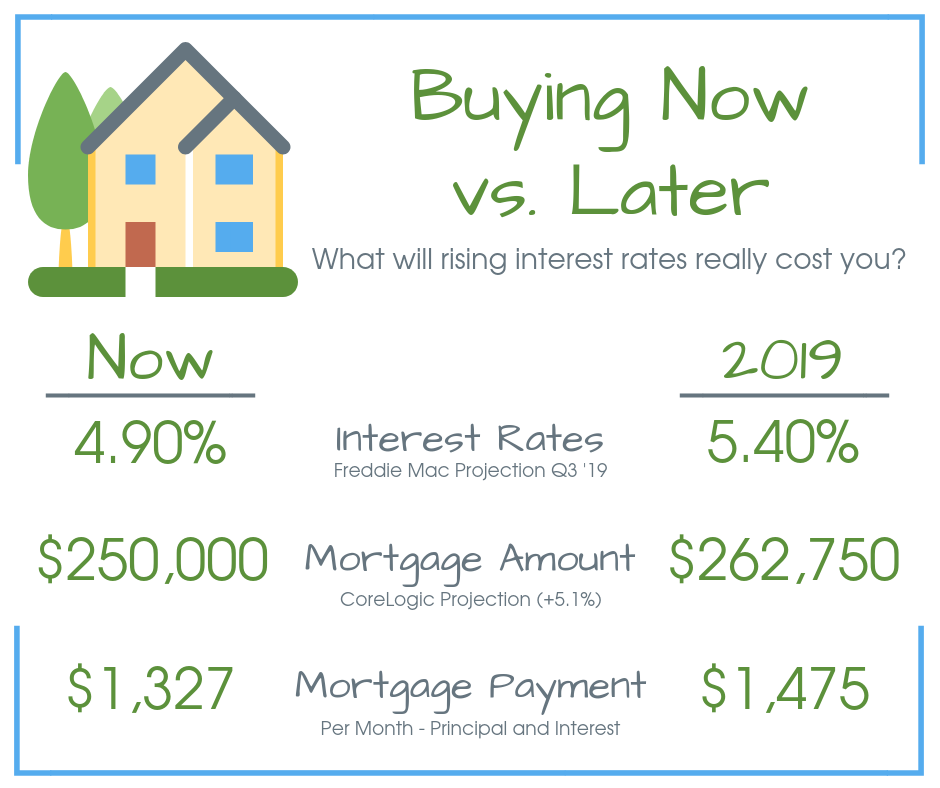
An interest rate is a percentage charged by a lender to a borrower for the use of assets. In the context of a mortgage, it’s the cost you pay for borrowing the principal amount to purchase your home. This rate is usually quoted as an annual percentage rate (APR), which includes not just the interest but also certain other charges like origination fees, making it a more comprehensive measure of the loan’s cost. A seemingly small difference in the interest rate—even a quarter or half a percentage point—can translate into tens of thousands of dollars over a 15-year or 30-year mortgage term, significantly impacting your monthly payments and your total expenditure.
Fixed-Rate vs. Adjustable-Rate Mortgages (ARMs)
When securing a home loan, one of the primary decisions revolves around choosing between a fixed-rate mortgage and an adjustable-rate mortgage (ARM). Each has distinct implications for your interest rate:
-
Fixed-Rate Mortgages: As the name suggests, the interest rate on a fixed-rate mortgage remains constant for the entire duration of the loan. This means your principal and interest payment will never change, providing predictability and stability in your monthly budget. Fixed-rate mortgages are popular during periods of low-interest rates or for borrowers who prioritize consistent payments.
-
Adjustable-Rate Mortgages (ARMs): ARMs feature an interest rate that changes periodically after an initial fixed-rate period (e.g., 5/1 ARM, 7/1 ARM, 10/1 ARM). For instance, a 5/1 ARM has a fixed rate for the first five years, after which it adjusts annually based on a pre-selected financial index plus a margin set by the lender. ARMs typically start with a lower interest rate than fixed-rate mortgages, making them appealing to buyers who plan to sell or refinance before the adjustable period begins, or those comfortable with potential payment fluctuations. However, they introduce the risk of significantly higher payments if interest rates rise.
Key Components of Your Mortgage Payment (PITI)
Your monthly mortgage payment is often more than just principal and interest. It commonly includes four main components, collectively known as PITI:
-
Principal: The portion of your payment that goes towards reducing the original loan amount.
-
Interest: The cost of borrowing money, calculated based on your interest rate and the remaining principal balance.
-
Taxes: Property taxes assessed by local government, often collected by the lender and held in an escrow account.
-
Insurance: This includes homeowner’s insurance (to protect against damage to your home) and, if your down payment is less than 20%, Private Mortgage Insurance (PMI) or FHA mortgage insurance (to protect the lender against default).
Understanding how interest rates affect the “I” in PITI is crucial, as it’s the most variable component of your fixed expenses outside of tax reassessments.
Factors Influencing Home Interest Rates
Home interest rates are not static; they are in a constant state of flux, reacting to a complex interplay of economic forces, monetary policy decisions, and even lender-specific considerations. Understanding these drivers can help you anticipate market movements and make informed decisions.
Economic Indicators
The broader economic environment is a primary determinant of interest rate trends. Lenders and investors scrutinize various economic indicators to gauge the health and direction of the economy:
-
Inflation: When inflation (the rate at which prices for goods and services rise) is high, interest rates tend to increase. Lenders raise rates to compensate for the erosion of their future purchasing power due to inflation. Central banks also use rate hikes to combat inflation.
-
Gross Domestic Product (GDP): A strong, growing economy (indicated by rising GDP) can put upward pressure on interest rates as demand for money increases and the risk of lending decreases. Conversely, a weakening economy might lead to lower rates to stimulate borrowing and spending.
-
Employment Data: Robust job growth and low unemployment rates signal a healthy economy, which can contribute to higher interest rates. Conversely, a struggling job market might prompt lower rates.
-
Consumer Confidence: High consumer confidence often translates to increased spending and borrowing, which can indirectly affect rates.
Federal Reserve Policy (Federal Funds Rate)
While the Federal Reserve (the U.S. central bank) does not directly set mortgage rates, its monetary policy decisions have a profound indirect impact. The Fed sets the federal funds rate, which is the target rate for overnight borrowing between banks.
-
When the Fed raises the federal funds rate, it becomes more expensive for banks to borrow money, a cost they then pass on to consumers in the form of higher interest rates on various loans, including mortgages.
-
Conversely, when the Fed lowers the federal funds rate, borrowing becomes cheaper for banks, which can lead to lower consumer interest rates.
-
The Fed’s actions are primarily aimed at controlling inflation and promoting maximum employment, and mortgage rates often react swiftly to their announcements and forward guidance.
The Bond Market (10-Year Treasury Yield)
One of the most significant indicators for long-term fixed mortgage rates is the yield on the U.S. 10-year Treasury bond. Mortgage-backed securities (MBS), which are bundles of mortgages sold to investors, compete with Treasury bonds for investor attention.
-
When the yield on the 10-year Treasury rises, MBS yields (and thus mortgage rates) typically follow suit to remain competitive for investors.
-
When Treasury yields fall, mortgage rates tend to decline as well.
-
This correlation is strong because both Treasuries and MBS are considered relatively safe investments, and their yields often move in tandem as investors shift capital between them.
Lender-Specific Factors
Beyond macroeconomic forces, individual lenders also factor in several borrower-specific criteria when determining the interest rate offered:
-
Credit Score: A higher credit score (e.g., 740+) signals a lower risk of default to lenders, typically resulting in access to the most favorable interest rates. Lower scores indicate higher risk and lead to higher rates.
-
Down Payment: A larger down payment (e.g., 20% or more) reduces the loan-to-value (LTV) ratio, lowering the lender’s risk and often qualifying you for a better rate.
-
Debt-to-Income (DTI) Ratio: Your DTI ratio compares your total monthly debt payments to your gross monthly income. A lower DTI ratio (typically below 43%) indicates you can comfortably manage your debts, making you a less risky borrower and potentially securing a lower rate.
-
Loan Type and Term: FHA, VA, USDA, and conventional loans all come with different risk profiles and government backing, which can influence rates. Shorter loan terms (e.g., 15-year fixed) generally have lower interest rates than longer terms (e.g., 30-year fixed) because the lender’s money is tied up for a shorter period.
-
Loan Amount: Very small or very large loan amounts can sometimes have slightly different pricing adjustments.
-
Points and Closing Costs: Borrowers can sometimes “buy down” their interest rate by paying discount points at closing. Each point typically costs 1% of the loan amount and reduces the interest rate.
Navigating Current Interest Rate Environments
The current interest rate landscape is a continuous ebb and flow, making timely information and strategic planning critical for homeowners and buyers.
How to Find Current Rates
Accessing up-to-date interest rate information is easier than ever:
-
Online Mortgage Lenders and Brokers: Websites like Bankrate, NerdWallet, or Zillow provide aggregated rate comparisons from multiple lenders, often allowing you to input your specific financial profile for personalized quotes.
-
Local Banks and Credit Unions: Contacting local institutions directly can sometimes reveal competitive rates, especially for existing customers.
-
Mortgage Brokers: A mortgage broker works with multiple lenders and can shop around on your behalf to find the best rates and terms for your situation.
-
Financial News Outlets: Major financial news sources regularly report on average mortgage rates and market trends.
Always remember that advertised rates are often based on ideal borrower profiles (e.g., excellent credit, 20% down payment) and are subject to change without notice. Always get a personalized quote for accuracy.
The Impact of Rate Fluctuations on Affordability

Even small shifts in interest rates can dramatically alter your monthly payment and overall affordability.
-
Rising Rates: When rates increase, the cost of borrowing goes up, leading to higher monthly mortgage payments for the same loan amount. This reduces your purchasing power, meaning you might need to buy a less expensive home or make a larger down payment to keep your monthly costs manageable. It can also slow down the housing market as fewer people can afford to buy.
-
Falling Rates: Conversely, when rates fall, monthly payments decrease, making homes more affordable. This can stimulate housing demand, leading to increased competition and potentially higher home prices. Falling rates also present opportunities for existing homeowners to refinance their mortgages to a lower rate, reducing their monthly payments and total interest paid.
When to Lock In a Rate
Once you’ve received a mortgage offer, you typically have the option to “lock in” your interest rate. A rate lock guarantees that the interest rate offered to you will not change between the time you lock it and the closing of your loan, usually for a specified period (e.g., 30, 45, or 60 days).
-
Locking In: If you believe interest rates are likely to rise, or if you prefer the certainty of a guaranteed rate, locking in can be a wise move.
-
Floating the Rate: If you believe rates will fall before your closing, you might choose to “float” your rate, meaning you don’t lock it in immediately, hoping to secure a lower rate later. This carries the risk that rates could rise instead.
-
Timing is Key: Discuss with your lender the best time to lock, considering the expected closing date and the current market trends. Some lenders offer a “float down” option, allowing you to secure a lower rate if market rates drop after you’ve locked in, usually for an additional fee.
Strategies for Securing Favorable Interest Rates
While you can’t control the broader market, you can take proactive steps to improve your chances of securing the lowest possible interest rate for your home loan.
Improving Your Credit Score
Your credit score is arguably the most influential factor within your control. Lenders use it as a primary indicator of your creditworthiness.
-
Pay Bills on Time: Payment history is the most significant component of your score.
-
Reduce Debt: Lowering your credit utilization ratio (the amount of credit you’re using compared to your available credit) can boost your score.
-
Avoid New Credit: Don’t open new credit accounts or make large purchases on credit before applying for a mortgage, as this can negatively impact your score.
-
Check Your Report: Regularly review your credit report for errors and dispute any inaccuracies.
Aim for a score in the “excellent” range (typically 740+) to qualify for the most competitive rates.
Increasing Your Down Payment
A larger down payment reduces the loan amount and signals financial stability to lenders.
-
Lower LTV Ratio: A substantial down payment (e.g., 20% or more) reduces the loan-to-value (LTV) ratio, which means the lender is taking on less risk. This often translates to a lower interest rate.
-
Avoid PMI: With a 20% down payment, you can generally avoid paying private mortgage insurance (PMI), which adds to your monthly housing costs.
Shopping Around for Lenders
Never settle for the first offer you receive. Different lenders have different overheads, risk tolerances, and product offerings, leading to variations in interest rates and fees.
-
Compare Multiple Offers: Contact at least 3-5 lenders, including large banks, credit unions, and mortgage brokers.
-
Get Personalized Quotes: Ensure you provide the same information to each lender (loan type, loan amount, credit score range, down payment) to get comparable quotes.
-
Look Beyond the Rate: While the interest rate is crucial, also compare closing costs, lender fees, and the overall customer service experience.
The difference of even a quarter percentage point over 30 years can save you thousands of dollars.
Considering Points and Closing Costs
As mentioned earlier, “buying down” your rate with discount points is an option.
-
Discount Points: Paying one or more discount points at closing (each point equals 1% of the loan amount) can reduce your interest rate. This strategy is most beneficial if you plan to stay in your home for many years, allowing the savings from the lower monthly payment to offset the upfront cost.
-
Origination Fees: These are fees charged by the lender for processing your loan. While not directly an interest rate, they are part of the overall cost of borrowing and should be considered when comparing offers.
Refinancing Opportunities
For existing homeowners, refinancing offers a chance to secure a lower interest rate or change loan terms.
-
Rate-and-Term Refinance: This involves replacing your current mortgage with a new one, typically to obtain a lower interest rate or switch from an ARM to a fixed-rate mortgage.
-
Cash-Out Refinance: This allows you to borrow more than you currently owe on your mortgage and take the difference in cash, often to fund home improvements, pay off high-interest debt, or for other financial needs.
Refinancing makes sense when current market rates are significantly lower than your existing rate, or if your financial situation has improved, allowing you to qualify for better terms. Always weigh the potential savings against the closing costs associated with a new loan.
The Long-Term Impact of Interest Rates on Homeownership
The interest rate you secure on your home loan reverberates through your financial life for decades, shaping your wealth-building potential and long-term financial stability.
Total Cost of the Loan
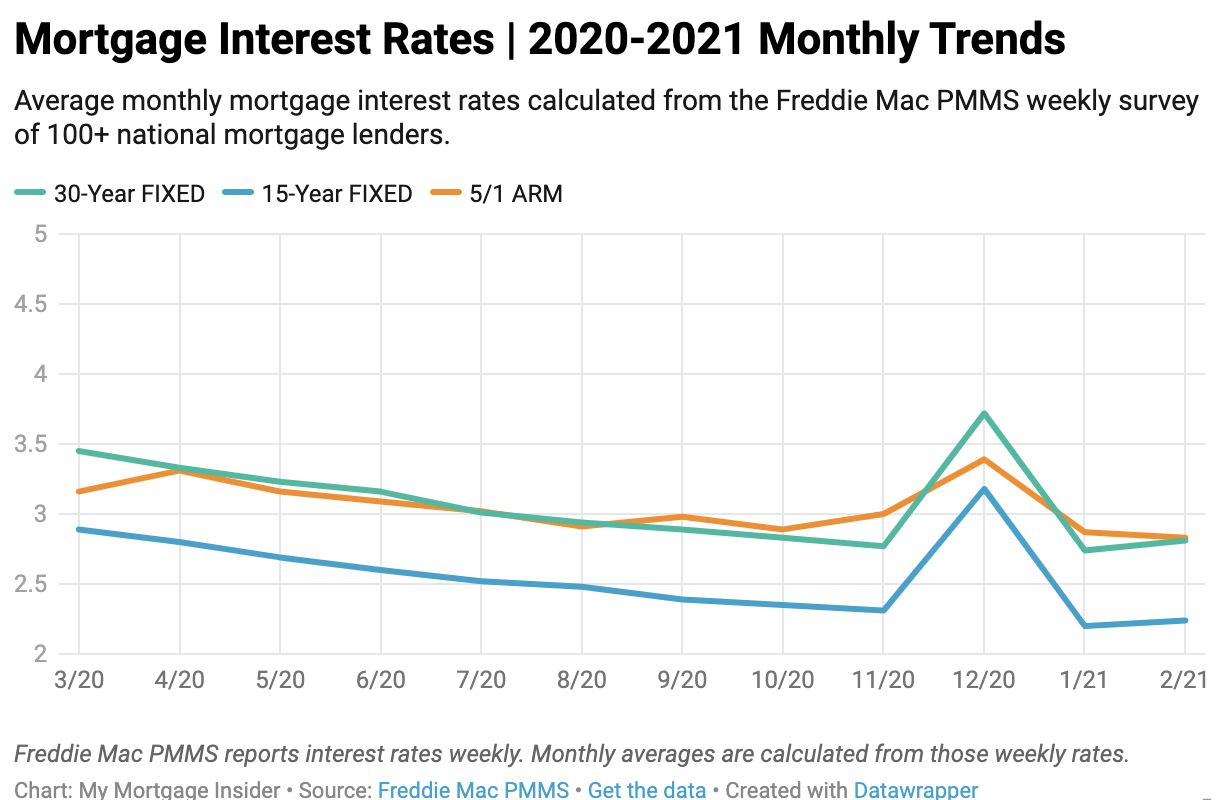
A lower interest rate dramatically reduces the total amount of money you pay back to the lender over the life of the loan. For instance, on a $300,000 30-year fixed-rate mortgage, the difference between a 7% and a 6.5% interest rate could mean saving tens of thousands of dollars in interest alone over the loan term, even though the monthly payment difference might seem relatively small at first glance. This significant saving directly impacts your disposable income and your ability to allocate funds to other financial goals.
Building Equity
Interest rates influence how quickly you build equity in your home. In the early years of a mortgage, a larger portion of your monthly payment goes towards interest rather than principal. A lower interest rate means more of your payment is allocated to principal from the start, accelerating your equity accumulation. Building equity faster means you have more capital available if you decide to sell or if you need to access a home equity loan or line of credit in the future.
Financial Planning Considerations
Your home interest rate is a cornerstone of your overall financial planning.
-
Budgeting: A predictable, lower interest rate makes budgeting easier and frees up cash flow for savings, investments, or other expenses.
-
Retirement Planning: The less you spend on mortgage interest, the more you can contribute to retirement accounts, enhancing your financial security in the long run.
-
Opportunity Cost: Every dollar spent on interest is a dollar that could have been invested elsewhere. A lower interest rate minimizes this opportunity cost.
-
Flexibility: Lower payments due to favorable rates provide greater financial flexibility, allowing you to weather unexpected expenses or pursue other life goals.
In conclusion, understanding “how much are home interest rates” is far more than knowing a single number on a given day. It involves comprehending the underlying economic forces, the types of loans available, the critical factors influencing your personal rate, and the strategic actions you can take to secure the best possible terms. Armed with this knowledge, you can navigate the complex world of home financing with confidence, ultimately making a decision that serves your financial well-being for years to come.
aViewFromTheCave is a participant in the Amazon Services LLC Associates Program, an affiliate advertising program designed to provide a means for sites to earn advertising fees by advertising and linking to Amazon.com. Amazon, the Amazon logo, AmazonSupply, and the AmazonSupply logo are trademarks of Amazon.com, Inc. or its affiliates. As an Amazon Associate we earn affiliate commissions from qualifying purchases.