
The allure of a cruise vacation is undeniable: waking up to a new horizon each day, gourmet dining, world-class entertainment, and exotic destinations, all without the hassle of constantly packing and unpacking. However, for many prospective travelers, the immediate question that arises is, “How much does it really cost?” Pinpointing an exact figure for a cruise per person is akin to asking the cost of a car – it varies wildly based on numerous factors. From the duration of the voyage and the luxury tier of the cruise line to the cabin choice and the plethora of optional extras, understanding the true financial commitment requires a comprehensive breakdown. This guide will delve into the various components that contribute to the final price tag of a cruise, offering insights and strategies to help you budget effectively for your next maritime adventure.
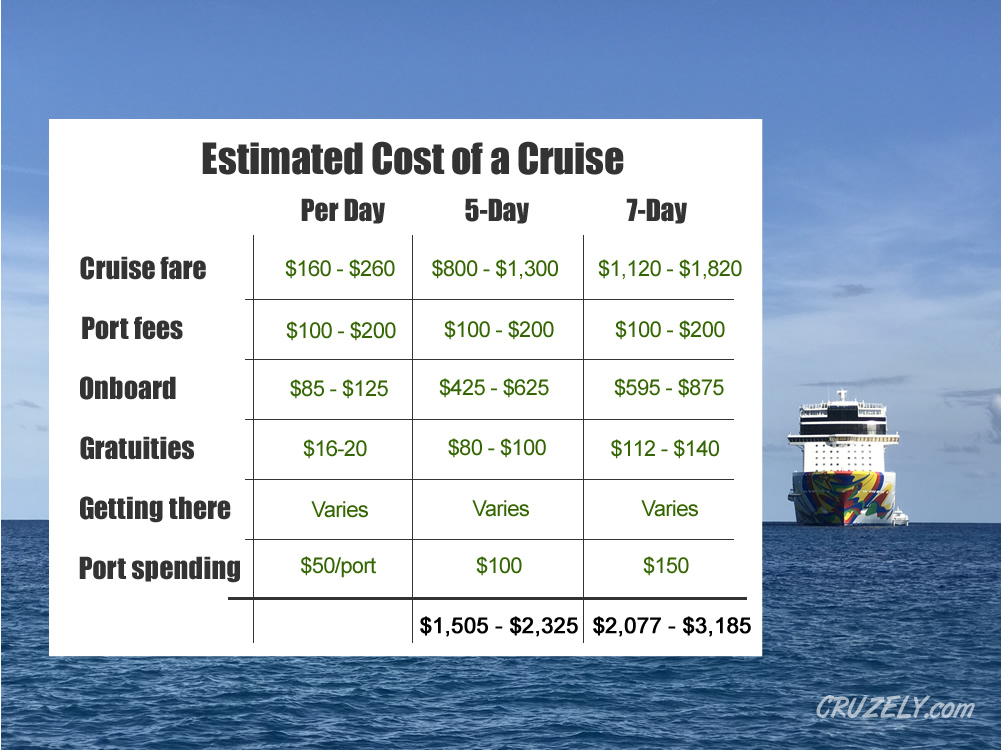
The Core Components of Cruise Pricing
The foundational price you see advertised for a cruise is merely the starting point. This initial figure, often referred to as the “base fare,” is determined by a combination of key elements that dictate the overall value and experience.
Base Fare: Cabin Category and Duration
The most significant driver of the base fare is the cabin category you select and the length of your journey. Cruises can range from short 2-3 night getaways to extensive world cruises lasting over 100 days. Naturally, longer cruises command higher prices. Within any given cruise, cabin choices are typically categorized as follows:
-
Interior Cabins: These are the most economical option, offering no windows or balconies. They are perfect for budget-conscious travelers who plan to spend most of their time exploring the ship or onshore.
-
Oceanview Cabins: These cabins feature a window or porthole, allowing natural light and views of the sea, but without direct outdoor access. They represent a modest upgrade from interior cabins.
-
Balcony Cabins: Offering a private outdoor space, balcony cabins are immensely popular for those who enjoy fresh air and private views. They come at a premium compared to oceanview cabins.
-
Suites: At the top end, suites offer significantly more space, enhanced amenities, and often exclusive perks like concierge services, priority boarding, and dedicated lounge access. Their prices can be several times that of an interior cabin.
The difference between an interior cabin on a 7-night cruise and a suite on the same itinerary can be thousands of dollars per person, highlighting the importance of considering your priorities and budget when selecting your accommodation.
Itinerary and Destination Influence
Where and when you cruise plays a critical role in pricing. Popular destinations during peak seasons will always be more expensive. For instance:
-
Caribbean Cruises: These are often the most accessible and frequent, especially from U.S. ports. Prices fluctuate based on the specific islands visited and time of year (e.g., spring break vs. hurricane season).
-
Alaskan Cruises: Typically seasonal (May to September), these cruises are renowned for their stunning scenery and wildlife, and tend to be mid-to-high range due to limited operating windows.
-
European River and Ocean Cruises: Mediterranean, Baltic, or river cruises offer unique cultural experiences but can be pricier due to demand and the logistical complexities of operating in multiple countries.
-
Exotic and World Cruises: Journeys to Asia, South America, or extensive world voyages are premium experiences, often costing significantly more due to their length and unique destinations.
Cruising during holiday periods (Christmas, New Year’s) or school breaks will also incur higher costs, whereas traveling during the “shoulder seasons” (just before or after peak) or the off-season can yield substantial savings.
Cruise Line and Ship Tier
Not all cruise lines are created equal, and their pricing reflects their target market and the level of service and amenities offered.
-
Budget-Friendly Lines: Lines like Carnival, MSC Cruises, and Norwegian Cruise Line often offer competitive pricing, focusing on a broad appeal with a wide range of activities and dining options.
-
Mid-Tier Lines: Royal Caribbean, Princess Cruises, and Holland America Line typically sit in the middle, providing a balance of quality, service, and amenities, often catering to a slightly more mature audience or families looking for a refined experience.
-
Luxury and Premium Lines: Azamara, Oceania Cruises, Seabourn, Silversea, and Regent Seven Seas Cruises offer unparalleled service, gourmet dining, smaller ships, and often more inclusive pricing (drinks, gratuities, even some excursions). These cruises come with a substantially higher per-person cost, but often include many elements that are extra on other lines.
-
Newer Ships vs. Older Ships: Brand-new ships, especially those with innovative features, often command higher prices due to their novelty and advanced amenities. As ships age, their prices may become more competitive.
Understanding these core components helps set a realistic expectation for the base price of your cruise before you even consider additional expenses.
Beyond the Base Fare: Essential Additional Costs
While the base fare covers your cabin, meals in main dining rooms, and basic entertainment, a significant portion of your total cruise budget will invariably come from expenses beyond this initial price. Neglecting these can lead to an unpleasant financial surprise at the end of your voyage.
Port Fees, Taxes, and Gratuities
These are almost universally mandatory and are often added after the advertised base fare.
-
Port Fees and Taxes: These government-imposed charges and fees levied by port authorities can range from tens to hundreds of dollars per person, depending on the itinerary and number of ports. They are non-negotiable.
-
Gratuities (Service Charges): Most cruise lines automatically add a daily gratuity charge to your onboard account for the crew members who provide service throughout your trip (stateroom attendants, dining staff, etc.). These typically range from $14 to $20 per person per day. While often adjustable or removable at guest services, they are an expected and important part of compensating the hardworking crew. Some luxury lines include gratuities in their upfront pricing.
Onboard Expenses: Drinks, Wi-Fi, and Specialty Dining
Here’s where personal spending habits can significantly inflate the cost.
-
Beverages: Alcoholic drinks, specialty coffees, sodas, and bottled water are almost always an additional cost on mainstream cruise lines. Drink packages, which can range from $50 to $100+ per person per day, can be a good value for heavy drinkers, but may not pay off for lighter consumers.
-
Wi-Fi: Internet access on a ship is satellite-based and historically expensive. Packages vary widely, from pay-per-minute to unlimited daily or voyage plans, often costing $10-$30 per day or more.
-
Specialty Dining: While main dining rooms and buffets are included, most ships offer a selection of specialty restaurants (steakhouses, Italian, Asian fusion) that carry an additional cover charge, typically $30-$70 per person, or offer à la carte pricing.
Shore Excursions and Activities
Exploring the destinations is a highlight of cruising, but the costs add up.
-
Cruise Line Organized Excursions: These tours are convenient and guarantee you won’t miss the ship, but often come at a premium. Prices can range from $50 for a simple city tour to several hundred dollars for specialized activities like helicopter tours or private charters.
-
Independent Exploration: Many travelers opt to explore ports independently or book tours through local operators, which can often be more cost-effective but requires more research and carries the risk of not returning to the ship on time.
Pre/Post-Cruise Travel and Accommodation
The cruise journey typically begins and ends long before you step foot on the ship.
-
Flights: For most, getting to the departure port involves air travel, which can be a substantial expense, especially for international cruises or peak travel seasons.
-
Hotels: It’s highly recommended to arrive at your departure port at least one day prior to embarkation to mitigate flight delays and travel stress. This means an additional hotel night or two, plus airport transfers.
-
Transfers: Getting from the airport to the hotel, and from the hotel to the cruise terminal, can incur taxi, ride-share, or shuttle costs.
Travel Insurance
Often overlooked, travel insurance is a crucial financial safeguard. It can cover trip cancellation, interruption, medical emergencies, baggage loss, and more. The cost varies based on the traveler’s age, trip cost, and coverage level, but typically ranges from 4% to 10% of the total cruise cost. It’s a wise investment to protect against unforeseen circumstances.
Strategies for Budgeting and Saving on Your Cruise
Navigating the myriad of cruise options and costs can feel overwhelming, but with strategic planning, you can significantly reduce your per-person expenditure without compromising on the experience.
Timing Your Booking: Early Bird vs. Last-Minute Deals
There are two primary windows for securing favorable cruise prices.
-
Early Bird Bookings: Booking 12-18 months in advance often grants access to the best cabin selections, prime itineraries, and early booking perks like onboard credit, free specialty dining, or reduced deposits. This is ideal for those with fixed travel dates or specific cabin preferences.
-
Last-Minute Deals: If you have flexibility with your dates and destinations, booking within 90 days of departure (when final payments are due for most cruises) can yield deep discounts as cruise lines try to fill unsold cabins. However, cabin choices might be limited, and airfare might be higher.
Understanding Inclusions and Exclusions
Paying close attention to what’s included in your fare is paramount. Some cruise lines offer “all-inclusive” promotions that bundle perks like drink packages, gratuities, Wi-Fi, and even some shore excursions into the base fare. While the initial price might seem higher, calculating the cost of these items separately often reveals that the bundled package offers superior value, especially if you plan to utilize most of those amenities. Always compare the total cost after adding your expected extras.
Leveraging Loyalty Programs and Promotions
If you’re a repeat cruiser, joining a cruise line’s loyalty program can unlock valuable benefits. These often include discounts on future cruises, priority boarding, exclusive onboard events, complimentary laundry services, and even free cruises at higher tiers. Additionally, keep an eye out for seasonal sales, flash deals, and promotions offered by travel agents or the cruise lines directly, which can include reduced deposits, onboard credit, or “kids sail free” offers.
Off-Season Travel and Repositioning Cruises
Traveling during the off-peak or shoulder seasons (e.g., Caribbean in early December or late January) can result in substantially lower prices for the same itineraries. Repositioning cruises, which occur when a ship moves from one region to another (e.g., Alaska to Caribbean in the fall), offer longer voyages at highly competitive per-day rates, as they involve more sea days and fewer port calls. These are excellent value for those who love sea days and can be flexible with one-way travel.
Comparing Cruise Lines and Itineraries Effectively
Don’t settle for the first cruise you find. Use reputable online travel agencies or a knowledgeable cruise-specialist travel agent to compare prices across multiple cruise lines for similar itineraries. Pay attention to the ship’s age, features, and the cruise line’s typical demographic to ensure it aligns with your preferences. Sometimes, a slightly higher initial fare on a different line might offer better value if it includes more amenities you would otherwise pay extra for.
The Value Proposition: Is a Cruise Worth the Investment?
When breaking down all the costs, it’s natural to wonder if a cruise truly represents good value. For many, the answer is a resounding yes, primarily due to its unique all-inclusive nature and convenience when compared to traditional land-based vacations.
All-Inclusive Nature vs. Land Vacations
One of the most compelling arguments for cruising is the bundled cost. Your accommodation, transportation between destinations, most meals, and a vast array of entertainment are included in the base fare. Consider a comparable land vacation: you’d pay for a hotel, daily transportation (car rental, trains, flights), multiple restaurant meals, and separate admission fees for shows and activities. When tallying these individual costs, a cruise often emerges as a highly competitive and often more convenient option, especially for multi-destination trips.
Convenience and Multiple Destinations
The unparalleled convenience of a cruise cannot be overstated. You unpack once, and your floating hotel takes you to multiple cities or countries. There’s no constant worrying about booking new hotels, navigating unfamiliar transit systems, or coordinating separate dinner reservations in different locations. This seamless travel experience allows you to maximize your vacation time and minimize stress, effectively enhancing the value of your financial investment.
Hidden Value: Entertainment, Amenities, and Service
Beyond the obvious, cruises offer immense “hidden” value. Modern cruise ships are floating resorts, boasting amenities like elaborate water parks, Broadway-caliber shows, ice-skating rinks, rock-climbing walls, spas, fitness centers, and kids’ clubs – much of which is included in your fare. The level of service, with a high crew-to-guest ratio, is also a significant value add, ensuring a comfortable and pampered experience. Factoring in the cost of accessing similar entertainment and facilities on land would likely far exceed the per-person cost of a cruise.
Considerations for Different Traveler Types
The value proposition of a cruise also shifts based on the traveler.
-
Families: Cruises offer exceptional value for families, with dedicated kids’ programs, family-friendly activities, and often “kids sail free” promotions, making multi-generational travel more affordable.
-
Couples: For romantic getaways, cruises provide intimate dining, spa treatments, and diverse entertainment options, all within a single budget.
-
Solo Travelers: While historically penalised with “single supplements,” some lines are introducing dedicated solo cabins or waiving supplements, making cruising a more viable option for solo adventurers seeking camaraderie.
Ultimately, the perceived value of a cruise is subjective, but by understanding all the inclusions and comparing it holistically to alternative vacation types, many find it to be a highly rewarding and financially sensible choice.
Financial Planning for Your Cruise Adventure
Embarking on a cruise requires careful financial planning to ensure a smooth and stress-free journey. By proactively managing your budget and understanding payment structures, you can avoid last-minute anxieties and fully immerse yourself in the experience.
Setting a Realistic Cruise Budget
The first and most critical step is to establish a realistic budget for your entire cruise vacation, not just the base fare. Start by estimating the core costs (base fare, port fees, taxes, gratuities) and then factor in your expected variable expenses: flights, pre/post-cruise accommodation, transfers, travel insurance, shore excursions, onboard spending (drinks, specialty dining, internet), and any personal shopping. Using a spreadsheet or a dedicated budgeting app can help track these estimated costs against your available funds. Be generous with your estimates for onboard spending, as it’s easy to overspend without a clear plan.
Payment Plans and Deposit Requirements
Most cruise lines require a deposit at the time of booking, with the full balance due typically 90-120 days before departure. This phased payment structure can be beneficial, allowing you to pay off your trip over several months. Some cruise lines or travel agencies offer more flexible installment plans. Understanding these deadlines is crucial to avoid cancellation or loss of deposit. If booking a last-minute deal, the full payment may be required upfront.
Emergency Funds and Contingency Planning
Despite meticulous planning, unforeseen circumstances can arise. It’s prudent to set aside an emergency fund specifically for your trip. This could cover unexpected flight delays, additional hotel nights, medical needs not fully covered by insurance, or any other unforeseen expenditures. A good rule of thumb is to have at least 10-15% of your total trip cost available as a contingency. This buffer provides peace of mind and prevents financial strain if things don’t go exactly as planned.

Monitoring Exchange Rates for International Cruises
If your cruise involves international ports, particularly those outside the Eurozone or areas where the U.S. dollar is not widely accepted, monitoring exchange rates becomes important. While onboard charges are usually in USD, spending money ashore will require local currency. Consider using a credit card with no foreign transaction fees or withdrawing local currency from ATMs with a debit card (checking for fees) rather than using airport currency exchange services, which often have unfavorable rates. Planning your currency needs in advance can save you a significant amount over the course of your trip.
In conclusion, understanding “how much cruises are per person” involves much more than just the advertised base price. It’s a holistic assessment of cabin choice, destination, cruise line, and a comprehensive list of additional, often mandatory, expenses. By meticulously budgeting for every component, leveraging savings strategies, and embracing robust financial planning, you can transform the dream of a cruise vacation into a financially manageable and immensely rewarding reality.
aViewFromTheCave is a participant in the Amazon Services LLC Associates Program, an affiliate advertising program designed to provide a means for sites to earn advertising fees by advertising and linking to Amazon.com. Amazon, the Amazon logo, AmazonSupply, and the AmazonSupply logo are trademarks of Amazon.com, Inc. or its affiliates. As an Amazon Associate we earn affiliate commissions from qualifying purchases.