
In the modern landscape of personal finance, traditional assets like stocks, bonds, and real estate are no longer the only figures on a savvy investor’s balance sheet. Loyalty programs, particularly those offered by major carriers like American Airlines, have evolved into a sophisticated form of “private currency.” For the frequent traveler or the credit card rewards enthusiast, the American Airlines AAdvantage program represents a significant financial portfolio.
However, unlike the US Dollar, the value of an AAdvantage mile is not fixed. It fluctuates based on redemption methods, booking timing, and market demand. To manage your travel rewards effectively, you must understand the underlying economics of these miles. On average, American Airlines miles are valued at approximately 1.2 to 1.5 cents per mile (CPM), but with strategic management, that valuation can climb significantly higher.
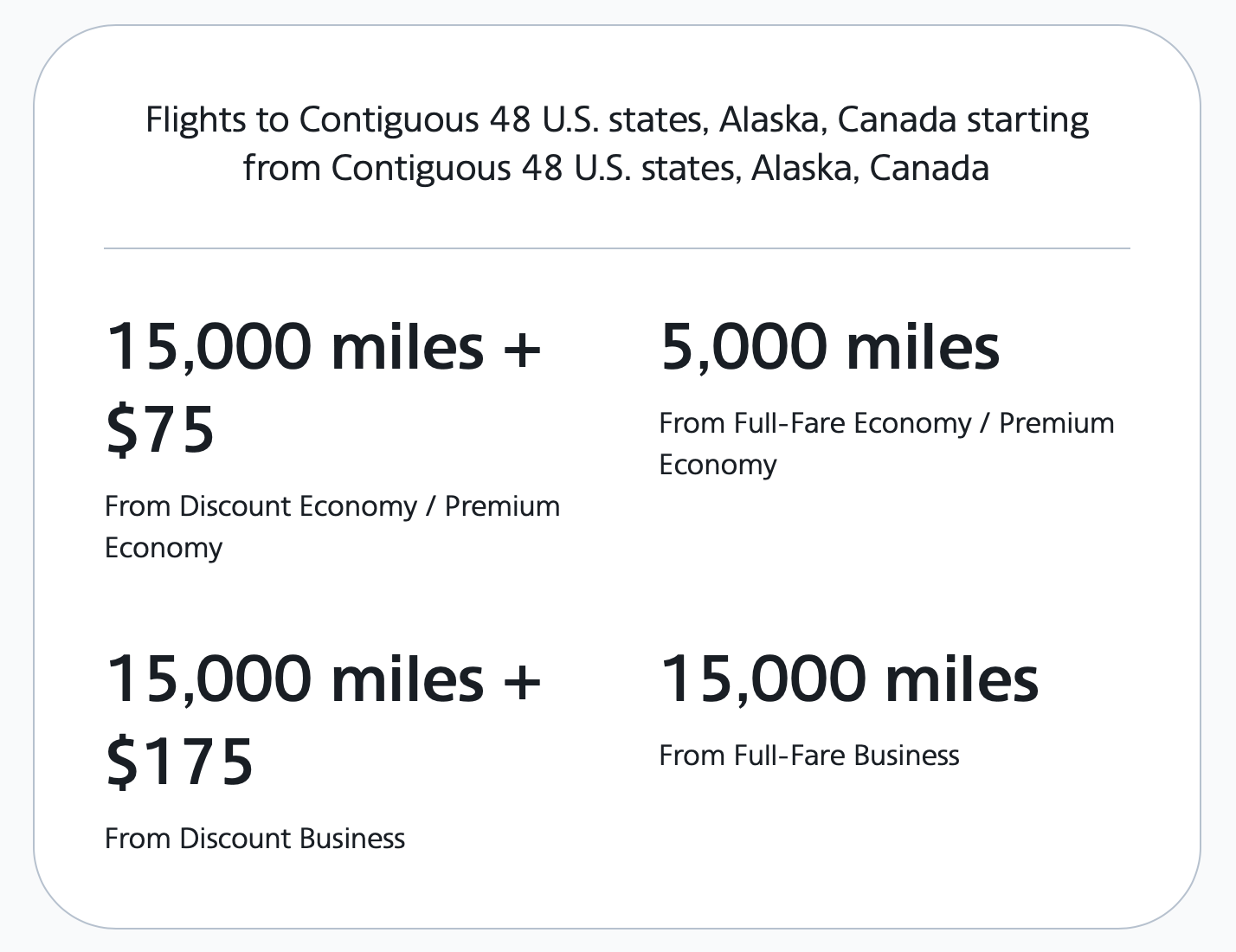
Understanding the Monetary Value of AAdvantage Miles
To treat your miles like a financial asset, you first need a baseline valuation. In the world of travel hacking and personal finance, “Cents Per Mile” (CPM) is the standard metric used to determine if a redemption is a wise “spend” or a poor investment.
The Baseline Valuation: The 1.2 Cent Standard
Most financial analysts and travel experts place the floor value of an American Airlines mile at roughly 1.2 cents. This figure is derived from the average cost of a domestic main cabin flight when compared to the number of miles required for that same seat. For example, if a flight from Dallas to New York costs $300 or 25,000 miles, the value is 1.2 cents per mile. If your redemption falls below this threshold, you are effectively “losing money” by not paying cash and saving your miles for a higher-yield opportunity.
Variables That Influence CPM
Several factors can cause the value of your miles to swing. Dynamic pricing—a system where the mileage cost fluctuates based on demand—means that a flight during the December holidays will often yield a lower CPM than a mid-week flight in October. Additionally, taxes and carrier-imposed fees must be subtracted from the cash price before calculating the value. If a “free” ticket requires $200 in fees, the net value of your miles decreases.
Why Loyalty Points are a Financial Asset
From a business finance perspective, loyalty points are a liability on the airline’s balance sheet and an intangible asset for the consumer. Smart earners view their AAdvantage balance as a travel “sinking fund.” By accumulating miles through strategic spending rather than just flying, you are essentially hedging against future travel inflation. When cash prices for flights rise due to fuel surcharges or increased demand, the relative value of your miles often increases, providing a financial buffer.
Calculating Your Redemption Strategy for Maximum ROI
In personal finance, ROI (Return on Investment) is king. The same principle applies to your AAdvantage account. To get the most out of your miles, you must differentiate between “low-yield” and “high-yield” redemptions.
Domestic Economy vs. International Business Class
The most common mistake made by casual travelers is using miles for short-haul domestic flights. While convenient, these often net a value of 1.0 to 1.3 CPM. Conversely, international business or first-class redemptions are the “growth stocks” of the travel world. A business-class seat to London or Tokyo might cost $6,000 in cash but only 140,000 miles. In this scenario, your miles are worth over 4 cents each—nearly triple the baseline valuation. This is where the true wealth of the AAdvantage program is unlocked.
The Math Behind the “Sweet Spot” Redemptions
To calculate your own CPM, use this simple formula:
(Cash Price of Ticket – Taxes/Fees) / Number of Miles = Value per Mile
Strategic investors in the AAdvantage ecosystem look for “sweet spots.” These are specific routes or partner airlines where the mileage requirement remains low despite high cash prices. For instance, using American miles to book a seat on partner Qatar Airways’ Qsuite (widely considered the best business class in the world) offers a massive financial advantage over paying the cash price, which often exceeds $5,000.

When to Pay Cash Instead of Miles
A crucial part of financial literacy is knowing when to hold onto your assets. If a flight is exceptionally cheap—perhaps a “basic economy” flash sale—it is almost always better to pay cash. This allows you to earn more miles on that flight and save your current balance for a time when cash prices are prohibitively high. Using miles when the CPM is below 1.1 is generally considered a poor fiscal decision.
Leveraging the AAdvantage Ecosystem for Maximum Earning
Earning miles is no longer just about sitting in an airplane seat; it is about optimizing your daily financial habits. American Airlines has shifted its program toward “Loyalty Points,” which blurs the line between a travel program and a financial tool.
Strategic Earning Through Credit Card Partnerships
For many, the fastest way to grow their travel net worth is through co-branded credit cards from Citi or Barclays. These cards offer sign-up bonuses that can instantly inject $600 to $1,000 worth of value (in miles) into your account. Beyond the bonus, utilizing these cards for categorized spending—such as gas, groceries, or telecommunications—turns everyday liabilities into travel assets. This is a form of “passive income” for travelers.
The Impact of Loyalty Points on Financial Status
With the introduction of Loyalty Points, every dollar spent on an AAdvantage credit card contributes to your elite status. This has a secondary financial benefit: higher status leads to complimentary upgrades, free checked bags, and lounge access. When you quantify the savings from these perks, the “value” of each mile earned increases because the miles are facilitating a lower-cost travel experience overall.
Transfer Partners and Alliance Value
American Airlines is a member of the Oneworld Alliance. This means your miles are not just valid for American Airlines flights; they are a currency accepted by British Airways, Cathay Pacific, Qantas, and others. This liquidity makes AAdvantage miles more valuable than “closed-loop” rewards programs. Being able to “spend” your miles across a dozen different global brands ensures that you can always find a high-value redemption, regardless of American’s own flight availability.
Protecting and Growing Your Travel Portfolio
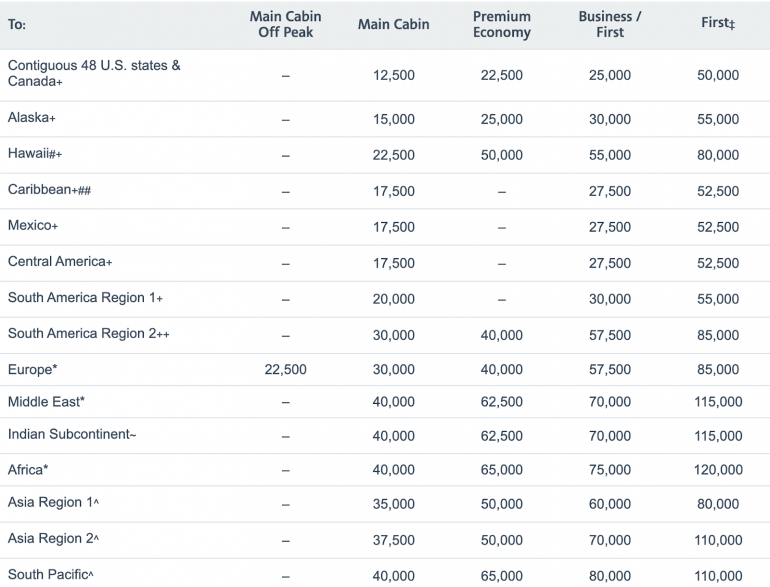
Just like any currency, miles are subject to inflation. Airlines frequently “devalue” their points by increasing the number of miles required for a flight. Therefore, a “buy and hold” strategy is rarely effective for loyalty miles.
Avoiding Point Inflation and Devaluation
In the world of money, cash loses value over time due to inflation. In the world of travel, miles lose value due to program changes. The best financial advice for miles is to “earn and burn.” While you should save for high-value redemptions, hoarding hundreds of thousands of miles for a decade is risky. A single update to the AAdvantage terms and conditions could slash the purchasing power of your balance overnight. Treat your miles like a working capital account—keep enough for your next two years of travel, but don’t treat them as a retirement fund.
Diversification of Loyalty Assets
A sound financial plan involves diversification. While American Airlines miles are highly valuable, relying solely on one carrier leaves you vulnerable to their specific pricing whims. Complementing your AAdvantage balance with “transferable points” (like those from Chase, Amex, or Capital One) provides a safety net. If American devalues their award chart, you can pivot your spending to other programs, ensuring your “travel wealth” remains intact.
Conclusion: The Bottom Line on Mile Value
How much are American Airlines miles worth? While the mathematical average sits at 1.2 to 1.5 cents per mile, their true value is determined by how you manage them. To the casual observer, they are a nice-to-have perk. To the financially minded traveler, they are a powerful instrument for reducing personal expenses and accessing luxury experiences that would otherwise be cost-prohibitive.
By applying the principles of valuation, ROI calculation, and inflation protection, you can move beyond the “free flight” mentality and start treating your AAdvantage balance as a core component of your personal financial strategy. Whether you are leveraging credit card bonuses or hunting for high-CPM international redemptions, the goal remains the same: maximizing the purchasing power of every mile earned. In the economy of the skies, knowledge is the most valuable currency of all.
aViewFromTheCave is a participant in the Amazon Services LLC Associates Program, an affiliate advertising program designed to provide a means for sites to earn advertising fees by advertising and linking to Amazon.com. Amazon, the Amazon logo, AmazonSupply, and the AmazonSupply logo are trademarks of Amazon.com, Inc. or its affiliates. As an Amazon Associate we earn affiliate commissions from qualifying purchases.