
Determining the exact worth of 10 Bitcoins is a dynamic exercise, as the value of this premier cryptocurrency fluctuates continuously in global markets. Unlike traditional assets with relatively stable daily pricing, Bitcoin’s price is subject to a confluence of economic, technological, and speculative forces that can lead to significant shifts in mere hours. To understand the value of 10 Bitcoins, one must first grasp the intricate mechanisms that dictate Bitcoin’s market price and how these translate into tangible financial implications for investors.
Understanding Bitcoin’s Volatile Valuation
Bitcoin’s price is a direct reflection of supply and demand across numerous global exchanges. Its decentralized nature means there is no central authority dictating its value; instead, millions of participants buying and selling contribute to its price discovery. This decentralized, 24/7 market operation is a key differentiator from traditional financial markets, which often have fixed trading hours and centralized intermediaries.

The Dynamics of Market Price
The price of a single Bitcoin (BTC) is determined by the last transaction executed on an exchange. When demand for Bitcoin outstrips supply, its price tends to rise. Conversely, when more people are selling than buying, the price falls. This constant ebb and flow creates the volatility characteristic of the cryptocurrency market. The aggregate price often seen on financial news sites or aggregators is typically an average or a weighted average from major exchanges, offering a general snapshot rather than a single, universal price.
Factors Influencing Bitcoin’s Value
Several fundamental and exogenous factors contribute to Bitcoin’s valuation, making its price a complex interplay of various forces:
- Supply and Demand Economics: Bitcoin has a finite supply capped at 21 million coins, creating scarcity. As adoption grows and the available supply diminishes due to lost coins or long-term holding, its scarcity value tends to increase.
- Market Adoption and Utility: The more individuals, businesses, and institutions that adopt Bitcoin for transactions, investments, or as a store of value, the greater its perceived utility and demand. Large institutional investments, for instance, can significantly impact market sentiment and price.
- Regulatory Environment: Government policies, regulations, and legal frameworks surrounding cryptocurrencies can have a profound impact. Favorable regulations can boost confidence and adoption, while restrictive measures can introduce uncertainty and downward pressure.
- Macroeconomic Trends: Global economic conditions, inflation rates, interest rate decisions by central banks, and geopolitical events can influence investor sentiment towards alternative assets like Bitcoin. During times of economic uncertainty, some view Bitcoin as a hedge against inflation or currency debasement, akin to digital gold.
- Technological Developments: Upgrades to the Bitcoin network (e.g., Lightning Network for faster transactions) or significant developments in the broader crypto ecosystem can affect its perceived value and future potential.
- Halving Events: Approximately every four years, the reward for mining new blocks is cut in half. This reduces the rate at which new Bitcoins enter circulation, decreasing supply pressure and historically leading to significant price appreciation in the months following the event.
- Media and Social Sentiment: News cycles, social media trends, and influencer opinions can heavily sway short-term market sentiment, leading to rapid price movements.
Calculating the Current Value of 10 Bitcoins
To ascertain the current value of 10 Bitcoins, the process is straightforward, yet its output is constantly in flux. The core calculation involves multiplying the current market price of one Bitcoin by the quantity you hold.
Simple Multiplication: Price per BTC x 10
The fundamental calculation is:
Current Value = (Price of 1 BTC in USD/EUR/GBP) x 10
For example, if the price of one Bitcoin is $65,000 at a given moment, then 10 Bitcoins would be worth:
$65,000/BTC x 10 BTC = $650,000
It is crucial to understand that this value is a snapshot. By the time you read this sentence, the price of Bitcoin may have shifted, rendering the example figure outdated.
The Importance of Timing and Exchange Rates
The precise value you receive when converting Bitcoin to fiat currency will depend on the exact exchange rate at the moment of your transaction. Different exchanges might display slightly different prices due to variations in their order books and liquidity. Furthermore, when converting to a specific fiat currency (e.g., Euro, British Pound, Japanese Yen), the prevailing USD-to-fiat exchange rate will also play a role if Bitcoin’s price is predominantly quoted in USD. This introduces a second layer of currency conversion, each with its own tiny spread.
Tools and Resources for Real-Time Valuation
To get the most accurate real-time valuation for 10 Bitcoins, you should consult reliable cryptocurrency price tracking websites or the actual exchange where you hold or plan to buy/sell your Bitcoins.
- Cryptocurrency Price Aggregators: Websites like CoinMarketCap, CoinGecko, or TradingView provide real-time aggregate prices from numerous exchanges, offering a good general market overview. They also often provide tools for historical data analysis and portfolio tracking.
- Cryptocurrency Exchanges: Platforms such as Coinbase, Binance, Kraken, or Gemini display the exact price at which Bitcoin is trading on their respective platforms. If you plan to sell your Bitcoins, this is often the most relevant price to monitor, as it directly reflects what you could execute.
- Financial News Outlets: Major financial news sources often provide live cryptocurrency tickers, though these might update less frequently than dedicated crypto platforms.
Beyond Spot Price: The Broader Financial Implications
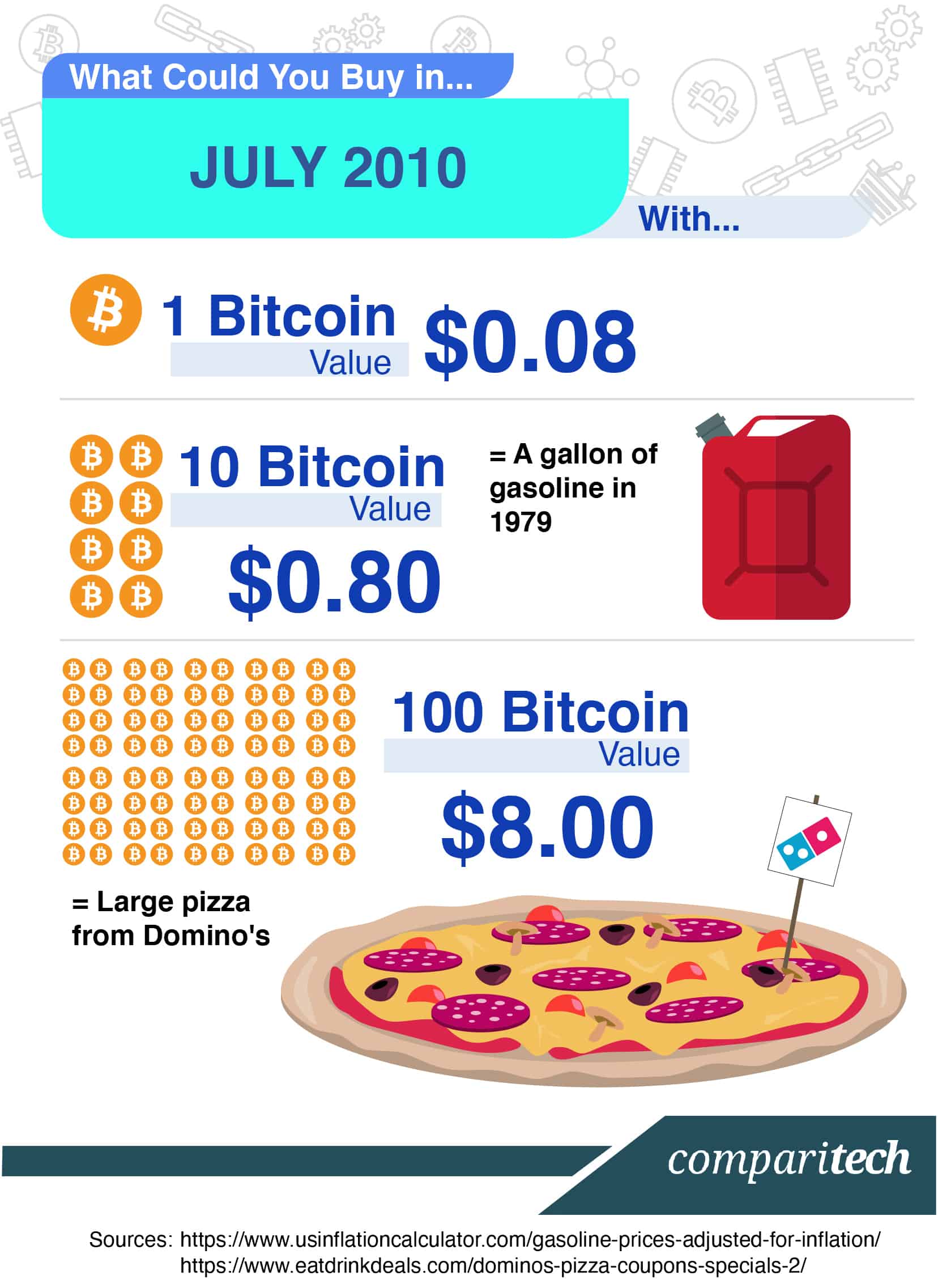
Understanding the instantaneous value of 10 Bitcoins is just the beginning. For any investor, the broader financial implications—from investment strategy to tax liabilities and portfolio management—are equally, if not more, critical.
Investment Horizon: Short-term Speculation vs. Long-term Holding
The decision of what to do with 10 Bitcoins often hinges on an investor’s time horizon and risk tolerance.
- Short-term speculation involves attempting to profit from rapid price swings. This strategy requires constant market monitoring, deep technical analysis, and can be extremely high-risk due to Bitcoin’s volatility. Transaction fees and potential slippage (the difference between the expected price of a trade and the price at which the trade is actually executed) can eat into profits.
- Long-term holding (HODLing) involves buying Bitcoin with the intention of holding it for several years, riding out short-term volatility in anticipation of significant long-term appreciation. This strategy is often favored by those who believe in Bitcoin’s fundamental value proposition as a decentralized, scarce digital asset. It typically incurs fewer transaction costs over time and may qualify for more favorable capital gains tax rates depending on jurisdiction.
Capital Gains Tax Considerations
In many jurisdictions, Bitcoin is treated as property for tax purposes, meaning that when you sell it for a profit, you are liable for capital gains tax. The amount of tax owed can vary significantly based on how long you held the Bitcoin and your overall income bracket.
- Short-term Capital Gains: Profits from Bitcoin held for a relatively short period (e.g., less than one year in the U.S.) are often taxed at your ordinary income tax rate, which can be considerably higher.
- Long-term Capital Gains: Profits from Bitcoin held for longer periods (e.g., more than one year in the U.S.) typically qualify for lower, more favorable long-term capital gains tax rates.
It is imperative to keep meticulous records of all Bitcoin transactions—purchase dates, purchase prices, sale dates, sale prices, and any fees—to accurately calculate your cost basis and capital gains. Consulting a qualified tax professional specializing in digital assets is highly recommended to ensure compliance and optimize your tax strategy.
Diversification and Portfolio Management
Even with a significant holding like 10 Bitcoins, it’s crucial to consider how this asset fits into a broader financial portfolio.
- Risk Mitigation: While Bitcoin offers potential for high returns, its volatility means it also carries substantial risk. Over-concentration in any single asset, including Bitcoin, can expose an investor to undue risk.
- Diversification: A well-diversified portfolio typically includes a mix of asset classes (stocks, bonds, real estate, commodities, and digital assets) to spread risk and potentially enhance returns. The allocation to Bitcoin should align with an individual’s risk tolerance, financial goals, and overall investment strategy. For many, Bitcoin might represent a smaller, albeit high-growth, portion of their overall portfolio.
Liquidity and Transaction Costs
Converting 10 Bitcoins into fiat currency involves practical considerations.
- Liquidity: Bitcoin is highly liquid, meaning it can be bought or sold relatively easily on major exchanges without significantly affecting its price, especially for a quantity like 10 BTC. However, very large institutional transactions can still move the market.
- Transaction Fees: Exchanges charge fees for buying and selling Bitcoin, typically a percentage of the transaction value. Withdrawal fees for transferring Bitcoin off an exchange or converting fiat currency to a bank account also apply. These fees can slightly reduce the net amount received.
- Slippage: In volatile markets, the price displayed when you initiate a trade might not be the exact price at which your order is filled. This “slippage” can occur due to rapid price movements between the time you place the order and when it is executed. For large orders, it might be advisable to use limit orders to ensure execution at a specified price.
Bitcoin as a Component of a Financial Strategy
The decision to acquire, hold, or sell 10 Bitcoins should always be integrated into a comprehensive financial strategy, aligning with personal financial goals and risk assessment.
Risk Assessment and Personal Financial Goals
Before investing in Bitcoin, a thorough personal risk assessment is vital. Investors should only allocate capital they are prepared to lose, given Bitcoin’s speculative nature. Financial goals—whether for retirement, purchasing property, or wealth accumulation—will dictate the appropriate role and size of a Bitcoin holding in one’s portfolio. For some, Bitcoin might be a long-term growth asset, while for others, its inclusion might be more speculative.
The Role of Digital Assets in Modern Portfolios
As digital assets mature, they are increasingly being recognized as a legitimate, albeit distinct, asset class. Bitcoin, as the pioneer and largest cryptocurrency, often serves as the entry point for institutional and retail investors into this space. Its characteristics—decentralization, scarcity, and censorship resistance—offer unique diversification benefits that traditional assets may not provide. However, its correlation with other markets can vary, and its regulatory landscape is still evolving.
Future Outlook: Potential and Pitfalls
The future value of 10 Bitcoins is subject to ongoing debate. Bulls point to increasing institutional adoption, continued inflation hedging narratives, and the network effect as drivers for future appreciation. Bears highlight regulatory risks, potential technological disruptions from competing cryptocurrencies, and systemic market risks as headwinds. Prudent investors acknowledge both the significant upside potential and the inherent risks, avoiding overly optimistic or pessimistic projections. A balanced perspective, coupled with continuous monitoring of market developments and a clear understanding of personal financial capacity, is essential.
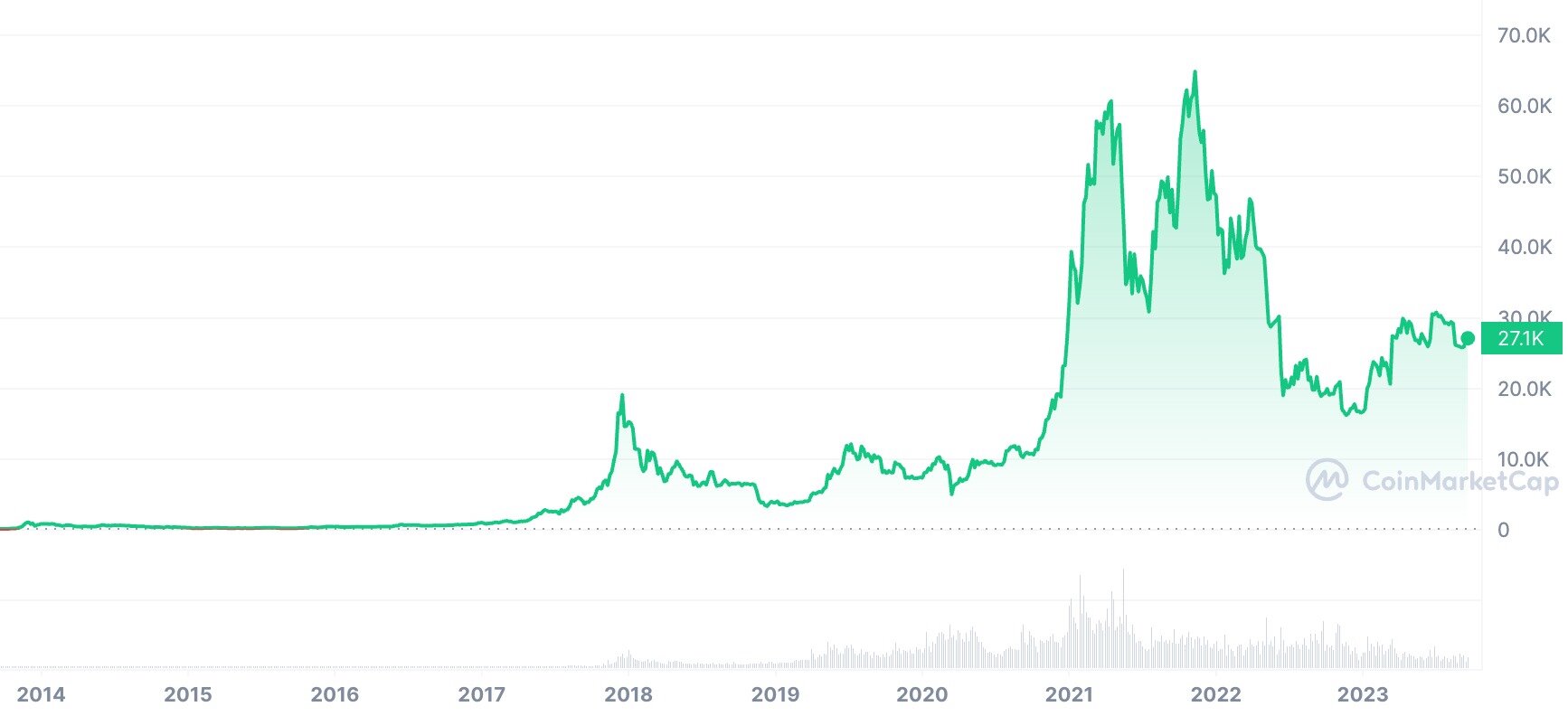
Practical Steps for Managing Bitcoin Holdings
Effective management of 10 Bitcoins involves security, accessibility, and planning.
- Secure Storage: For a significant amount like 10 Bitcoins, using a hardware wallet (cold storage) is highly recommended. This provides superior security against hacks compared to leaving assets on an exchange.
- Backup and Recovery: Implement robust backup strategies for your wallet’s seed phrase or private keys, ensuring you can recover your funds if the device is lost or damaged.
- Regular Review: Periodically review your Bitcoin holdings relative to your overall portfolio and financial goals. Market conditions and personal circumstances can change, necessitating adjustments to your strategy.
- Stay Informed: Keep abreast of regulatory changes, market trends, and technological advancements within the cryptocurrency space to make informed decisions.
In summary, while the calculation for “how much are 10 Bitcoins worth” is a simple multiplication, its implications extend far beyond a mere number. It encapsulates market dynamics, investment strategies, tax planning, and risk management—all integral components of a robust financial approach to digital assets.
aViewFromTheCave is a participant in the Amazon Services LLC Associates Program, an affiliate advertising program designed to provide a means for sites to earn advertising fees by advertising and linking to Amazon.com. Amazon, the Amazon logo, AmazonSupply, and the AmazonSupply logo are trademarks of Amazon.com, Inc. or its affiliates. As an Amazon Associate we earn affiliate commissions from qualifying purchases.