
In the modern landscape of personal finance, the subscription economy has transformed from a niche convenience into a major pillar of monthly household expenditures. At the center of this ecosystem lies Amazon Prime, a service that has evolved from a simple expedited shipping program into a multi-faceted digital powerhouse. For the savvy consumer, understanding the monthly cost of Amazon Prime is not just about knowing the sticker price; it is about evaluating the service’s impact on a broader financial strategy and determining whether the recurring outflow of capital yields a positive return on investment.
The Direct Costs: Understanding Monthly and Annual Tiers
The most immediate answer to the question of cost depends heavily on the consumer’s chosen payment structure. As of the current fiscal year, Amazon offers several distinct pricing tiers designed to cater to different demographic profiles and cash flow preferences.
The Standard Monthly vs. Annual Commitment
For the majority of consumers, the choice falls between the monthly and the annual plan. The standard monthly subscription is currently priced at $14.99. This tier is often preferred by individuals who prioritize liquidity or those who may only need the service for specific periods, such as the holiday shopping season.
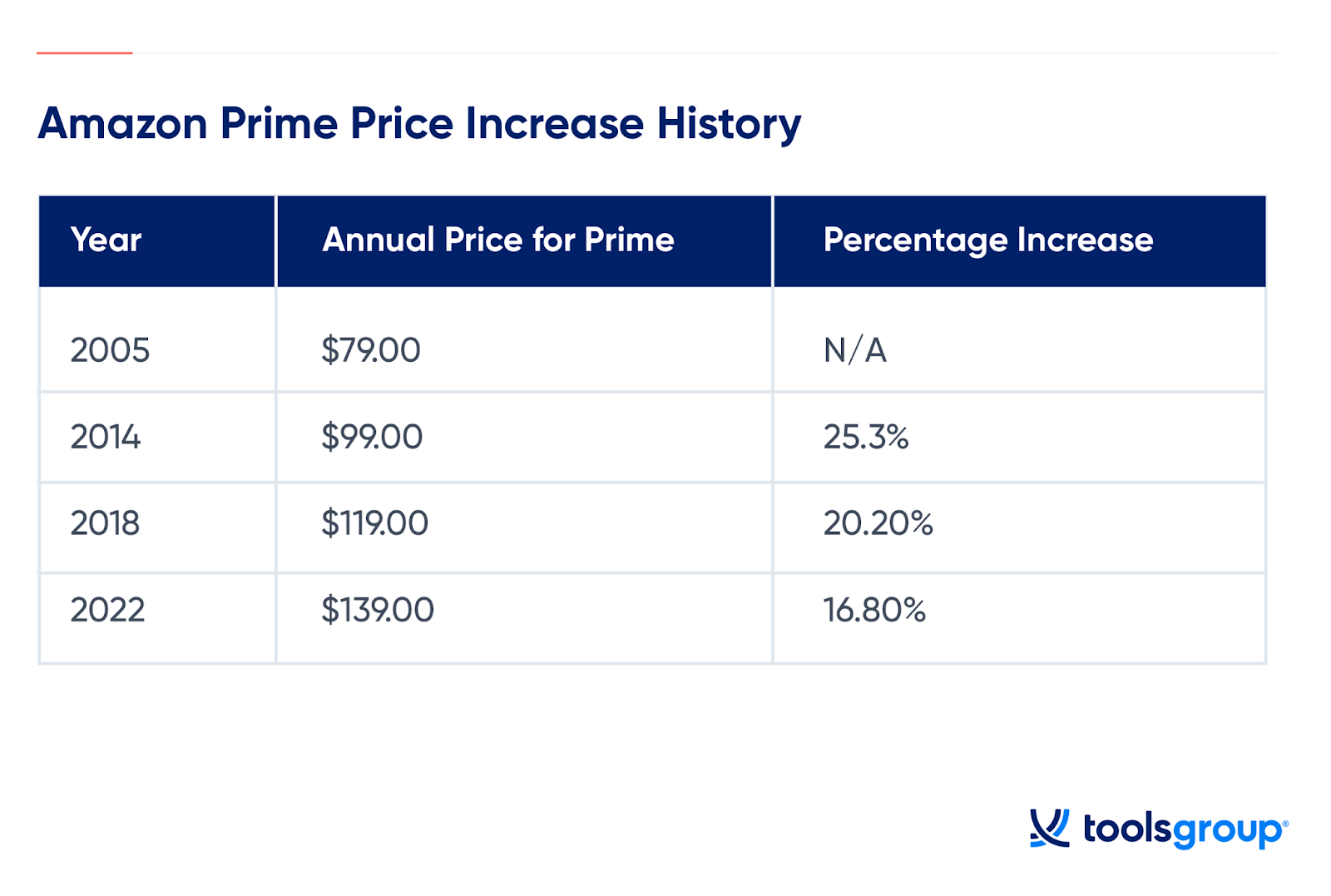
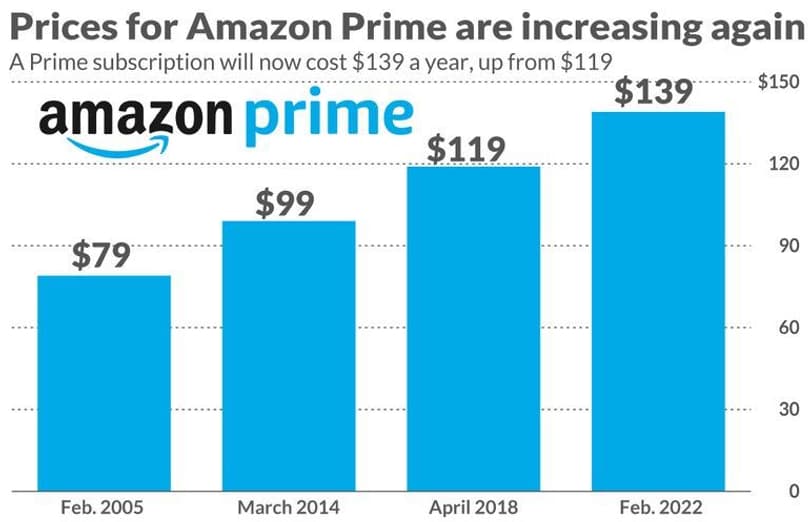
However, from a personal finance perspective, the annual plan—priced at $139 per year—offers a significant discount. When broken down, the annual fee equates to approximately $11.58 per month. By choosing the annual commitment, a consumer saves roughly $40 over the course of a year. This represents a nearly 22% discount, a margin that any disciplined investor would recognize as a substantial “guaranteed return” on their spending.
Specialized Pricing for Students and Qualified Recipients
Recognizing the diverse financial capabilities of its user base, Amazon provides discounted tiers for specific groups. Prime Student is a notable example, currently priced at $7.49 per month or $69 per year. This tier includes a six-month trial period, making it one of the most aggressive loss-leader strategies in the subscription market.
Additionally, Amazon offers “Prime Access” for recipients of certain government assistance programs, such as SNAP or Medicaid. This tier is priced at $6.99 per month. From a budgeting standpoint, these discounted rates are vital for lower-income households to access the logistical savings (such as grocery delivery and bulk discounts) that Prime facilitates without the heavy burden of the full retail price.
The Hidden Costs: Ad-Free Tiers and Incremental Upsells
In recent years, the true monthly cost of Amazon Prime has become more complex due to the introduction of tiered digital services. While the base subscription provides access to a vast library of content, the financial landscape of the platform has shifted toward a “freemium” hybrid model within the subscription itself.
The Ad-Supported Pivot
A significant change in the Prime Video structure recently introduced advertisements to the standard subscription. For users who wish to maintain an ad-free experience, an additional monthly surcharge of $2.99 is required. When this is added to the standard $14.99 monthly fee, the “true” cost of a premium, uninterrupted experience rises to nearly $18 per month. For a household focused on lean spending, this $36 annual increase is a subtle but impactful instance of “subscription creep.”
Add-on Channels and Digital Micro-transactions
Beyond the base fee, the Amazon ecosystem is designed to encourage incremental spending. Prime Video Channels—such as Paramount+, Max, or specialty sports packages—require additional monthly fees ranging from $4.99 to $15.99. Furthermore, Kindle Unlimited and Amazon Music Unlimited are often perceived as part of the Prime umbrella but actually carry separate monthly costs for full access. When auditing a monthly budget, it is essential to distinguish between the base Prime fee and these supplementary digital costs that can easily triple a user’s monthly Amazon-related outflow.
Calculating the ROI: Is the Monthly Expense Justifiable?
From a financial management perspective, a subscription should be viewed as a tool rather than a luxury. To determine if the monthly cost of Amazon Prime is “worth it,” one must conduct a rigorous cost-benefit analysis based on individual consumption patterns.
Shipping Savings and Logistical Efficiency
The primary financial driver for most Prime members is the “free” two-day, one-day, or same-day shipping. To calculate the ROI, a consumer should look at their order history. If the average shipping cost for a non-Prime member is approximately $7 to $10 per order, a user only needs to place two orders a month to break even on the $14.99 monthly fee. For frequent shoppers or those living in rural areas where local retail options are limited and expensive, the shipping savings alone can amount to hundreds of dollars in “saved” capital annually.
Aggregating Digital Services
Another way to view the $14.99 monthly cost is as a consolidation of services. If a consumer uses Prime Video as their primary streaming service, Prime Music for their audio needs, and Amazon Photos for cloud storage, they are effectively replacing three separate subscriptions.
-
A standalone video service (e.g., Netflix): $15.49/month
-
A standalone music service (e.g., Spotify): $10.99/month
-
Cloud storage (e.g., Google One): $1.99/month
In this scenario, the user is getting approximately $28 worth of digital value for $14.99. For the budget-conscious individual, consolidating these services under the Prime umbrella is a strategic move to reduce total monthly overhead.
Financial Strategies to Optimize Prime Spending
Maximizing the value of an Amazon Prime subscription requires more than just using the services; it requires active financial management and leveraging the platform’s internal tools.
Leveraging the Amazon Household Feature
One of the most effective ways to reduce the per-person cost of Prime is through the Amazon Household feature. This allows two adults to share the benefits of a single Prime membership while maintaining separate accounts and payment methods. By splitting the $139 annual fee between two individuals, the cost drops to $69.50 per person, or roughly $5.79 per month. This effectively halves the financial burden without sacrificing service quality.
Credit Card Integration and Cash Back
For those who do the bulk of their household shopping on Amazon, the Prime Visa credit card acts as a powerful financial multiplier. The card offers 5% back on all Amazon and Whole Foods purchases for Prime members. If a household spends $500 a month on groceries and household essentials through Amazon, they earn $25 in cash back. This monthly reward doesn’t just cover the cost of the $14.99 subscription; it generates an additional $10 in net profit. In this context, the Prime membership moves from a cost center to a revenue-generating asset within the household budget.
Timing the Subscription
For consumers who are not frequent shoppers, the most fiscally responsible path is “subscription cycling.” Instead of maintaining a year-round membership, one can subscribe for a single month ($14.99) during high-volume periods—such as July for Prime Day or December for holiday shopping—and then cancel the service for the remainder of the year. This targeted spending approach ensures that capital is only deployed when the utility of the service is at its peak.

The Long-Term Impact of Subscription Bloat
While $14.99 a month may seem negligible in isolation, it is a component of the larger “subscription bloat” that affects modern financial health. Over ten years, a standard Prime membership (at current prices) represents a $1,390 to $1,798 investment. If that same monthly amount were invested in a low-cost index fund with a 7% average annual return, it could grow to over $2,500.
This opportunity cost is the hidden price of all recurring subscriptions. Therefore, the decision to maintain an Amazon Prime membership should be reviewed annually. If the shipping savings, digital content value, and cash-back rewards do not collectively exceed the annual fee, the most sound financial decision is to divert that capital toward high-interest savings or debt reduction.
In conclusion, the monthly cost of Amazon Prime is a variable figure that ranges from $6.99 to $17.98 depending on the user’s status and preferences. However, the true cost is measured in the efficiency of the spend. By understanding the tiers, leveraging household sharing, and utilizing integrated financial tools like cash-back cards, consumers can transform Amazon Prime from a simple monthly expense into a strategic component of a well-managed personal finance portfolio.
aViewFromTheCave is a participant in the Amazon Services LLC Associates Program, an affiliate advertising program designed to provide a means for sites to earn advertising fees by advertising and linking to Amazon.com. Amazon, the Amazon logo, AmazonSupply, and the AmazonSupply logo are trademarks of Amazon.com, Inc. or its affiliates. As an Amazon Associate we earn affiliate commissions from qualifying purchases.