
For the majority of households, a vehicle represents the second-largest financial outlay after housing. Unlike a home, however, a car is typically a depreciating asset. Understanding exactly how much a car is worth is not just a matter of curiosity; it is a critical component of personal finance management, insurance planning, and strategic wealth building. Whether you are looking to sell, trade in, or simply assess your net worth, grasping the variables that dictate automotive value allows you to make informed decisions that can save or earn you thousands of dollars.
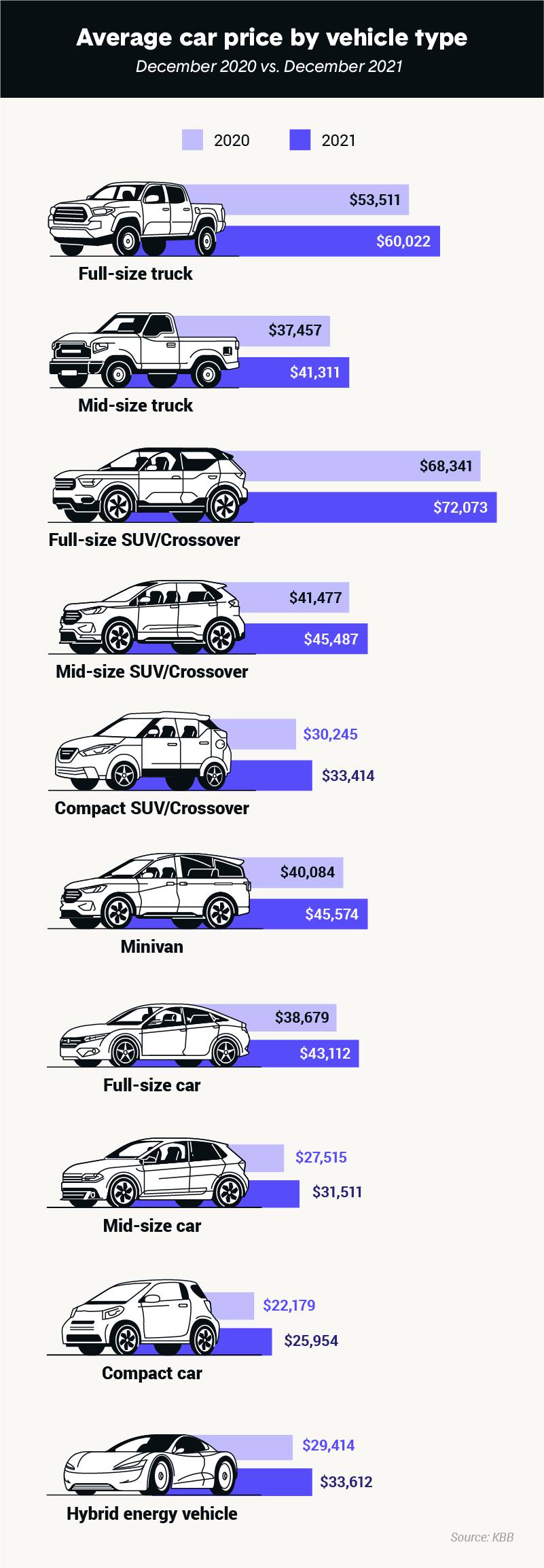
In the modern economy, vehicle valuation has become increasingly complex. The traditional “blue book” values are now augmented by real-time data analytics, shifting consumer preferences toward electric vehicles, and a volatile used car market influenced by global supply chain fluctuations. To truly understand a car’s worth, one must look beyond the sticker price and examine the underlying financial principles of depreciation, market demand, and asset preservation.
Understanding Depreciation: The Silent Cost of Vehicle Ownership
Depreciation is the single largest expense of car ownership, often exceeding the costs of fuel, insurance, or maintenance. From a financial perspective, depreciation is the difference between the price paid for a vehicle and its value when it is eventually sold or traded. Most new vehicles lose approximately 15% to 20% of their value the moment they are driven off the lot, and this decline continues at a rate of roughly 10% to 15% per year for the first five years.
Factors Influencing Initial Value Drop
The initial “hit” a new car takes is primarily due to the transition from a retail product to a wholesale commodity. When a consumer buys a new car, they pay a retail price that includes the manufacturer’s profit and the dealer’s markup. As soon as the title is signed, that car is “used,” and its value drops to what a dealer would be willing to pay for it at auction or as a trade-in.
Furthermore, brand perception plays a massive role in early depreciation. Luxury brands that are expensive to maintain or brands with a history of poor reliability often see steeper initial drops. Conversely, brands known for longevity and low cost of ownership tend to hold their value significantly better in those crucial first 36 months.
Long-Term Depreciation Curves by Class
Not all vehicles depreciate at the same rate. Financial analysts categorize cars into classes to predict their value retention. For example, mid-sized trucks and SUVs often retain a higher percentage of their value compared to luxury sedans. This is due to utility demand; a truck has a functional lifespan that remains valuable to a secondary market of laborers and enthusiasts even as it ages.
Conversely, high-end electric vehicles (EVs) have shown unique depreciation curves. While they benefit from lower operating costs, the rapid advancement of battery technology can make older models feel obsolete faster than internal combustion engine (ICE) vehicles, potentially accelerating depreciation. Understanding these curves is essential for calculating the total cost of ownership (TCO).
Key Indicators of Market Value
While depreciation provides a general framework, the specific worth of an individual car is determined by several concrete indicators. These factors are what appraisers and automated valuation tools use to pin down a dollar amount.
Mechanical Condition and Maintenance History
In the realm of personal finance, a car is a machine that performs a service. Its value is inextricably linked to its ability to continue performing that service without requiring massive capital injections. A vehicle with a documented history of regular oil changes, brake services, and belt replacements is worth significantly more than an identical model with no records.
From a valuation standpoint, “preventative maintenance” acts as a form of insurance for the next buyer. If you can prove that the vehicle has been cared for according to the manufacturer’s schedule, you reduce the perceived risk for the buyer, which allows you to command a premium price.
Mileage and Usage Patterns
Mileage is often used as a shorthand for a vehicle’s remaining life. The industry average is roughly 12,000 to 15,000 miles per year. A car that falls significantly below this average is often valued higher, provided it hasn’t suffered from “disuse syndrome,” where rubber components degrade from lack of movement.
However, the type of miles matters as much as the number. 50,000 “highway miles” are generally less taxing on a vehicle’s engine and transmission than 20,000 miles of stop-and-go city driving or heavy towing. When assessing worth, financial professionals look for signs of heavy wear that high mileage usually indicates, such as pedal wear, seat bolster sagging, and suspension fatigue.
Regional Demand and Economic Trends
The value of a car is not static across different geographies. A convertible is worth more in Florida than in Alaska; a four-wheel-drive SUV commands a premium in the Rocky Mountains compared to the flatlands of the Midwest.

Economic trends also dictate value. During periods of high fuel prices, the value of fuel-efficient hybrids and subcompacts tends to rise, while the value of large, gas-guzzling SUVs may plummet. Monitoring these macroeconomic shifts allows a car owner to time their exit from an asset when demand is at its peak.
Financial Tools and Resources for Accurate Valuation
To determine how much a car is worth today, owners should leverage a variety of digital tools and market data. Relying on a single source can lead to an inaccurate assessment, as different platforms use different algorithms and data sets.
Leveraging Online Appraisal Engines
Tools like Kelley Blue Book (KBB), Edmunds, and NADA Guides are the standard starting points. These platforms aggregate millions of transaction data points from auctions and dealership sales.
-
KBB is widely recognized by consumers and provides a “Fair Purchase Price” and “Trade-in Value.”
-
NADA Guides are frequently used by credit unions and banks to determine loan-to-value ratios.
-
Edmunds offers a “True Market Value” (TMV) which aims to reflect what people are actually paying in your specific zip code.
By cross-referencing these three, you can find a “value range” that provides a realistic expectation of the car’s worth.
Private Party vs. Trade-In Value
It is vital to distinguish between these two figures. The trade-in value is what a dealer will give you. It is almost always lower than the market value because the dealer must account for reconditioning costs, overhead, and their own profit margin.
The private party value is what you can expect to receive if you sell the car yourself to another individual. This is typically 10% to 20% higher than the trade-in value. From a wealth-maximization perspective, selling privately is almost always the superior choice, though it requires an investment of time and effort in marketing and negotiation.
Strategies to Maximize Your Car’s Resale Value
If you view your car as a financial asset, your goal should be to minimize the gap between your purchase price and your selling price. This is achieved through proactive asset management.
Documentation and Transparency
Keep every receipt. A thick folder of maintenance records is a powerful negotiating tool. In the digital age, transferring a digital service history (via apps like CARFAX Car Care) can also validate the vehicle’s worth. Transparency regarding previous accidents is also crucial. A car with a “clean title” is worth significantly more than one with a “salvage” or “rebuilt” title, which can reduce value by 50% or more and make the vehicle difficult to finance or insure.
Strategic Timing for the Sale
Valuation is seasonal. For instance, four-wheel-drive vehicles often see a price bump in the late autumn as buyers prepare for winter. Conversely, sports cars and convertibles are most valuable in the spring. Furthermore, selling a car just before it hits a major mileage milestone (like 100,000 miles) can preserve its value, as many buyers have a psychological barrier against six-figure odometer readings.
The Role of a Car in Your Personal Financial Portfolio
Finally, one must consider the car’s worth within the broader context of their financial health. A car is often a “leaking bucket” in a portfolio, but it is a necessary one for generating income (by providing transportation to work).
Assessing the Opportunity Cost of Vehicle Upgrades
When considering selling a car because its value has dropped, or because it needs repairs, one must calculate the opportunity cost. If your current car is worth $5,000 and needs a $2,000 repair, but a new car would cost $40,000, the “worth” of your current car is bolstered by the $33,000 you keep in your investment accounts by not upgrading.

Deciding Between Repair and Replacement
A common financial dilemma is whether a car is “worth” fixing. The rule of thumb in personal finance is that if the annual cost of repairs exceeds the annual cost of a replacement (including depreciation and insurance increases), it is time to sell. However, if the car is paid off, even a $3,000 repair is often cheaper than 12 months of $500 car payments.
In conclusion, knowing how much a car is worth requires a blend of market research, mechanical awareness, and economic timing. By treating your vehicle as a managed asset rather than just a mode of transport, you can significantly reduce your lifetime transportation costs and retain more of your hard-earned capital. Understanding the nuances of valuation ensures that when the time comes to transition to a new vehicle, you are doing so from a position of financial strength.
aViewFromTheCave is a participant in the Amazon Services LLC Associates Program, an affiliate advertising program designed to provide a means for sites to earn advertising fees by advertising and linking to Amazon.com. Amazon, the Amazon logo, AmazonSupply, and the AmazonSupply logo are trademarks of Amazon.com, Inc. or its affiliates. As an Amazon Associate we earn affiliate commissions from qualifying purchases.