
The question “how much is 1 Bitcoin worth?” is deceptively simple, yet its answer is anything but static. Unlike traditional currencies whose values fluctuate within relatively stable bands against other global assets, Bitcoin’s worth is a dynamic, often volatile figure, determined minute by minute by a complex interplay of market forces, technological developments, and global sentiment. From its enigmatic beginnings as a niche digital experiment to its current status as a formidable global asset class, Bitcoin has continually defied predictions, challenging conventional understandings of value and investment. Understanding Bitcoin’s worth, therefore, is not merely about checking a price ticker; it’s about comprehending a revolutionary financial asset that operates outside the traditional banking system, driven by principles of decentralization, scarcity, and cryptographic security.
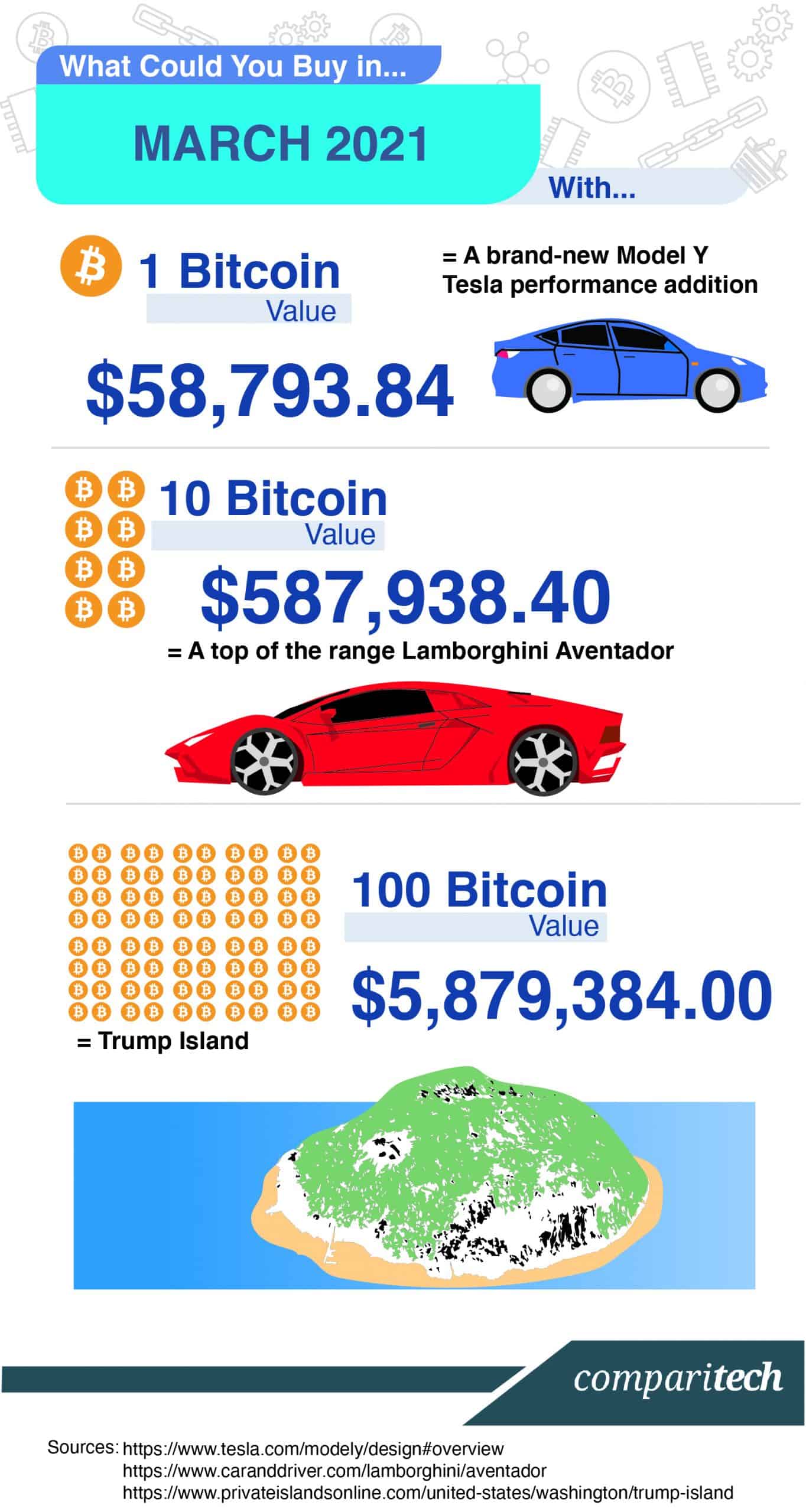
This article delves into the intricate mechanisms that determine Bitcoin’s value, exploring the myriad factors that influence its price and offering insights into its potential future trajectory. For anyone looking to understand this digital gold, whether as a potential investment or a significant financial innovation, grasping the multifaceted nature of its worth is paramount.
Understanding Bitcoin’s Volatility: The Dynamic Nature of Its Value
Bitcoin’s most striking characteristic, from a financial perspective, is its inherent volatility. Its price can swing dramatically within hours, making it both an alluring prospect for speculative investors and a challenging asset for those seeking stability. This dynamic nature is rooted in several factors inherent to its design and market operation.
Real-Time Market Fluctuations
Bitcoin’s price is determined by supply and demand on numerous cryptocurrency exchanges operating 24/7 globally. Unlike traditional stock markets with opening and closing hours, the crypto market never sleeps. Billions of dollars worth of Bitcoin are traded daily, with each buy and sell order contributing to its real-time valuation. When demand outstrips supply, the price rises; when sellers dominate, the price falls. This constant interplay of bids and asks creates an always-on, liquid market that reflects immediate sentiment and trading activity across the world. The fragmented nature of these exchanges also means that slight price discrepancies can exist between platforms, though arbitrageurs usually quickly iron these out.
Historical Context of Price Swings
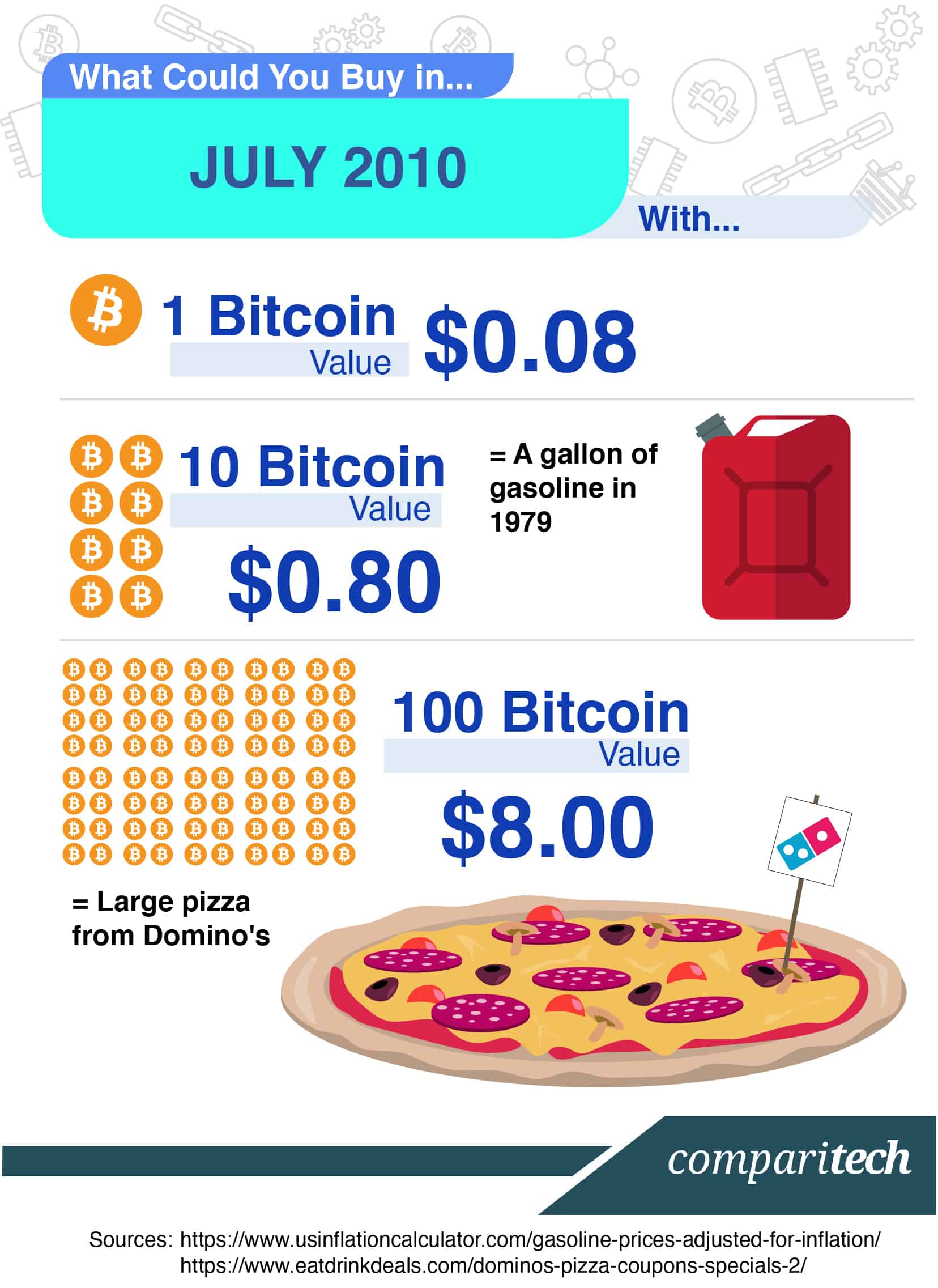
A look at Bitcoin’s history reveals a pattern of dramatic price cycles. From its initial valuation of fractions of a penny to reaching multiple all-time highs, only to experience significant pullbacks, Bitcoin has demonstrated an extreme form of market behavior. These cycles, often referred to as “bull runs” and “bear markets,” are characterized by periods of exponential growth followed by sharp corrections, sometimes losing 70-80% of their value. These historical swings serve as a potent reminder of the asset’s unpredictable nature and the high risks associated with short-term speculation. Understanding these patterns, while not predictive, helps investors contextualize current price movements within Bitcoin’s broader journey.
Comparing Bitcoin to Traditional Assets
When juxtaposed with traditional financial assets like stocks, bonds, or commodities such as gold, Bitcoin’s volatility stands out. Stocks, while subject to market risks, typically exhibit less extreme percentage movements over short periods (barring major economic events). Bonds are generally considered even more stable, offering fixed income. Gold, often seen as a safe-haven asset, historically maintains its value and acts as a hedge against inflation, though it too has its price fluctuations. Bitcoin, on the other hand, combines elements of a speculative tech stock, a store of value, and a global currency, all within a nascent asset class, contributing to its unique risk-reward profile and elevated volatility. This comparison underscores the need for investors to approach Bitcoin with a clear understanding of its distinct market dynamics and inherent risks.
Factors Influencing Bitcoin’s Price: What Drives Its Worth?
Beyond immediate supply and demand, a multitude of underlying factors contribute to Bitcoin’s valuation, ranging from its fundamental economic model to external macroeconomic pressures and evolving regulatory landscapes.
Supply and Demand Dynamics
At its core, Bitcoin’s value is influenced by classic economic principles of supply and demand. However, Bitcoin introduces unique twists to this equation. Its supply is algorithmically capped at 21 million coins, ensuring ultimate scarcity. Furthermore, new Bitcoins are introduced through a process called “mining,” and the rate at which they are introduced is halved approximately every four years, an event known as “the halving.” These halving events reduce the new supply entering the market, historically preceding significant price increases as demand often continues to grow against a diminishing new supply. This fixed and predictable supply schedule, contrasted with the potentially infinite supply of fiat currencies, underpins its appeal as a scarce asset.
Macroeconomic Factors
Global macroeconomic conditions play an increasingly significant role in Bitcoin’s valuation. When traditional financial markets face uncertainty, inflation concerns rise, or interest rates fluctuate, investors often seek alternative assets. Bitcoin has, at times, been championed as a hedge against inflation and a “safe haven” during economic instability, similar to gold. Conversely, when the global economy appears stable and traditional investments yield strong returns, riskier assets like Bitcoin might see reduced interest. Government fiscal policies, central bank actions, and geopolitical events can all ripple through financial markets, influencing investor appetite for digital assets.
Regulatory Landscape
The stance of governments and financial regulators worldwide profoundly impacts Bitcoin’s price. Positive regulatory developments, such as the approval of Bitcoin Exchange-Traded Funds (ETFs) in major economies, can signal legitimization, attract institutional capital, and provide easier access for retail investors. Conversely, outright bans, severe restrictions, or uncertainty regarding taxation and compliance can trigger sell-offs and deter new investment. The fragmented and evolving global regulatory environment creates both opportunities and significant headwinds for Bitcoin’s broader acceptance and price stability.
Technological Developments and Adoption
The underlying technology and its practical adoption are crucial drivers of Bitcoin’s long-term worth. Improvements to the Bitcoin network, such as advancements in scalability solutions like the Lightning Network, enhance its utility as a medium of exchange. Increased merchant adoption, integration into payment systems, and the development of user-friendly wallets contribute to its practical value. Furthermore, the growth of the broader crypto ecosystem, including decentralized finance (DeFi) and non-fungible tokens (NFTs), can indirectly boost Bitcoin by increasing overall interest and liquidity in digital assets.
Media and Social Sentiment
Public perception, media coverage, and social media trends can exert considerable influence on Bitcoin’s short-term price movements. Positive news stories, celebrity endorsements, or viral social media campaigns can generate “fear of missing out” (FOMO), driving up demand. Conversely, negative news, security breaches, or influential figures expressing skepticism can trigger “fear, uncertainty, and doubt” (FUD), leading to sell-offs. The highly networked and global nature of crypto communities means that sentiment can shift rapidly and spread widely, amplifying price swings.
The Mechanics of Bitcoin Valuation: Beyond Supply and Demand
While supply and demand are fundamental, Bitcoin’s valuation is also intrinsically linked to its unique properties and the network it underpins. These mechanics contribute to its perceived inherent value and distinguish it from purely speculative assets.
Network Effect and Utility
Bitcoin’s value is bolstered by its powerful network effect. As more users, developers, businesses, and institutions adopt Bitcoin, its utility and security increase. A larger network makes Bitcoin more valuable as a medium of exchange (more places accept it), a store of value (more trust in its long-term viability), and a platform for innovation. The continuous development of tools, services, and applications built around Bitcoin expands its ecosystem, making it more indispensable. Its utility as a censorship-resistant, permissionless global money system adds a distinct layer of value not found in traditional financial instruments.
Scarcity and Digital Gold Narrative
The narrative of Bitcoin as “digital gold” is a significant driver of its worth. Like gold, Bitcoin is scarce, durable, divisible, and difficult to counterfeit. In an era of expansive monetary policies and concerns about fiat currency debasement, Bitcoin’s fixed supply cap of 21 million positions it as a potential hedge against inflation and a store of value. This narrative resonates with investors seeking an asset that cannot be arbitrarily inflated by central banks, giving it a perceived intrinsic value akin to precious metals. The halving events further reinforce this scarcity, making each Bitcoin unit progressively rarer over time relative to its growing demand.
Transaction Volume and Network Security
The volume of transactions processed on the Bitcoin network and its overall security are vital metrics influencing its perceived worth. High transaction volumes indicate active use and utility, suggesting robust demand for its underlying service. Crucially, the security of the Bitcoin network, measured by its hash rate (the total computational power used for mining), directly impacts trust. A higher hash rate makes the network more resilient to attacks, reinforcing its integrity and reassuring users and investors about the safety of their holdings. A secure and active network forms the bedrock of Bitcoin’s functional value.
Institutional Interest and Derivatives Markets
The entry of institutional investors has been a game-changer for Bitcoin’s market mechanics. Major financial institutions, hedge funds, and corporate treasuries allocating capital to Bitcoin not only inject significant liquidity but also lend credibility to the asset class. The growth of Bitcoin futures, options, and ETF markets allows institutional players to gain exposure to Bitcoin without directly holding the underlying asset, providing hedging tools and arbitrage opportunities. This institutionalization often brings increased liquidity, potentially reduces some volatility by attracting larger, longer-term capital, and integrates Bitcoin more deeply into the global financial system.
Investing in Bitcoin: Strategies and Considerations
For those considering an investment in Bitcoin, understanding its dynamic worth necessitates a strategic approach, mindful of its unique risks and opportunities.
Dollar-Cost Averaging (DCA)
Given Bitcoin’s volatility, one popular investment strategy is Dollar-Cost Averaging (DCA). This involves investing a fixed amount of money at regular intervals (e.g., weekly or monthly), regardless of the price. The advantage of DCA is that it removes the emotional element of trying to time the market. When the price is high, your fixed amount buys fewer Bitcoins; when the price is low, it buys more. Over time, this strategy can average out the purchase price and potentially reduce the overall risk associated with market fluctuations.
Long-Term vs. Short-Term Holdings
Investors typically fall into two categories: long-term holders (often called “HODLers”) and short-term traders. HODLers believe in Bitcoin’s long-term potential and are prepared to weather significant price swings, often holding for years. Their strategy is based on the conviction that Bitcoin will appreciate considerably over time. Short-term traders, on the other hand, attempt to profit from Bitcoin’s rapid price movements through active buying and selling. This approach requires significant market knowledge, risk management, and can be highly stressful and capital-intensive due to the high volatility and potential for swift losses.
Risk Management and Diversification
Investing in Bitcoin carries substantial risk. It’s crucial for investors to understand their personal risk tolerance and never invest more than they can afford to lose. Bitcoin should be considered part of a diversified investment portfolio, not the entirety of it. Allocating a small, carefully considered percentage of one’s total investment capital to Bitcoin allows participation in its potential upside without exposing the entire portfolio to its extreme volatility. Diversification across different asset classes helps mitigate the impact of any single asset’s underperformance.
Choosing a Secure Exchange and Wallet
Security is paramount when dealing with Bitcoin. Investors must select reputable cryptocurrency exchanges that have robust security measures, insurance, and a strong track record. Furthermore, understanding the difference between hot wallets (online, connected to the internet) and cold wallets (offline hardware devices) is critical. Cold wallets offer superior security for larger holdings, protecting assets from online hacks. Proper password hygiene, two-factor authentication, and understanding how to securely store private keys are non-negotiable for any Bitcoin investor.
Tax Implications
The tax implications of buying, selling, or using Bitcoin vary significantly by jurisdiction. Many countries treat Bitcoin as property for tax purposes, meaning capital gains taxes may apply when selling Bitcoin for a profit. Using Bitcoin for purchases or receiving it as income can also trigger taxable events. It is essential for investors to research and understand the tax laws in their specific region and to keep meticulous records of all Bitcoin transactions to ensure compliance. Consulting with a financial advisor specializing in cryptocurrency taxation is highly recommended.
The Future Outlook for Bitcoin’s Worth: What Lies Ahead?
Predicting the precise future worth of Bitcoin is impossible, but examining current trends and potential developments can offer an insightful perspective on its trajectory and evolving role in the global financial landscape.
Continued Mainstream Adoption
One of the most significant drivers for Bitcoin’s future worth lies in its continued mainstream adoption. As more businesses accept Bitcoin for payments, as traditional financial institutions offer Bitcoin-related products, and as ordinary individuals become more comfortable using digital assets, its utility and demand will naturally increase. This mainstreaming could see Bitcoin transitioning from a speculative asset to a more widely accepted medium of exchange and a fundamental component of global finance. Innovations in user experience and accessibility will be key to accelerating this trend.
Potential Regulatory Frameworks
The maturation of global regulatory frameworks will heavily influence Bitcoin’s stability and growth. Clear, consistent, and supportive regulations could provide the necessary certainty for institutional investment and broad public acceptance, potentially reducing volatility by establishing clear guidelines and protections. Conversely, overly restrictive or fragmented regulations could hinder innovation and adoption. The ongoing dialogue between policymakers and the crypto industry will shape how Bitcoin is integrated into the existing financial system.
Technological Evolution and Competition
Bitcoin’s underlying technology, while robust, continues to evolve. Improvements in scalability, privacy, and interoperability will enhance its functionality and appeal. However, Bitcoin also operates within a rapidly innovating ecosystem of thousands of other cryptocurrencies. While Bitcoin benefits from its first-mover advantage and strong network effect, competition from other blockchain networks offering different features or solutions could influence its relative dominance and valuation. Bitcoin’s ability to adapt and maintain its leadership position will be crucial.
Bitcoin as a Global Reserve Asset?
A long-term, ambitious outlook for Bitcoin envisions its potential emergence as a global reserve asset, or at least a significant component of central bank reserves and corporate treasuries. Given its finite supply and censorship resistance, some argue it could serve as a superior store of value in an increasingly digital and interconnected world, offering an alternative to traditional reserve currencies and gold. While a distant prospect, the growing institutional interest and macroeconomic conditions could slowly push Bitcoin towards this monumental role, significantly impacting its long-term worth.

The Enduring Narrative of Scarcity and Decentralization
Ultimately, Bitcoin’s enduring worth will likely remain tied to its foundational principles: absolute scarcity and decentralization. In a world grappling with inflation, geopolitical instability, and digital censorship, an asset that is provably scarce, cannot be manipulated by any single entity, and offers a robust, permissionless monetary network will likely retain significant value. These fundamental characteristics are what initially drew many to Bitcoin and are likely to underpin its value for the foreseeable future, making it a compelling, albeit complex, asset in the modern financial landscape.
In conclusion, the worth of 1 Bitcoin is a multifaceted calculation, shifting based on immediate market dynamics, macroeconomic forces, regulatory environments, technological advancements, and evolving narratives. While its volatility remains a defining trait, its unique properties as a scarce, decentralized digital asset suggest a future where its value continues to be a subject of intense interest and significant financial impact. For any individual or institution, understanding these underlying drivers is essential to navigating the opportunities and challenges presented by this groundbreaking digital currency.
aViewFromTheCave is a participant in the Amazon Services LLC Associates Program, an affiliate advertising program designed to provide a means for sites to earn advertising fees by advertising and linking to Amazon.com. Amazon, the Amazon logo, AmazonSupply, and the AmazonSupply logo are trademarks of Amazon.com, Inc. or its affiliates. As an Amazon Associate we earn affiliate commissions from qualifying purchases.