
The question “how many years is a mortgage?” seems straightforward, yet its answer is anything but singular. For most aspiring homeowners, securing a mortgage is the largest financial commitment they will ever make, fundamentally shaping their personal finance landscape for decades. Understanding the typical duration of a home loan, alongside the various factors that influence it, is crucial for making informed decisions that align with your financial goals and long-term security.
While a few standard terms dominate the market, the actual lifespan of your mortgage can vary significantly based on your choices, financial circumstances, and even proactive strategies you employ. This deep dive will explore the common mortgage durations, their inherent trade-offs, and the strategic considerations that empower you to tailor this monumental financial product to your individual needs. From the prevailing 30-year fixed-rate to more aggressive shorter terms and adaptable loan structures, we will dissect the implications of each, providing a professional and insightful guide to navigating the intricate world of home financing.
The Standard Bearers: Understanding Common Mortgage Terms
When embarking on the journey to homeownership, you’ll quickly encounter a few dominant mortgage terms that serve as industry standards. These established durations offer different blends of affordability, total cost, and the pace at which you build equity in your home. Understanding the nuances of each is fundamental to selecting the right path for your financial future.
The Reign of the 30-Year Fixed-Rate Mortgage
The 30-year fixed-rate mortgage stands as the undisputed king of home financing in many parts of the world, particularly the United States. Its popularity stems from a compelling combination of affordability and stability, making homeownership accessible to a vast demographic. With a 30-year term, your monthly principal and interest payment remains constant for the entire three decades, shielding you from interest rate fluctuations and providing predictable budgeting. This extended repayment period significantly lowers your monthly obligations compared to shorter terms, freeing up cash flow for other financial priorities like savings, investments, or managing other debts. For many first-time homebuyers or those with other significant financial commitments, the lower monthly payment of a 30-year mortgage is often the most critical factor in qualifying for a loan and fitting it into their budget. It allows a longer runway for income growth and wealth accumulation, potentially making the dream of owning a home a tangible reality.
However, the allure of the 30-year mortgage comes with a significant trade-off: the total interest paid over the life of the loan. Because the principal is amortized over a longer period, a substantial portion of your early payments goes towards interest, leading to a much higher overall cost compared to a shorter term. While the monthly payments are manageable, you’ll be accruing interest for three full decades, which can amount to hundreds of thousands of dollars more than if you opted for a shorter loan. This extended period also means slower equity build-up in the initial years, as a larger percentage of your payment is allocated to interest rather than chipping away at the principal balance. For individuals nearing retirement or those with a strong desire to pay off their home quickly, this longer duration can be a considerable disadvantage, potentially impacting their long-term financial independence.
The Accelerated Path: Exploring 15-Year and Shorter Terms
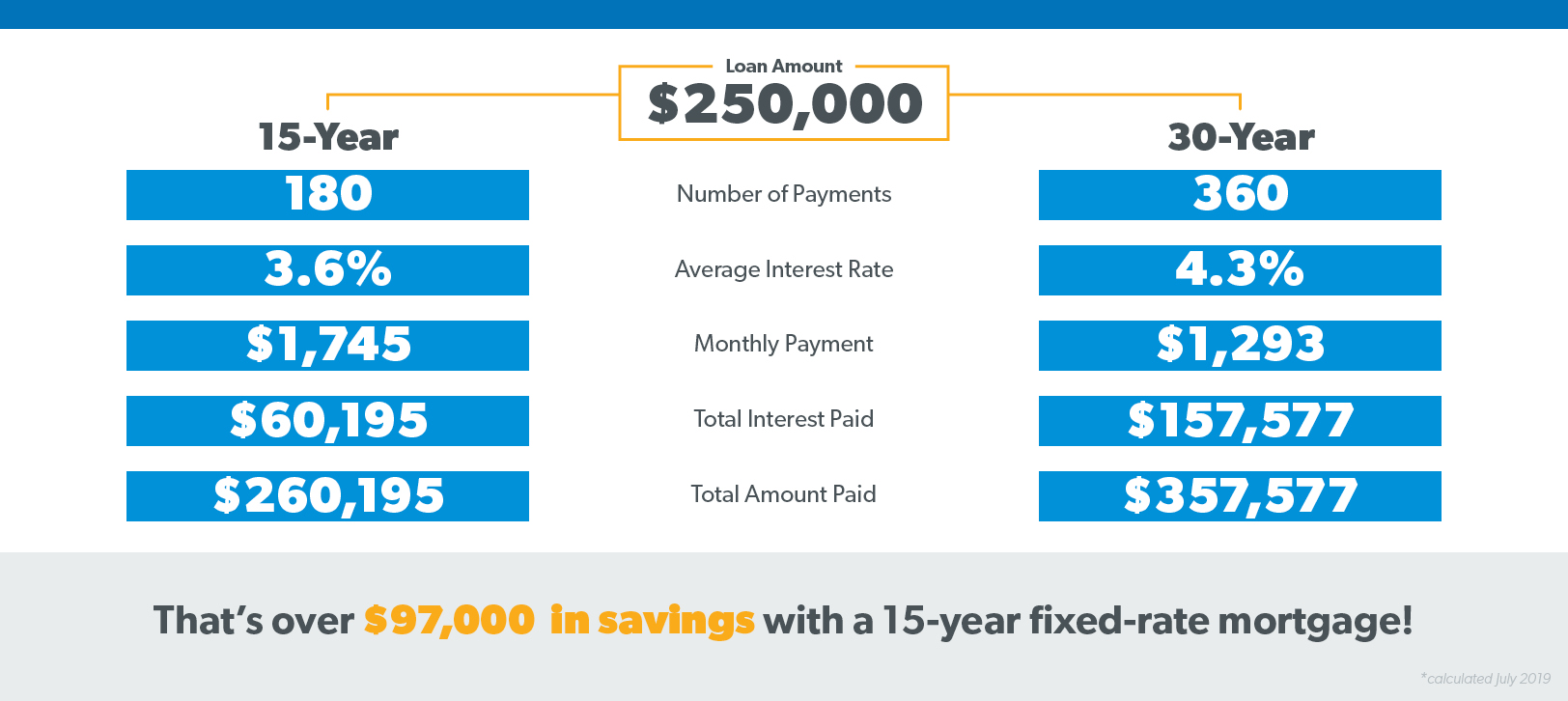
While the 30-year term dominates, a growing number of homeowners and savvy financial planners advocate for shorter mortgage terms, most notably the 15-year fixed-rate mortgage. This option offers a compelling alternative for those who prioritize paying off their home faster and dramatically reducing the overall cost of their loan. With a 15-year term, the interest rate offered by lenders is often slightly lower than that for a 30-year loan, and the principal is paid down at an accelerated pace. The most significant advantage is the massive savings in interest over the life of the loan. By cutting the repayment period in half, borrowers can save tens or even hundreds of thousands of dollars in interest, effectively making their home much cheaper in the long run. Furthermore, faster principal reduction means quicker equity accumulation, providing a greater sense of financial security and freedom sooner.
The primary hurdle for the 15-year mortgage is the significantly higher monthly payment. To pay off the same loan amount in half the time, your monthly principal and interest obligation will be substantially larger, sometimes 30-50% higher than a comparable 30-year loan. This demands a robust and stable income, making it less accessible for individuals with tight budgets or significant competing financial demands. However, for those with sufficient income and a strong financial discipline, the 15-year term offers an expedited path to debt-free homeownership, liberating funds for retirement, investments, or other significant life goals sooner.
Beyond the 15-year term, even shorter durations like 10-year or bi-weekly payment strategies exist, though they are less common for initial mortgages. A 10-year mortgage, for instance, offers the most aggressive path to interest savings but comes with an even higher monthly payment, typically suited for high-income earners or those making a substantial down payment. Bi-weekly payments, on the other hand, are a clever strategy to effectively shave years off a standard 30-year mortgage. By making half of your monthly payment every two weeks, you end up making 26 half-payments annually, which equates to 13 full monthly payments per year instead of 12. This extra payment goes directly to principal, significantly reducing the loan term and total interest paid without the drastic jump in individual payment amounts associated with refinancing to a shorter loan.
Beyond Fixed Terms: Understanding Dynamic Mortgage Structures
While fixed-rate mortgages offer stability, the market also presents dynamic loan structures designed to cater to different risk tolerances, market conditions, and financial strategies. These options can introduce flexibility, but also varying degrees of uncertainty regarding the ultimate length and cost of your mortgage.
The Adaptability and Risks of Adjustable-Rate Mortgages (ARMs)
Adjustable-Rate Mortgages (ARMs) represent a significant departure from the predictable fixed-rate structure. ARMs typically feature an initial fixed-rate period, often 5, 7, or 10 years (e.g., a 5/1 ARM means the rate is fixed for five years, then adjusts annually). During this introductory period, the interest rate is often lower than that of a comparable 30-year fixed-rate mortgage, making ARMs attractive for borrowers seeking lower initial monthly payments or those who plan to sell or refinance before the fixed period ends. After the fixed period expires, the interest rate adjusts periodically (usually annually) based on an index (like SOFR) plus a margin. This means your monthly payment can go up or down, introducing an element of unpredictability to your long-term budget.
The lifespan of an ARM can be as long as 30 years, similar to a fixed-rate loan, but its true cost and payment profile are far more dynamic. Borrowers assume the risk of rising interest rates, which could lead to significantly higher monthly payments and a greater overall cost if the loan is held for its full term. Conversely, if interest rates fall, borrowers could benefit from lower payments. ARMs are often suitable for individuals who are confident in their ability to refinance before the adjustment period, those who anticipate a significant increase in income, or real estate investors who plan to hold the property for a shorter duration. Understanding the caps (limits on how much the interest rate can change per adjustment period and over the life of the loan) is critical for managing the inherent risk.
Specialized Structures: Balloon and Interest-Only Mortgages
Beyond standard ARMs, other specialized mortgage structures exist, though they are far less common for typical residential homebuyers due to their unique risk profiles.
Balloon Mortgages are characterized by a short repayment period (e.g., 5, 7, or 10 years) during which relatively low payments are made, often based on a longer amortization schedule (like 30 years). However, at the end of this short term, the entire remaining principal balance – the “balloon” payment – becomes due in one lump sum. These loans are typically used by real estate investors who plan to sell or refinance the property before the balloon payment is due, or by individuals with a clear, imminent plan for a large influx of cash. The risk is evident: if market conditions prevent a sale or refinancing, or if the anticipated funds don’t materialize, the borrower can face foreclosure.
Interest-Only Mortgages allow borrowers to pay only the interest on their loan for a specified period, typically 5 to 10 years. During this time, the principal balance does not decrease. While this results in significantly lower monthly payments during the interest-only phase, it means no equity is built from principal payments during this period. After the interest-only period, payments dramatically increase as the borrower must then pay both principal and interest, often on a shorter remaining amortization schedule (e.g., 20 or 25 years). These loans are generally targeted at sophisticated investors or high-net-worth individuals who can strategically manage their assets, perhaps to free up cash flow for other investments or to benefit from property appreciation before selling. For average homeowners, the long-term cost and the sudden jump in payments can be highly challenging, making them a high-risk option.
The lifespan of these specialized mortgages often looks like a standard 30-year term on paper, but their payment structures profoundly alter the financial experience and the actual time until the principal is fully retired, or a large lump sum is required. They demand a much higher level of financial sophistication and a clear exit strategy compared to traditional fixed-rate loans.

Deciding Your Ideal Mortgage Term: Key Considerations
Choosing the optimal mortgage term is a highly personal decision that hinges on a confluence of individual financial circumstances, future aspirations, and your overall risk appetite. There is no universally “best” term; rather, there is the term that best aligns with your unique financial ecosystem.
Personal Financial Health and Long-Term Goals
Your current and projected financial health are paramount. A stable, high income might allow you to comfortably manage the higher monthly payments of a 15-year mortgage, accelerating your path to debt-free homeownership and freeing up capital for retirement or other investments sooner. Conversely, if your income is less predictable, or if you have substantial existing debts (student loans, car loans, etc.), the lower monthly payments of a 30-year mortgage might be crucial for maintaining financial flexibility and avoiding undue stress. Consider your other financial goals: Do you plan to send children to college? Are you aggressively saving for retirement? Do you have entrepreneurial aspirations? Each of these commitments influences how much disposable income you can allocate to your mortgage. A longer term allows for greater cash flow to address these goals, while a shorter term prioritizes extinguishing housing debt quickly. Your risk tolerance also plays a role; some individuals prefer the certainty and accelerated freedom of a shorter fixed term, while others are comfortable leveraging a longer term to invest the difference, potentially achieving higher returns elsewhere.
Interest Rates, Market Conditions, and Opportunity Cost
The prevailing interest rate environment significantly impacts the total cost of any mortgage term. During periods of historically low interest rates, locking in a 30-year fixed rate can be incredibly advantageous, as the cost of borrowing is cheap, and inflation might further erode the real value of your debt over time. However, when interest rates are higher, the additional interest paid on a 30-year loan becomes even more substantial, making shorter terms relatively more appealing for those who can afford them. Market conditions also influence refinancing opportunities; if rates drop significantly after you’ve secured your mortgage, you might be able to refinance to a lower rate or a shorter term, potentially shaving years off your loan and saving considerable interest.
Crucially, consider the concept of “opportunity cost.” Opting for a higher monthly payment to get a 15-year mortgage means that money is tied up in your home equity rather than potentially being invested elsewhere. If the returns on your investments consistently outperform your mortgage interest rate (which has historically often been the case, especially with a 30-year loan), then the “extra” money you put towards a 15-year mortgage could potentially have grown more significantly in the market. This isn’t a universally applicable strategy, as investment returns are never guaranteed, but it highlights a valid financial consideration for sophisticated investors. The decision often boils down to a psychological preference for being debt-free versus a strategic approach to maximizing overall wealth.
Strategies to Shorten Your Mortgage Term and Save Money
Even if you initially opt for a longer mortgage term, such as the popular 30-year fixed, you’re not locked into that repayment schedule indefinitely. There are several proactive strategies you can employ to shorten your mortgage term, significantly reduce the total interest paid, and accelerate your path to debt-free homeownership. These methods can often be implemented without the extensive process of refinancing, offering flexibility and control over your financial future.
The Power of Extra Principal Payments
One of the most effective and straightforward ways to shorten your mortgage term is by making additional payments directly towards your loan’s principal. Even small, consistent extra payments can have a profound impact over time. For example, if you pay an extra $50 or $100 each month, that additional amount immediately reduces your principal balance, meaning less interest accrues on that portion of the loan from that point forward. Over years, this compounding effect can shave several years off a 30-year mortgage and save you thousands in interest.
Lump-sum payments are another powerful tool. If you receive a bonus, a tax refund, or an inheritance, dedicating a portion or all of it to your mortgage principal can dramatically accelerate your payoff date. Before making any extra payments, always confirm with your lender that the additional funds will be applied directly to the principal, not just prepaying interest for the next month. Some lenders require specific instructions for principal-only payments. This strategy requires discipline but offers tremendous returns in long-term savings and financial liberation.
Refinancing to a Shorter Term
Refinancing involves taking out a new mortgage to pay off your existing one. This can be an excellent strategy to shorten your loan term, especially if interest rates have dropped significantly since you initially took out your mortgage, or if your financial situation has improved, allowing you to afford higher monthly payments. For instance, if you originally took out a 30-year mortgage and now 10 years have passed, you might refinance into a new 15-year mortgage, effectively keeping your overall repayment period similar to the original 30 years but at potentially a lower rate, or simply shortening the remaining 20 years to 15.
The primary benefit of refinancing to a shorter term is the potential for massive interest savings and faster equity build-up. However, refinancing comes with closing costs, which can range from 2-5% of the loan amount. It’s crucial to calculate whether the interest savings over the life of the new, shorter loan outweigh these upfront costs. A break-even analysis will help determine how long it will take for the interest savings to recoup the closing costs. If you plan to sell your home within a few years, refinancing might not be cost-effective. But for those committed to staying in their home for the long haul, a strategic refinance can be a game-changer.
The Advantage of Bi-Weekly Payments
As briefly touched upon earlier, adopting a bi-weekly payment schedule is a clever and relatively painless way to shorten your mortgage term without drastically increasing the perceived financial burden. Instead of making 12 monthly payments per year, you make half of your monthly payment every two weeks. Since there are 52 weeks in a year, this means you end up making 26 half-payments, which equates to 13 full monthly payments annually.
This “extra” payment each year goes directly towards reducing your principal, similar to making one additional principal payment annually. Over the lifespan of a 30-year mortgage, this simple adjustment can typically shave off several years (often 4-6 years) and save you a significant amount in total interest. Many lenders offer bi-weekly payment programs, or you can manually implement this strategy by making one additional payment towards your principal once a year. It’s a psychological trick as much as a financial one, as the individual bi-weekly payments feel less burdensome than a large lump sum, yet the long-term impact is substantial.

Conclusion
The question of “how many years is a mortgage?” reveals a deeper financial landscape than a simple number. While the 30-year fixed-rate mortgage remains a popular choice for its affordability and stability, it’s merely one option among a spectrum of terms and structures, each with its unique advantages and disadvantages. From the accelerated ownership of a 15-year loan to the dynamic nature of ARMs and the strategic flexibility of extra payments, your mortgage journey is ultimately a reflection of your personal financial philosophy and goals.
Making an informed decision about your mortgage term requires careful consideration of your current income, future financial aspirations, risk tolerance, and prevailing market conditions. Whether you prioritize low monthly payments for cash flow flexibility or aggressive debt reduction to achieve financial freedom sooner, understanding the implications of each choice is paramount. Proactive strategies like making extra principal payments or switching to bi-weekly schedules can empower you to exert greater control over your loan’s lifespan, transforming a multi-decade commitment into a more manageable and ultimately less costly endeavor.
Ultimately, the “best” mortgage term is the one that aligns most seamlessly with your individual circumstances and helps you achieve your homeownership and broader financial objectives. Consulting with a qualified financial advisor or mortgage professional can provide personalized insights and guide you toward the mortgage solution that paves the most secure and prosperous path to your financial future.
aViewFromTheCave is a participant in the Amazon Services LLC Associates Program, an affiliate advertising program designed to provide a means for sites to earn advertising fees by advertising and linking to Amazon.com. Amazon, the Amazon logo, AmazonSupply, and the AmazonSupply logo are trademarks of Amazon.com, Inc. or its affiliates. As an Amazon Associate we earn affiliate commissions from qualifying purchases.