
In the intricate landscape of personal finance, overdraft fees stand as a common, often frustrating, stumbling block for many banking customers. A fleeting moment of miscalculation, an unexpected expense, or a delayed deposit can quickly lead to an account dipping into the negative, triggering a fee that can snowball and significantly impact one’s financial well-being. Chase, one of the largest retail banks in the United States, processes millions of transactions daily, and consequently, deals with countless overdraft situations. The question then naturally arises for customers: when an overdraft occurs, how many times can Chase waive these fees? While there isn’t a simple, universally applied number, understanding Chase’s policies, the factors influencing fee waivers, and proactive financial management strategies is crucial for navigating these situations effectively.
Understanding Overdrafts and Chase’s Fee Structure
To effectively discuss fee waivers, it’s essential to first grasp what an overdraft entails and the typical fee structure associated with it at a major institution like Chase.
What is an Overdraft?
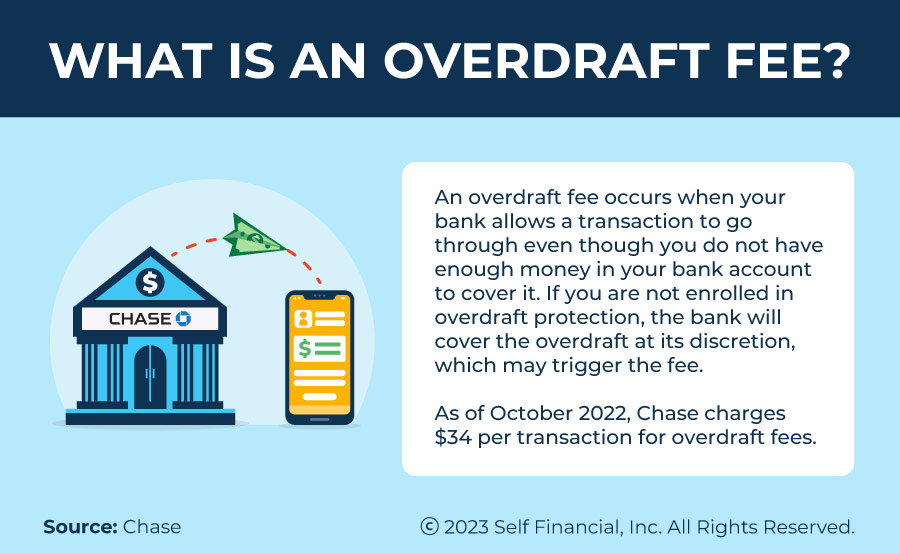
An overdraft occurs when you spend more money than you have available in your checking account. This can happen in several ways:
-
Debit Card Transactions: Swiping your debit card for a purchase that exceeds your balance.
-
Checks: Writing a check for an amount greater than your available funds.
-
Automated Clearing House (ACH) Debits: Automatic bill payments (like utilities or subscriptions) that attempt to draw funds from an insufficient account.
-
ATM Withdrawals: Taking out cash that puts your balance below zero.
When an overdraft occurs, Chase typically has the discretion to either decline the transaction or pay it, allowing your account to go into a negative balance. If they pay it, an overdraft fee is usually assessed.
Chase’s Standard Overdraft Policies and Fees
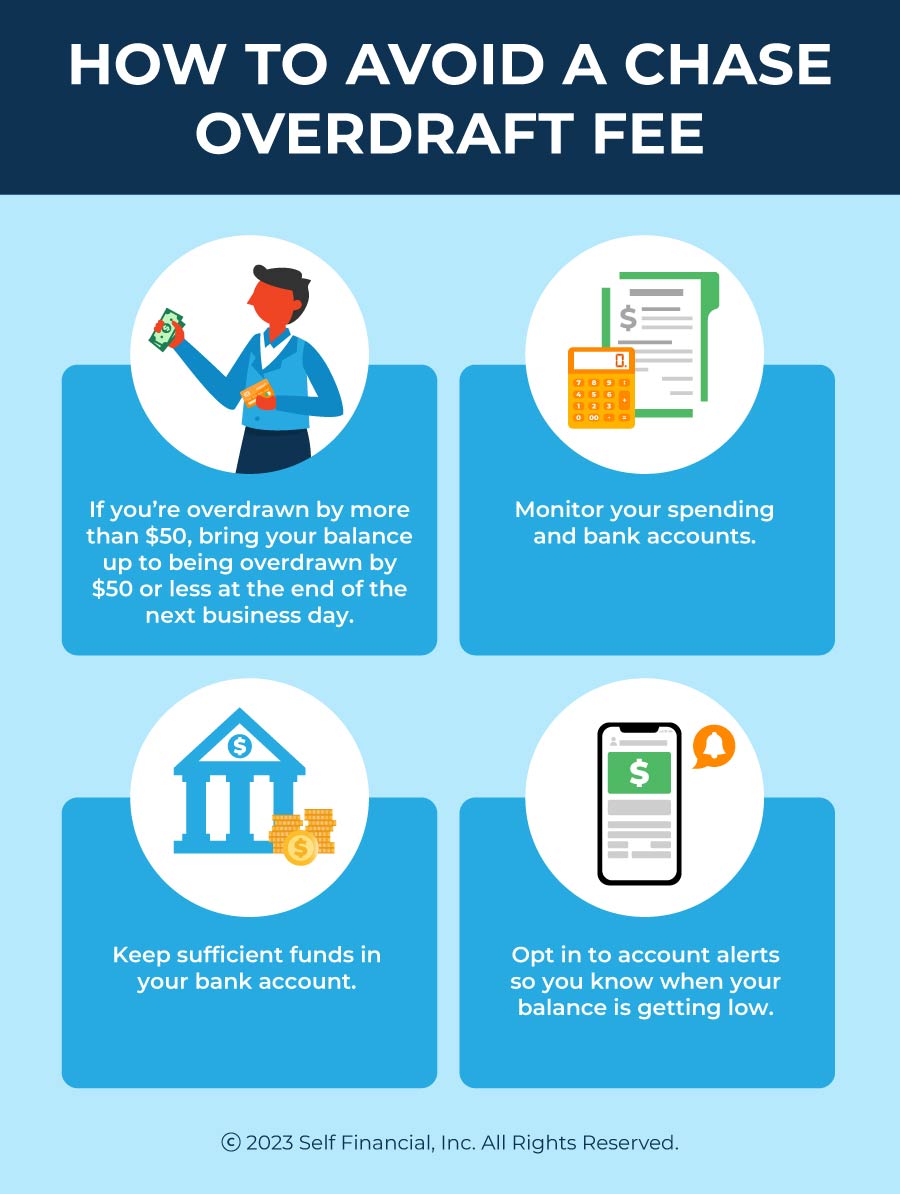
Chase’s overdraft policies, like those of many large banks, are designed to cover the bank’s cost and risk associated with extending credit (even temporarily) to cover transactions. As of current policies, Chase generally charges a specific fee (e.g., $34) per overdraft transaction. There are usually limits to how many overdraft fees can be charged per day (e.g., a maximum of three fees per business day). Importantly, Chase also offers an “Overdraft Assist” feature which provides a small buffer. If an account is overdrawn by $50 or less at the end of the business day, and the customer makes a deposit to bring the account balance to zero or more by the end of the next business day, the overdraft fee is typically waived. However, for overdrafts exceeding this amount or not rectified promptly, the standard fees apply. These fees, while seemingly small individually, can quickly accumulate, turning a minor account shortfall into a significant financial burden.
The Impact of Overdrafts on Personal Finance
The consequences of overdrafts extend beyond just the immediate fee. Repeated overdrafts can lead to:
-
Erosion of Savings: Fees eat into your available funds, making it harder to save or cover other expenses.
-
Cycle of Debt: Constantly being in a negative balance can make it difficult to catch up, leading to more overdrafts.
-
Credit Reporting (Indirectly): While an overdraft itself doesn’t directly impact your credit score, if the account remains negative and is eventually closed by the bank and sent to collections, it can negatively affect your credit.
-
Stress and Anxiety: Financial instability is a leading cause of stress, and chronic overdrafts contribute significantly to this.
Navigating Chase’s Overdraft Waiver Policies
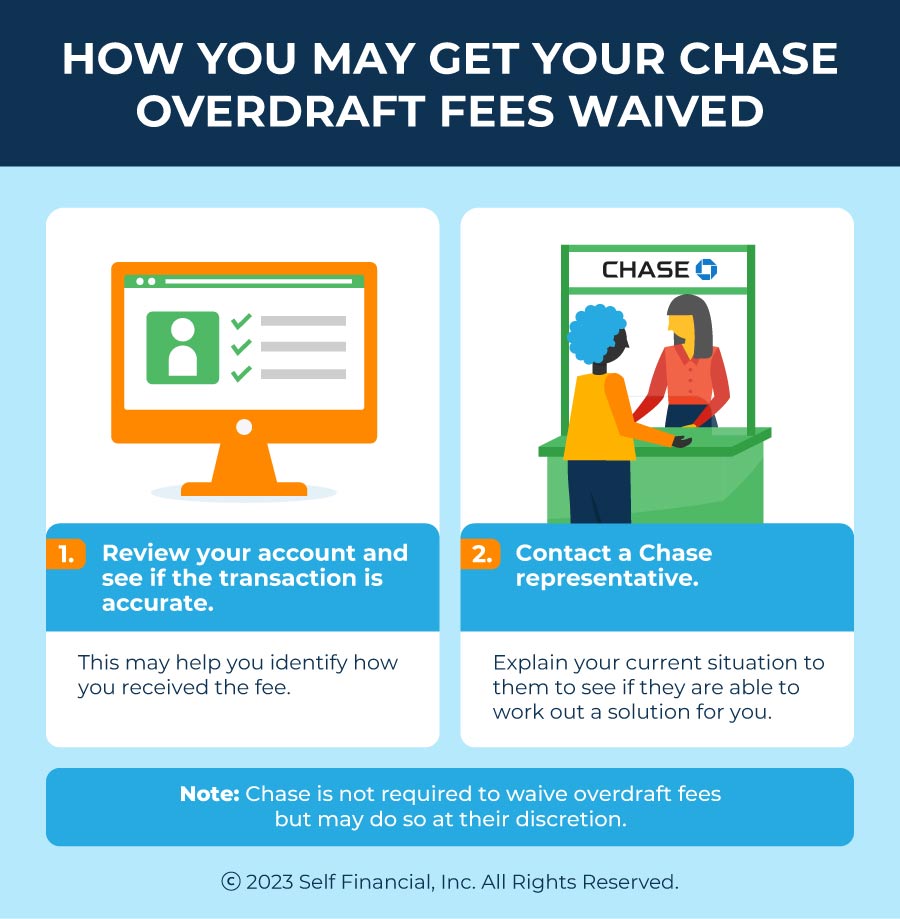
Given the financial sting of overdraft fees, understanding how to request a waiver is invaluable. Chase, like most financial institutions, does offer discretionary fee waivers, though they are never guaranteed.
The Discretionary Nature of Fee Waivers
It’s crucial to understand that waiving an overdraft fee is a courtesy, not a right. Bank representatives have the discretion to waive fees based on a variety of factors, and each case is often evaluated individually. There is no hard-and-fast rule like “Chase waives fees exactly X times per year.” Instead, it’s a dynamic process influenced by several elements.
Factors Influencing Waiver Decisions
When you contact Chase to request an overdraft fee waiver, several factors can weigh into their decision:
-
Your Relationship with Chase: Long-term customers with a history of good account management (e.g., consistent deposits, multiple accounts with the bank) are generally viewed more favorably.
-
Frequency of Overdrafts: If this is your first overdraft, or the first in a very long time, your chances of a waiver are significantly higher. If you frequently overdraw your account, the bank may be less inclined to waive fees as it indicates a pattern of behavior.
-
The Amount of the Overdraft: While not always a deciding factor, a small overdraft may be seen as a minor oversight, whereas very large or numerous overdrafts might be harder to get waived.
-
Your Immediate Action: If you immediately deposit funds to cover the overdraft as soon as you realize it, this demonstrates good faith and responsibility.
-
Reason for the Overdraft: While banks aren’t therapists, explaining a legitimate, one-time error (e.g., miscalculating a payment, an unexpected bill, a system glitch) can help. Avoid making excuses; focus on what you’ve learned and how you’ll prevent it in the future.
-
Previous Waiver History: If Chase has waived fees for you numerous times in the recent past, their willingness to do so again may diminish. They track these instances.
How to Request an Overdraft Fee Waiver
If you find yourself facing an overdraft fee, here’s a professional approach to requesting a waiver:
-
Act Quickly: Contact Chase as soon as you notice the overdraft.
-
Gather Information: Have your account number, the date of the overdraft, and the amount ready.
-
Choose Your Method:
-
Phone Call: This is often the most effective. Call Chase’s customer service number.
-
In-Person: Visiting a branch can sometimes be helpful, especially if you have a relationship with specific tellers or branch managers.
-
Secure Message: Some banks allow requests via their online banking secure message system, though this might be slower.
-
-
Be Polite and Professional: Start by politely explaining the situation. State that you noticed an overdraft fee and are hoping they can help.
-
Explain Briefly (Optional but Recommended): If there was a legitimate reason (e.g., a deposit hadn’t cleared yet, you genuinely miscalculated), you can briefly and honestly explain it.
-
Highlight Your Good History: If applicable, mention your long-standing relationship with Chase or your usual responsible banking habits.
-
Express Commitment to Prevention: Assure them that you’ve taken steps or will take steps to prevent future overdrafts.
-
Ask Directly: Politely ask if they would be able to waive the fee as a one-time courtesy.
Common Scenarios for Successful Waivers
While not exhaustive, certain scenarios tend to have a higher success rate for fee waivers:
-
First-Time Overdraft: This is often the easiest to get waived, as it’s typically seen as a learning experience.
-
Genuine Banking Error: If the overdraft was due to a bank processing error, it should always be waived.
-
Immediate Coverage: If you immediately transfer or deposit funds to cover the negative balance, demonstrating that the shortfall was temporary.
-
Small Amount Overdraft: For situations barely exceeding the “Overdraft Assist” buffer.
-
Exceptional Circumstances: A highly unusual, extenuating circumstance explained clearly and concisely.
Strategies for Minimizing Overdrafts and Fees
While knowing how to request a waiver is valuable, the best strategy is to avoid overdrafts altogether. Proactive financial management can significantly reduce your reliance on bank courtesies.
Proactive Account Management
Vigilance is key to preventing overdrafts.
-
Regular Balance Checks: Utilize Chase’s online banking portal or mobile app to check your balance frequently. Daily checks are ideal.
-
Set Up Alerts: Configure low-balance alerts, transaction alerts, and large purchase alerts through Chase’s banking app. These notifications can give you a crucial heads-up before an overdraft occurs.
-
Track Pending Transactions: Remember that your “available balance” might not always reflect all pending transactions (e.g., recent debit card swipes that haven’t fully posted). Keep a mental or physical record.
Utilizing Chase’s Overdraft Protection Services
Chase offers services specifically designed to prevent overdrafts, though some may come with their own fees or interest charges:
-
Link to a Savings Account: You can link your checking account to a Chase savings account. If your checking account goes negative, funds will automatically be transferred from savings to cover the transaction. While this prevents an overdraft fee, Chase may charge a smaller transfer fee for this service.
-
Link to a Line of Credit: For eligible customers, a personal line of credit can be linked for overdraft protection. Funds are drawn from the line of credit to cover overdrafts, and you will pay interest on the borrowed amount.
-
Link to a Credit Card: In some cases, a Chase credit card can be used as an overdraft backup, essentially turning an overdraft into a cash advance on your credit card, which will incur interest and potentially a cash advance fee.
Carefully evaluate the costs associated with these protection services to ensure they align with your financial goals.
Building an Emergency Fund
The most robust defense against overdrafts and other financial surprises is a well-funded emergency savings account. Having three to six months’ worth of living expenses stashed away can act as a crucial buffer, ensuring that unexpected bills or income fluctuations don’t push your checking account into the red. Even a smaller, dedicated “buffer fund” of a few hundred dollars can prevent many common overdrafts.
Budgeting and Financial Planning
A comprehensive budget is the cornerstone of effective money management.
-
Track Income and Expenses: Understand exactly where your money comes from and where it goes.
-
Allocate Funds: Assign specific amounts for different spending categories.
-
Plan for Bills: Schedule bill payments strategically, ensuring funds are available when they’re due.
-
Regular Review: Periodically review your budget to make adjustments as your income or expenses change.
Tools offered by Chase’s mobile app or third-party budgeting apps can greatly assist in this process, providing visualizations and automated tracking.
Beyond Waivers: Long-Term Financial Health with Chase
While one-off waivers are helpful, the goal should be sustainable financial health that renders them unnecessary.
Exploring Alternative Banking Solutions
If you find yourself frequently struggling with overdrafts despite your best efforts, it might be worth exploring other banking options. Some challenger banks or online-only banks offer checking accounts with no overdraft fees whatsoever, providing a safety net if your balance dips. These accounts might still decline transactions if funds aren’t available, but they won’t charge a fee. Additionally, some banks offer “second-chance” checking accounts designed for individuals with past banking issues, though these may have higher fees or specific requirements.
Leveraging Chase’s Financial Education Resources
Many large banks, including Chase, provide a wealth of financial education resources. These can include articles, webinars, and tools on budgeting, saving, debt management, and investing. Proactively engaging with these resources can empower you to make more informed financial decisions and avoid common pitfalls like overdrafts. By improving your financial literacy, you build a stronger foundation for long-term stability.
Building a Strong Relationship with Your Bank
Beyond just managing your accounts, cultivating a positive relationship with Chase can have intangible benefits. Being a loyal customer, utilizing multiple banking products (checking, savings, credit cards, loans), and demonstrating consistent financial responsibility can foster goodwill. This positive relationship might subtly influence discretionary decisions like fee waivers, should you need to request one in the future. It’s about being a valued customer, not just an account holder.
In conclusion, the question of “how many times can Chase waive overdraft fees” doesn’t have a fixed numerical answer. It’s a nuanced process driven by individual circumstances, customer history, and the discretion of bank representatives. While a fee waiver is a helpful temporary reprieve, the ultimate solution lies in proactive financial management, understanding bank policies, leveraging available protection services, and adopting sound budgeting practices to ensure your accounts remain in good standing. By taking these steps, you minimize the need for waivers and build a more secure financial future.
aViewFromTheCave is a participant in the Amazon Services LLC Associates Program, an affiliate advertising program designed to provide a means for sites to earn advertising fees by advertising and linking to Amazon.com. Amazon, the Amazon logo, AmazonSupply, and the AmazonSupply logo are trademarks of Amazon.com, Inc. or its affiliates. As an Amazon Associate we earn affiliate commissions from qualifying purchases.