
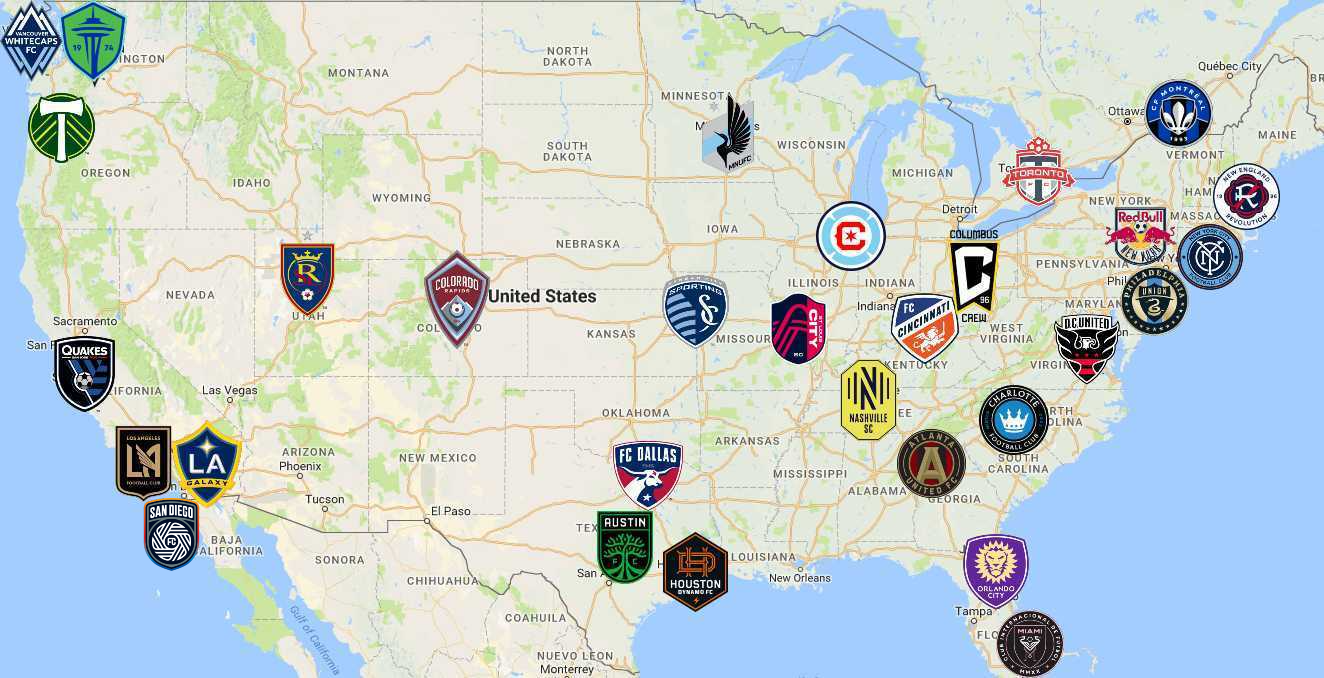
Major League Soccer (MLS) stands as a vibrant testament to the power of strategic brand development and relentless expansion within the professional sports landscape. What began as a nascent league in 1996 with just ten teams has blossomed into a formidable entity, continually pushing the boundaries of its brand footprint across North America. As of the 2024 season, Major League Soccer features 29 teams, with plans already confirmed for a 30th team to join in 2025. This numerical growth is not merely a statistic; it represents a carefully orchestrated brand strategy designed to capture new markets, cultivate fan loyalty, and establish MLS as a premier global football brand. Understanding the number of teams is to understand the dynamic evolution of a brand building its empire one city, one franchise, one fan at a time.
The Evolving Landscape of Major League Soccer’s Brand
The journey of MLS from its inception to its current stature is a compelling narrative of brand resilience and strategic vision. In its early days, the league struggled to find its footing, battling skepticism and the dominance of established American sports. Yet, through shrewd marketing, community engagement, and a commitment to incremental growth, MLS has transformed its public perception and solidified its brand identity.
From Niche Sport to Mainstream Powerhouse
The initial brand challenge for MLS was significant: how to popularize “soccer” in a country deeply entrenched in American football, basketball, baseball, and hockey. The league adopted a dual approach, embracing its American identity while tapping into the global appeal of the beautiful game. Early efforts focused on showcasing athletic talent and creating a distinct league experience. Over time, strategic investments in designated players (DPs) like David Beckham, Thierry Henry, and Zlatan Ibrahimović became pivotal in elevating the league’s profile, drawing international attention, and convincing domestic audiences of its rising quality. These player brands, integrated into existing team brands, served as powerful marketing tools, significantly enhancing the overall MLS brand perception. The consistent increase in team numbers signals a shift from a niche offering to a mainstream entertainment product, demonstrating its growing acceptance and market penetration.
The Current Count: A Snapshot of Strength
With 29 teams currently competing and a 30th on the horizon in San Diego, the league’s numerical strength is a direct reflection of its robust brand health. Each new expansion team represents not just a new club, but a new market opportunity, a new set of fans, and a new chapter in the MLS brand story. This growth isn’t arbitrary; it’s a testament to the league’s attractive ownership model, increasing media rights value, and the burgeoning interest in soccer across the continent. The consistent addition of franchises indicates that the MLS brand is seen as a viable and valuable investment, attracting significant capital and entrepreneurial spirit from various ownership groups keen to be part of this expanding sports enterprise.
Beyond the Numbers: Measuring Brand Reach
While the number of teams provides a quantifiable measure of the league’s expansion, the true success of the MLS brand lies in its qualitative reach. This includes growing attendance figures, rising TV viewership, increasing merchandise sales, and an ever-expanding digital footprint. Each new team brings with it a dedicated fanbase, regional rivalries, and unique cultural contributions that enrich the overall MLS brand tapestry. The league’s brand reach is no longer confined to major coastal cities but extends deep into the heartland, fostering a truly national identity. This widespread presence allows for a broader demographic appeal, ensuring that the MLS brand resonates with diverse audiences, from passionate youth players to seasoned sports enthusiasts.
Expansion as a Core Brand Strategy: Building a National Identity
The strategy of expansion is arguably the single most crucial element in the MLS brand development playbook. Unlike many established European leagues with fixed structures, MLS has deliberately pursued a growth model that prioritizes adding new franchises to key strategic markets. This isn’t just about filling a map; it’s about building a coherent national brand identity through localized engagement.
Strategic City Selection: Unlocking New Markets
The selection process for new MLS cities is rigorous and highly strategic, focusing on markets with strong soccer traditions, robust corporate support, and, critically, a committed ownership group willing to invest in state-of-the-art, soccer-specific stadiums. Cities like Atlanta, Seattle, and Portland have showcased how a new MLS brand, when properly integrated into the local culture, can ignite unprecedented fan passion and commercial success. These successes become powerful case studies, demonstrating the league’s ability to foster thriving sports brands in diverse geographical and cultural contexts. The careful choice of each expansion city ensures that the new team brand can flourish, contributing positively to the overall equity of the MLS brand.
The Expansion Fee: Investing in Brand Value
The substantial expansion fees—which have soared from an initial $5 million to over $325 million for recent entries—are more than just a barrier to entry; they are a direct investment in the MLS brand’s perceived value. These fees underscore the desirability and profitability associated with owning an MLS franchise, signaling confidence in the league’s future growth and stability. From a brand perspective, these fees validate the increasing market power and prestige of the MLS badge. They also provide the league with capital to further invest in infrastructure, marketing, and player development, all of which enhance the quality and perception of the overall brand.
Designing for New Audiences: Crafting Local Identities
When a new city joins MLS, a critical brand exercise begins: crafting a unique local identity that resonates with the community while aligning with the broader league aesthetic. This involves developing team names, logos, colors, and narratives that are authentic to the region. Take, for example, Austin FC’s “Verde” (green) identity, deeply rooted in the city’s unofficial motto “Keep Austin Weird,” or LAFC’s modern, minimalist design reflecting Los Angeles’s contemporary culture. Each new team brand is meticulously designed to create an immediate connection with its local fanbase, becoming a source of civic pride. This localized branding strategy allows MLS to cultivate diverse fanbases, each with their distinct flavor, yet all contributing to the rich and varied tapestry of the overarching MLS brand.
The Synergy of Growth: Strengthening the Collective Brand
Each successful expansion team not only strengthens its local brand but also contributes to the collective strength of the MLS brand. More teams mean more rivalries, more games, broader media coverage, and a larger national conversation around the sport. This synergy creates a virtuous cycle: stronger individual team brands elevate the league’s profile, which in turn makes joining the league even more attractive for future ownership groups. This distributed brand strategy allows MLS to decentralize its marketing efforts, empowering local franchises to champion the sport in their respective communities while benefiting from the collective infrastructure and marketing power of the league.
Each Franchise: A Local Brand, A Global Ambition
While MLS operates as a unified league, the true magic of its brand building lies in the autonomy and unique identity of each individual franchise. Each team is a distinct brand entity, deeply embedded in its local community, yet simultaneously part of a larger global football ecosystem.
Local Roots, Global Aspirations: The Power of Place
A successful MLS franchise brand thrives on its connection to the city it represents. From the passionate supporters of Portland Timbers’ “Timber Army” to the vibrant fan culture of Orlando City SC, these teams embody the spirit of their locales. Their brand narratives are woven into the fabric of their communities, celebrating local history, culture, and aspirations. This deep local integration fosters intense loyalty, transforming casual spectators into fervent advocates. Simultaneously, these local brands serve as ambassadors for MLS on the global stage, participating in international competitions and attracting worldwide attention to the league’s growing quality and reach. This duality of local roots and global ambition is a cornerstone of MLS’s brand philosophy.
Visual Identity: Logos, Kits, and Stadium Experience
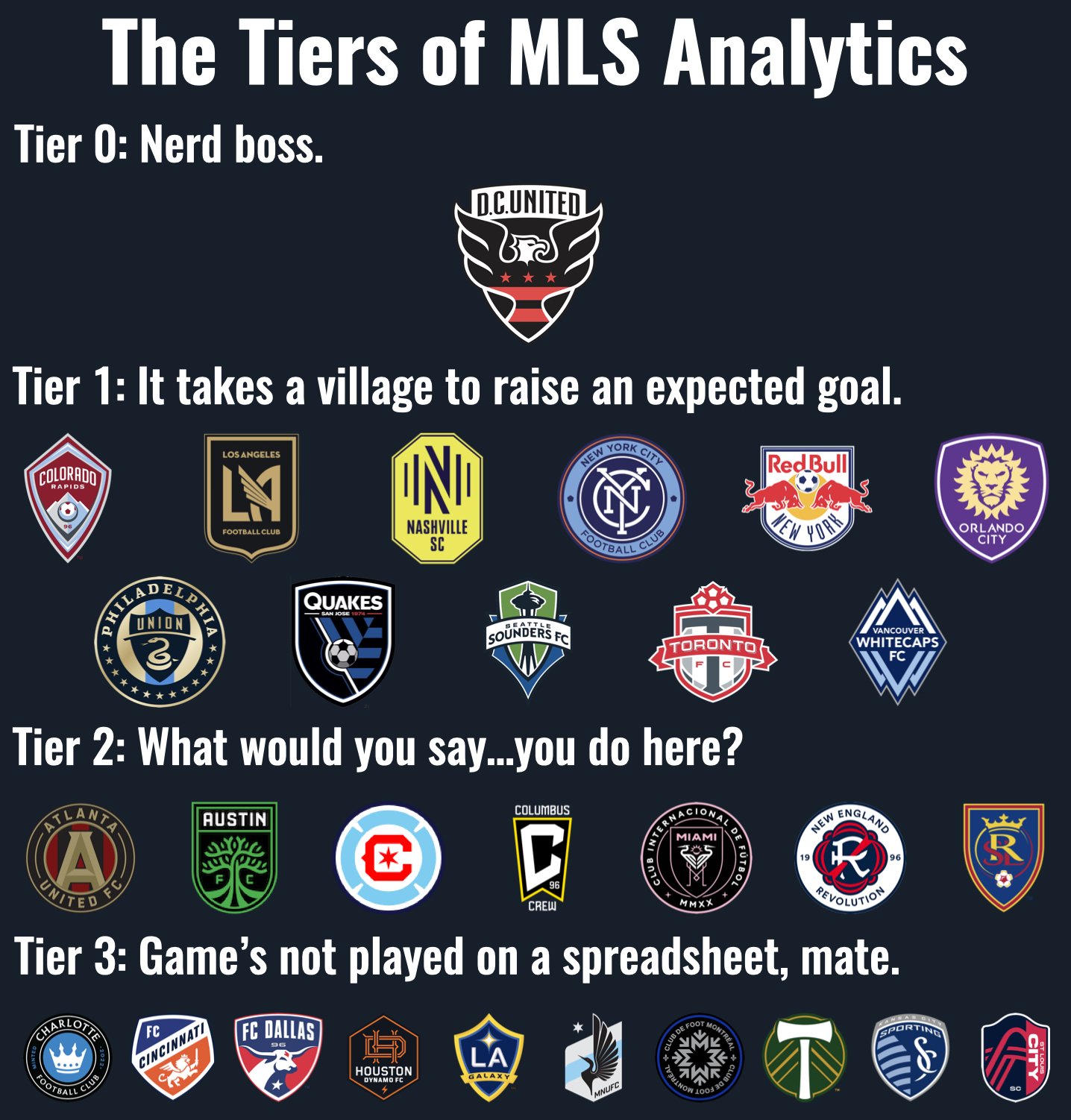
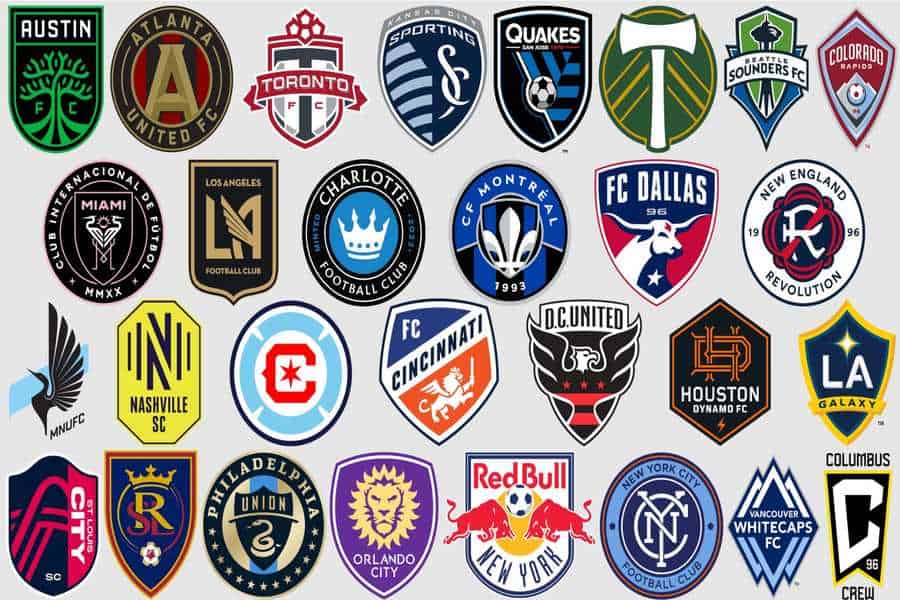
The visual identity of an MLS team – its crest, colors, kit designs, and even the architecture and atmosphere of its home stadium – are crucial elements of its brand. These visual cues create immediate recognition and emotional connection. Thoughtful design, often incorporating local symbols or history, helps a team brand stand out and resonate. The match day experience, from pre-game rituals to fan chants and stadium design, is a carefully curated brand experience that engages all senses and creates lasting memories. For example, the unique atmospheres at stadiums like Providence Park (Portland) or Lumen Field (Seattle) are integral to their respective team brands and contribute significantly to the overall MLS brand reputation for exciting live sports entertainment.
Building Community Through Sport: More Than Just a Game
Beyond the professional game, MLS teams actively engage in community initiatives, youth development programs, and local partnerships. These efforts build goodwill, strengthen community ties, and reinforce the team’s brand as a positive force within its city. By investing in the local community, franchises cultivate a deeper level of loyalty that transcends wins and losses. They position themselves as more than just a sports team; they become a cultural institution, a source of civic pride and identity. This community-centric approach is a powerful aspect of their brand strategy, ensuring sustained relevance and support.
Player Brands and Their Impact on Team Identity
Star players are not just athletes; they are powerful individual brands that significantly influence team identity and appeal. The acquisition of marquee players, whether international legends or promising young talents, can dramatically boost a team’s brand recognition and fan engagement. Players like Josef Martínez (formerly Atlanta United) or Carlos Vela (LAFC) became synonymous with their clubs, attracting new fans and solidifying existing loyalties. Their personal brands, skillfully integrated into the team’s marketing, amplify the franchise’s reach and contribute to the overall vibrancy of the MLS brand.
Cultivating Fan Loyalty: The Lifeblood of MLS Branding
The success of any sports brand hinges on the loyalty of its fanbase. For MLS, cultivating this loyalty has been a multi-faceted endeavor, recognizing that fans are not just consumers, but active participants in the brand’s narrative.
Engaging the Next Generation: Digital and Experiential Marketing
MLS has been proactive in leveraging digital platforms and experiential marketing to engage fans, particularly the younger demographic. From interactive social media campaigns and behind-the-scenes content to virtual reality experiences and gaming integrations, the league and its teams continuously seek innovative ways to connect with fans. These digital touchpoints broaden the reach of the MLS brand, making it accessible and appealing to a generation that consumes content differently. Experiential marketing, such as fan festivals, player meet-and-greets, and community outreach events, creates memorable interactions that deepen emotional connections and foster a sense of belonging to the team and league brands.
Supporter Groups: The Authentic Voice of the Brand
A distinguishing feature of MLS fan culture is the prominence and passion of its organized supporter groups. These groups, with their elaborate chants, tifos, and unwavering dedication, are the authentic voice of their respective team brands. They are not merely consumers but co-creators of the match day experience and integral to the team’s identity. MLS has wisely embraced and empowered these groups, recognizing their crucial role in shaping the league’s unique atmosphere and brand narrative. Their passion is contagious, attracting new fans and reinforcing the league’s reputation for vibrant, engaged support.
From Spectator to Advocate: The Fan Journey
The journey from a casual spectator to a passionate advocate is a critical one for MLS. The league and its teams employ various strategies to move fans along this continuum, from accessible ticket pricing and family-friendly events to sophisticated loyalty programs and personalized communications. The goal is to create a sense of ownership and community, where fans feel a personal stake in the team’s success and identify strongly with its brand. When fans become advocates, they not only attend games but also evangelize the brand, spreading positive word-of-mouth and contributing to its organic growth.
Sustaining Momentum: The Challenge of Long-Term Engagement
As MLS continues to grow, a key branding challenge is sustaining long-term fan engagement and preventing brand fatigue. This requires continuous innovation in marketing, maintaining a high quality of play, investing in youth development, and consistently delivering compelling narratives. The league must also adapt to changing consumer preferences and competitive landscapes, ensuring that the MLS brand remains fresh, relevant, and exciting for generations to come. This ongoing commitment to evolution is vital for ensuring the longevity and continued expansion of its brand influence.
Looking Ahead: The Future of the MLS Brand and Its Growth Trajectory
The question of “how many teams are in MLS” is a dynamic one, constantly evolving as the league pursues its ambitious growth strategy. The trajectory suggests continued expansion, but also a deeper focus on solidifying its brand position both domestically and internationally.
Projected Growth: Where Does the League Go Next?
With 29 teams active and a 30th on the way in San Diego, the immediate future of MLS will likely involve a period of consolidation and optimization before further large-scale expansion. While 32 teams has often been cited as a potential long-term target, the emphasis will be on ensuring the existing brands are robust and sustainable. Future expansion will undoubtedly continue to target strategically important markets, potentially including cities in Canada or even Mexico, further solidifying MLS’s brand as a truly North American league. The criteria for future expansion will remain stringent, prioritizing ownership commitment, market viability, and the ability to contribute positively to the league’s overall brand equity.
Diversifying the Fanbase: Reaching New Demographics
A critical aspect of MLS’s future brand strategy will be to continue diversifying its fanbase. This involves reaching out to new demographics, including various ethnic communities, women, and younger audiences. Tailored marketing campaigns, community outreach programs, and initiatives that reflect the diverse cultural tapestry of North America will be essential. By embracing inclusivity, the MLS brand can tap into new reservoirs of support, ensuring its relevance and appeal across a broader spectrum of society. This commitment to diversity will not only grow the numbers but also enrich the league’s brand identity.
Global Integration: MLS on the World Stage
MLS has a clear ambition to be recognized as one of the world’s top football leagues. This global aspiration is a significant part of its brand strategy. Collaborations with international leagues, participation in global tournaments, and the continued attraction of world-class talent will elevate the MLS brand on the international stage. Media rights deals with global broadcasters further amplify its reach, showcasing the league’s quality and excitement to audiences around the globe. This international exposure strengthens the MLS brand’s credibility and enhances its perception among football connoisseurs worldwide.
Sustaining Brand Innovation: Adapting to Change
Finally, the long-term success of the MLS brand depends on its ability to sustain innovation and adapt to an ever-changing media and sports landscape. This includes embracing new technologies, experimenting with broadcasting formats, and continually refining its marketing and fan engagement strategies. The league must remain agile, responsive to consumer trends, and unafraid to evolve its brand identity while staying true to its core values. By consistently innovating, MLS can ensure that its brand remains dynamic, relevant, and continues its impressive growth trajectory. The number of teams is just one indicator; the brand’s enduring strength and cultural impact are the ultimate measures of its success.
aViewFromTheCave is a participant in the Amazon Services LLC Associates Program, an affiliate advertising program designed to provide a means for sites to earn advertising fees by advertising and linking to Amazon.com. Amazon, the Amazon logo, AmazonSupply, and the AmazonSupply logo are trademarks of Amazon.com, Inc. or its affiliates. As an Amazon Associate we earn affiliate commissions from qualifying purchases.