
The New York Stock Exchange (NYSE), often referred to as “The Big Board,” stands as a towering symbol of global capitalism and a cornerstone of the world’s financial markets. For investors, financial enthusiasts, and casual observers alike, a fundamental question often arises: just how many stocks are listed on the NYSE? While seemingly straightforward, the answer is far from a static figure, constantly fluctuating due to the dynamic nature of public markets. Understanding this number, and the forces that shape it, provides invaluable insights into market breadth, economic health, and the sheer volume of investment opportunities available.
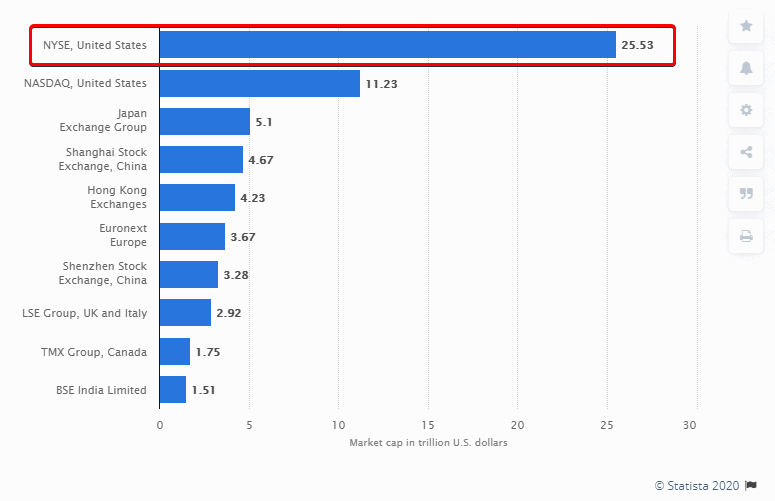
This article delves into the intricacies of NYSE listings, exploring not just the numerical count but also the underlying mechanisms, the significance for investors, and the broader economic implications. We’ll navigate the ebb and flow of company listings, differentiate between various types of market participants, and ultimately provide a comprehensive perspective on what it means to be listed on one of the world’s most prestigious exchanges.
Demystifying the NYSE: A Global Financial Behemoth
At its core, the NYSE is an organized marketplace where buyers and sellers can trade shares of publicly listed companies. It boasts a rich history dating back to 1792, evolving from a small group of brokers under a Buttonwood tree into a sophisticated electronic trading platform that processes trillions of dollars in transactions annually. Its iconic building on Wall Street remains a potent symbol of global finance, even as much of the trading activity has moved off the physical floor.
The New York Stock Exchange: A Brief Overview
The NYSE operates as an auction market, traditionally relying on specialist firms to maintain fair and orderly markets for the stocks they oversee. While electronic trading has become dominant, the human element of market makers and designated market makers (DMMs) still plays a role, particularly in opening and closing auctions and during periods of high volatility. This hybrid model distinguishes it from purely electronic exchanges and contributes to its reputation for depth and liquidity.
Listing on the NYSE grants companies unparalleled visibility, access to a vast pool of capital, and enhanced credibility. For investors, it offers a centralized, regulated environment to trade shares of some of the world’s largest and most established corporations. The exchange is home to a diverse array of industries, from venerable industrial giants to cutting-edge technology firms, reflecting the multifaceted global economy.
Primary Listing Requirements and Their Significance
Becoming listed on the NYSE is not a trivial undertaking; it requires meeting stringent initial and ongoing eligibility criteria designed to ensure the quality and stability of its listed companies. These requirements typically cover several key areas:
- Financial Standards: Companies must demonstrate significant earnings, revenue, or cash flow over a specified period. This ensures that only financially sound entities are brought to public trading, protecting investors.
- Market Capitalization/Share Price: A minimum market capitalization and share price are usually required, indicating a certain level of company size and investor interest.
- Shareholder Equity: Companies must possess a minimum amount of shareholder equity, reflecting the company’s net worth and financial health.
- Public Float and Shareholder Distribution: A substantial number of publicly held shares and a broad distribution among shareholders are necessary to ensure sufficient liquidity and prevent manipulation.
- Corporate Governance: Strict corporate governance standards, including independent board members and audit committees, are mandated to protect shareholder rights and ensure transparency.
These rigorous requirements serve a dual purpose: they filter out less stable or speculative ventures, thereby enhancing the overall quality of the exchange’s offerings, and they provide a degree of assurance to investors regarding the companies they can choose to invest in. The prestige associated with an NYSE listing is a direct result of these high barriers to entry, signaling a company’s maturity and commitment to public accountability.
The Evolving Landscape of NYSE Listings
The number of stocks listed on the NYSE is not a fixed quantity but rather a dynamic figure that reflects the constant flux of corporate activities and market forces. It’s akin to tracking the population of a bustling metropolis – new residents arrive, old ones depart, and the total count changes continuously.
Fluctuations in Listing Numbers: What Drives Change?
Several key factors contribute to the ongoing fluctuations in the number of NYSE-listed stocks:
- Initial Public Offerings (IPOs): When a private company decides to “go public,” it offers its shares for the first time on an exchange like the NYSE. Successful IPOs add new companies to the roster, often bringing innovative businesses and fresh investment opportunities to the market.
- Spin-offs: Large companies sometimes decide to separate a division or subsidiary into an independent entity, which then becomes a new, separately listed public company. This can create value for shareholders by allowing the new entity to pursue its own strategic goals.
- Mergers and Acquisitions (M&A): When one publicly traded company acquires another, the acquired company’s stock is typically delisted as it becomes part of the acquiring entity. This is a significant factor in reducing the total count.
- Delistings Due to Non-Compliance: Companies that fail to meet the NYSE’s ongoing listing requirements (e.g., maintaining minimum share price, market cap, or corporate governance standards) may be delisted. This mechanism ensures that only viable and compliant companies remain trading on the exchange.
- Bankruptcies and Liquidations: When a company faces severe financial distress and declares bankruptcy, its stock is often delisted, as the company may cease to exist or its shares become worthless.
- Voluntary Delistings: Occasionally, a company may choose to delist voluntarily, perhaps to go private, simplify its operations, or switch to another exchange.
Because these events occur daily, the exact number of listed stocks changes perpetually. Investors often consult financial news outlets or the NYSE’s official website for the most current figures, but it’s crucial to understand that any reported number is merely a snapshot in time.
Delistings vs. New Listings: The Market’s Dynamic Dance
The balance between companies joining the NYSE and those departing creates a fascinating economic dance. Periods of robust economic growth and strong investor sentiment often lead to an increase in IPOs and new listings, as companies seek to capitalize on favorable market conditions to raise capital. Conversely, economic downturns or periods of high market volatility can see an increase in delistings due to financial distress or a slowdown in M&A activity.
The net effect of new listings versus delistings provides a qualitative indicator of market health and corporate activity. A growing number of listings might suggest a vibrant economy with numerous companies seeking to expand, while a shrinking number could signal consolidation, economic contraction, or a more challenging environment for public companies. It’s not just the raw number that matters, but the underlying trends and the stories behind the individual companies that join or leave the exchange.
Beyond the Number: Understanding Market Capitalization and Volume
While the sheer count of stocks is an interesting data point, it offers a superficial understanding of the NYSE’s true scope and impact. To grasp the exchange’s financial gravity, one must look beyond the number of listings to metrics like market capitalization and trading volume. These figures provide a much clearer picture of the capital represented and the liquidity flowing through the market.
Market Cap: A Deeper Look at Company Size and Influence
Market capitalization, or “market cap,” represents the total value of a company’s outstanding shares. It’s calculated by multiplying the current share price by the total number of shares issued. For example, a company with 100 million shares trading at $50 per share would have a market cap of $5 billion.
The NYSE is renowned for hosting some of the world’s largest companies by market cap, often referred to as “mega-cap” stocks. These companies, such as multinational conglomerates, tech giants, and financial institutions, collectively represent trillions of dollars in value. While there might be fewer “mega-cap” companies compared to smaller firms, their sheer size means they command a disproportionately large share of the total market value and often exert significant influence on market indices like the Dow Jones Industrial Average or the S&P 500 (many of whose components are NYSE-listed).

Understanding market cap is crucial for investors because it helps categorize companies by size, which often correlates with different risk profiles and growth potentials. Large-cap stocks are typically more stable and mature, while mid-cap and small-cap stocks (also present on the NYSE, though sometimes more prevalent on exchanges like the Nasdaq) might offer higher growth potential but also carry greater risk.
Trading Volume: Gauging Market Activity and Liquidity
Trading volume refers to the total number of shares of a security that are traded over a specific period, typically a day. High trading volume indicates strong investor interest and robust liquidity, meaning that investors can buy or sell shares easily without significantly impacting the stock price. Conversely, low volume can indicate a lack of interest, making it harder to execute trades at desired prices.
The NYSE consistently reports some of the highest trading volumes globally. This high liquidity is a significant advantage for investors, as it ensures that they can enter or exit positions efficiently. High volume also implies a more efficient price discovery mechanism, where a large number of buyers and sellers continuously contribute to determining the true market price of a security. Analysts and investors closely monitor trading volume trends for individual stocks and the overall market as an indicator of market conviction and potential price movements. A sudden surge in volume accompanying a price move, for instance, often lends credibility to that move.
The Role of ETFs and Other Financial Products
It’s also important to remember that the “number of stocks” doesn’t encompass all investment opportunities on the NYSE. The exchange also lists a vast array of other financial products, most notably Exchange Traded Funds (ETFs). ETFs are investment funds traded on stock exchanges, much like individual stocks. They typically hold a diversified portfolio of assets – stocks, bonds, commodities – and track an underlying index or sector.
The growth of the ETF market has been exponential, offering investors diversified exposure to various market segments, industries, and geographies through a single, easily tradable security. While an ETF itself is a listed “security,” it represents a basket of many underlying stocks or assets. Therefore, an ETF listing on the NYSE provides access to potentially hundreds or thousands of individual stocks without increasing the direct count of individual company listings. This broadens the scope of investment significantly beyond just individual corporate shares.
The Investor’s Perspective: Why These Numbers Matter
For the individual investor, understanding the dynamics of NYSE listings and related metrics is more than just academic curiosity; it’s fundamental to informed decision-making, portfolio construction, and risk management.
Diversification and Investment Opportunities
The sheer number and diversity of companies listed on the NYSE translate directly into a wealth of investment opportunities. From established blue-chip companies with stable dividends to growing firms in emerging sectors, the exchange offers a spectrum of choices to match various investment goals and risk tolerances. This broad selection is crucial for effective portfolio diversification, a cornerstone of sound investment strategy. By investing across different companies, industries, and market capitalizations, investors can mitigate idiosyncratic risks associated with any single stock.
A market with a healthy flow of new listings also indicates innovation and economic dynamism, providing opportunities to invest in future growth stories. Conversely, the presence of many established, resilient companies offers stability. This vast marketplace allows investors to tailor their portfolios precisely, aligning investments with personal values, financial objectives, and market outlook.
Market Breadth and Economic Health Indicators
The aggregate number of listed stocks, combined with market capitalization and trading volume, serves as a powerful indicator of overall market breadth and economic health. A growing number of IPOs and a high ratio of new listings to delistings can signal a robust economy, where companies are confident in their growth prospects and able to access public capital. Conversely, a contraction in listings might suggest economic headwinds or a challenging environment for businesses.
Furthermore, the performance of NYSE-listed stocks, particularly those included in major indices, is often seen as a bellwether for the broader U.S. and even global economy. Changes in the collective value and trading activity of these companies can provide insights into consumer confidence, corporate profitability, and investor sentiment. Experienced investors and economists pay close attention to these trends to gauge the market’s pulse and anticipate future economic shifts.
Accessing Information for Informed Decisions
Given the dynamic nature of the market, investors need reliable and up-to-date information to make informed decisions. The NYSE’s official website is a primary source for understanding listing requirements, market data, and news related to the exchange. Additionally, major financial data providers (Bloomberg, Refinitiv, S&P Global, Google Finance, Yahoo Finance, etc.) and reputable financial news outlets constantly track and report on NYSE listings, trading volumes, and market capitalization.
When seeking to answer “how many stocks in the NYSE,” it’s best to consult these current sources, understanding that any number provided will be valid for that specific moment. More importantly, investors should focus on why the numbers fluctuate and what those fluctuations signify for the broader investment landscape and their personal portfolios. The ability to access and interpret this information is a critical skill for navigating the complex world of investing.
Challenges and Future Outlook
The NYSE, like all major financial institutions, faces ongoing challenges and is constantly evolving to remain competitive and relevant in a rapidly changing world.
Regulatory Changes and Global Competition
Regulatory environments are constantly shifting, with governments and financial authorities implementing new rules to ensure market integrity, protect investors, and prevent systemic risks. The NYSE must continually adapt to these changes, which can impact listing requirements, trading protocols, and reporting standards. Compliance with these regulations is paramount, but it can also present operational complexities for both the exchange and its listed companies.
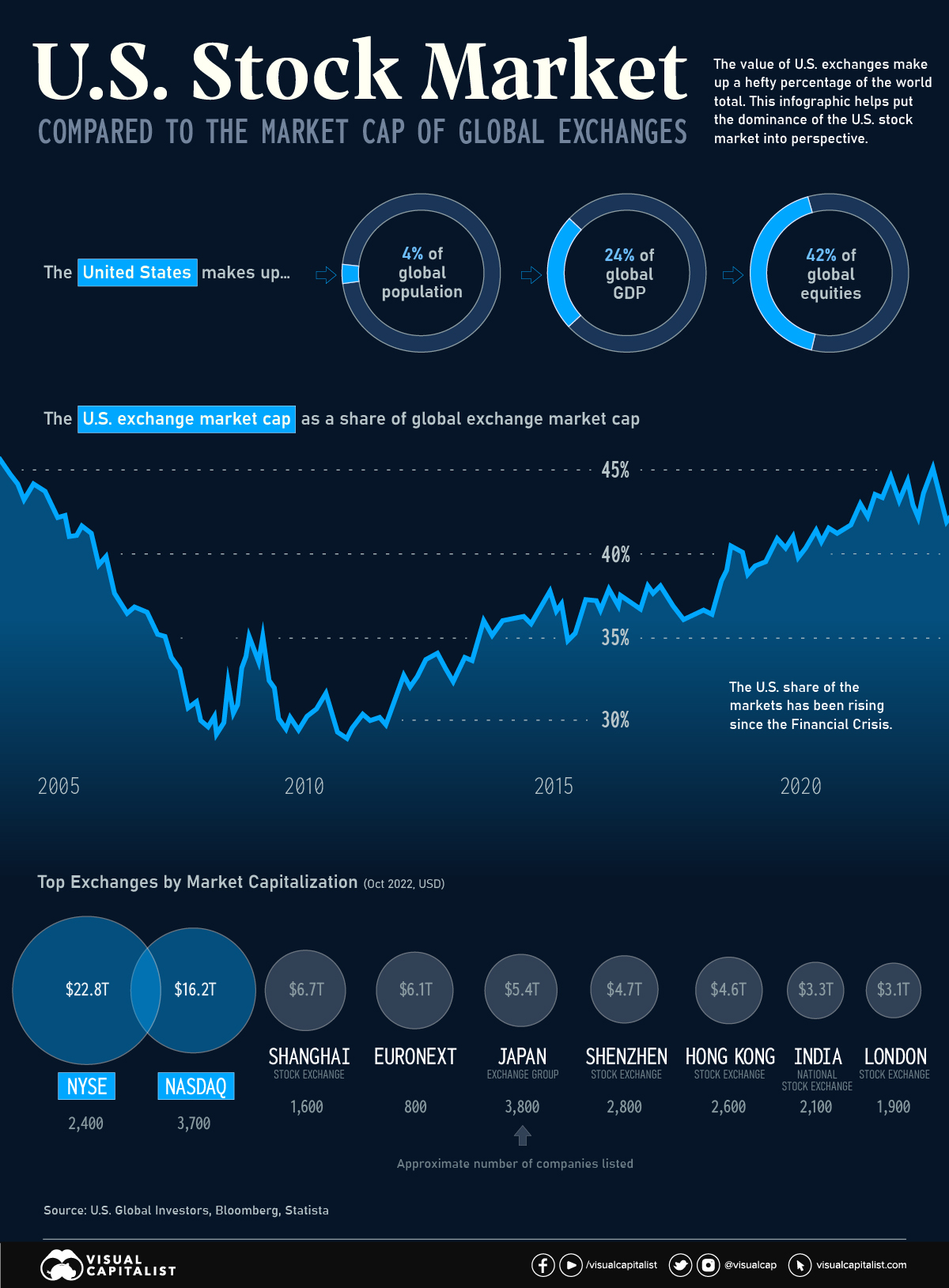
Globally, the NYSE competes with other major exchanges, such as the Nasdaq, the London Stock Exchange (LSE), and the Japan Exchange Group (JPX), for new listings and trading volume. Companies seeking to go public have choices, and exchanges must offer competitive advantages, whether through lower listing fees, specialized market segments, or superior technological infrastructure, to attract and retain listings. The rise of alternative trading systems (ATS) and dark pools also adds to the competitive landscape, challenging traditional exchange models.
Technological Advancements and Market Efficiency
Technology continues to reshape financial markets at an astonishing pace. High-frequency trading (HFT), artificial intelligence (AI), and blockchain technology are transforming how securities are traded, settled, and reported. The NYSE has heavily invested in its technological infrastructure to maintain speed, reliability, and security, moving from its traditional open-outcry pit to a largely electronic trading system.
Looking ahead, further innovations in areas like distributed ledger technology (DLT) could potentially revolutionize clearing and settlement processes, making markets even more efficient. The integration of AI and machine learning promises enhanced data analytics, fraud detection, and personalized investment tools. These technological advancements aim to increase market efficiency, reduce costs, and broaden access for investors, ensuring that the NYSE remains at the forefront of global finance. The future will likely see the exchange continue to innovate, adapting its services and structure to meet the demands of an increasingly digital and interconnected global economy, continuing to serve as a vital engine for capital formation and wealth creation.
aViewFromTheCave is a participant in the Amazon Services LLC Associates Program, an affiliate advertising program designed to provide a means for sites to earn advertising fees by advertising and linking to Amazon.com. Amazon, the Amazon logo, AmazonSupply, and the AmazonSupply logo are trademarks of Amazon.com, Inc. or its affiliates. As an Amazon Associate we earn affiliate commissions from qualifying purchases.