
Understanding the share structure of a company like NVIDIA is crucial for investors, financial analysts, and anyone interested in the inner workings of the stock market. When we ask “how many shares does NVIDIA have?”, we’re delving into a fundamental aspect of its financial health and market valuation. This figure, often referred to as “shares outstanding,” isn’t static; it’s a dynamic metric influenced by various corporate actions and strategic decisions. For a company at the forefront of AI, gaming, and data center technology, NVIDIA’s share count directly impacts everything from its market capitalization to its earnings per share, making it a pivotal piece of financial information.
Understanding NVIDIA’s Share Structure: The Fundamentals
To grasp the significance of NVIDIA’s share count, it’s essential to define the core terms and understand the historical context that has shaped its current structure. The number of shares a company has in circulation directly correlates with its market valuation and the distribution of ownership among its investors.
Defining “Shares Outstanding” and “Fully Diluted Shares”
When inquiring about a company’s share count, two primary figures often emerge: “basic shares outstanding” and “fully diluted shares outstanding.”
- Basic Shares Outstanding: This refers to the total number of common shares currently held by investors, including institutional investors, retail investors, and company insiders. It represents the actual number of shares that have been issued by the company and are actively trading on the stock exchange. This figure is used to calculate basic earnings per share (EPS).
- Fully Diluted Shares Outstanding: This figure takes the basic shares outstanding and adds all potential shares that could be created if all convertible securities were exercised. This includes stock options, warrants, convertible bonds, and restricted stock units (RSUs) that have not yet vested. The fully diluted share count provides a more conservative and comprehensive view of a company’s market capitalization and is used to calculate diluted EPS, which is generally considered a more prudent metric for investors.
For a high-growth tech company like NVIDIA, which often uses stock options and RSUs as a significant part of employee compensation, the difference between basic and fully diluted shares can be substantial. For example, as of its recent filings (investors should always check the latest official reports like 10-K or 10-Q), NVIDIA’s basic shares outstanding might hover around 2.5 billion shares, while its fully diluted share count could be slightly higher, reflecting the potential impact of its equity compensation plans. These numbers, however, are illustrative and fluctuate based on new issuances, share repurchases, and the exercise of options.
NVIDIA’s Historical Share Count Evolution
NVIDIA’s journey from a nascent graphics chipmaker to an AI powerhouse has been mirrored by changes in its share count. Initially, after its IPO in 1999, NVIDIA had a specific number of shares issued to the public. Over the decades, this number has evolved due to a variety of corporate actions:
- Stock Splits: One of the most significant events impacting NVIDIA’s share count was its 4-for-1 stock split in July 2021. Prior to this, NVIDIA’s stock price had risen significantly, making it less accessible for smaller individual investors to purchase full shares. The split effectively quadrupled the number of shares outstanding while proportionally reducing the price of each share. For instance, if an investor owned 10 shares at $800 each before the split, they would own 40 shares at $200 each after the split, with the total value of their holding remaining unchanged. This move increased the liquidity and accessibility of NVIDIA stock, broadening its investor base.
- New Issuances: While less common for a mature, profitable company like NVIDIA, new share issuances can occur for various reasons, such as funding major acquisitions or raising capital. These actions increase the shares outstanding and can dilute existing shareholders’ ownership.
- Employee Compensation: As mentioned, NVIDIA, like many tech giants, uses equity compensation extensively. When employees exercise stock options or when RSUs vest, new shares are often issued, gradually increasing the overall share count.
Understanding this dynamic history is vital because the current share count is not merely a number but a reflection of the company’s financial strategies and growth trajectory over time.
Why Share Count Matters: Implications for Investors
The number of shares NVIDIA has in circulation is far more than a simple accounting figure; it has profound implications for how the company is valued, how its profitability is assessed, and ultimately, how attractive it is to investors.
Market Capitalization and Share Value
The most direct impact of the share count is on a company’s market capitalization (market cap). Market cap is calculated by multiplying the current share price by the number of shares outstanding.
Market Capitalization = Share Price × Shares Outstanding
NVIDIA’s astronomical growth in share price, combined with its substantial number of shares outstanding (post-split), has propelled it into the ranks of the world’s most valuable companies. A higher share count, even with a lower individual share price (as seen after the 2021 split), can still result in an enormous market cap if the underlying business is strong and its valuation is high. For investors, market cap is a key indicator of a company’s size, influence, and investment profile. A large market cap often suggests stability and broad institutional ownership, though it can also imply slower future growth rates compared to smaller companies.
Earnings Per Share (EPS) and Investor Returns
Earnings per share (EPS) is one of the most closely watched metrics by investors. It measures a company’s net profit allocated to each outstanding share of common stock.
Earnings Per Share (EPS) = Net Income / Shares Outstanding
The share count directly influences EPS. If a company’s net income remains constant but its shares outstanding increase (e.g., due to new issuances or stock options being exercised), its EPS will decrease, suggesting a dilution of earnings for existing shareholders. Conversely, if a company reduces its shares outstanding through buybacks, its EPS will increase, assuming net income remains stable, which is generally seen as a positive sign for investors.
NVIDIA’s ability to consistently grow its net income, even with a rising share count due to stock splits and compensation, demonstrates its robust profitability and strong underlying business performance. Investors closely monitor NVIDIA’s EPS trends to gauge its operational efficiency and its ability to generate shareholder value.
Shareholder Dilution and Its Concerns
Dilution occurs when the proportion of ownership of existing shareholders decreases due to the issuance of new shares. This can happen through several mechanisms:
- Employee Stock Options and RSUs: As employees exercise options or RSUs vest, new shares are created and added to the outstanding count. While essential for attracting and retaining talent in a competitive industry, this constantly introduces new shares into the market.
- Convertible Securities: If NVIDIA were to issue convertible bonds, these could convert into common shares at a later date, increasing the share count.
- Acquisitions: Companies sometimes issue new shares to fund acquisitions, rather than using cash, leading to an increase in shares outstanding.
While some level of dilution is often an acceptable cost of doing business, especially for growth companies, excessive or uncontrolled dilution can be a concern for investors. It means their slice of the company’s future earnings and assets is shrinking. NVIDIA manages this balance carefully, aiming to use equity compensation effectively without unduly eroding existing shareholder value. Investors look at “fully diluted EPS” to get a truer picture of earnings per share under the assumption of maximum potential dilution.
Dynamics of Share Count: Factors Influencing NVIDIA’s Total Shares
The number of shares NVIDIA has in circulation is not a fixed figure but rather a dynamic one, constantly being influenced by strategic financial decisions and operational needs. Understanding these factors is key to interpreting the company’s financial trajectory.

The Impact of Stock Splits and Reverse Splits
Stock splits are perhaps the most dramatic, yet fundamentally neutral, corporate action affecting share count.
- Stock Splits: As discussed with NVIDIA’s 2021 4-for-1 split, a company divides its existing shares into multiple new shares. The total market value of the company remains unchanged, and the total value of an individual’s holding also remains the same. The primary reasons for a stock split are to make shares more accessible to a broader base of investors by lowering the per-share price and to increase liquidity (ease of buying and selling shares). For NVIDIA, its split was a clear indication of its success and high valuation, aiming to keep its stock attractive to a wider range of retail investors.
- Reverse Stock Splits: The opposite of a stock split, a reverse split consolidates existing shares into fewer, higher-priced shares. This is typically done by companies whose stock price has fallen very low, often to avoid delisting from an exchange or to project a stronger financial image. Given NVIDIA’s robust performance, a reverse split is highly unlikely in its foreseeable future.
Share Buybacks (Stock Repurchases) and Their Strategic Role
Share buybacks are a common corporate action where a company repurchases its own shares from the open market. This reduces the number of shares outstanding. Companies undertake buybacks for several strategic reasons:
- Returning Capital to Shareholders: It’s a way to return cash to investors without issuing dividends, particularly beneficial in tax-efficient ways in some jurisdictions.
- Boosting EPS: By reducing the denominator (shares outstanding) in the EPS calculation, buybacks can increase EPS, making the company appear more profitable on a per-share basis.
- Signaling Undervaluation: Management might believe the company’s stock is undervalued by the market, and a buyback signals this confidence, potentially encouraging other investors.
- Offsetting Dilution: Buybacks can also be used to offset the dilutive effects of employee stock option programs.
NVIDIA has historically engaged in significant share buyback programs, demonstrating its commitment to returning value to shareholders and managing its capital efficiently. These programs are often announced with specific dollar amounts authorized by the board of directors, and their execution can occur over an extended period, gradually reducing the share count.
Employee Stock Option Programs and Equity Compensation
In the competitive technology sector, attracting and retaining top talent is paramount. NVIDIA, like many of its peers, heavily relies on equity compensation in the form of stock options and Restricted Stock Units (RSUs).
- Stock Options: These grant employees the right, but not the obligation, to purchase company stock at a predetermined price (the “strike price”) within a specific timeframe. When employees exercise these options, new shares are typically issued, increasing the shares outstanding.
- Restricted Stock Units (RSUs): RSUs are grants of company shares that vest over time, usually contingent on continued employment or performance milestones. Once vested, these shares are issued to the employee, contributing to the shares outstanding.
While crucial for employee motivation and alignment of interests, these programs are inherently dilutive. NVIDIA must carefully balance the benefits of equity compensation with its potential impact on existing shareholders. Financial reporting, particularly the “fully diluted” share count, aims to provide transparency on this potential dilution.
Accessing Share Information: Where to Find NVIDIA’s Latest Data
For accurate and up-to-date information on NVIDIA’s share count, it’s essential to consult reliable sources. Given the dynamic nature of shares outstanding, relying on outdated figures can lead to misinformed financial analysis.
Official Sources: SEC Filings and Investor Relations
The most authoritative sources for NVIDIA’s share count are its regulatory filings with the U.S. Securities and Exchange Commission (SEC) and its official Investor Relations website.
- SEC Filings:
- Form 10-K (Annual Report): This comprehensive annual report provides a detailed overview of the company’s financial performance, operations, and risks. It contains the definitive number of basic and fully diluted shares outstanding as of the fiscal year-end.
- Form 10-Q (Quarterly Report): Similar to the 10-K but issued quarterly, the 10-Q provides updated financial statements, including the latest share counts.
- Form S-3 (Registration Statement): If NVIDIA plans to issue new shares, these filings will detail the terms and potential impact on outstanding shares.
These documents are publicly available on the SEC’s EDGAR database and provide the most accurate and legally verified information.
- NVIDIA Investor Relations Website: NVIDIA’s official investor relations portal typically features a dedicated section for financial reports, press releases, and shareholder information. This is often the easiest place to find summaries of the latest share counts and links to the full SEC filings.
Financial Data Providers and Brokerage Platforms
Many financial news websites, data providers, and brokerage platforms aggregate information from SEC filings and present it in an easily digestible format.
- Examples: Yahoo Finance, Google Finance, Bloomberg Terminal, Refinitiv Eikon, FactSet, Morningstar, and various brokerage platforms (e.g., Fidelity, Schwab, E-Trade).
When using these platforms, pay close attention to the specific metric being displayed (e.g., “shares outstanding,” “diluted shares outstanding,” “market cap”). Also, check the “as of” date to ensure the data is current. While generally reliable, it’s always prudent to cross-reference with official SEC filings for critical investment decisions.
The Importance of Staying Updated
The share count, particularly for a high-growth, actively managed company like NVIDIA, is not a static number. It can change quarterly due to the exercise of employee options, share buybacks, or other corporate actions. For investors and analysts, staying updated on the latest share count is crucial for:
- Accurate calculation of EPS.
- Precise determination of market capitalization.
- Understanding potential dilution or accretion of shareholder value.
- Making informed investment decisions based on the most current financial picture.
NVIDIA’s Share Structure in a Broader Market Context: A Forward Look
NVIDIA’s share structure is a testament to its remarkable journey and its strategic financial management. From its initial public offering to its recent stock split and ongoing share repurchase programs, every adjustment to its share count reflects a deliberate strategy aimed at maximizing shareholder value and optimizing its capital structure.
The Role of Institutional vs. Retail Ownership
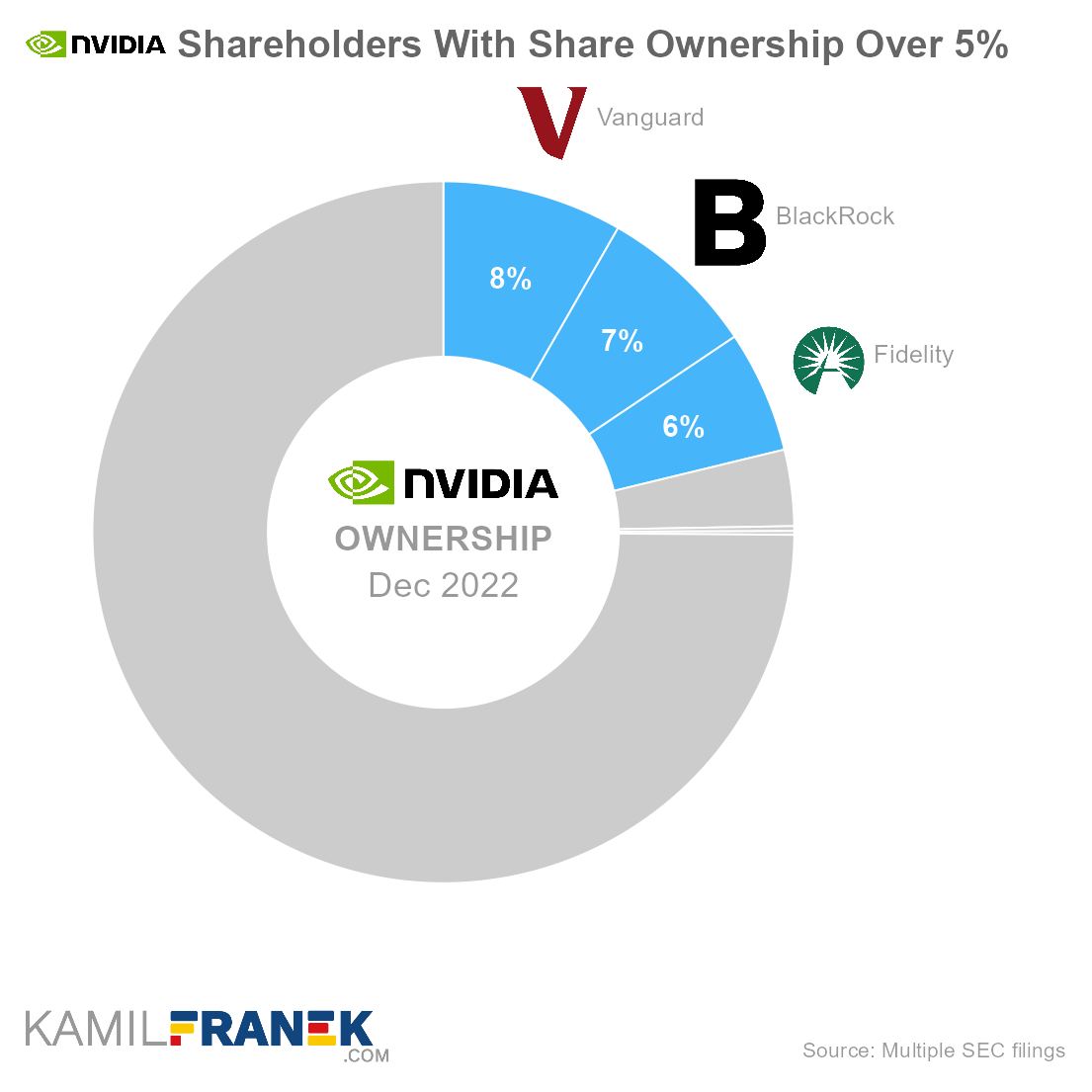
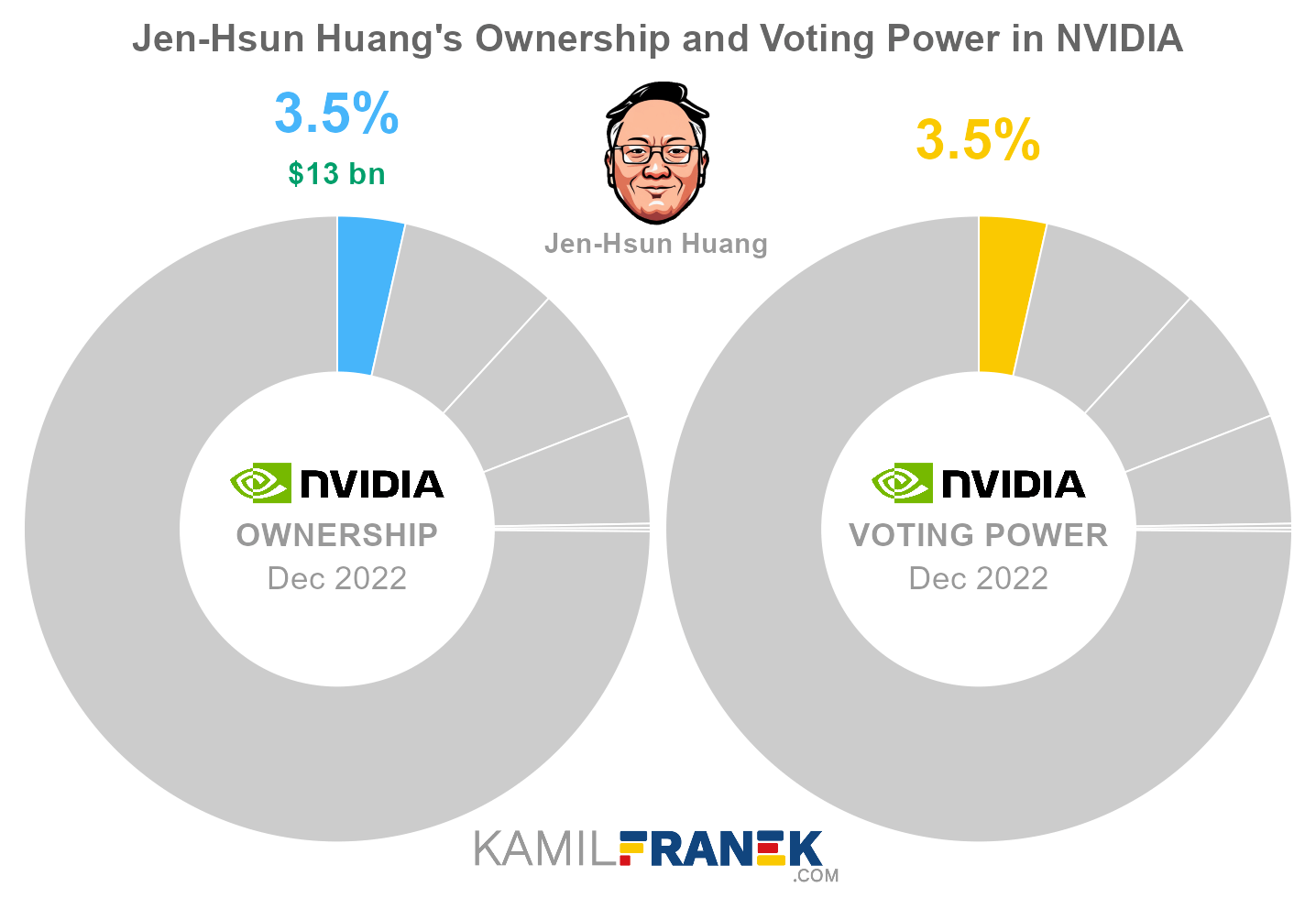
A significant portion of NVIDIA’s vast number of shares is held by institutional investors—mutual funds, hedge funds, pension funds, and other large financial entities. This institutional ownership provides a degree of stability and signals confidence in the company’s long-term prospects. However, the 2021 stock split also aimed to increase accessibility for retail investors, fostering broader individual ownership and potentially greater trading volume. The balance between institutional and retail ownership can influence stock volatility and trading patterns.
Future Considerations: Growth, Innovation, and Shareholder Value
Looking ahead, NVIDIA’s share count will continue to be shaped by its unwavering focus on innovation and growth in pivotal markets like AI, data centers, professional visualization, and automotive. Management’s decisions regarding capital allocation—whether for research and development, strategic acquisitions, or ongoing share buybacks—will directly influence the number of shares outstanding.
NVIDIA’s leadership in cutting-edge technologies means it will likely continue to attract top talent through equity compensation, which will always be a factor in potential dilution. However, its strong profitability and cash flow generation provide the flexibility to offset this through robust share repurchase programs.
For investors, monitoring NVIDIA’s share count, alongside its financial performance and strategic initiatives, offers a comprehensive view of its health and potential. It’s not just about how many shares there are, but what those shares represent: a stake in a company continually redefining the future of technology and delivering significant value to its shareholders.