
Apple Inc. (AAPL) stands as a titan of the technology world, a company whose products define generations and whose brand resonates globally. Yet, beyond the sleek iPhones, powerful MacBooks, and innovative services, lies a financial behemoth whose structure is of immense interest to investors, analysts, and economists alike. For anyone looking to understand the mechanics of this corporate giant, one fundamental question often emerges: “How many shares are there in Apple?”
This seemingly simple query, however, unlocks a complex and dynamic aspect of corporate finance. The number of shares a company has outstanding is not a static figure; it’s a living metric, constantly influenced by strategic financial decisions such as stock splits, share buybacks, and new issuances. For investors, understanding Apple’s share count isn’t merely about knowing a number; it’s about grasping the underlying capital management strategies that impact everything from earnings per share to overall market capitalization, and ultimately, shareholder value. This article will delve into the intricacies of Apple’s share count, exploring its evolution, its financial implications, and why this particular number is a crucial piece of the investment puzzle.
Understanding Share Count: More Than Just a Number
The total number of shares a company like Apple has in existence, available for trading on public exchanges, is a cornerstone of its financial identity. This figure, often referred to as “outstanding shares,” is critical for various financial calculations and understanding a company’s valuation. It’s the denominator in many key performance indicators, making its fluctuations highly significant.
The Dynamic Nature of Outstanding Shares
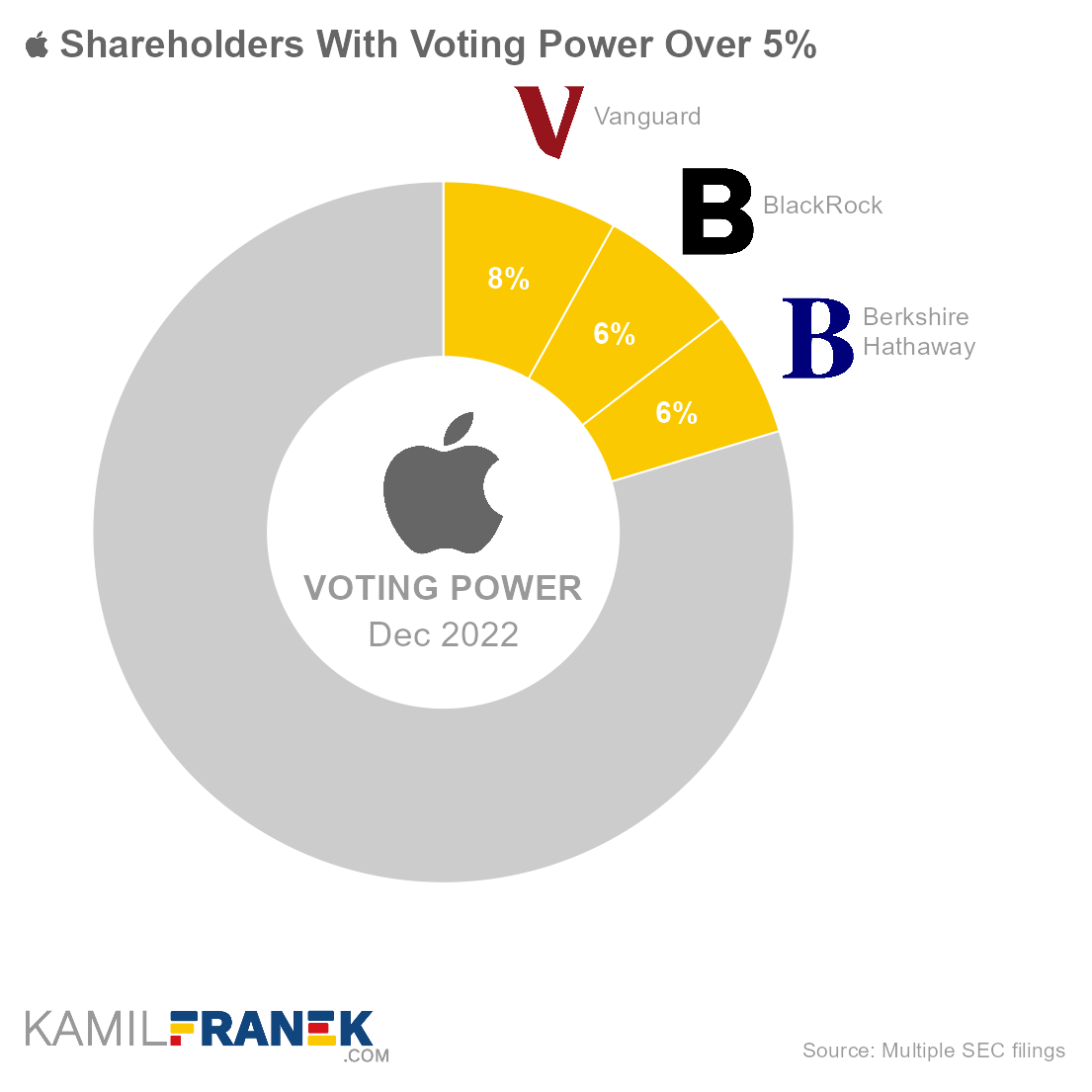
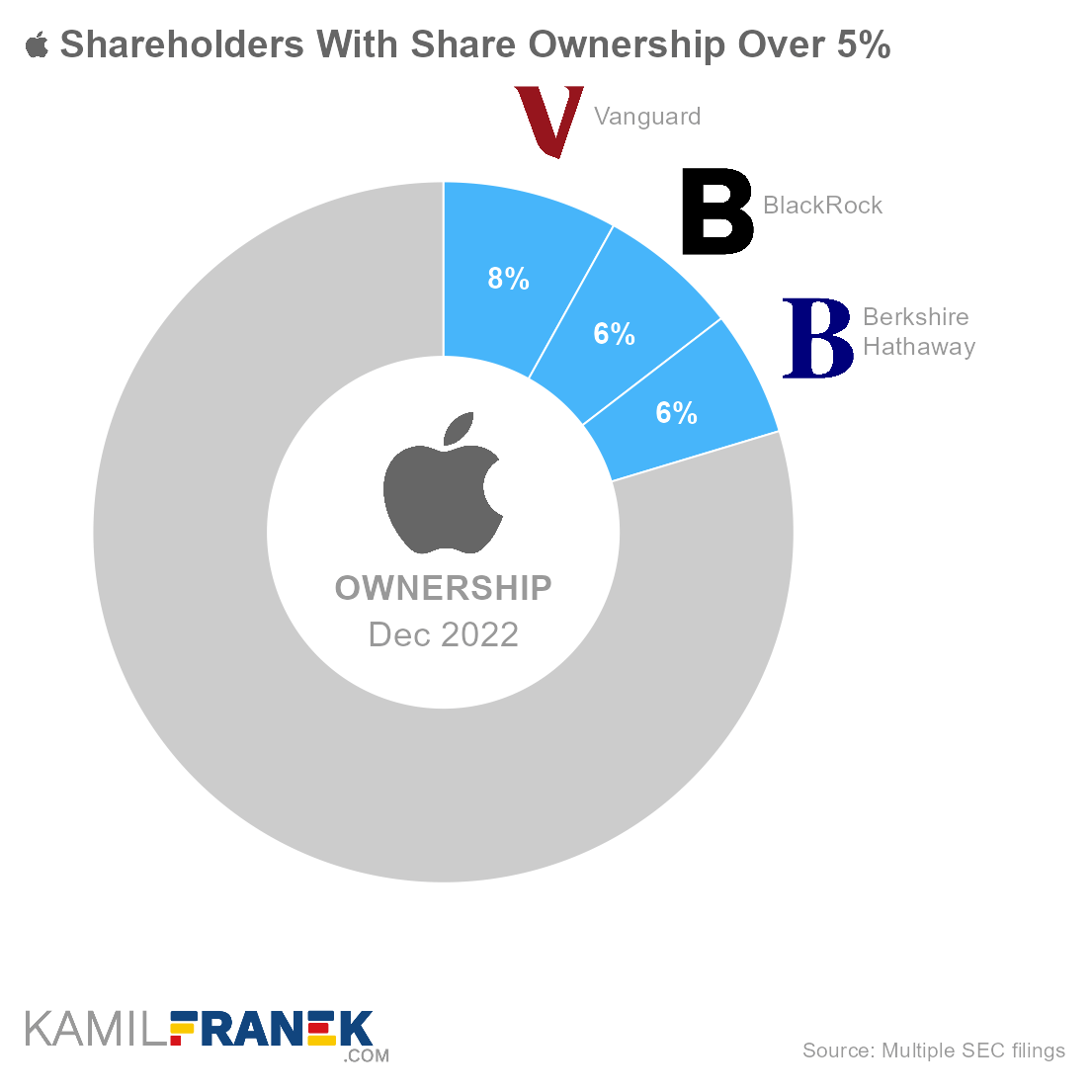
When we talk about “outstanding shares,” we are referring to the total number of common shares currently held by all shareholders, including institutional investors, insiders, and the general public. It’s important to distinguish this from “authorized shares” (the maximum number a company is legally permitted to issue) and “issued shares” (shares that have been sold to investors). Outstanding shares are the subset of issued shares that are currently in the hands of the public and not held by the company itself as treasury stock.
This number is far from fixed. Companies constantly adjust their share count through various corporate actions. Stock buybacks, where a company repurchases its own shares from the open market, reduce the number of outstanding shares. Conversely, issuing new shares, perhaps to raise capital, fund an acquisition, or compensate employees through stock options, increases the count. For a company as active in capital management as Apple, these fluctuations are frequent and substantial. The real-time nature of this metric means that any reported number is a snapshot, valid only at that specific moment. Understanding these dynamics is crucial for investors who rely on metrics like market capitalization, which is directly derived from the share count (share price multiplied by outstanding shares).
Fully Diluted Shares vs. Basic Shares
Financial reports often present two distinct share counts: basic shares and fully diluted shares. The distinction between the two is vital for a comprehensive financial analysis, particularly when evaluating a company’s potential future earnings per share.
Basic shares outstanding refer to the actual number of shares currently in circulation, as discussed above. This is the most straightforward and immediate measure of ownership. When calculating basic earnings per share (EPS), a company’s net income is simply divided by its basic weighted-average outstanding shares for the reporting period.
Fully diluted shares outstanding, on the other hand, represent a more conservative and forward-looking measure. This figure includes all basic shares plus the shares that would be created if all convertible securities, stock options, warrants, and other equity equivalents were exercised or converted into common stock. For instance, if Apple has a large number of employee stock options that, if exercised, would create millions of new shares, these potential new shares are added to the basic share count to arrive at the fully diluted figure.
The primary reason for using fully diluted shares, especially for calculating diluted EPS, is to provide investors with a more accurate picture of what per-share earnings would look like if all potential sources of dilution were to materialize. This is particularly important for growth companies or those with extensive stock-based compensation programs. For a mature company like Apple, while the difference between basic and diluted might not always be vast, it remains a critical consideration for analysts attempting to project future shareholder value and earnings potential, ensuring they account for any future dilution that could impact per-share metrics.
Apple’s Share Count Journey: A Case Study in Capital Management
Apple’s journey regarding its share count is a compelling illustration of sophisticated capital management. Over its decades as a public company, Apple has employed a range of strategies that have significantly altered its outstanding share count, each with specific objectives and profound implications for its investors.
The Impact of Stock Splits
Stock splits are among the most dramatic events that impact a company’s share count. While they don’t change the underlying value of an investor’s total holdings or the company’s market capitalization, they drastically alter the number of shares and their per-share price. Apple has a notable history of stock splits, including a 4-for-1 split in August 2020, a 7-for-1 split in June 2014, and earlier splits in 2005, 1987, and 1980.
The primary purpose of a stock split is to make shares more accessible to a broader range of investors by lowering the per-share price. For example, after a 4-for-1 split, an investor who owned one share at $400 would now own four shares at $100 each. While the total value remains $400, the lower individual share price can attract smaller retail investors and potentially increase trading liquidity. It can also have a psychological effect, making the stock appear “cheaper” and more appealing. For Apple, these splits were strategic moves to maintain broad investor interest and ensure its stock remained a staple for many portfolios, even as its market valuation soared. Each split immediately multiplied the number of outstanding shares by the split ratio, while simultaneously dividing the share price by the same factor.
Aggressive Share Buyback Programs
Perhaps the most significant and consistent factor influencing Apple’s share count over the past decade has been its aggressive and unparalleled share buyback program. Faced with an enormous cash pile, which at one point exceeded $250 billion, Apple initiated substantial capital return programs, prioritizing share repurchases alongside increasing dividends.
The motivations behind these massive buybacks are multi-faceted:
- Returning Capital to Shareholders: Buybacks are a direct way to return excess cash to investors, particularly when a company might not have sufficient high-return internal investment opportunities for all its cash.
- Boosting Earnings Per Share (EPS): By reducing the number of outstanding shares, EPS (Net Income / Outstanding Shares) automatically increases, assuming net income remains constant. This can make the company appear more profitable on a per-share basis.
- Signaling Confidence: A company buying back its own shares signals to the market that management believes the stock is undervalued, projecting confidence in future prospects.
- Offsetting Dilution: Buybacks can also be used to offset the dilutive effect of employee stock options and other equity compensation programs, preventing the total share count from rising despite new share issuances for employees.
Apple has consistently authorized tens of billions of dollars for share repurchases annually, making it one of the largest corporate buyers of its own stock in history. These continuous buybacks have significantly reduced Apple’s outstanding share count over time. For instance, despite the stock splits which multiply shares, the cumulative effect of sustained buybacks has meant that Apple’s overall share count has seen a net reduction over various periods, leading to enhanced EPS and return on equity (ROE) for existing shareholders. This strategy is a cornerstone of Apple’s financial policy, reflecting its commitment to shareholder value creation.
The Financial Implications for Investors
The number of outstanding shares is not merely an accounting detail; it has profound financial implications that directly affect how investors perceive and value a company like Apple. For individuals and institutions alike, understanding these implications is key to making informed investment decisions.
Earnings Per Share (EPS) and Share Count
One of the most directly impacted metrics by share count is Earnings Per Share (EPS). EPS is calculated as a company’s net income divided by its outstanding shares. It represents the portion of a company’s profit allocated to each individual share of common stock.
$$ text{EPS} = frac{text{Net Income}}{text{Outstanding Shares}} $$
When a company like Apple engages in large-scale share buybacks, the denominator in this equation (outstanding shares) decreases. Assuming net income remains constant or grows, a lower share count will result in a higher EPS. This can make the company appear more profitable on a per-share basis, even if its total net income hasn’t significantly increased.
For investors, a rising EPS is generally viewed positively, as it often correlates with a rising stock price and reflects improving profitability for each unit of ownership. However, it’s crucial for analysts to differentiate between EPS growth driven by genuine operational improvements and that which is primarily an artifact of share count reduction. While buybacks can be a legitimate way to return value, an over-reliance on them to boost EPS without underlying business growth can mask stagnation. Therefore, a comprehensive analysis requires looking at both net income trends and share count dynamics concurrently.
Valuation Metrics and Share Count
The share count is fundamental to several critical valuation metrics that investors use to assess Apple’s worth:
- Market Capitalization: This is the total value of all of a company’s outstanding shares. It’s calculated by multiplying the current share price by the number of outstanding shares.
$$ text{Market Cap} = text{Share Price} times text{Outstanding Shares} $$
Apple’s colossal market capitalization, often fluctuating around $2.5 to $3 trillion, is a direct result of its high share price and its substantial, albeit managed, number of outstanding shares. Market cap is a primary indicator of a company’s size and influence. - Enterprise Value (EV): EV is another comprehensive valuation metric that considers a company’s total value, including debt and subtracting cash. It provides a more accurate picture of the cost to acquire the entire business.
$$ text{EV} = text{Market Cap} + text{Total Debt} – text{Cash and Cash Equivalents} $$
Since Market Cap is a component of EV, the share count indirectly influences this crucial metric as well. - Dividends Per Share: While Apple’s total dividend payout is a function of its profitability, the dividend per share is directly influenced by the number of outstanding shares. A lower share count, all else being equal, could allow a company to pay a higher dividend per share or maintain a steady per-share dividend while reducing the total cash outflow for dividends.
Understanding these interrelationships allows investors to build a holistic picture of Apple’s financial health and its appeal as an investment.
Dilution Risk and Shareholder Value
While share buybacks reduce dilution, other corporate actions can introduce it. Dilution occurs when a company issues new shares, which increases the total number of outstanding shares and reduces the ownership percentage of existing shareholders. This can happen through:
- Employee Stock Options and Restricted Stock Units (RSUs): As mentioned, companies like Apple use equity compensation to attract and retain talent. When employees exercise options or RSUs vest, new shares are often issued, increasing the share count.
- Convertible Debt: If a company issues bonds or preferred stock that can be converted into common stock, their conversion would increase the share count.
- Secondary Offerings: A company might issue new shares to raise capital for expansion, acquisitions, or to reduce debt.
Dilution can negatively impact shareholder value by spreading future earnings over a larger number of shares, thereby potentially reducing EPS and diluting the voting power and ownership stake of existing shareholders. Apple, while issuing shares for employee compensation, actively manages this dilution through its buyback programs, effectively offsetting new issuances with repurchases to maintain or even reduce the net outstanding share count. This proactive management is a critical aspect of protecting and enhancing shareholder value.
Where to Find Apple’s Current Share Count
Given the dynamic nature and critical importance of Apple’s share count, knowing where to access the most accurate and up-to-date information is paramount for any serious investor or analyst. Relying on outdated or unverified sources can lead to significant misinterpretations of the company’s financial health and valuation.
Official Sources for Reliable Data
The most reliable and legally mandated sources for Apple’s share count, and indeed for any publicly traded company, are its official filings with regulatory bodies.
- SEC Filings: In the United States, public companies are required to file periodic reports with the Securities and Exchange Commission (SEC). For Apple, the key documents are:
- Form 10-K (Annual Report): This comprehensive report, filed annually, provides a detailed overview of the company’s financial performance, including its balance sheet, income statement, statement of cash flows, and a section on outstanding shares. The 10-K offers the most complete annual picture.
- Form 10-Q (Quarterly Report): Filed quarterly, the 10-Q updates the financial information provided in the 10-K, including the latest outstanding share counts.
- Form 8-K (Current Report): This form is used to announce significant events that investors should know about, potentially including major changes to the share count like a large stock split or a new share issuance.
These filings are publicly accessible through the SEC’s EDGAR database and are considered the definitive source of information.
- Company Investor Relations Pages: Apple, like most major corporations, maintains a dedicated investor relations section on its official website. This portal typically hosts links to its SEC filings, earnings call transcripts, and often provides a quick overview of key financial metrics, including the latest reported share count. This can be a more user-friendly entry point to the official data.
- Reputable Financial Data Providers: Once the official data is released, various financial news outlets and data platforms synthesize and present this information. Sources like Bloomberg Terminal, Reuters Eikon, Yahoo Finance, Google Finance, CNBC, The Wall Street Journal, and other reputable financial websites compile this data for easy access. While convenient, it’s always advisable to cross-reference with official SEC filings for critical analysis, especially if there’s any discrepancy. These platforms typically update their figures shortly after Apple releases its quarterly or annual reports.
Interpreting the Data
When consulting these sources, several points of interpretation are crucial:
- Date of Report: Always note the “as of” date for any reported share count. Since the number is dynamic, a figure from the last quarterly report might already be slightly outdated, especially for a company with active buyback programs. Focus on the most recent 10-Q or 10-K.
- Basic vs. Diluted: As discussed, differentiate between basic and fully diluted share counts. For most valuation purposes, especially forward-looking analysis, the fully diluted number is often preferred as it accounts for potential future dilution.
- Weighted-Average Shares: Financial reports will typically present “weighted-average” outstanding shares for EPS calculations. This average accounts for changes in the share count over the reporting period, giving a more accurate representation of the shares available during the period for which earnings are calculated.
In conclusion, the exact number of shares in Apple is a continuously evolving figure, best found in its most recent quarterly (10-Q) or annual (10-K) SEC filings. As of its latest report (e.g., Q1 2024 for the period ending December 30, 2023), Apple reported approximately 15.4 billion basic outstanding shares. However, this number will continue to fluctuate with each subsequent financial report due to its ongoing capital management activities.
The question of “how many shares are there in Apple” extends far beyond a simple numerical answer. It delves into the core of corporate finance and investment strategy. Apple’s share count is a dynamic metric, continuously shaped by strategic decisions like stock splits and, most significantly, its aggressive share buyback programs. These actions, while altering the sheer number of shares, are meticulously managed to enhance shareholder value, impact earnings per share, and maintain the company’s vast market capitalization.
For investors, understanding these movements is not just about tracking a number, but about discerning Apple’s capital allocation philosophy, assessing its true profitability per share, and evaluating its long-term commitment to its shareholders. The ability to locate and interpret this data from official SEC filings and reputable financial sources is a fundamental skill for anyone seeking to engage with one of the world’s most influential companies on an informed financial footing. In the ever-evolving landscape of the stock market, Apple’s share count remains a powerful indicator of its financial health and strategic direction.
aViewFromTheCave is a participant in the Amazon Services LLC Associates Program, an affiliate advertising program designed to provide a means for sites to earn advertising fees by advertising and linking to Amazon.com. Amazon, the Amazon logo, AmazonSupply, and the AmazonSupply logo are trademarks of Amazon.com, Inc. or its affiliates. As an Amazon Associate we earn affiliate commissions from qualifying purchases.