
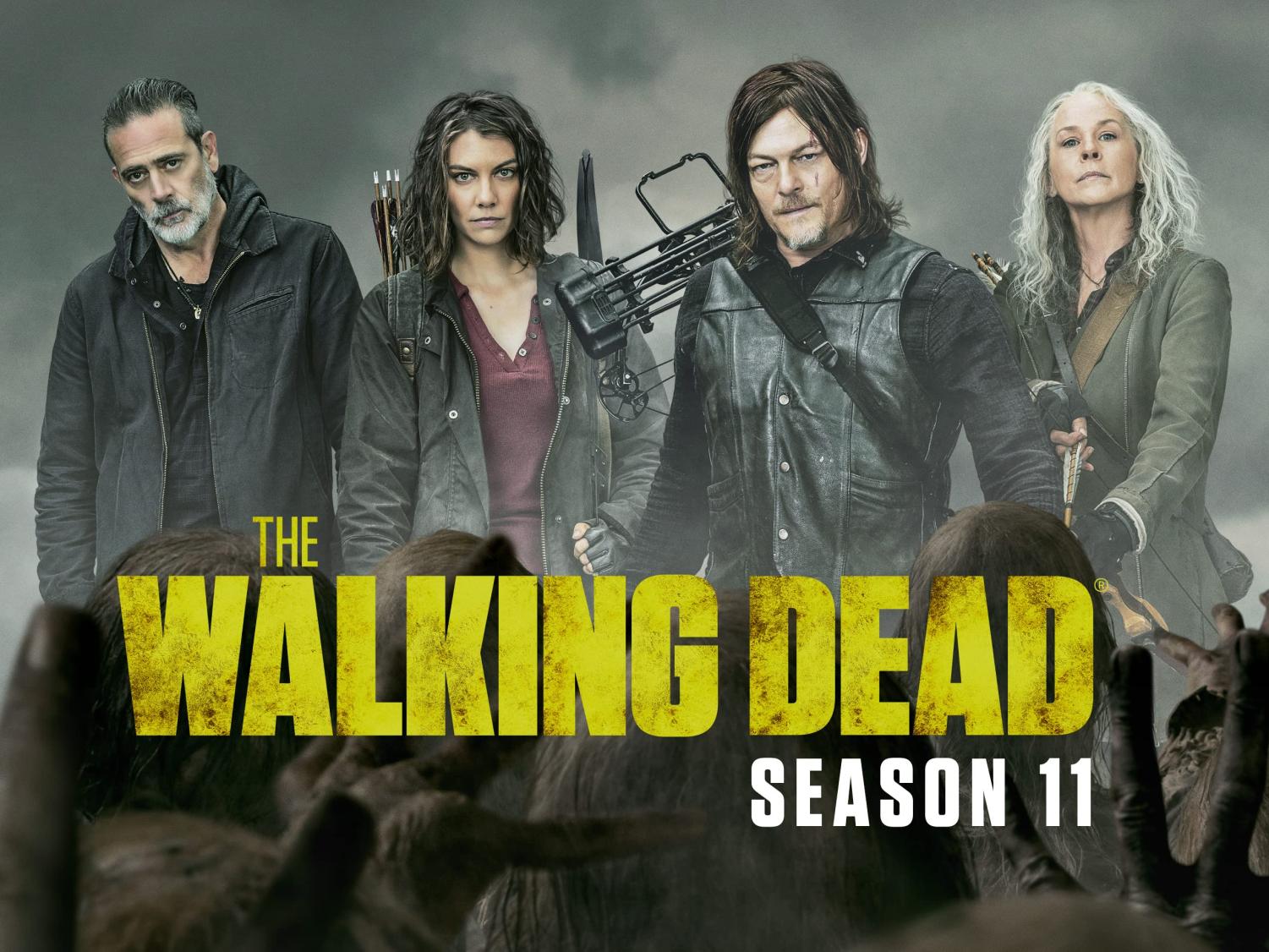
The question “how many seasons The Walking Dead” might seem straightforward, requiring a simple numerical answer. However, for brand strategists, marketers, and anyone interested in the anatomy of a successful, long-running entertainment franchise, this question opens a profound inquiry into brand longevity, audience engagement, strategic expansion, and the intricate art of maintaining relevance in a rapidly evolving media landscape. The flagship series, The Walking Dead, officially concluded its monumental run with 11 seasons, a remarkable achievement that underscores a strategic brilliance in nurturing and evolving a cultural phenomenon. This article delves into how AMC transformed a comic book into a multi-season television juggernaut and, subsequently, a sprawling universe, offering invaluable insights into brand management at an epic scale.
The Enduring Appeal: Navigating Seasons and Shifting Audiences
The journey of The Walking Dead across eleven seasons is a testament to its compelling core premise and the strategic decisions that allowed it to transcend typical television lifecycles. From its debut in 2010, the show tapped into primal fears and human resilience, presenting a post-apocalyptic world teeming not just with zombies (“walkers”), but with complex moral dilemmas and the enduring struggle for survival. The sheer number of seasons speaks volumes about the brand’s ability to adapt, maintain, and refresh its narrative engine while retaining its core identity.
Crafting a Narrative for Longevity
At the heart of any enduring brand, especially in entertainment, is a strong narrative. The Walking Dead distinguished itself by focusing less on the zombie apocalypse itself and more on the human drama unfolding within it. Each season presented new threats, new allies, and new philosophical questions about humanity in its most desperate state. This continuous evolution of the story arc, introducing new communities, shifting power dynamics, and developing intricate character relationships, was crucial. It ensured that despite the consistent backdrop of the undead, the brand never felt stagnant. Viewers weren’t just tuning in for zombie action; they were invested in the journey of Rick Grimes, Daryl Dixon, Michonne, and countless others, their triumphs, and their tragedies. This character-driven approach allowed for plot twists and character departures that, while often controversial, frequently reignited audience interest and discussion, serving as organic marketing for upcoming seasons.
Adapting to Audience Expectations and Feedback
Over its eleven seasons, The Walking Dead faced the inevitable challenges of maintaining viewership in an increasingly fragmented media environment. The brand’s custodians at AMC demonstrated a willingness, at various points, to listen to audience feedback and adapt. This wasn’t always a smooth process; some narrative choices or character developments were met with backlash. However, the overall trajectory shows an awareness of fan investment. Changes in showrunners, shifts in storytelling pace, and even the strategic departure of key characters to fuel future spin-offs (as seen with Rick Grimes and Michonne) were all calculated moves designed to extend the brand’s lifespan and refresh its appeal. This adaptive strategy ensured that the brand remained dynamic, preventing the onset of creative fatigue that can plague long-running series and ultimately lead to declining brand equity.
Beyond the Main Series: Strategic Brand Expansion Through Spin-offs
The conclusion of the main series after 11 seasons was not the end of The Walking Dead brand; rather, it was a strategic pivot towards an expanded universe. This multi-series approach is a textbook example of brand diversification and leveraging existing brand equity to create new revenue streams and engage different segments of the audience. The initial question of “how many seasons” quickly evolves into “how many series” within this intricate brand ecosystem.
Building an Interconnected Universe: Spin-offs as Brand Extensions
AMC’s strategy for The Walking Dead universe has been an exemplary case study in brand expansion. Recognizing the immense potential beyond the core narrative, the network meticulously planned and launched a series of spin-off shows, each designed to explore different facets of the apocalypse or follow beloved characters on new journeys. Fear the Walking Dead launched in 2015, offering a glimpse into the initial outbreak and exploring different geographical locations. The Walking Dead: World Beyond catered to a younger demographic with a coming-of-age story set a decade after the apocalypse.
The most recent wave of spin-offs, including The Walking Dead: Dead City (featuring Maggie and Negan), The Walking Dead: Daryl Dixon (following the iconic character in France), and the highly anticipated The Ones Who Live (reuniting Rick and Michonne), illustrate a sophisticated brand strategy. These shows capitalize directly on the immense goodwill and fan investment in specific characters, extending their narratives while also expanding the overall lore and geographical scope of the universe. This allows the brand to maintain its core identity while offering fresh perspectives and attracting new viewers who might be drawn to a specific character or setting without needing to commit to 11 seasons of the original series.
Managing Brand Cohesion and Identity Across Multiple Platforms
The challenge with extensive brand expansion is maintaining a cohesive brand identity while allowing for individual distinctiveness. The Walking Dead brand manages this through consistent thematic elements (survival, morality, community) and a shared aesthetic, even as specific spin-offs explore different tones or introduce new elements. The overarching “Walking Dead” title in many of these extensions immediately cues viewers into the established universe, leveraging its inherent brand recognition. This careful balance ensures that each new series feels like a part of a larger, interconnected brand, reinforcing the value of the entire franchise rather than fragmenting it. It’s a strategic move that ensures the answer to “how many seasons” evolves into a more complex, “how many series and stories are contained within this powerful brand?”
Cultivating Community: The Power of Fandom in Brand Longevity
Beyond the narrative and strategic expansion, a critical component of The Walking Dead‘s eleven-season run and its ongoing brand success has been its passionate and dedicated global fanbase. For any brand, a loyal community is invaluable, but for entertainment brands, it’s the lifeblood that fuels discussion, drives engagement, and provides invaluable organic marketing.

Engaging the Fandom: Interactive and Participatory Branding
AMC understood early on the power of an engaged audience. The Walking Dead fostered a vibrant online community through social media, dedicated forums, and fan conventions. This wasn’t just passive viewing; it was an interactive experience. Live after-shows like Talking Dead provided a platform for immediate discussion and deeper dives into episodes, effectively extending the viewing experience and solidifying fan loyalty. The active participation of cast and crew in these fan interactions further personalized the brand, making viewers feel like part of an exclusive club. This continuous dialogue helped shape the brand’s trajectory, providing valuable insights into audience preferences and reinforcing their investment in the story and its characters.
Fandom as a Force Multiplier for Brand Reach
The passionate fanbase of The Walking Dead acted as a powerful marketing engine throughout its eleven seasons. Fan theories, memes, discussions, and reactions generated immense buzz around each episode and season premiere. This user-generated content provided authentic endorsements and extended the brand’s reach far beyond traditional advertising. Cosplay, fan art, and elaborate discussions about character arcs and plot predictions kept the brand perpetually in the cultural conversation. This organic amplification is a testament to the brand’s ability to create deep emotional connections with its audience, transforming passive consumers into active advocates who champion the brand through thick and thin, even through narrative controversies or character deaths.
Marketing a Mature Brand: Re-engagement and Innovation
Marketing an entertainment brand for over a decade, spanning eleven seasons and multiple spin-offs, requires significant strategic agility. The challenge shifts from introducing a new concept to re-engaging a long-term audience while simultaneously attracting new viewers who might feel intimidated by the existing volume of content.
Leveraging Milestones and Narrative Pivots for Renewed Interest
Throughout its run, The Walking Dead masterfully used narrative milestones and pivotal character developments as marketing hooks. Major character deaths, the introduction of iconic villains like Negan, or significant time jumps were not just plot points; they were carefully orchestrated brand events. These moments created immense media buzz, generated discussions across social platforms, and provided compelling reasons for lapsed viewers to return and for new audiences to jump in. The marketing campaigns around these events were robust, utilizing teasers, trailers, and behind-the-scenes content to build anticipation to a fever pitch. This consistent ability to create event television was crucial for maintaining high viewership numbers across eleven seasons.
Digital Marketing and the Evolution of Audience Reach
As the series matured, so did its marketing strategies. Beyond traditional television spots, The Walking Dead embraced digital marketing with gusto. Social media platforms became crucial for real-time engagement, sneak peeks, and direct interaction with the cast. Interactive online experiences, mobile games, and virtual reality content further diversified the brand’s marketing touchpoints, catering to a technologically savvy audience. This multi-platform approach ensured that the brand remained visible and accessible wherever its audience spent their time, adapting to changing media consumption habits and effectively marketing to both legacy fans and potential newcomers across different digital ecosystems. The announcement and promotion of each new spin-off have further refined this digital-first approach, targeting specific fan segments with tailored content.
The Legacy and Future: Sustaining the Undead Empire
The original question, “how many seasons The Walking Dead,” ultimately points to a broader narrative: the creation and perpetuation of a formidable entertainment brand. With 11 seasons for its flagship, and a rapidly expanding universe of spin-offs, games, and merchandise, The Walking Dead has cemented its place as a cornerstone of modern pop culture.
From Series to Saga: Building a Lasting Brand Narrative
The transition from a single television series to an interconnected saga represents the ultimate goal for many entertainment brands. The Walking Dead achieved this by meticulously planning its expansions and understanding the enduring appeal of its core concepts. The “how many seasons” query is now almost secondary to “how vast is the universe?” This strategic shift ensures the brand’s relevance extends far beyond the conclusion of any single series, maintaining a continuous narrative thread that can be picked up by new generations of viewers. The careful crafting of character arcs that transcend individual shows, as seen with Rick, Michonne, and Daryl, ensures that the brand’s emotional core remains intact across its myriad offerings.

The Business of Undead Longevity: Strategic Foresight
The continuous investment in The Walking Dead universe by AMC reflects a deep understanding of long-term brand value. It’s not just about producing content; it’s about managing a valuable intellectual property, nurturing its audience, and exploring every avenue for monetization and expansion. From merchandising to video games, themed attractions, and international syndication, the brand’s ecosystem is designed for sustained growth. The decision to conclude the main series after 11 seasons, rather than let it slowly fade, was a strategic move to re-energize the brand, allowing it to shed potential fatigue and embark on new, more focused narrative adventures through its spin-offs. This foresight demonstrates an exceptional commitment to brand health and longevity, ensuring that The Walking Dead brand continues to thrive for many seasons and series to come.
In conclusion, The Walking Dead‘s 11-season run is more than just a number; it’s a profound case study in brand resilience, strategic adaptation, and the power of a deeply engaged community. It showcases how a compelling narrative, coupled with astute brand management and courageous expansion, can transform a single television show into a timeless cultural institution, ensuring its legacy continues to roam the entertainment landscape for years to come.
aViewFromTheCave is a participant in the Amazon Services LLC Associates Program, an affiliate advertising program designed to provide a means for sites to earn advertising fees by advertising and linking to Amazon.com. Amazon, the Amazon logo, AmazonSupply, and the AmazonSupply logo are trademarks of Amazon.com, Inc. or its affiliates. As an Amazon Associate we earn affiliate commissions from qualifying purchases.