
“The Walking Dead” is more than just a television show; it is a global entertainment phenomenon that has transcended its comic book origins to become a sprawling multimedia brand. When contemplating “how many seasons in The Walking Dead,” the simple answer—eleven—belies a profound narrative of strategic brand management, audience engagement, and the intricate dance of content creation in a rapidly evolving media landscape. This extensive run isn’t merely a testament to its popularity but a living case study in how a brand can sustain, adapt, and even reinvent itself over a significant period, navigating challenges from creative fatigue to shifting consumer habits.
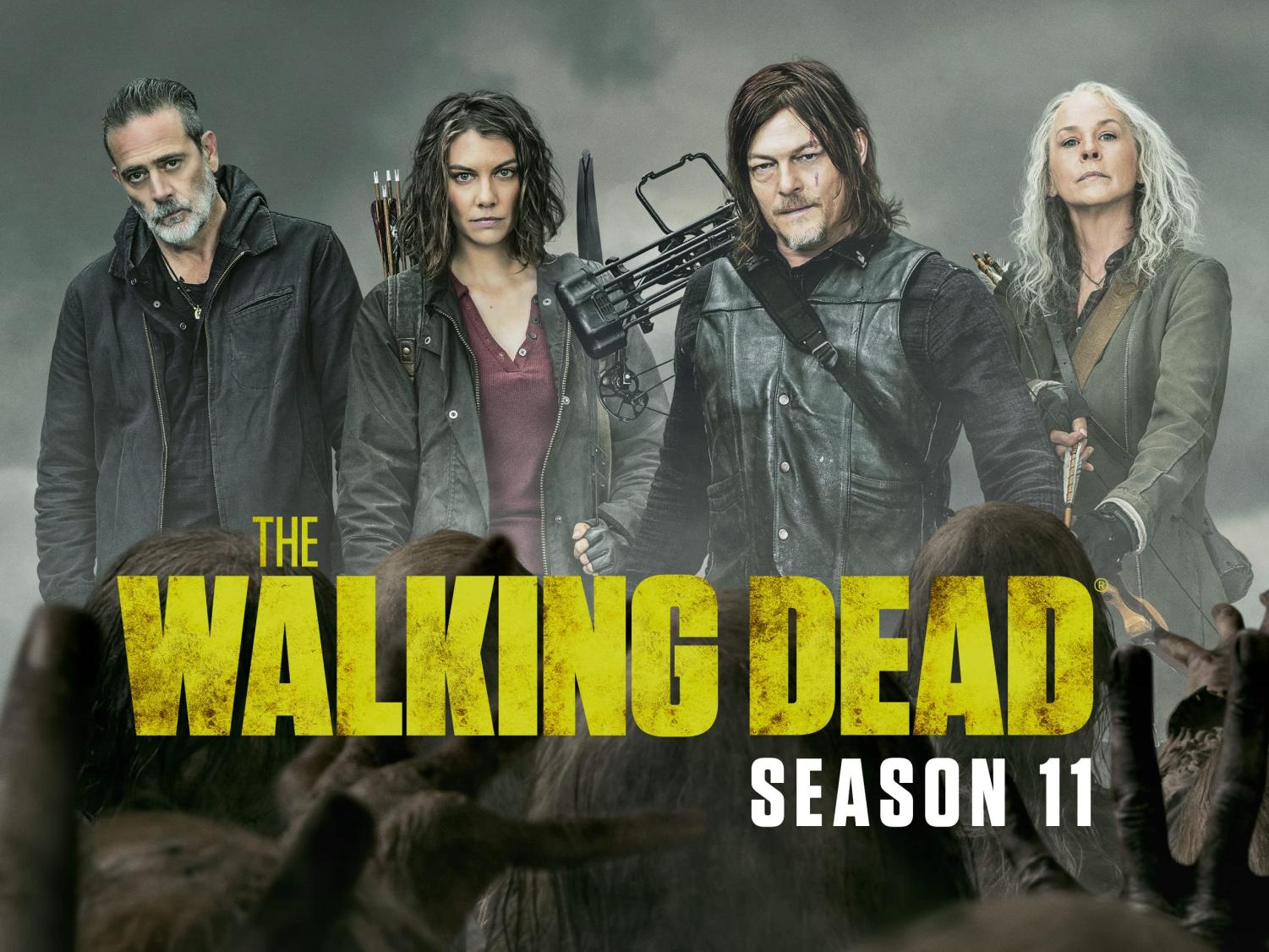
For over a decade, AMC’s flagship series captured the zeitgeist, building a devoted global fanbase and spawning a universe of spin-offs, merchandise, and interactive experiences. Analyzing its eleven-season trajectory offers invaluable insights into the strategic decisions that underpin the longevity and financial viability of an entertainment brand. It showcases the delicate balance between maintaining core identity and embracing necessary evolution, ultimately providing a blueprint for intellectual property (IP) maximization in the 21st century.
The Strategic Architecture of a Protracted Brand Narrative
The decision to stretch a single narrative across eleven seasons is not trivial; it’s a calculated gamble on audience loyalty, creative ingenuity, and market endurance. For “The Walking Dead” brand, this extended run necessitated a sophisticated strategic architecture designed to keep the narrative fresh, the audience engaged, and the brand relevant.
Sustaining Engagement Across Eleven Seasons
Maintaining an audience’s captivation for over a decade is arguably one of the greatest challenges for any serialized content brand. “The Walking Dead” tackled this by employing several strategic narrative devices. The brand consistently delivered high-stakes drama, primarily through the ruthless killing off of major characters, a practice inherited from its comic source material. This served as a perpetual narrative reset, preventing stagnation and forcing both characters and audience to adapt to new dynamics. New adversaries, each with distinct philosophies and threats (from the Governor to Negan to the Whisperers), ensured a cyclical renewal of conflict, presenting fresh challenges to the protagonists and, by extension, to the brand’s ability to evolve its core themes of survival and humanity.
Moreover, the gradual introduction of new core characters, often from adversary groups, injected fresh perspectives and allowed for the exploration of new moral dilemmas. This strategy was crucial for mitigating audience fatigue and ensuring that, despite the familiar post-apocalyptic setting, the human drama at the brand’s core continually felt novel and impactful. The ability to refresh its ensemble cast without completely losing its identity was a cornerstone of its sustained engagement strategy.
The Balancing Act: Fan Service vs. Narrative Innovation
Any long-running brand faces the inherent tension between satisfying its loyal fanbase and daring to innovate. “The Walking Dead” navigated this tightrope walk throughout its eleven seasons. Fan service often manifested in adapting iconic comic book storylines, like the introduction of Negan and the infamous “Lucille” scene, which generated immense hype and rewarded long-time followers. However, the brand also frequently diverged from its source material, making unexpected narrative choices and character departures. These deviations, while sometimes controversial, allowed the brand to forge its own identity beyond the comics, surprising even the most seasoned fans and demonstrating a willingness to take risks.
This balance is a critical lesson in brand management: a brand must listen to its audience, but it also needs to lead, to surprise, and to push boundaries. Over-reliance on fan service can lead to predictability and stagnation, while excessive deviation can alienate the core audience. “The Walking Dead’s” ability to oscillate between these two poles, sometimes gracefully, sometimes clumsily, defined its long-term narrative strategy and kept the brand in constant conversation.
From Comic Panels to Global Phenomenon: Brand Adaptation and Expansion
The journey from Robert Kirkman’s niche comic book to a global television juggernaut is a powerful example of successful brand adaptation. The TV series not only brought the grim, character-driven survival story to a wider audience but also expanded its thematic scope and visual language. The brand’s initial success on AMC proved the universal appeal of its core concept, laying the groundwork for its protracted run and future expansion. This adaptation wasn’t just a translation; it was a re-imagination that retained the essence of the original while broadening its accessibility and market reach, transforming it from a cult hit into a mainstream cultural touchstone that could sustain eleven seasons.
The Evolving Business Model: From Linear TV to Franchise Powerhouse
The eleven-season run of “The Walking Dead” isn’t just a creative achievement; it’s a significant business decision that reflects a strategic shift in how entertainment brands are valued and monetized. This longevity allowed AMC to evolve the brand from a standalone hit into a diversified IP empire.
Maximizing Brand Value Through Seasonal Structure
For AMC, the decision to greenlight eleven seasons was a calculated move to maximize advertising revenue, subscriber acquisition, and ultimately, brand equity. Each season represented a new opportunity to attract viewers, maintain high ratings, and secure lucrative advertising deals, particularly during its peak popularity. The staggered release of seasons, often split into two parts, also extended the brand’s presence throughout the year, keeping it top-of-mind for audiences and advertisers alike.
The eventual decision to announce the final eleventh season, and to extend it with additional episodes, was a strategic signaling move. It allowed the brand to orchestrate a long farewell, building anticipation for the conclusion while simultaneously laying groundwork for future projects, ensuring a smooth transition rather than an abrupt end. This controlled winding down of the flagship series is a textbook example of strategic brand lifecycle management.
The Spin-off Strategy: Diversifying the Brand Ecosystem
Perhaps the most potent demonstration of “The Walking Dead’s” brand power lies in its aggressive and successful spin-off strategy. Eleven seasons provided a robust foundation upon which to build an entire universe. Fear the Walking Dead, the first spin-off, expanded the geographical and temporal scope of the apocalypse. Later additions like The Walking Dead: World Beyond (a limited series focusing on a younger generation) and the plethora of upcoming shows—including The Walking Dead: Dead City (Maggie and Negan), an untitled Daryl Dixon series, and the highly anticipated Rick and Michonne reunion series—showcase a deliberate strategy of diversifying the brand’s offerings.
This approach isn’t just about creating more content; it’s about leveraging existing IP to capture different segments of the audience, explore new narrative possibilities, and extend the brand’s lifespan well beyond the main series. Each spin-off is a distinct product under the umbrella brand, designed to appeal to different fan preferences (e.g., character-centric narratives, origin stories, new timelines), thereby strengthening the overall brand ecosystem and its ability to generate continued revenue.

Audience Segmentation and Niche Targeting
With multiple shows under its belt, “The Walking Dead” brand has effectively engaged in audience segmentation. While the core “The Walking Dead” series served as the broad tentpole, spin-offs allowed for more targeted content. Fear the Walking Dead, for instance, initially aimed for a different tone and explored the early days of the apocalypse, potentially attracting viewers interested in origins. The upcoming limited series, by focusing on beloved characters like Rick, Michonne, Daryl, Maggie, and Negan, directly targets the most dedicated segment of the fanbase, ensuring their continued engagement with the universe, even if they’ve drifted from the main show. This strategic diversification ensures that the brand remains relevant to various viewer demographics and interests, maximizing its reach and loyalty.
The Brand’s Impermanence: Navigating Endings and New Beginnings
Even the most enduring brands must eventually confront the question of their own conclusion. For “The Walking Dead,” the decision to end at eleven seasons was a complex strategic maneuver, not a surrender, but a pivot designed to sustain the brand’s future.
The Strategic Decision to Conclude the Flagship Series
The choice to conclude “The Walking Dead” after its eleventh season was multi-faceted. Factors likely included natural creative exhaustion, declining linear viewership from its peak (a common trajectory for long-running shows), and rising production costs associated with a large ensemble cast and ambitious set pieces. More importantly, it was a strategic pivot. By ending the main series, AMC could free up resources, both creative and financial, to invest more heavily in the spin-off universe. This move allowed the brand to transition from a single, high-cost, ongoing narrative to a more flexible, event-driven, and character-focused collection of limited series. It’s a calculated risk to prune the main branch to allow the ecosystem of spin-offs to flourish, preventing brand fatigue while optimizing for evolving media consumption patterns.
Mitigating Brand Fatigue and Sustaining Resonance
Running for eleven seasons carries the inherent risk of brand fatigue. Over-saturation can lead to diminishing returns and a devaluation of the core IP. By concluding the main series, the “Walking Dead” brand performed a strategic reset. It created a sense of finality and importance around the flagship narrative, allowing it to conclude on its own terms and potentially restoring some of its prestige. This ending also created a renewed sense of anticipation for the spin-offs, positioning them not just as extensions but as the next chapter in a beloved, ongoing saga, thereby sustaining the brand’s resonance without the burden of an endlessly serialized show.
The Future of the TWD Brand Universe
The future of “The Walking Dead” brand lies squarely in its carefully curated universe of spin-offs. These aren’t simply continuations but strategic re-imaginings of the brand’s storytelling approach. By focusing on beloved characters in limited, event-style series, the brand is adapting to a streaming-first world where episodic commitments are often shorter, and character-driven narratives can attract specific fan segments. This fragmented yet interconnected strategy allows the brand to remain agile, exploring different corners of its world and tapping into the enduring appeal of its most iconic figures, ensuring that the “Walking Dead” brand remains a significant player in the entertainment landscape for years to come.
Lessons in Brand Stewardship from The Walking Dead Saga
The eleven seasons of “The Walking Dead” offer profound lessons in brand stewardship applicable far beyond the entertainment industry. Its journey underscores several key principles for any brand aiming for longevity and impact.
The Power of a Strong Core Concept
At its heart, “The Walking Dead” brand succeeded because of a compelling core concept: the struggle for survival and humanity in a post-apocalyptic world. This universal theme resonated deeply with audiences, providing a robust foundation that could endure various narrative permutations and cast changes. A strong, adaptable core concept is paramount for any brand’s sustained success.
Agility in Content Strategy
The brand’s willingness to adapt, to kill off beloved characters, to introduce new threats, and to evolve its storytelling over eleven seasons demonstrates critical agility. In a dynamic market, brands must be prepared to pivot, innovate, and sometimes even reinvent themselves to remain relevant and engaging.
The Art of Strategic Expansion and Contraction
“The Walking Dead” provides a masterclass in knowing when to expand (with spin-offs) and when to contract (by ending the main series). This strategic ebb and flow is vital for managing resources, mitigating fatigue, and maximizing the long-term value of the IP. It’s about understanding the brand lifecycle and making proactive decisions rather than reactive ones.
Cultivating and Maintaining a Fan Community
The fervent fanbase of “The Walking Dead” was a crucial asset throughout its long run. Engaging with this community, through consistent content, interactive experiences, and a shared passion for the universe, helped sustain the brand through its highs and lows. A loyal community is a powerful advocate and a significant driver of brand longevity.

Conclusion
The answer to “how many seasons in The Walking Dead” is not just eleven; it is a compelling narrative of strategic brand management. It represents a decade-plus commitment to storytelling, a calculated evolution from a linear television show to a diversified entertainment franchise, and a testament to the power of a compelling core concept. The brand’s journey through its protracted run, its strategic expansion into a universe of spin-offs, and its deliberate pivot towards a new future post-flagship series, offers invaluable insights into sustaining audience engagement, maximizing intellectual property, and navigating the complexities of the modern media landscape. For any brand aspiring to similar longevity and cultural impact, “The Walking Dead” stands as an enduring example of professional, insightful, and engaging brand stewardship.
aViewFromTheCave is a participant in the Amazon Services LLC Associates Program, an affiliate advertising program designed to provide a means for sites to earn advertising fees by advertising and linking to Amazon.com. Amazon, the Amazon logo, AmazonSupply, and the AmazonSupply logo are trademarks of Amazon.com, Inc. or its affiliates. As an Amazon Associate we earn affiliate commissions from qualifying purchases.