
The question “how many seasons are in The Walking Dead” might seem like a simple inquiry into a television production schedule. However, for brand strategists and marketing professionals, the answer—11 seasons encompassing 177 episodes—represents one of the most successful masterclasses in brand longevity and franchise architecture in the 21st century. What began as a niche comic book adaptation evolved into a global powerhouse, redefining how media brands sustain relevance over a decade of shifting consumer habits.
By examining the lifecycle of The Walking Dead, we can uncover critical insights into brand strategy, the importance of narrative identity, and the mechanics of scaling a single IP (Intellectual Property) into a multi-platform ecosystem.
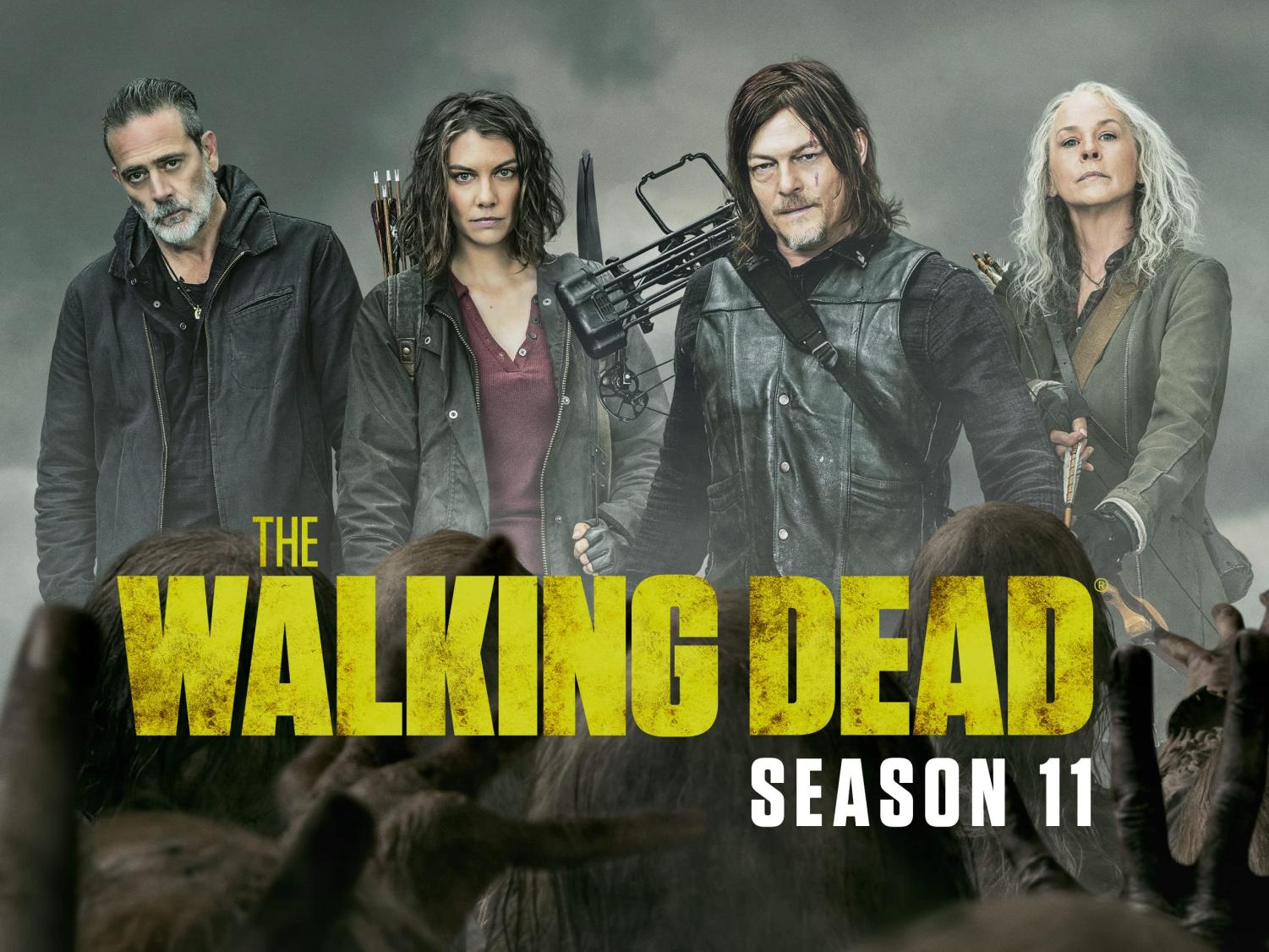
The Lifecycle of a Television Brand: Understanding the 11-Season Run
To understand the branding power of The Walking Dead, one must first analyze the core product. Spanning eleven seasons, the flagship series served as the “anchor tenant” for the AMC network’s corporate identity. In branding terms, the main series was the primary touchpoint through which all other brand associations were filtered.
Establishing a Dominant Narrative Identity
A brand is essentially a promise to a consumer. In the case of The Walking Dead, the brand promise was centered on the “survival of the human spirit under extreme duress.” Unlike previous horror entries that focused on the shock value of the undead, The Walking Dead branded itself as a character-driven drama. This clear, consistent narrative identity allowed the brand to transcend the “zombie” genre and appeal to a broader demographic.
By maintaining a distinct visual aesthetic—desaturated colors, gritty environments, and high-quality practical effects—the producers created a recognizable “visual brand language.” When consumers see a specific style of post-apocalyptic decay, they immediately associate it with The Walking Dead. This level of brand recognition is rarely achieved in the crowded landscape of cable television.
The Role of Longevity in Brand Equity
Longevity is a double-edged sword in brand strategy. On one hand, an 11-season run builds immense brand equity; characters become household names, and the “TWD” acronym becomes shorthand for a specific type of storytelling. On the other hand, a long-running brand faces the risk of stagnation and “brand fatigue.”
The strategy employed to combat this was the “cyclic refresh.” By rotating the cast and shifting the geographic setting of the show, the brand managed to reinvent itself every few seasons while keeping the core values intact. This allowed the brand to remain “old enough to be a classic” but “new enough to be relevant,” a difficult balance to strike in any industry.
Brand Architecture and the Multi-Series Universe
While the main show concluded after 11 seasons, the brand itself is far from dead. This is where the concept of Brand Architecture comes into play. AMC transitioned from a single-product strategy to a “House of Brands” or a “Branded House” model, expanding the universe into multiple spin-offs.
From Single Show to Multi-Platform Ecosystem
The expansion into series like Fear the Walking Dead, The Walking Dead: World Beyond, Dead City, and The Ones Who Live demonstrates a sophisticated approach to brand extension. By diversifying the “product line,” the parent brand can target different segments of the audience.
For instance, World Beyond was designed to capture a younger, “Young Adult” demographic, while Dead City focused on the nostalgic brand equity of legacy characters like Maggie and Negan. This ecosystem ensures that even if one “product” (show) concludes its lifecycle, the brand ecosystem continues to capture market share and generate engagement.
Mitigating Brand Fatigue through Innovation
A common pitfall for successful brands is over-saturation. When there is too much of a product, the value of the brand can diminish. To mitigate this, the Walking Dead brand strategy shifted from “quantity” to “event-based” programming.
By creating shorter, high-impact limited series, the franchise managed to create a sense of scarcity and prestige. This pivot is a classic marketing move: when the mass-market appeal begins to plateau, premiumize the offering to maintain the interest of the core “super-consumers.” This strategy has allowed the brand to remain a top performer on streaming platforms and cable networks long after the original series peaked in ratings.

The Marketing of Survival: Corporate Identity and Fan Engagement
A brand is not just what the company says it is; it is what the consumers believe it to be. The Walking Dead excelled at building a community around its brand, turning passive viewers into “brand advocates.”
Transmedia Storytelling as a Marketing Tool
The brand strategy of The Walking Dead extended far beyond the television screen. Through a transmedia approach—incorporating video games, webisodes, podcasts, and social media experiences—the brand stayed top-of-mind 365 days a year.
The “Talking Dead” after-show is a particularly brilliant example of community branding. By dedicating an hour of airtime to discussing the brand with fans and creators, AMC created a “feedback loop” that validated the audience’s emotional investment. In the world of marketing, this is known as fostering “brand community,” which significantly increases customer lifetime value (CLV).
Cultivating Community Loyalty in the Digital Era
In the digital age, a brand’s strength is often measured by its social media footprint. The Walking Dead utilized a “social-first” marketing strategy, encouraging fans to use specific hashtags and participate in live-tweeting events. This turned every episode into a global event, creating “earned media” that far outweighed the value of traditional paid advertising.
The brand also capitalized on the “eventization” of horror. Through “Walker Stalker” conventions and immersive experiences, the brand moved from a digital/broadcast product into a physical lifestyle brand. This transition into experiential marketing allowed the franchise to solidify its identity as a cultural phenomenon rather than just a television show.
Lessons in Brand Resilience and Adaptation
The 11-season journey of The Walking Dead offers several lessons for businesses looking to build resilient brands. The show survived lead actor departures, changes in showrunners, and the total upheaval of the media landscape (the shift from linear TV to streaming).
Pivoting Strategy Amidst Changing Market Dynamics
One of the most impressive aspects of the Walking Dead brand is its ability to adapt to the “Streaming Wars.” Recognizing that the traditional 22-episode broadcast model was becoming obsolete, the brand began tailoring its content for AMC+ and other digital platforms.
The decision to end the flagship series at 11 seasons was a strategic pivot. It allowed the creators to “sunset” a high-cost, aging product while launching leaner, more agile spin-offs that were better suited for the modern streaming environment. This is an example of “creative destruction” in brand management: knowing when to retire a legacy product to make room for more profitable innovations.
The Legacy of the “Walking Dead” Trademark
As the franchise moves into its second decade, the Walking Dead brand serves as a template for IP management. The trademark itself carries immense weight, signifying a specific quality and tone. The brand has successfully navigated the transition from being a “hot trend” to a “permanent staple” of the entertainment industry.
In branding, this is the ultimate goal: to reach a state of “cultural permanence.” Whether there are 11 seasons or 100, the brand has established a foundation that can support decades of future growth. By focusing on core values—survival, humanity, and grit—while remaining flexible in its delivery methods, The Walking Dead has ensured its survival in the competitive marketplace of global attention.

Conclusion: The Endurance of a Masterbrand
The answer to “how many seasons in The Walking Dead” is 11, but the story of its brand is ongoing. Through strategic brand architecture, community-focused marketing, and a willingness to adapt to new technologies, The Walking Dead has transformed from a simple comic book adaptation into a global “masterbrand.”
For marketers and brand strategists, the franchise serves as a reminder that longevity is not accidental. It is the result of a clearly defined identity, a commitment to quality, and the courage to evolve. As the universe continues to expand through its various spin-offs, the “Walking Dead” brand remains a testament to the power of narrative-driven marketing and the enduring appeal of a well-executed brand promise. In the end, the zombies may be the hook, but the brand’s strategic resilience is what truly keeps it alive.
aViewFromTheCave is a participant in the Amazon Services LLC Associates Program, an affiliate advertising program designed to provide a means for sites to earn advertising fees by advertising and linking to Amazon.com. Amazon, the Amazon logo, AmazonSupply, and the AmazonSupply logo are trademarks of Amazon.com, Inc. or its affiliates. As an Amazon Associate we earn affiliate commissions from qualifying purchases.