
The Dow Jones Industrial Average (DJIA), often simply referred to as “the Dow,” is one of the most widely watched stock market indices in the world. Its daily movements, particularly significant drops, frequently dominate financial headlines and can induce anxiety among investors. While a single-day point drop might seem alarming, understanding the context, underlying causes, and broader implications is crucial for making informed financial decisions. This article delves into what Dow drops signify, how they impact various stakeholders, and strategies for navigating market volatility.
The Dow Jones Industrial Average: A Market Barometer
At its core, the Dow Jones Industrial Average serves as a barometer for the health of the U.S. stock market and, by extension, the broader economy. Established in 1896, it is one of the oldest and most recognized market indices.

What is the DJIA?
The DJIA is a price-weighted index of 30 large, publicly traded companies based in the United States. These companies are generally blue-chip stocks, leaders in their respective industries, ranging from technology and finance to consumer goods and industrial giants. Unlike market-capitalization-weighted indices (like the S&P 500), the Dow gives greater weight to stocks with higher share prices, meaning a one-dollar change in a high-priced stock has a greater impact on the index than the same dollar change in a lower-priced stock. Its composition is periodically reviewed by the editors of The Wall Street Journal to ensure it remains representative of the evolving U.S. economy.
Why its movements matter
The Dow’s movements are often interpreted as a quick snapshot of investor sentiment and corporate profitability. When the Dow rises, it suggests investors are confident about the economic outlook and corporate earnings. Conversely, a significant drop can signal increasing pessimism, concerns about future growth, or a reaction to specific economic data or geopolitical events. For many, it’s the simplest indicator to grasp, providing a tangible number that represents the day’s market performance. While some critics argue that the Dow’s limited number of components and price-weighted methodology make it less comprehensive than other indices, its historical significance and widespread media coverage ensure its movements continue to capture public attention.
Historical Context of Significant Drops
Throughout its history, the Dow has weathered numerous storms, from the Great Depression to the Dot-com bubble bust, the 2008 financial crisis, and the COVID-19 pandemic.
-
Black Monday (1987): The Dow experienced its largest single-day percentage drop, falling over 22%.
-
Dot-com Bust (2000-2002): A period of sustained decline after the irrational exuberance of the tech bubble.
-
2008 Financial Crisis: Sparked by the subprime mortgage crisis, the Dow saw substantial losses over several months.
-
COVID-19 Pandemic (2020): An unprecedented global health crisis led to rapid, steep declines as lockdowns halted economic activity worldwide.
Each of these events demonstrated the market’s capacity for both dramatic falls and eventual recoveries, highlighting the cyclical nature of economies and markets.
Deciphering “Points Dropped” vs. Percentage Change
When headlines scream about the Dow dropping “hundreds of points,” it’s natural to feel a jolt. However, understanding the difference between absolute point drops and percentage changes is crucial for accurate interpretation.
The absolute number vs. relative impact
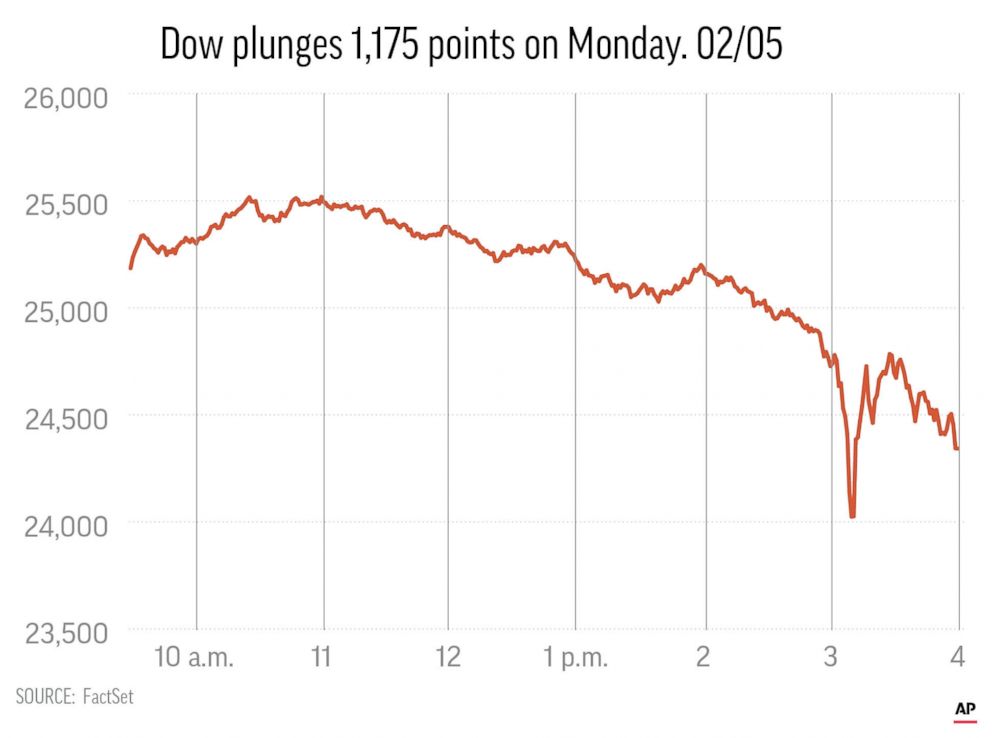
In the early days of the Dow, when the index was in the hundreds or low thousands, a 100-point drop was a monumental event, representing a significant percentage of its total value. Today, with the Dow frequently trading in the tens of thousands, a 100-point drop might represent a mere 0.3% decline, a common fluctuation within a trading day. A 1,000-point drop, while sounding catastrophic, could be just 3% to 4% of the index’s value, which is still substantial but not necessarily a sign of impending economic collapse. Percentage changes provide a more accurate and consistent measure of the market’s movement, allowing for better historical comparison and a clearer understanding of the relative impact.
The psychological impact of large point drops
Despite the analytical superiority of percentages, large absolute point drops have a disproportionately strong psychological impact. Headlines announcing “Dow Plunges 1,000 Points!” grab attention and can trigger fear and panic among less experienced investors. This emotional reaction can lead to irrational decisions, such as selling off investments at a loss, precisely when a calm, rational approach is most needed. Financial media often leverages this psychological effect, knowing that large numbers generate more clicks and views.
How to interpret daily fluctuations
Daily market fluctuations are a normal, healthy part of a dynamic economy. Minor ups and downs are driven by a multitude of factors, from company-specific news to sector performance and broad economic indicators. It’s only when a pattern of significant, sustained drops emerges, or when extreme volatility is accompanied by fundamental shifts in economic conditions, that investors should pay closer attention. Rather than reacting to every daily move, it’s more beneficial to look at trends over weeks or months and to understand the underlying reasons for any major shifts.
Common Catalysts for Market Declines
Market drops are rarely random; they are typically a response to a confluence of factors that erode investor confidence or signal worsening economic conditions.
Economic Indicators
One of the primary drivers of market movements is economic data.
-
Inflation: Rising inflation can prompt central banks to increase interest rates, making borrowing more expensive for businesses and consumers, which can slow economic growth and reduce corporate profits.
-
Interest Rates: Higher rates also make bonds more attractive relative to stocks, causing money to flow out of equities.
-
GDP Growth: A slowdown in Gross Domestic Product (GDP) growth indicates a weaker economy, leading to lower earnings expectations for companies.
-
Unemployment: Rising unemployment signals reduced consumer spending power and a struggling labor market.
Geopolitical Events
Global events, from political instability and trade wars to actual conflicts, can have immediate and far-reaching effects on markets. Uncertainty breeds fear, and investors often pull back from riskier assets like stocks during periods of geopolitical tension. For example, a conflict in an oil-producing region could spike energy prices, impacting transportation and manufacturing costs globally, thereby hurting corporate profits.
Corporate Earnings and Sector-Specific Shocks
Ultimately, stock prices reflect the perceived future earnings of companies. If major corporations report disappointing earnings, issue cautious outlooks, or face significant sector-specific challenges (e.g., regulatory changes impacting tech, commodity price drops impacting energy), it can drag down the broader market. A single large component of the Dow having a bad quarter can contribute significantly to an index drop.
Investor Sentiment and Market Psychology
Sometimes, market declines are less about fundamental economic data and more about sentiment. Fear, panic, and herd mentality can lead to rapid sell-offs, even without a clear economic trigger. News cycles, social media, and algorithmic trading can amplify these emotional responses, creating downward spirals. Conversely, irrational exuberance can lead to market bubbles.
Navigating Volatility: Strategies for Investors
Market volatility is inevitable, but how investors react to it can significantly impact their long-term financial health. A measured, strategic approach is key.
Long-Term Perspective
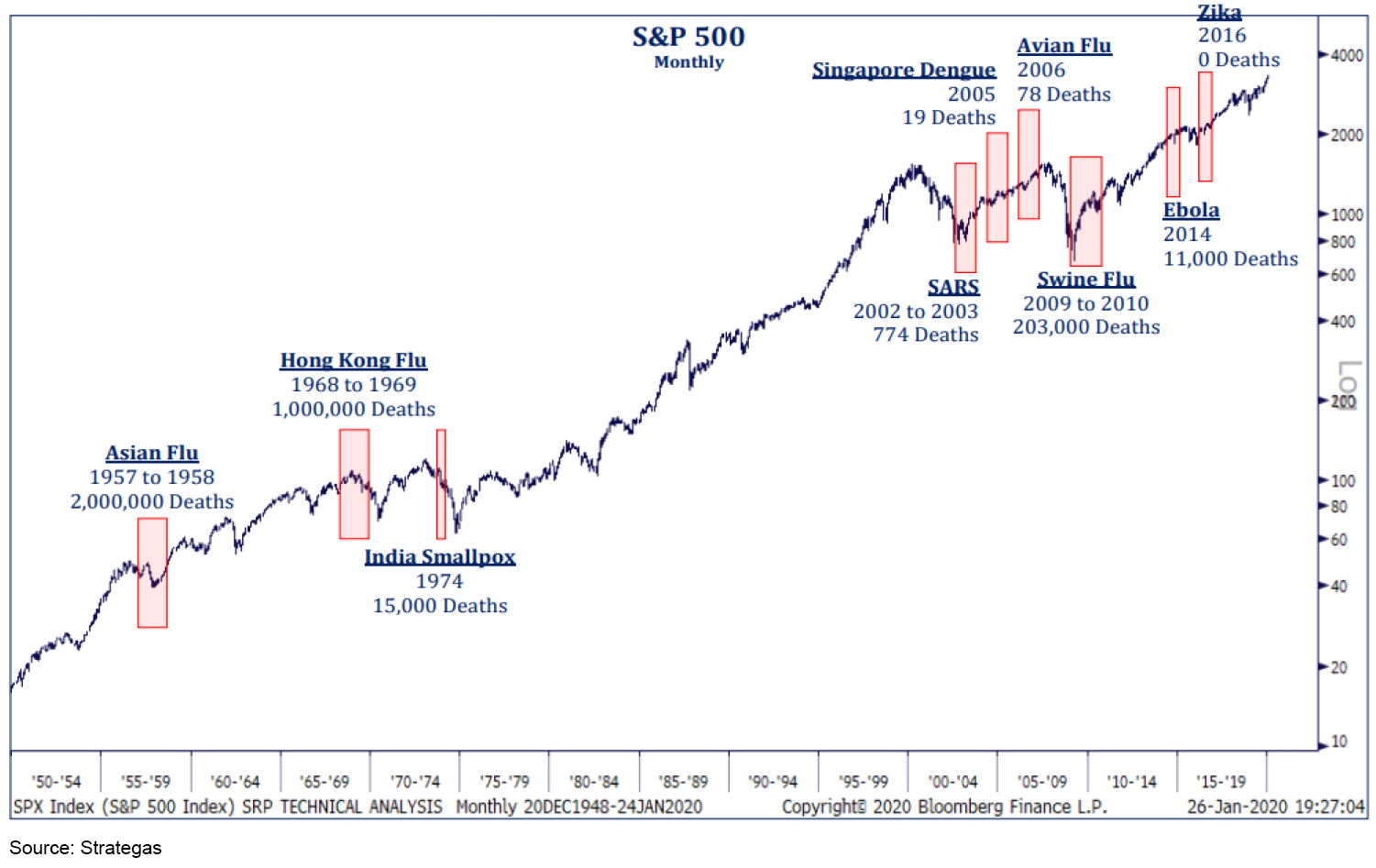
One of the most powerful tools for investors is time. Historically, stock markets have trended upwards over the long term, despite numerous corrections and bear markets. Focusing on long-term growth (10+ years) helps to smooth out the inevitable short-term fluctuations. “Time in the market” is often more important than “timing the market,” as even professional investors struggle to consistently predict market peaks and troughs.
Diversification and Asset Allocation
Diversification involves spreading investments across different asset classes (stocks, bonds, real estate), industries, geographies, and company sizes. This strategy aims to reduce risk, as a downturn in one area may be offset by gains or stability in another. Asset allocation, tailoring your portfolio mix to your risk tolerance, financial goals, and time horizon, is also critical. A younger investor with a long horizon might have a higher allocation to equities, while someone nearing retirement might opt for a more conservative bond-heavy portfolio.
Rebalancing Portfolios
Over time, market movements can shift your portfolio’s asset allocation away from its target. Rebalancing means periodically adjusting your portfolio back to your desired allocation by selling assets that have performed well and buying assets that have lagged. This disciplined approach ensures you don’t become overexposed to certain risks and helps to “buy low and sell high” in a systematic way.
Avoiding Panic Selling
Perhaps the most damaging reaction to a market drop is panic selling. Selling investments during a downturn locks in losses, preventing participation in the subsequent recovery. Unless your financial situation has fundamentally changed or you absolutely need the capital, it’s often best to ride out the storm, remembering that market downturns are temporary and often present opportunities to buy quality assets at reduced prices.
Dollar-Cost Averaging
This strategy involves investing a fixed amount of money regularly (e.g., monthly) regardless of market conditions. When prices are high, your fixed investment buys fewer shares; when prices are low, it buys more shares. Over time, this averages out your purchase price and reduces the risk of making a large investment right before a market downturn. It’s a simple, effective way to build wealth consistently.
Considering Professional Advice
For those feeling overwhelmed or unsure about how to manage their investments during volatile times, consulting a qualified financial advisor can be invaluable. A professional can help assess your personal financial situation, create a tailored investment plan, and provide emotional discipline during periods of market stress.
The Broader Economic Impact of Significant Dow Drops
While individual investors fret over their portfolios, significant Dow drops have wider implications for the economy as a whole.
Consumer Confidence and Spending
A steep market decline can erode consumer confidence. When people see their retirement savings or investment portfolios shrink, they may become more cautious, leading to reduced spending on discretionary items. Since consumer spending is a major component of GDP, a sustained drop in confidence can slow economic growth.
Business Investment and Expansion
Similarly, market downturns can make businesses more hesitant to invest in new projects, expand operations, or hire new employees. A lack of confidence in the economic future, coupled with potentially tighter credit conditions, can stifle innovation and job creation. Companies may also find it harder to raise capital through stock issuance during depressed market conditions.
Impact on Retirement Savings and Wealth
For many individuals, a significant portion of their wealth is tied up in stock market-linked retirement accounts (401ks, IRAs). A substantial Dow drop can mean a considerable reduction in these savings, potentially delaying retirement plans or requiring individuals to work longer. This “wealth effect” can have long-lasting societal consequences.
Role of Central Banks and Government Responses
In times of severe market stress, central banks (like the U.S. Federal Reserve) and governments often step in with monetary and fiscal policies to stabilize the economy. This can include lowering interest rates, implementing quantitative easing, or enacting stimulus packages to inject liquidity into the financial system and encourage spending and investment. Their actions are critical in preventing market crashes from spiraling into deep, prolonged economic recessions.
Conclusion
The question “how many points has the Dow dropped” is a common one, but the real insights lie beyond the absolute number. Understanding the Dow Jones Industrial Average as a key economic indicator, recognizing the difference between point drops and percentage changes, and identifying the catalysts behind market movements are essential for any astute investor. While market volatility can be unsettling, approaching it with a long-term perspective, a diversified portfolio, and a disciplined investment strategy can transform potential setbacks into opportunities. Ultimately, navigating the ebb and flow of the market requires knowledge, patience, and the ability to distinguish between noise and fundamental shifts, ensuring that financial decisions are driven by insight rather than immediate fear.
aViewFromTheCave is a participant in the Amazon Services LLC Associates Program, an affiliate advertising program designed to provide a means for sites to earn advertising fees by advertising and linking to Amazon.com. Amazon, the Amazon logo, AmazonSupply, and the AmazonSupply logo are trademarks of Amazon.com, Inc. or its affiliates. As an Amazon Associate we earn affiliate commissions from qualifying purchases.