
In an era of unprecedented global connectivity, the skies above us are a constant ballet of human ingenuity and logistical marvel. From bustling metropolises to remote wildernesses, aircraft are in perpetual motion, carrying passengers, cargo, and critical missions across continents. The seemingly simple question, “How many planes are in the sky right now?” belies an incredibly complex, interconnected web of sophisticated technologies, advanced software, and real-time data analytics. It’s a question that, just a few decades ago, would have been impossible to answer with any degree of precision. Today, thanks to relentless innovation in aviation technology, digital tracking systems, and the burgeoning power of artificial intelligence, we can not only know the approximate number but also delve into the intricate details of almost every single flight operating at any given moment.
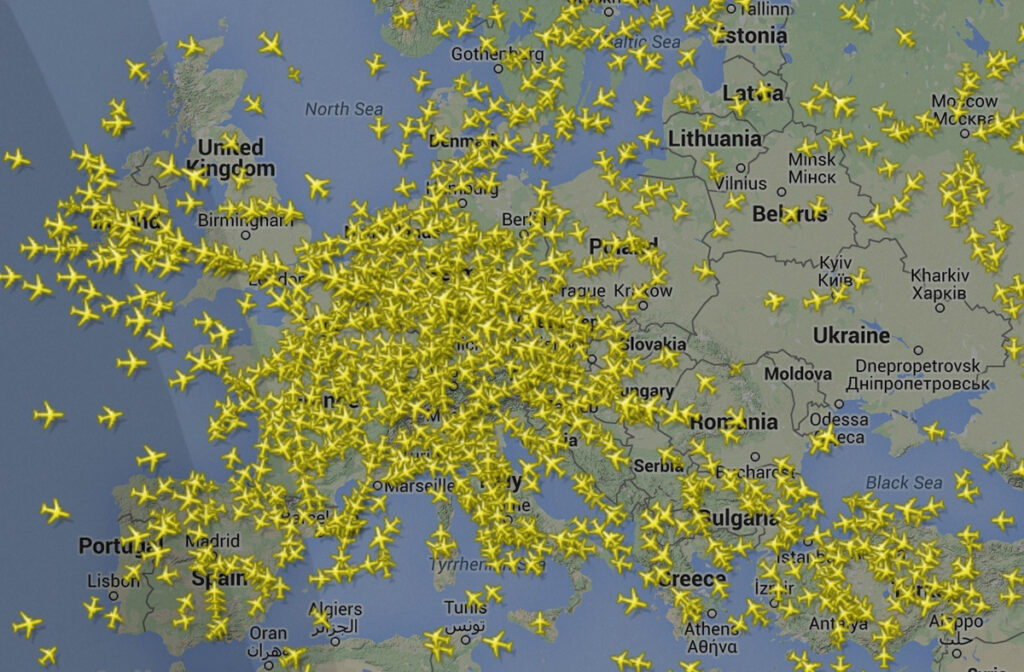
This article explores the technological backbone that allows us to visualize, manage, and understand the dynamic landscape of global air traffic. We’ll peel back the layers of radar, satellite communication, digital data streams, and the powerful applications that transform raw signals into an accessible, real-time snapshot of the world’s airborne fleet. Understanding this intricate ecosystem isn’t just about satisfying curiosity; it’s about appreciating the engineering feats, the digital security protocols, and the continuous innovation that ensures the safety and efficiency of modern air travel.
The Invisible Network: How We Track Every Flight
At the heart of answering how many planes are in the sky lies a distributed yet unified technological infrastructure designed for precision and reliability. This system doesn’t just count planes; it identifies, locates, and monitors them, ensuring safe separation and efficient routing through congested airspace.
The Backbone: Radar and Transponders
For decades, the primary method for tracking aircraft has been radar technology. Ground-based primary surveillance radar (PSR) systems emit radio waves that bounce off an aircraft’s metallic surface, returning an echo that reveals its position and range. However, PSR provides limited information – essentially just a “blip” on a screen. This is where secondary surveillance radar (SSR) and transponders come into play. Every commercial aircraft is equipped with a transponder, a device that receives an interrogation signal from an SSR antenna and automatically transmits a coded reply. This reply contains vital information, including the aircraft’s unique identification code, altitude, and sometimes even its airspeed. This cooperative system dramatically improves visibility for air traffic controllers, allowing them to differentiate between multiple aircraft and monitor their flight paths with greater accuracy than primary radar alone. The data from these systems feeds into sophisticated air traffic control software, painting a comprehensive picture of the airspace.
A Modern Marvel: ADS-B Technology
While radar remains a critical component, the game-changer in recent years has been Automatic Dependent Surveillance-Broadcast (ADS-B) technology. Unlike radar, which actively “pings” aircraft, ADS-B is “dependent” because it relies on accurate GPS data from the aircraft itself. Aircraft equipped with ADS-B continuously broadcast their precise position, altitude, speed, and other data to ground stations and other aircraft within range. This “broadcast” nature makes it “automatic,” and because it relies on GPS, it offers significantly more accurate and frequent updates than traditional radar.
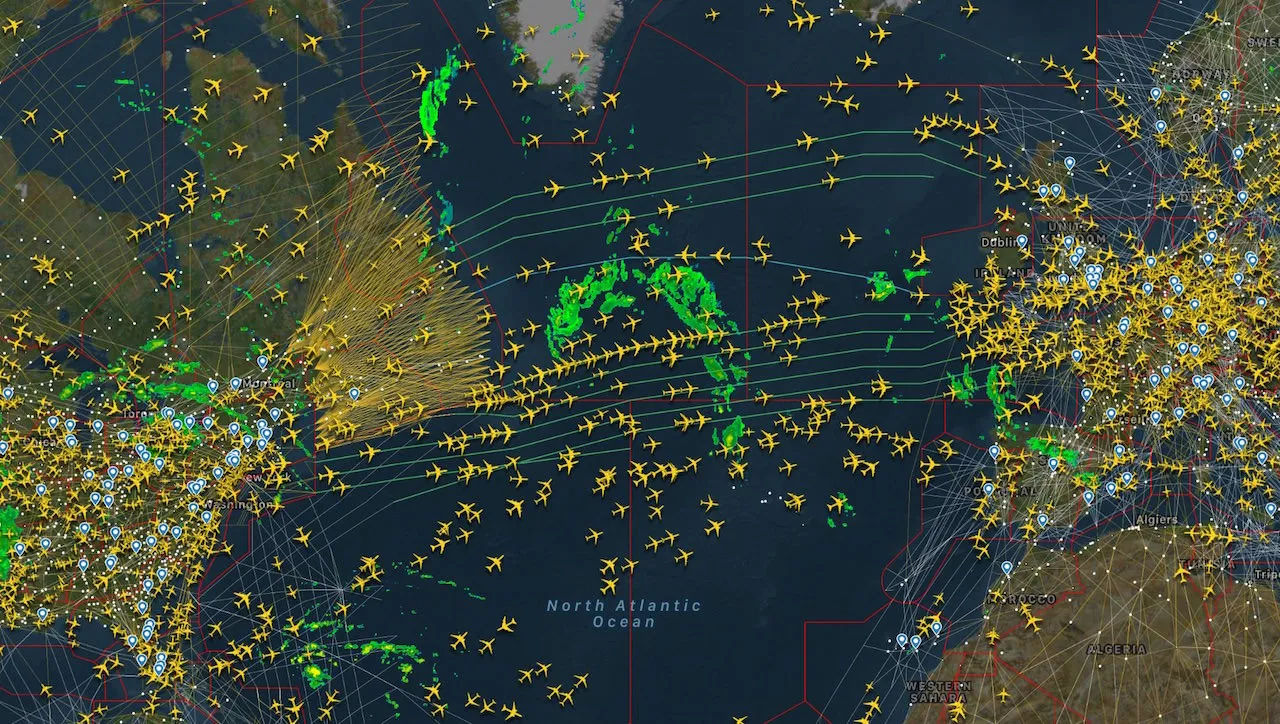
The beauty of ADS-B lies in its simplicity and efficiency. It doesn’t require complex interrogation and reply cycles, reducing bandwidth and improving response times. Furthermore, it enables “ADS-B In,” where aircraft can receive broadcasts from other planes, providing pilots with an unprecedented real-time view of surrounding air traffic directly in their cockpit. This enhances situational awareness, particularly in areas without extensive radar coverage, such as oceanic routes. The global adoption of ADS-B has revolutionized air traffic management, making real-time, high-fidelity tracking accessible to a wider array of users and applications.
Satellite Integration and Global Reach
While ground-based radar and ADS-B stations cover a significant portion of populated landmasses, vast expanses of the Earth – particularly oceans and remote regions – remain outside their direct reach. This is where satellite technology bridges the gap. Satellite-based ADS-B receivers, deployed on low-Earth orbit satellites, collect ADS-B signals from aircraft and relay them to ground stations. This innovation has virtually eliminated gaps in global flight tracking, providing continuous surveillance even over the most remote parts of the planet. Companies like Aireon have pioneered this space-based ADS-B network, fundamentally transforming how air traffic is managed over oceans and poles. The integration of satellite communication, GPS, and ADS-B creates a truly global, seamless tracking system, ensuring that virtually no commercial aircraft is ever truly “lost” from the digital eye.
From Raw Data to Real-Time Visualization: The Role of Software & AI
The collection of raw data from radar, transponders, and ADS-B is just the first step. The true power lies in how this data is processed, analyzed, and presented, transforming billions of data points into actionable insights and intuitive visualizations. This is where sophisticated software and the burgeoning field of artificial intelligence come into play.
Flight Tracking Applications: A Consumer’s Window
For the general public, flight tracking applications like FlightAware, FlightRadar24, and Plane Finder are the most visible manifestation of this underlying technology. These apps aggregate real-time data from various sources – including ADS-B receivers operated by enthusiasts, traditional radar feeds (where available), and satellite data – to display aircraft positions on an interactive map. Users can click on individual planes to see details like airline, flight number, aircraft type, origin, destination, altitude, speed, and even historical flight paths. These applications demonstrate the power of data aggregation and intuitive user interfaces, democratizing access to information once reserved for air traffic controllers. Beyond mere curiosity, they serve practical purposes for travelers, allowing them to track loved ones’ flights or monitor potential delays.
AI and Machine Learning in Air Traffic Management
Beyond consumer apps, AI and machine learning are increasingly integrated into the core of air traffic management (ATM) systems. These advanced algorithms analyze vast quantities of real-time and historical flight data to predict potential conflicts, optimize flight paths, and manage airport congestion. For instance, AI can analyze weather patterns, runway availability, and incoming traffic to suggest optimal landing sequences, minimizing holding patterns and fuel burn. Machine learning models can identify anomalies in flight patterns that might indicate equipment malfunction or unauthorized activity, enhancing security. The ability of AI to process complex, multi-variable data sets far exceeds human capacity, enabling more efficient decision-making in dynamic environments. This predictive capability is crucial for managing the increasing volume of air traffic and preventing bottlenecks.
Predictive Analytics for Aviation Efficiency
Predictive analytics, powered by AI, extends beyond real-time management into strategic planning. By analyzing historical flight data, weather patterns, maintenance records, and operational costs, airlines and air traffic control organizations can forecast future trends, optimize scheduling, and improve resource allocation. For example, predictive models can anticipate the impact of adverse weather on an entire flight network, allowing proactive adjustments to schedules and crew assignments. They can also identify maintenance needs before they become critical, reducing unexpected downtime. This not only enhances operational efficiency but also contributes significantly to safety by pre-emptively addressing potential issues. The goal is to move from reactive management to proactive, intelligent control, shaping the future of air travel to be safer, greener, and more economical.
The Unsung Heroes: Air Traffic Control Systems
While visible tracking apps provide a glimpse, the true orchestration of millions of flights annually falls to sophisticated Air Traffic Control (ATC) systems. These are the command centers, powered by immense computing capabilities, that ensure the safe and orderly flow of traffic.
NextGen and SESAR: Modernizing Global Airspace
To cope with burgeoning air traffic and enhance safety, major modernization initiatives are underway globally. In the United States, this is the Next Generation Air Transportation System (NextGen), and in Europe, it’s the Single European Sky ATM Research (SESAR) program. Both initiatives leverage cutting-edge technology, including satellite-based navigation (like GPS and Galileo), advanced data communication links, and enhanced automation. The aim is to transition from a ground-based radar-centric system to a satellite-based one, allowing for more direct routes, reduced fuel consumption, and increased airspace capacity. These programs involve complex software platforms that integrate data from all sources, provide controllers with advanced decision support tools, and enable seamless data sharing between air traffic control centers and aircraft. The move towards digital communication (Data Comm) reduces the reliance on voice communication, freeing up controller bandwidth and reducing potential for misinterpretation.
Digital Security in Air Traffic Networks
Given the critical nature of air travel, the digital security of air traffic networks is paramount. These systems are highly protected against cyber threats, with multiple layers of defense. This includes robust encryption for data transmission, stringent access controls for critical systems, continuous monitoring for anomalies, and redundant systems to ensure resilience against attacks or failures. The interconnected nature of modern ATM systems means that a single vulnerability could have far-reaching consequences. Therefore, constant vigilance, regular security audits, and investment in cutting-edge cybersecurity measures are non-negotiable. The industry is continuously evolving its defenses to counter sophisticated cyber threats, ensuring the integrity and reliability of the data that guides every aircraft.
The Human-Technology Interface
Despite the increasing automation and sophistication of technology, human air traffic controllers remain indispensable. The technology serves as a powerful assistant, providing tools for enhanced situational awareness, predictive analysis, and automated conflict detection. However, the final decision-making, especially in complex or unforeseen circumstances, rests with the human element. The design of ATC workstations and software interfaces is crucial, aiming to present vast amounts of information in an intuitive, digestible manner, reducing cognitive load and improving response times. Training programs for controllers are continuously updated to ensure they can effectively leverage the new technological capabilities, striking a delicate balance between human oversight and automated efficiency. This synergistic relationship between human expertise and technological prowess is what underpins the safety and success of modern air traffic management.
The Scale and Implications: A Constantly Evolving Picture
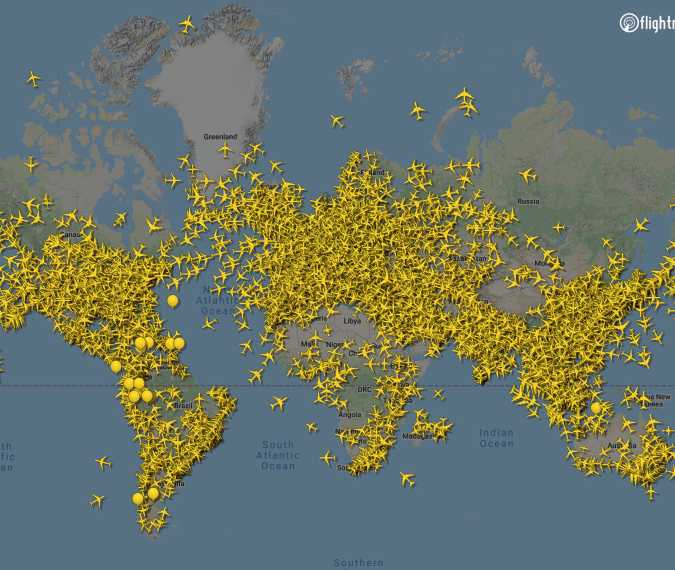
The answer to “how many planes are in the sky right now” is not a static number but a dynamic, always-changing snapshot, reflecting the pulse of global activity.
Daily Traffic Volumes and Peak Times
On an average day, there are tens of thousands of commercial flights globally, with the number of planes simultaneously airborne peaking during specific periods, typically around mid-morning and late afternoon in major time zones as transcontinental flights cross oceans and regional traffic picks up. While precise real-time numbers fluctuate, it’s common to see between 10,000 and 20,000 commercial aircraft in the sky at any given moment, with total flights per day often exceeding 100,000 when accounting for cargo, private, military, and general aviation. This staggering volume highlights the critical role of the technology that manages this immense flow.
Environmental Monitoring and Data Insights
The comprehensive data collected by flight tracking systems offers invaluable insights beyond just current positions. It allows for detailed analysis of flight paths, fuel consumption, and emissions, contributing to efforts to make aviation more sustainable. By identifying inefficient flight trajectories or areas of high congestion, aviation authorities can work towards optimizing routes, reducing greenhouse gas emissions, and minimizing noise pollution. This data also feeds into climate research, helping scientists understand the broader environmental impact of air travel. The digital footprint of every flight is a rich source of information for environmental stewardship and operational improvements.
The Future of Airspace Management: Drones and Beyond
The current aviation technology infrastructure, while advanced, is continually evolving to meet new challenges. The proliferation of drones, from recreational quadcopters to large commercial unmanned aerial vehicles (UAVs), presents a significant frontier. Integrating these diverse aerial vehicles into existing airspace management systems requires new technological solutions, including sophisticated drone tracking systems, geofencing technologies, and potentially a separate, yet integrated, low-altitude air traffic management system (UTM – Unmanned Aircraft System Traffic Management). Furthermore, the advent of urban air mobility (UAM) with electric vertical takeoff and landing (eVTOL) aircraft promises to transform cityscapes, demanding an entirely new layer of digital infrastructure and AI-driven management. The skies of tomorrow will be even more crowded and complex, necessitating even more robust, intelligent, and secure technological solutions.
In conclusion, answering “how many planes are in the sky right now” is a testament to the incredible advancements in aviation technology. From the foundational principles of radar to the sophisticated satellite-based ADS-B networks, AI-powered predictive analytics, and resilient digital security protocols, an invisible network of innovation tirelessly orchestrates the world’s airspace. This intricate technological tapestry ensures not only the efficient flow of global air traffic but, more importantly, the safety of billions of passengers and countless tons of cargo every year. As air travel continues to grow and new forms of aerial mobility emerge, the technology behind managing our skies will undoubtedly continue its relentless evolution, pushing the boundaries of what’s possible.
aViewFromTheCave is a participant in the Amazon Services LLC Associates Program, an affiliate advertising program designed to provide a means for sites to earn advertising fees by advertising and linking to Amazon.com. Amazon, the Amazon logo, AmazonSupply, and the AmazonSupply logo are trademarks of Amazon.com, Inc. or its affiliates. As an Amazon Associate we earn affiliate commissions from qualifying purchases.