
Robinhood burst onto the financial scene with a promise to democratize investing, making it accessible to everyone, not just the wealthy. By offering commission-free trading and a user-friendly mobile app, it quickly captured the attention of a new generation of investors. But beyond the hype, how many people actually use Robinhood, and what do these numbers tell us about the evolving landscape of personal finance and retail investing? Understanding Robinhood’s user base is crucial for grasping its impact on market dynamics, financial literacy, and the future of online brokerage.
The Rise and Evolution of Robinhood’s User Base
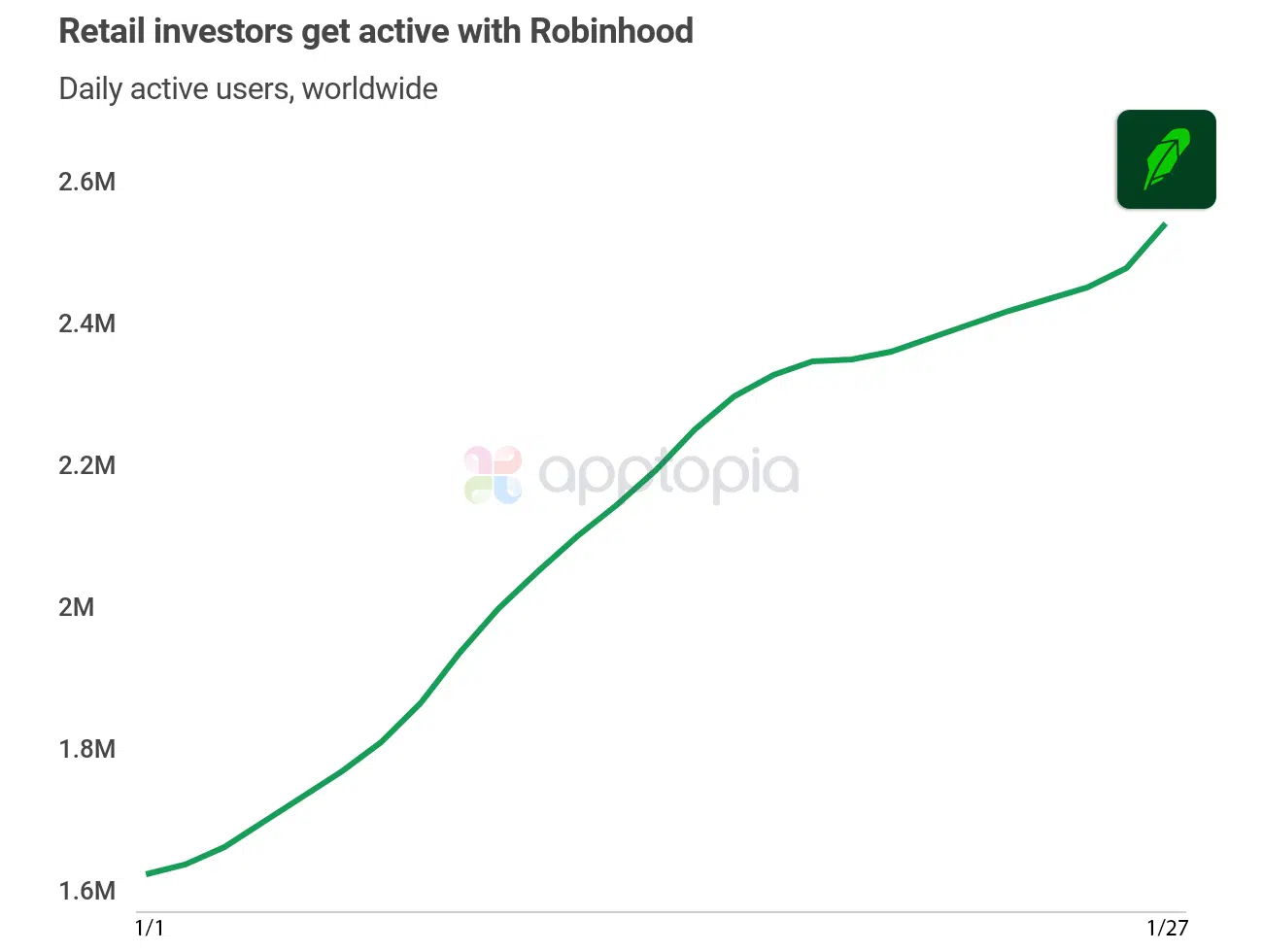
Robinhood’s journey from a nascent startup to a major player in the financial industry is inextricably linked to the rapid expansion and subsequent fluctuations of its user base. Its growth trajectory reflects broader trends in technology adoption, market sentiment, and shifts in investor demographics.
Early Growth and Democratizing Investing
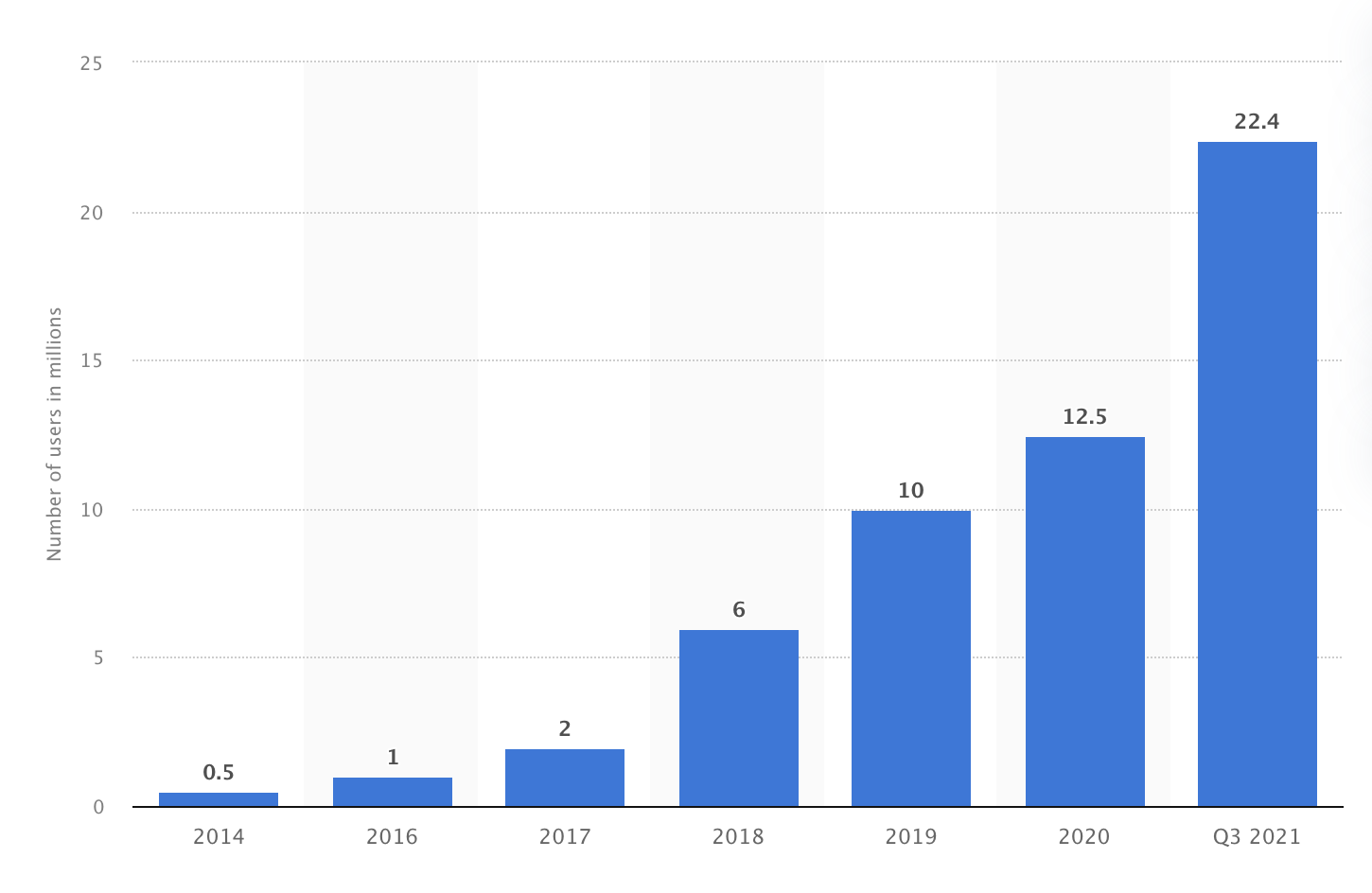
Launched in 2013 and officially entering the market in 2015, Robinhood quickly differentiated itself with a bold proposition: commission-free stock, ETF, and options trading. At a time when traditional brokers charged anywhere from $5 to $10 per trade, this was revolutionary. The mobile-first design, intuitive interface, and lack of minimum account balances appealed directly to younger, tech-savvy individuals who had previously been priced out or intimidated by the complexities of investing. This disruptive model led to rapid early adoption. By the end of 2018, Robinhood reported approximately 6 million funded accounts, laying the groundwork for its subsequent explosion in popularity. This early success underscored a clear demand for simplified, cost-effective access to financial markets.
The Pandemic Boom and Retail Investor Surge
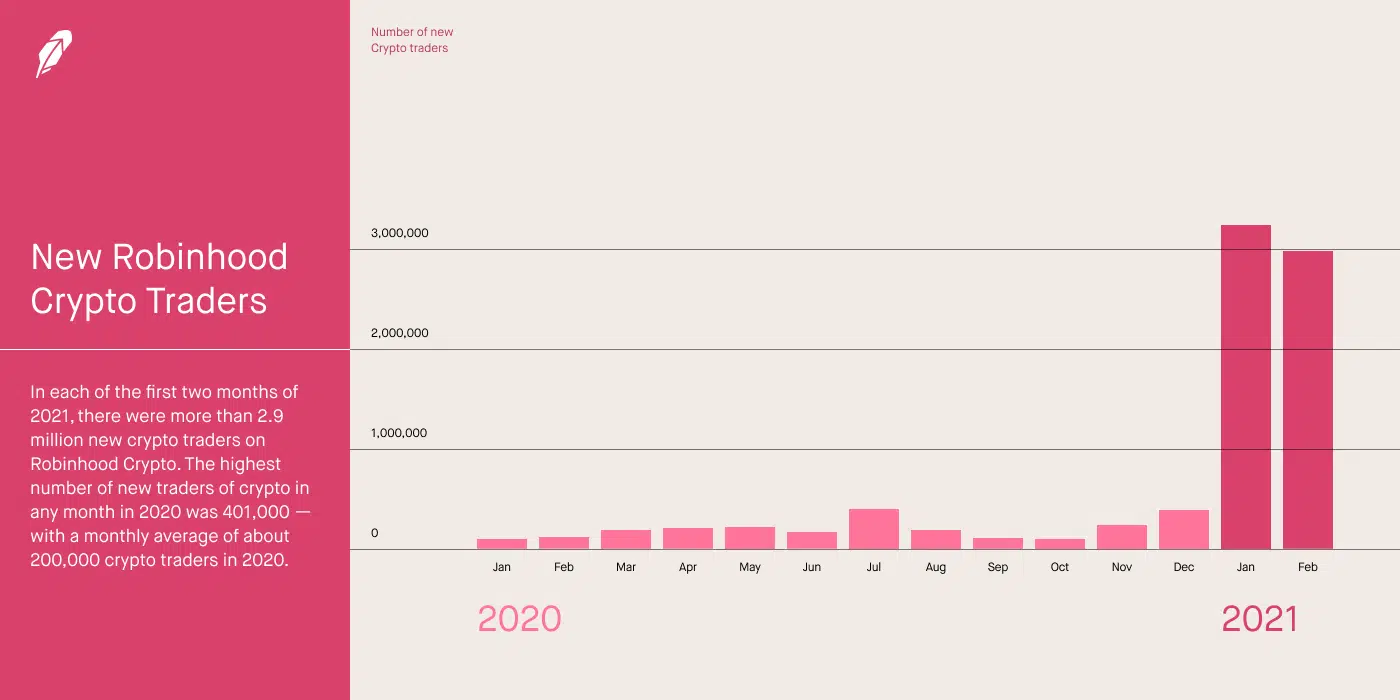
The most significant surge in Robinhood’s user base occurred during the COVID-19 pandemic. With millions of people confined to their homes, receiving stimulus checks, and facing unprecedented market volatility, interest in investing skyrocketed. Robinhood was perfectly positioned to capitalize on this phenomenon. Its platform became a gateway for millions of new retail investors looking to dabble in the stock market. From early 2020 to early 2021, Robinhood’s funded accounts more than doubled, reaching a peak of around 22.5 million monthly active users and 18 million funded accounts by mid-2021. This period was characterized by the “meme stock” phenomenon, where retail investors, often organized on social media platforms like Reddit, collectively drove up the prices of certain stocks, most notably GameStop (GME) and AMC Entertainment (AMC), showcasing the collective power and influence of Robinhood’s growing user base.
Post-Peak Trends and Market Corrections
Following the frenetic activity of the pandemic era, Robinhood’s user numbers experienced a period of stabilization and, in some cases, decline. By late 2021 and throughout 2022, as market conditions cooled, inflation rose, and interest rates increased, investor enthusiasm waned. The “meme stock” frenzy subsided, and many new retail investors, facing their first bear market, either became less active or withdrew funds. Robinhood reported a decrease in monthly active users (MAU) from its peak, settling into the 10-12 million range for MAUs and around 11-12 million funded accounts by early 2023. This post-peak trend reflects a natural correction after an unsustainable boom, as well as the challenges of retaining users who may have been drawn in by speculative trends rather than long-term investment strategies. Despite these fluctuations, Robinhood’s user base remains substantial, demonstrating a sustained, albeit moderated, interest in accessible investing.
What Robinhood’s User Numbers Signify for Personal Finance
The sheer volume of people using Robinhood has had a profound and multifaceted impact on personal finance, reshaping how individuals approach saving, investing, and financial planning. Its influence extends beyond mere transaction counts, touching upon financial literacy, risk perception, and market behavior.
The Democratization of Investment Access
Robinhood’s most enduring legacy is arguably the democratization of investment access. By eliminating commissions and simplifying the trading process, it effectively dismantled two significant barriers that historically prevented many individuals, particularly younger and less affluent ones, from participating in the stock market. Before Robinhood, engaging with the market often required a substantial initial investment, knowledge of complex trading platforms, and the acceptance of per-trade fees that could eat into small portfolios. Robinhood changed this, enabling individuals to invest with as little as a dollar through fractional shares, making it easier for them to start building wealth, albeit often in small increments. This broader access has encouraged more people to take control of their financial futures, even if their initial steps are tentative.
Shifting Investment Behaviors
The design of Robinhood’s app, with its intuitive interface, push notifications, and celebratory animations, has often been criticized for gamifying investing. This design philosophy has influenced investor behavior, leading to more frequent trading, a greater focus on short-term gains, and an increased interest in speculative assets like volatile growth stocks and cryptocurrencies. While some users have undoubtedly benefited, others have engaged in risky trading strategies without fully understanding the underlying principles or potential consequences. This shift towards more active, often speculative, trading among retail investors represents a departure from traditional buy-and-hold strategies and underscores the need for robust financial education to accompany easy access. Robinhood’s user data reveals a generation of investors willing to take on more risk, often without the foundational knowledge to manage it effectively.
The Blurring Lines of Trading and Entertainment
The engaging nature of the Robinhood app, reminiscent of social media or gaming platforms, has blurred the lines between serious financial activity and entertainment. For many, checking their portfolio or executing a trade on Robinhood became a daily ritual, akin to checking social media feeds. While this engagement can foster interest in finance, it also raises concerns about whether investment decisions are always driven by sound financial principles or by the thrill of the “game” and herd mentality. This blurring of lines has implications for long-term financial planning, as it can encourage impulsive decisions over disciplined saving and investing. The platform’s role in events like the meme stock saga highlighted how collective online sentiment, rather than fundamental analysis, could temporarily drive market movements, posing new challenges for regulatory bodies and investor protection.
Key Demographics and Their Financial Implications
The composition of Robinhood’s user base is distinct and offers valuable insights into emerging trends in personal finance. Understanding who uses Robinhood reveals broader societal shifts in wealth management and financial engagement.
A Younger, Diverse Investor Profile
Robinhood has successfully tapped into a demographic traditionally underserved by conventional financial institutions: younger, often first-time investors. Reports consistently show that a significant portion of Robinhood users are under 35, with many in their early to mid-20s. This cohort is generally more diverse than the average investor profile at traditional brokerages, both ethnically and socioeconomically. For many, Robinhood is their very first foray into investing, opening accounts with relatively small sums. This demographic shift is crucial, as it indicates a growing interest in market participation among younger generations, potentially setting them on a path to greater financial independence earlier in life, assuming they develop sound investing habits.
Geographic and Socioeconomic Distribution
While Robinhood’s user base is concentrated in the United States, its appeal spans a wide geographic range within the country. It has proven popular not just in traditional financial hubs but also in areas where access to financial advisors or traditional brokerage services might be less prevalent. The platform’s accessibility has meant that individuals across various socioeconomic strata can participate, although the average account size tends to be smaller compared to more established brokers. This broad distribution suggests that the desire for accessible investment tools is widespread, highlighting a potential for greater financial inclusion across different communities. However, it also underscores the responsibility of such platforms to provide adequate educational resources and risk disclosures to a diverse user base that may have varying levels of financial literacy.
Impact on Financial Inclusion and Education
Robinhood has undeniably boosted financial inclusion by bringing millions of new participants into the investment world. For many, it’s the first step towards understanding how markets work and building personal wealth. This exposure can be incredibly valuable, fostering a sense of ownership over one’s financial future. However, the rapid onboarding of inexperienced investors also underscores a critical need for enhanced financial education. While Robinhood itself offers some educational content, the ease of trading can sometimes precede a fundamental understanding of market risks, diversification, or long-term financial planning. The challenge for Robinhood and the broader fintech industry is to balance the accessibility and engagement that drives user growth with the imperative to educate and protect less experienced investors, ensuring that inclusion leads to positive long-term financial outcomes rather than costly mistakes.
The Business of Robinhood: User Base as a Core Metric
For Robinhood as a company, its user base is not just a measure of popularity but the lifeblood of its business model. The number of funded accounts, active users, and assets under custody directly influences its revenue streams, market valuation, and strategic direction within the competitive fintech landscape.
Monetization Strategies Beyond Commissions
Since Robinhood’s core offering is commission-free trading, its revenue generation depends on alternative monetization strategies, all of which are directly tied to the size and activity of its user base. The primary revenue source is payment for order flow (PFOF), where Robinhood routes customer orders to market makers who pay for the opportunity to execute these trades. The more trades its users make, the more PFOF Robinhood earns. Other revenue streams include interest earned on customer cash balances (cash sweeps), interest on margin lending (Robinhood Gold subscription service, which offers margin and larger instant deposits), and fees from cryptocurrency trading. Essentially, a larger, more active user base translates directly into higher revenues across these diverse channels, making user acquisition and engagement paramount for its financial viability.
Competition and Market Share in the Fintech Landscape
Robinhood operates in a highly competitive market, facing off against both traditional brokerage giants (like Charles Schwab and Fidelity, which were largely forced to adopt commission-free trading themselves) and other nimble fintech startups (like Webull, M1 Finance, and Acorns). User numbers are a critical metric for gauging market share and competitive standing. A strong user base indicates market penetration and brand strength, which can attract further investment, enable expansion into new product offerings, and provide a network effect. As the fintech space continues to evolve, retaining and growing its user base by offering compelling features and a seamless experience is crucial for Robinhood to maintain its leadership position and fend off rivals. The battle for retail investor accounts remains fierce, and user loyalty is a key differentiator.
Regulatory Scrutiny and User Protection
The rapid growth and unique operational model of Robinhood, particularly its reliance on PFOF and its appeal to inexperienced investors, have drawn significant regulatory scrutiny. Regulators have raised concerns about the transparency of PFOF, the potential for gamification to encourage excessive trading, and the adequacy of investor protection measures. Incidents like the trading restrictions imposed during the meme stock frenzy further highlighted the challenges and criticisms Robinhood faced. The size and activity of its user base directly amplify these concerns; a platform with millions of users making potentially risky trades requires stringent oversight. Robinhood has had to invest heavily in compliance, risk management, and investor education initiatives to address these regulatory pressures, which in turn can impact its operational costs and, potentially, its ability to grow its user base unimpeded.
The Future of Robinhood’s User Base and Retail Investing
Looking ahead, Robinhood’s user base will continue to evolve, influenced by market conditions, regulatory changes, and the platform’s own strategic initiatives. Its trajectory offers a glimpse into the broader future of retail investing.
Diversification and New Product Offerings
To maintain and grow its user base, Robinhood is actively diversifying its product offerings beyond just stock and crypto trading. The company has introduced retirement accounts (IRAs), expanded its cash management features, and even ventured into credit cards. These new products aim to deepen its relationship with existing users, encouraging them to consolidate more of their financial lives within the Robinhood ecosystem, while also attracting new segments of investors looking for more comprehensive financial tools. By offering a broader suite of services, Robinhood seeks to transition from being merely a trading app to a full-fledged financial services platform, catering to long-term wealth building in addition to active trading. This diversification is key to retaining users through varying market cycles and fostering greater financial stability among its clientele.
Navigating Market Volatility and Investor Sentiment
The growth and engagement of Robinhood’s user base are inherently sensitive to market conditions and investor sentiment. In bullish markets, new users flock to the platform, and existing users trade more frequently. During bear markets or periods of high inflation and uncertainty, user activity tends to slow down, and churn can increase. The future health of Robinhood’s user base will depend significantly on its ability to navigate these cycles. This includes providing tools and education that help users make informed decisions regardless of market direction, promoting long-term investing over short-term speculation, and adapting its offerings to meet the changing needs of investors in different economic environments. Building resilience into its user base will be critical for sustained success.
The Enduring Legacy of Commission-Free Trading
Robinhood’s pioneering move to commission-free trading has fundamentally reshaped the brokerage industry. While the initial boom in users may have plateaued, the expectation of zero-commission trading has become the industry standard. This legacy ensures that barriers to entry for investing remain low, benefiting countless individuals. The future of Robinhood’s user base, therefore, is not just about its own growth but also about how it continues to innovate within this new paradigm. It must find ways to add value beyond just free trades, whether through superior technology, unique educational content, or innovative financial products, to attract and retain the next wave of retail investors. The battle for the hearts and minds (and wallets) of individual investors is far from over, and Robinhood remains a pivotal player in defining its future.
In conclusion, Robinhood’s user base, while experiencing a dynamic journey of explosive growth followed by some contraction, remains a powerful force in the financial landscape. Its millions of users underscore a significant shift towards more accessible, mobile-first investing, particularly among younger demographics. While it has democratized access to markets, it has also raised important questions about investor education, risk management, and the ethical design of financial tools. As Robinhood continues to evolve and diversify its offerings, its impact on how people engage with their money and manage their personal finances will undoubtedly endure, shaping the future of retail investing for years to come.
aViewFromTheCave is a participant in the Amazon Services LLC Associates Program, an affiliate advertising program designed to provide a means for sites to earn advertising fees by advertising and linking to Amazon.com. Amazon, the Amazon logo, AmazonSupply, and the AmazonSupply logo are trademarks of Amazon.com, Inc. or its affiliates. As an Amazon Associate we earn affiliate commissions from qualifying purchases.