
Amazon’s brand is synonymous with e-commerce, cloud computing, and a pervasive presence in modern life. From its humble beginnings as an online bookstore, it has evolved into a global powerhouse, touching nearly every aspect of consumer behavior and digital infrastructure. Understanding “how many people use Amazon” is not merely an exercise in data enumeration; it’s a critical lens through which to analyze brand reach, market penetration, consumer loyalty, and the strategic positioning of one of the world’s most influential brands. The sheer scale of its user base offers profound insights into its brand strategy, its competitive advantages, and the enduring power of its corporate identity in a crowded digital landscape.

This article delves into the colossal scale of Amazon’s brand reach, dissecting the numbers that define its global footprint. We will explore the various facets of its user base, from active shoppers to loyal Prime members, and examine how these figures underpin Amazon’s brand identity, influence consumer behavior, and shape its strategic direction.
The Staggering Scale of Amazon’s Global Brand Reach
Amazon’s journey from an online bookseller to an everything store has been powered by relentless innovation and an aggressive expansion strategy, culminating in a user base that redefines market dominance. The numbers reflecting its global adoption are not just statistics; they are a testament to the brand’s ubiquitous presence and its deep integration into the daily lives of billions.
A Dominant Force in E-commerce
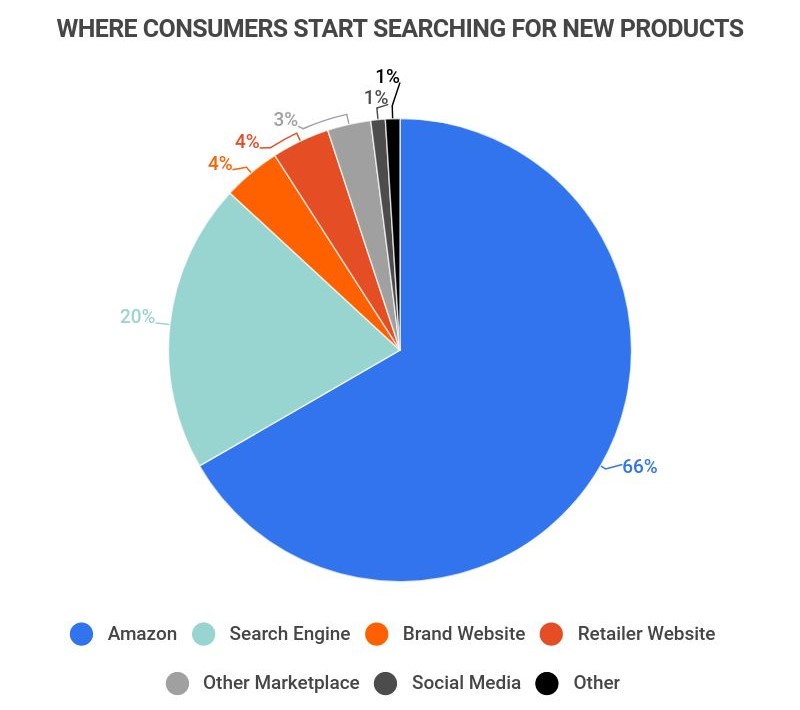
When we talk about “how many people use Amazon,” the primary focus often falls on its e-commerce platform. Amazon boasts hundreds of millions of active customer accounts worldwide, with figures frequently cited north of 300 million. This monumental user base positions Amazon as an unparalleled leader in global retail, dwarfing many traditional competitors. In key markets like the United States, an overwhelming majority of online shoppers regularly use Amazon. Surveys consistently show that over half of all U.S. online product searches start directly on Amazon, rather than a search engine, underscoring its brand’s power as the default shopping destination.
This dominance isn’t accidental; it’s a direct outcome of a brand strategy built on convenience, selection, and competitive pricing. Amazon’s brand promise of “Earth’s most customer-centric company” resonates with its vast user base, fostering trust and repeat business. The sheer volume of transactions and daily interactions solidifies its position, making it incredibly difficult for competing brands to capture significant market share without offering a truly differentiated value proposition.
Prime Membership: A Loyalty Powerhouse
A significant subset of Amazon’s user base comprises its Amazon Prime members, a group that epitomizes brand loyalty and engagement. Globally, Amazon Prime has well over 200 million paid members. This subscription service, initially offering free expedited shipping, has evolved into a comprehensive lifestyle package encompassing video streaming, music, exclusive deals, and more.
Prime membership is arguably Amazon’s most potent brand loyalty program. Prime members are known to spend significantly more on Amazon annually than non-Prime customers. This heightened engagement is a strategic triumph for the Amazon brand. It creates a powerful ecosystem where users are incentivized to centralize their purchasing, entertainment, and even smart home activities within the Amazon sphere. The Prime badge has become a symbol of expedited service and premium access, reinforcing Amazon’s brand image as a provider of unparalleled convenience and value. For businesses, the “Prime” label on their products on Amazon’s marketplace signals reliability and quick delivery, leveraging Amazon’s brand equity to build their own.
Beyond Retail: Expanding the Brand Ecosystem
While e-commerce is Amazon’s bedrock, its brand strategy extends far beyond the transactional. The company’s ecosystem includes services like Amazon Web Services (AWS), Kindle e-readers, Audible audiobooks, Twitch streaming, Ring smart home security, and Alexa-powered devices. Each of these components, while serving distinct purposes, contributes to the overarching Amazon brand narrative.
Even if a user doesn’t purchase goods from Amazon.com, they might use an Alexa device, stream content on Prime Video, or rely on services powered by AWS. These touchpoints expand the definition of “how many people use Amazon,” demonstrating the brand’s pervasive influence across various digital verticals. From a brand perspective, this diversification builds a stronger, more resilient identity. It positions Amazon not just as a retailer, but as an essential technology and service provider, deepening its relevance and embedding its brand name into an even wider array of consumer and business interactions.
Understanding Amazon’s User Demographics and Behavior
To fully grasp the power of Amazon’s brand, it’s essential to look beyond raw numbers and delve into the demographics and behavioral patterns of its vast user base. This understanding informs Amazon’s marketing, product development, and overall brand messaging.
Who is the Amazon User?
Amazon’s user base is remarkably diverse, reflecting its global reach and broad product offerings. While statistics vary by region, Amazon successfully appeals across various age groups, income levels, and lifestyles. In developed markets, its appeal is generally strongest among working-age adults (25-54) and households with middle to high incomes, who value convenience and selection. However, with the rise of digital natives, younger generations are increasingly integrated into the Amazon ecosystem from an early age.
This broad demographic appeal is a cornerstone of Amazon’s brand strategy. Rather than targeting a niche, Amazon aims for ubiquity, positioning itself as a universal solution for almost any purchasing need. Its brand identity is therefore adaptable, capable of resonating with a tech-savvy millennial seeking the latest gadget just as effectively as it does with a busy parent ordering groceries or a small business sourcing office supplies.
The Customer Journey: From Search to Loyalty
Analyzing the customer journey on Amazon reveals deep insights into consumer behavior and brand engagement. The typical Amazon user often begins their journey with a specific need or product in mind, frequently initiating their search directly on Amazon.com. The brand’s powerful recommendation engine, honed by decades of data from hundreds of millions of users, then guides them towards purchases, often leading to impulse buys or discovering related products.
The frequency of use is a key indicator of brand stickiness. Many users visit Amazon multiple times a week, if not daily, transforming it from a mere shopping site into a habitual destination. This constant interaction reinforces brand recognition and builds a sense of familiarity and trust. The post-purchase experience, including streamlined returns and responsive customer service (a key brand differentiator), further solidifies loyalty, ensuring that users return for future needs. This continuous cycle of engagement, satisfaction, and repurchase is a hallmark of Amazon’s successful brand architecture.
The Mobile-First Brand Experience
A significant portion of Amazon’s user base interacts with the brand primarily through its mobile app. The Amazon app consistently ranks among the most downloaded and most used shopping applications globally. This mobile-first approach is crucial for Amazon’s brand accessibility and user engagement.
The app’s intuitive interface, personalized recommendations, easy checkout, and integration with other Amazon services (like Prime Video or Alexa) ensure a seamless and convenient user experience. For the Amazon brand, the mobile app is a critical touchpoint, allowing it to remain ever-present in the consumer’s pocket, reinforcing its image as an immediate, always-on shopping and service solution. This mobile ubiquity is a powerful element of its brand strategy, catering to the modern consumer’s demand for instant gratification and effortless access.
The Strategic Implications of Amazon’s User Base for Brand Identity
The sheer number of people who use Amazon carries profound strategic implications for its brand identity, market position, and influence across industries. It dictates how Amazon operates, innovates, and interacts with the broader commercial ecosystem.
Market Dominance and Competitive Advantage
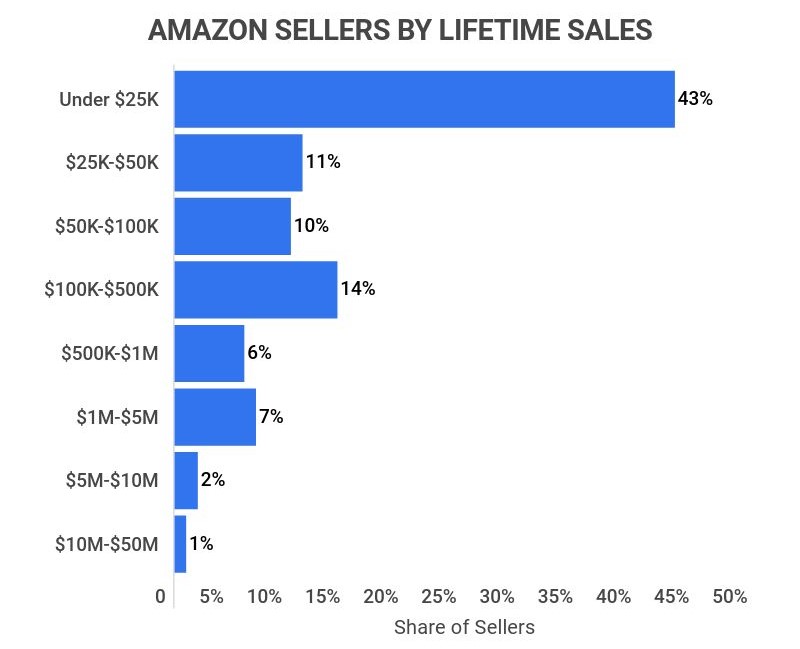
Amazon’s colossal user base is its primary competitive advantage. It translates directly into unparalleled market dominance, particularly in e-commerce. This dominance creates a self-reinforcing loop: more users attract more sellers, more sellers lead to a broader selection, broader selection attracts even more users, and so on. This network effect makes it incredibly challenging for new entrants or even established competitors to directly challenge Amazon’s scale.
From a brand perspective, this dominance cultivates an image of unassailability and reliability. Consumers trust Amazon because so many others do, and because it has a proven track record of delivering. This trust is a cornerstone of its brand equity, allowing it to venture into new markets (e.g., groceries with Whole Foods, healthcare with Amazon Pharmacy) with a built-in audience and a high degree of brand recognition and acceptance.
Shaping Consumer Expectations and Habits
With hundreds of millions of active users, Amazon doesn’t just respond to consumer habits; it actively shapes them. Its brand has set the gold standard for online shopping convenience, delivery speed, and customer service. Features like one-click ordering, same-day delivery, and hassle-free returns, pioneered or perfected by Amazon, have become expectations rather than luxuries for online shoppers everywhere.
This influence extends beyond e-commerce. Amazon’s brand has normalized voice commerce through Alexa, introduced subscription models for various services, and integrated digital entertainment seamlessly with physical goods. As a result, its user base has become accustomed to a certain level of service and convenience, compelling other brands and retailers to elevate their own offerings to keep pace. Amazon’s brand, therefore, acts as a benchmark against which other brands are measured, creating a ripple effect across the entire retail and service landscape.
Brand Perception and Reputation Management
Managing the brand perception and reputation for a user base of Amazon’s magnitude is a monumental task. While the brand enjoys high levels of recognition and trust, its sheer size and influence also attract scrutiny. Issues related to data privacy, labor practices, environmental impact, and anti-competitive behavior can quickly garner global attention due to the scale of its operations and the number of people it affects.
Amazon’s brand identity, therefore, is in constant flux, shaped not only by its marketing efforts but also by public discourse and regulatory pressures. Maintaining a positive brand image requires transparent communication, ethical conduct, and a clear articulation of its values. For a brand of Amazon’s stature, reputation management is not just about crisis control; it’s an ongoing, strategic imperative that directly impacts user trust and sustained growth.
Future Growth and Evolving Brand Strategies
Amazon’s journey is far from over. The future promises continued expansion, driven by evolving brand strategies designed to capture new users and deepen engagement with its existing colossal base.
Expanding into New Markets and Verticals
Amazon’s growth strategy for its user base involves continuous geographical expansion, particularly into emerging markets where digital adoption is on the rise. Regions like India, Brazil, and parts of Southeast Asia represent vast untapped populations where Amazon can replicate its success, adapting its brand strategy to local cultural nuances and economic conditions.
Beyond geography, Amazon is actively expanding into new product and service verticals. Its ventures into grocery delivery (e.g., Amazon Fresh, Whole Foods), healthcare (Amazon Pharmacy), and even satellite internet (Project Kuiper) are strategic moves to attract new user segments and embed the Amazon brand into even more aspects of daily life. Each new vertical allows Amazon to diversify its brand identity, moving beyond its core e-commerce association to become a comprehensive life solutions provider.
Personalization and User Experience as Brand Pillars
With hundreds of millions of users, Amazon collects an unparalleled amount of data. Its future brand strategy heavily relies on leveraging this data to enhance personalization and user experience. By understanding individual preferences, purchasing histories, and browsing behaviors, Amazon can tailor recommendations, marketing messages, and even user interfaces to each individual.
This hyper-personalization is a powerful tool for reinforcing brand loyalty. When users feel understood and valued, their connection to the brand deepens. Amazon’s brand promise of convenience and customer-centricity is continually delivered through these personalized experiences, making the platform feel less like a massive corporation and more like a tailored service designed just for them. This focus on individual user experience within a massive ecosystem is a critical component of its ongoing brand evolution.
The Role of Brand Trust in Sustained Growth
As Amazon continues to grow its user base, the importance of brand trust becomes paramount. In an era of increasing concerns over data privacy, ethical sourcing, and corporate responsibility, users are more discerning about the brands they engage with. For Amazon, maintaining its hundreds of millions of users, and attracting new ones, requires a steadfast commitment to transparency, security, and ethical practices.
Building and maintaining brand trust involves proactive communication about data handling, ensuring fair marketplace practices for sellers, and demonstrating a commitment to sustainability. Any erosion of trust, whether due to privacy breaches or controversial business practices, can have significant repercussions on its user base and, by extension, its brand value. Ultimately, the sustained growth of Amazon’s user numbers is inextricably linked to its ability to uphold its brand promise and maintain a reputation for integrity in a complex global environment.
The question of “how many people use Amazon” reveals far more than just market statistics; it illuminates the intricate web of brand strategy, customer loyalty, and market influence that defines one of the 21st century’s most iconic companies. With hundreds of millions of active customers and over 200 million Prime members globally, Amazon has cultivated an unparalleled brand reach. This colossal user base is not merely a number but a dynamic force that shapes Amazon’s strategic decisions, solidifies its market dominance, and continually redefines consumer expectations worldwide. As Amazon continues to evolve, its success will undoubtedly hinge on its ability to manage, engage, and adapt its brand strategy to its ever-expanding global community of users.
aViewFromTheCave is a participant in the Amazon Services LLC Associates Program, an affiliate advertising program designed to provide a means for sites to earn advertising fees by advertising and linking to Amazon.com. Amazon, the Amazon logo, AmazonSupply, and the AmazonSupply logo are trademarks of Amazon.com, Inc. or its affiliates. As an Amazon Associate we earn affiliate commissions from qualifying purchases.