
The question of how many people own Bitcoin is one of the most frequently asked yet complex queries in the modern financial landscape. Since its inception in 2009, Bitcoin has transitioned from a fringe experiment in cryptography to a globally recognized asset class. For investors, financial analysts, and the curious public, understanding the scale of Bitcoin ownership is not just about satisfying a statistic; it is about gauging the maturity of the digital economy and predicting the future of global finance.
As of 2024, estimates suggest that hundreds of millions of individuals globally hold some amount of Bitcoin. However, because the Bitcoin network is pseudonymous and decentralized, arriving at a precise number requires a blend of blockchain forensics, exchange data, and demographic surveys. In this deep dive, we explore the current state of Bitcoin ownership, the demographics driving adoption, and what these numbers mean for the future of personal and corporate finance.
The Current Landscape of Global Bitcoin Ownership
Quantifying Bitcoin users is a unique challenge that traditional financial systems do not face. In a standard banking system, a name is attached to an account. In the world of decentralized finance, a single person can own dozens of digital wallets, while a single exchange wallet might hold the funds of millions of individual customers.
The Difficulty of Pinpointing an Exact Number
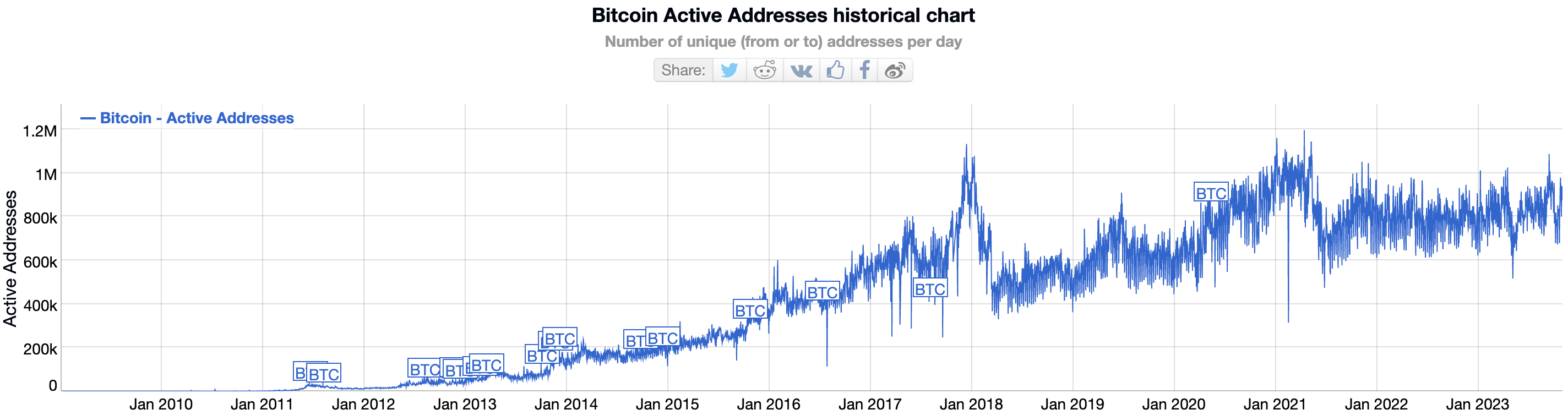
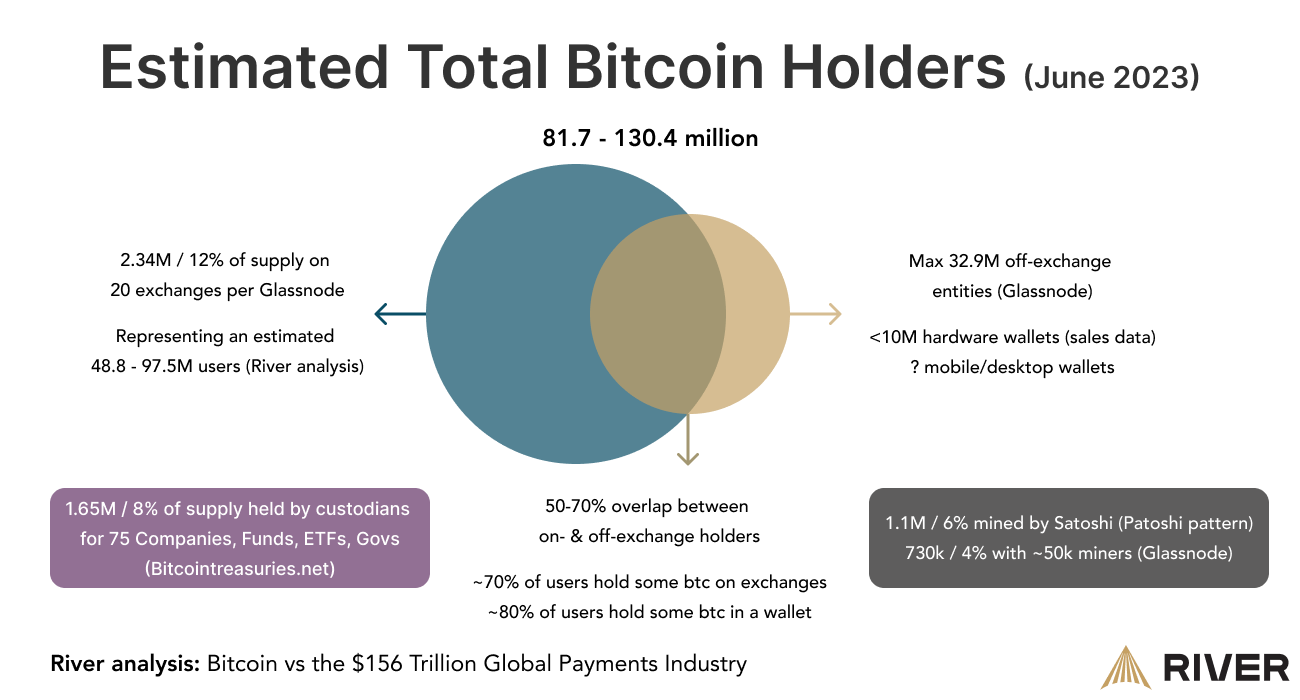
The primary hurdle in determining ownership is the distinction between “addresses” and “users.” Blockchain analytics firms like Glassnode and Chainalysis track “active addresses,” but these do not correlate 1:1 with human beings. Many savvy investors utilize multiple addresses for privacy, while others leave their assets on centralized exchanges like Coinbase or Binance. In the latter case, the blockchain sees only one massive “cold wallet” belonging to the exchange, even though that wallet represents the holdings of millions of retail investors.
To bridge this gap, analysts use “clustering” algorithms and combine on-chain data with user data provided by major trading platforms. Current industry consensus suggests that there are approximately 420 million to 500 million cryptocurrency users worldwide, with Bitcoin remaining the primary asset for the vast majority of these participants.
Geographic Distribution and the “Global South”
The distribution of Bitcoin ownership is increasingly skewed toward regions facing economic instability or those with high levels of digital literacy. While the United States and Europe hold significant portions of Bitcoin’s total market capitalization, the highest rates of per capita adoption are often found in emerging markets.
Countries like Nigeria, Vietnam, and Turkey have seen surges in Bitcoin ownership. In these regions, Bitcoin is less of a speculative vehicle and more of a practical financial tool—a hedge against local currency inflation or a means of facilitating cross-border remittances without the high fees of traditional banks. This “utility-driven” ownership is a critical component of Bitcoin’s growth, proving that its value proposition scales across different economic environments.
Demographics: Who is Investing in Bitcoin?
The profile of the “average” Bitcoin owner has shifted dramatically over the last decade. What was once the domain of tech-savvy libertarians and software developers has become a diversified pool of retail and institutional participants.
Retail Investors and the Rise of the “Micro-Holder”
Retail adoption remains the backbone of the Bitcoin ecosystem. Data shows a consistent increase in the number of “shrimp” (addresses holding less than 1 BTC) and “plankton” (addresses with very small fractions of Bitcoin). This democratization of finance is a hallmark of the Bitcoin ethos.
Demographically, Bitcoin ownership is heavily concentrated among Millennials and Gen Z. These generations, who grew up during the 2008 financial crisis and are native to digital environments, often view Bitcoin as a more transparent and accessible alternative to traditional equities or real estate. Surveys consistently show that younger investors are more likely to trust a decentralized protocol than a centralized banking institution, leading to a generational transfer of wealth into digital assets.
Institutional Entry: The Game Changer
Perhaps the most significant shift in ownership over the past three years is the entry of institutional capital. This is no longer just a “retail” story. Major public companies, such as MicroStrategy and Tesla, have added Bitcoin to their corporate balance sheets, treating it as a primary reserve asset.
Furthermore, sovereign wealth funds and massive asset managers have entered the fray. When a firm like BlackRock or Fidelity offers Bitcoin-related products, the “owner” of the Bitcoin is technically the fund, but the economic exposure belongs to thousands of traditional investors, including retirees and pension fund participants. This institutional layer adds a level of legitimacy and stability to the market, as these entities tend to have much longer time horizons than the average retail “day trader.”
The Evolution of Bitcoin as a Financial Asset
The motivation behind owning Bitcoin has evolved as the asset has matured. Understanding why people own it provides insight into its long-term viability as a pillar of personal finance.
From “Magic Internet Money” to Digital Gold
In its early years, Bitcoin was often viewed as a medium of exchange—a way to buy goods and services online. However, as the network grew and transaction fees fluctuated, the primary narrative shifted toward Bitcoin as a “Store of Value” (SoV).
Today, the majority of owners treat Bitcoin as “Digital Gold.” Like physical gold, Bitcoin is scarce (capped at 21 million units), durable, and divisible. However, it is far easier to transport and verify than physical bullion. This SoV narrative has been a major driver for high-net-worth individuals who are looking to diversify their portfolios away from the risks of fiat currency devaluation.
The Role of ETFs in Mainstream Adoption
The approval of Spot Bitcoin Exchange-Traded Funds (ETFs) in the United States marked a watershed moment for Bitcoin ownership. Before ETFs, owning Bitcoin required a certain level of technical proficiency—setting up a wallet, managing private keys, and navigating crypto exchanges.
ETFs have removed these barriers. Now, any individual with a standard brokerage account can gain exposure to Bitcoin’s price movements without the “custodial risk” of managing the digital asset themselves. This has opened the floodgates for a demographic that was previously hesitant: the “Risk-Averse Baby Boomer.” By integrating Bitcoin into traditional 401(k)s and IRAs, the number of people who effectively “own” Bitcoin has expanded to include millions of conservative investors.
Barriers to Entry and the Path to Future Growth
Despite the impressive growth in ownership, Bitcoin has yet to reach “hyper-bitcoinization” or universal adoption. Several hurdles remain that prevent the next billion people from entering the market.
Regulatory Hurdles and Financial Literacy
For many potential owners, the lack of clear regulatory frameworks is a deterrent. Fear of government bans or sudden tax changes keeps many on the sidelines. Moreover, there is a significant “literacy gap.” Bitcoin operates on principles that are counterintuitive to those raised in the traditional banking system—concepts like self-custody, “not your keys, not your coins,” and the irreversible nature of transactions.
To increase ownership, the industry must focus on education. Simplifying the user experience while maintaining the security benefits of blockchain technology is the next great challenge for financial tech developers.
Technological Improvements in Accessibility
The development of the Lightning Network and other “Layer 2” solutions is also playing a role in expanding ownership. By making Bitcoin transactions nearly instantaneous and virtually free, these technologies allow Bitcoin to be used for micro-payments in developing economies. When a coffee farmer in El Salvador or a freelancer in Nigeria can receive Bitcoin for their work with zero friction, the incentive to hold and use the asset increases exponentially.
Conclusion: What Ownership Trends Mean for the Future of Finance
The data is clear: the number of people who own Bitcoin is on a steady, upward trajectory. What began as a whitepaper shared on a cryptography mailing list has transformed into a multi-trillion-dollar asset class held by hundreds of millions of people, from retail savers to Wall Street giants.
The shift in ownership from speculative traders to long-term “HODLers” and institutional reserves suggests that Bitcoin is maturing. As it becomes a staple in diversified investment portfolios, its volatility is expected to decrease, further encouraging adoption by the mainstream public.
For the individual investor, the growing number of Bitcoin owners represents a network effect. The more people who own and value Bitcoin, the more secure and valuable the network becomes. We are currently witnessing the “institutionalization” of Bitcoin, a phase that likely precedes its full integration into the global financial plumbing. Whether as a hedge against inflation, a speculative investment, or a revolutionary tool for financial inclusion, Bitcoin ownership is no longer a niche pursuit—it is a central theme of the 21st-century financial story.
aViewFromTheCave is a participant in the Amazon Services LLC Associates Program, an affiliate advertising program designed to provide a means for sites to earn advertising fees by advertising and linking to Amazon.com. Amazon, the Amazon logo, AmazonSupply, and the AmazonSupply logo are trademarks of Amazon.com, Inc. or its affiliates. As an Amazon Associate we earn affiliate commissions from qualifying purchases.