
The Amazon rainforest, a sprawling biome of unparalleled biodiversity, is often celebrated for its ecological significance, its vast river systems, and its role as a global climate regulator. Yet, beneath the canopy and alongside the winding rivers, it is also home to millions of people whose lives, cultures, and economies are deeply intertwined with this unique environment. Understanding “how many people live in the Amazon rainforest” is not merely a demographic exercise; it is an exploration into a complex web of financial realities, from indigenous subsistence economies to the global investments pouring into or extracting from the region. This article delves into the monetary aspects of Amazonian life, examining the financial structures, challenges, and opportunities that define the existence of its diverse populations.

The Amazon’s Human Capital: Demographics and Economic Footprint
To comprehend the financial landscape of the Amazon, one must first grasp the scale and diversity of its human population. Far from an uninhabited wilderness, the Amazon basin is a vibrant tapestry of communities, each contributing to the region’s economic and social fabric in distinct ways.
Counting the Residents: A Foundation for Financial Planning
Estimates suggest that between 30 to 40 million people reside within the nine countries that share the Amazon basin. This vast number includes a mix of indigenous peoples, traditional riverine communities (ribeirinhos), settlers, urban dwellers, and various other groups. Each demographic segment possesses unique economic characteristics, consumption patterns, and financial needs. From a macroeconomic perspective, understanding these population figures is crucial for national governments and international bodies attempting to implement development policies, allocate resources, and measure financial inclusion.
For example, accurately mapping population distribution informs the provision of essential services like healthcare, education, and financial infrastructure. Areas with higher population density, particularly in urban centers like Manaus or Belém, exhibit more formalized economies with greater access to banking, credit, and diverse employment opportunities. In contrast, remote rural areas often rely on informal economies, making financial planning and service delivery more challenging and necessitating tailored approaches, such as mobile banking solutions or community-based credit systems. The very act of counting these populations, therefore, becomes a foundational step in assessing their financial vulnerability and potential for economic growth.
Indigenous Economies: Sustenance, Self-Sufficiency, and Global Value
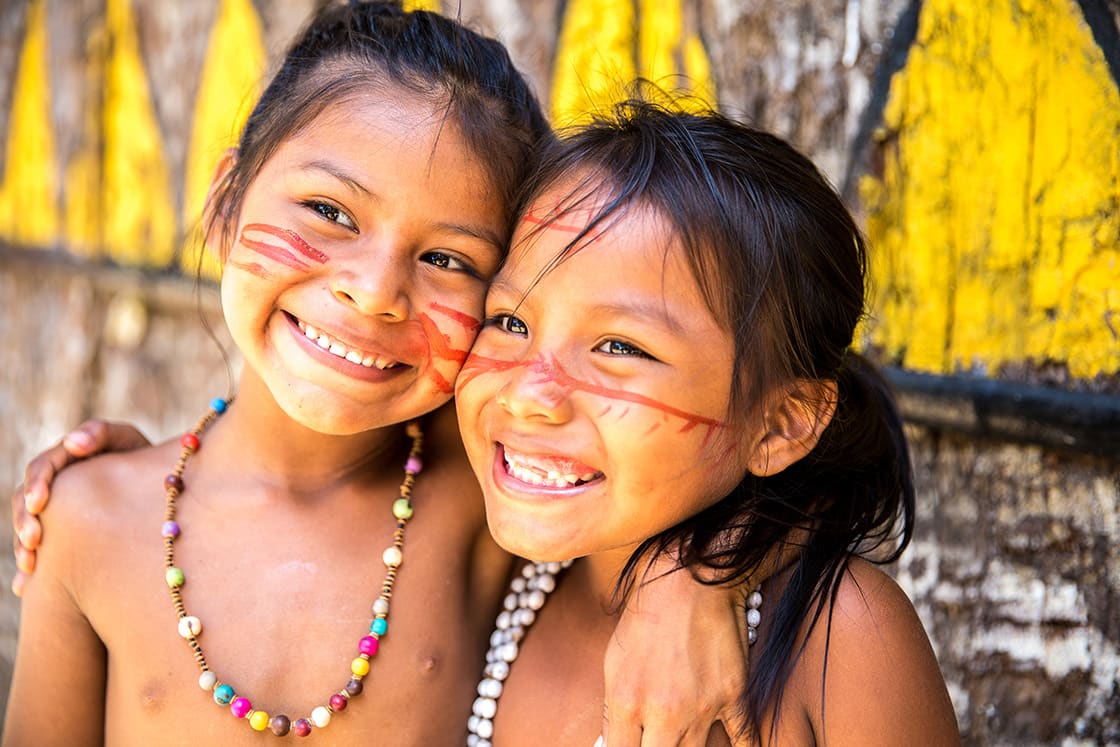
A significant and culturally vital portion of the Amazonian population comprises indigenous peoples, representing over 400 distinct ethnic groups. Their traditional economies are predominantly subsistence-based, characterized by hunting, fishing, gathering, and small-scale agriculture. While often viewed outside conventional monetary systems, these economies possess immense intrinsic value and contribute significantly to global well-being. Their sustainable practices preserve vast tracts of rainforest, offering ecological services estimated to be worth trillions of dollars annually in terms of carbon sequestration, biodiversity maintenance, and water regulation – services for which they are rarely directly compensated.
However, contact with the modern world increasingly brings indigenous communities into monetary economies. This interaction presents both challenges and opportunities. On one hand, it can lead to exploitation, land encroachment, and the erosion of traditional knowledge as communities are drawn into commercial activities without adequate protections or equitable terms. On the other hand, it opens avenues for sustainable income generation through ecotourism, certification of traditional products (like Brazil nuts or açaí), and payment for environmental services. The financial viability of these communities is directly linked to the preservation of their ancestral lands and cultural practices, highlighting a critical intersection of human rights, environmental conservation, and economic justice.
Financial Currents: Income, Challenges, and Opportunities in the Amazon
The economic lives of Amazonian residents are shaped by a confluence of geographical remoteness, resource dependence, and external pressures. This creates a unique financial ecosystem where traditional livelihoods coexist with emerging commercial ventures, often marked by significant disparities.
The Cost of Living in Paradise: Economic Realities and Resource Dependence
Living in the Amazon, despite its natural abundance, can be financially demanding. For many, income generation is directly tied to natural resources. Fishing, small-scale farming (e.g., cassava, corn), and the collection of non-timber forest products (NTFPs) are primary sources of livelihood. The variability of natural yields, market fluctuations for commodities, and the impacts of climate change introduce significant financial precarity. A poor harvest or a decline in fish stocks can have immediate and devastating financial consequences for families.
Furthermore, the remoteness of many communities means that manufactured goods, fuel, and access to healthcare or specialized education often come at a premium due to high transportation costs. This inflates the cost of living for essentials that cannot be produced locally. For those engaged in cash crops or timber, market access is often controlled by intermediaries, leading to unfair pricing and limited profit margins for producers. Understanding these economic realities is crucial for designing financial tools and policies that genuinely support the well-being and resilience of Amazonian populations, rather than inadvertently pushing them further into debt or poverty.
Navigating Economic Disparities: Indigenous vs. Non-Indigenous Livelihoods
A notable financial disparity exists between indigenous and non-indigenous populations in the Amazon. While many non-indigenous settlers also face economic hardships, they often have greater integration into formal labor markets, access to credit, and more diverse opportunities in agriculture, mining, or urban employment. However, these opportunities often come with significant environmental costs, contributing to deforestation and resource depletion, which in turn impacts indigenous territories and traditional livelihoods.

Indigenous communities, by choice and often by necessity, maintain a stronger connection to their traditional economies. While this offers resilience and cultural preservation, it also means they often have less access to formal financial services, conventional employment, and governmental social safety nets. Bridging this gap requires innovative approaches that respect traditional economic structures while offering pathways to financial security and empowerment. This includes promoting fair trade for indigenous products, facilitating access to microfinance for community-led enterprises, and developing payment mechanisms for their environmental stewardship, ensuring that economic development does not come at the expense of cultural integrity or ecological health.
Investment in Sustainability: Protecting People, Forests, and Future Wealth
The Amazon represents a frontier for sustainable investment, where capital can be deployed to both preserve natural heritage and uplift human populations. A shift from extractive models to regenerative ones is not just an environmental imperative but a significant economic opportunity.
The Green Economy: Ecotourism, Sustainable Harvesting, and Bio-Innovation
The concept of a “green economy” holds immense promise for the Amazon. Ecotourism, when developed responsibly and with community involvement, can provide direct income for local populations through guiding services, accommodation, and the sale of handicrafts. It offers an alternative to logging or mining, creating financial incentives for conservation. Similarly, the sustainable harvesting of non-timber forest products – such as açaí berries, Brazil nuts, rubber, and various medicinal plants – can generate substantial revenue. The growing global demand for natural, ethically sourced products presents a unique market for Amazonian communities.
Beyond raw materials, bio-innovation – the development of new products and technologies based on Amazonian biodiversity – represents a nascent but potentially lucrative sector. From pharmaceuticals derived from rainforest plants to sustainable building materials, the intellectual and natural capital of the Amazon offers vast investment potential. However, ensuring that these ventures genuinely benefit local communities requires robust frameworks for benefit-sharing, intellectual property rights, and community-led business development, preventing the ‘biopiracy’ that has historically plagued indigenous knowledge. Investing in the green economy means investing directly in the livelihoods of Amazonian people, linking their economic future to the health of the forest.
Financial Tools for Empowerment: Microfinance and Community Enterprises
Traditional financial institutions often struggle to serve remote Amazonian communities due to lack of infrastructure, perceived risk, and unfamiliarity with local economic models. This gap creates a critical need for tailored financial tools. Microfinance, offering small loans, savings accounts, and insurance to individuals and groups typically excluded from conventional banking, can be transformative. It enables small entrepreneurs to invest in sustainable businesses, diversify their income sources, and build financial resilience.
Furthermore, fostering community enterprises – businesses collectively owned and managed by local residents – can empower communities to control their economic destinies. These enterprises can focus on sustainable agriculture, processing local products, artisanal crafts, or even local service provision (e.g., transport, solar energy maintenance). Such initiatives not only generate income but also build social capital, strengthen local governance, and retain wealth within the community. Donors, impact investors, and development organizations play a crucial role in providing the seed capital, technical assistance, and capacity building necessary to launch and scale these community-led financial empowerment projects.
Global Stakes and Financial Flows: The World’s Investment in Amazonian Livelihoods
The Amazon is not an isolated economic entity; its fate, and the financial well-being of its inhabitants, are deeply intertwined with global financial flows, ethical consumption choices, and international policy.
International Aid and Ethical Investing: Driving Sustainable Development
Recognizing the Amazon’s global importance, significant international aid and conservation funding are directed towards the region. This financial support often targets projects related to biodiversity conservation, sustainable development, and strengthening indigenous rights. Ethical investors, too, are increasingly looking for opportunities to support companies and initiatives that operate sustainably and provide fair returns to local communities, rather than solely focusing on extractive industries. Impact investing, which seeks both financial returns and positive social and environmental impact, is gaining traction in the Amazon.
However, the effectiveness of these financial flows is critically dependent on their design and implementation. Directing funds through local organizations, ensuring transparency, and prioritizing projects identified by the communities themselves are essential to avoid ‘top-down’ interventions that fail to address real needs or inadvertently exacerbate existing inequalities. There is a growing call for direct payments to indigenous and traditional communities for their role in forest guardianship, recognizing their invaluable contribution to global environmental stability as a legitimate form of income generation. This represents a paradigm shift from viewing these populations as beneficiaries of aid to seeing them as essential partners and economic actors in global sustainability.
The Hidden Costs of Exploitation: Economic Repercussions of Deforestation on Local Populations
While the economic gains from activities like industrial logging, large-scale agriculture, and illegal mining may appear substantial in the short term, the long-term financial costs, particularly for local Amazonian populations, are devastating. Deforestation leads to the loss of biodiversity, which erodes the resource base for traditional livelihoods. It disrupts rainfall patterns, impacting agriculture and water availability. Pollution from mining contaminates rivers, destroying fishing grounds and posing severe health risks, incurring significant treatment costs and reducing productivity.
Furthermore, conflicts over land and resources can lead to violence, displacement, and the destruction of homes and communities, imposing immeasurable financial and social burdens on affected populations. The loss of traditional knowledge and cultural practices also represents an irreplaceable economic cost, as it diminishes unique local solutions for sustainable living and future bio-innovation. Globally, the hidden costs of Amazonian exploitation are borne by the planet as a whole through increased carbon emissions and biodiversity loss, but locally, it is the Amazonian people who pay the immediate and heaviest financial price for unsustainable practices. Recognizing these costs is fundamental to making sound financial decisions that support rather than undermine the populations living in this invaluable region.
In conclusion, understanding “how many people live in the Amazon rainforest” transcends mere statistics; it opens a window into a complex financial world where ancient traditions meet modern challenges. The economic health of the Amazon’s diverse populations is intrinsically linked to the ecological integrity of the forest itself. By fostering sustainable economies, empowering local communities with appropriate financial tools, and ensuring equitable global financial flows, we can collectively invest in a future where the people of the Amazon thrive, securing not only their own well-being but also a vital part of our planet’s shared wealth.
aViewFromTheCave is a participant in the Amazon Services LLC Associates Program, an affiliate advertising program designed to provide a means for sites to earn advertising fees by advertising and linking to Amazon.com. Amazon, the Amazon logo, AmazonSupply, and the AmazonSupply logo are trademarks of Amazon.com, Inc. or its affiliates. As an Amazon Associate we earn affiliate commissions from qualifying purchases.