
American Express cards, distinctive in their design and widely recognized in the global financial landscape, adhere to a specific numerical structure crucial for identification, security, and transaction processing. Unlike most other major card networks like Visa or Mastercard, which typically feature 16 digits, American Express cards are uniquely characterized by having 15 digits. This distinctive length is just one facet of a complex system that underpins secure financial transactions and forms a vital component of personal and business finance.
The Anatomy of a Payment Card Number: Unpacking the Digits
Every credit or charge card number, regardless of its issuer, is not a random sequence but a meticulously structured identifier. This numerical architecture allows payment systems to efficiently route transactions, verify card legitimacy, and safeguard against fraud. For American Express cards, the 15-digit structure follows a predictable pattern, segmented for specific purposes.

The Issuer Identification Number (IIN) – The Gateway Identifier
The first few digits of any payment card number constitute the Issuer Identification Number (IIN), also known as the Bank Identification Number (BIN). This segment is pivotal as it identifies the payment network and the financial institution that issued the card. For American Express, all card numbers begin with either 34 or 37. This prefix immediately signals to payment terminals and online processors that the card belongs to the American Express network. Understanding the IIN is foundational for businesses processing payments, as it helps in routing transactions to the correct network for authorization and settlement, directly impacting operational efficiency and financial flow. For consumers, while less directly visible, it’s the silent workhorse ensuring their payments go where they’re supposed to.
The Account Number – Your Unique Financial Fingerprint
Following the IIN, the bulk of the remaining digits form the individual account number. This sequence uniquely identifies the cardholder’s account within the issuing financial institution. It’s the personal identifier tied to your credit line or charge account, meticulously managed by American Express. This portion of the card number is critical for transaction processing, allowing the merchant’s payment system to send a request to American Express, who then verifies the account’s validity, available credit (for credit cards), and any associated spending limits. The integrity of this number is paramount for accurate record-keeping, billing, and ensuring that transactions are correctly attributed to the cardholder. For businesses, this translates to accurate sales data and reconciliation; for individuals, it ensures correct charges appear on their statements.
The Check Digit – The Integrity Guardian (Luhn Algorithm)
The final digit of almost all payment card numbers, including American Express’s 15-digit sequence, is a check digit. This digit is generated using a mathematical formula known as the Luhn algorithm (or Mod 10 algorithm). Its purpose is to validate the card number’s integrity. When a card number is entered into a system, the Luhn algorithm performs a quick calculation on all the preceding digits. If the result doesn’t match the check digit, it indicates a probable error in transcription (e.g., a typo) or a potentially fabricated card number. This simple yet powerful self-check mechanism is a first line of defense against accidental errors and certain types of fraud, significantly enhancing the reliability of financial transactions and preventing misrouted payments or erroneous charges. For financial operations, this algorithm minimizes manual errors and system malfunctions, contributing to overall financial stability and data accuracy.
Beyond the Digits: Essential Security Features for Financial Protection
While the 15 digits of an American Express card number are fundamental, they are just one layer in a sophisticated security architecture designed to protect cardholders and merchants. Understanding these additional security features is crucial for maintaining financial security in an increasingly digital world.
Card Verification Value (CVV/CID) – The Un-Digitized Defender
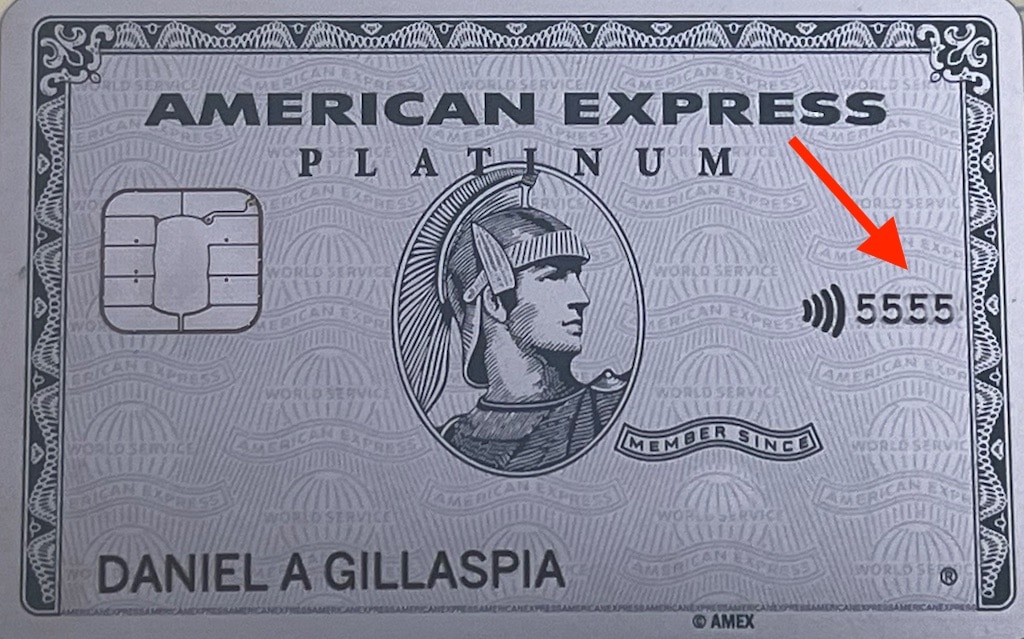
Unlike the main card number, the Card Verification Value (CVV), or in American Express’s specific terminology, the Card Identification Number (CID), is typically a separate 4-digit code printed on the front of the card, above the account number. This number is not embossed or magnetically encoded and is explicitly not stored by merchants after a transaction. Its primary role is to verify that the person initiating an online or phone transaction physically possesses the card. By requiring the CID during “card-not-present” transactions, American Express adds a significant layer of defense against fraud, making it harder for unauthorized individuals to use stolen card numbers alone. This is a critical tool for preventing identity theft and unauthorized charges, directly safeguarding personal finances.
EMV Chip Technology – The Transaction Fortifier
Modern American Express cards, like most payment cards today, incorporate EMV chip technology. The small metallic square on the card is an embedded microchip that generates a unique, single-use cryptogram for each transaction. This dynamic data makes it extremely difficult for fraudsters to create counterfeit cards from intercepted transaction information, a common vulnerability with older magnetic stripe technology. When a card is “dipped” into an EMV-compatible terminal, the chip and terminal engage in a secure, encrypted exchange of information, significantly reducing the risk of point-of-sale fraud. This technology is a cornerstone of modern financial security, protecting both cardholders from unauthorized use and businesses from chargebacks due to fraud.
Fraud Monitoring and Zero Liability – American Express’s Financial Safety Net
American Express employs advanced fraud detection systems that continuously monitor card activity for suspicious patterns. Algorithms analyze spending habits, geographical locations, and transaction types to flag potentially fraudulent charges in real-time. If unusual activity is detected, American Express may contact the cardholder to verify transactions or temporarily suspend the card to prevent further unauthorized use. Complementing this, American Express offers a robust “Zero Liability” policy. This means cardholders are generally not held responsible for unauthorized purchases made with their card, provided they report the fraud promptly. This policy offers significant peace of mind and financial protection, ensuring that cardholders are not financially penalized for circumstances beyond their control.
Why Card Numbers Matter in Personal and Business Finance
The specific numbering conventions and security features of an American Express card are not merely technical details; they are integral to the broader financial ecosystem, impacting how individuals manage their money and how businesses operate.
Facilitating Transactions and Global Commerce
The standardized 15-digit format allows American Express to seamlessly process billions of transactions worldwide. This standardization ensures interoperability across diverse payment terminals, online gateways, and financial institutions globally. For individuals, this means reliable access to their funds for purchases, travel, and online shopping. For businesses, it enables efficient payment acceptance from a broad customer base, streamlining revenue collection and contributing to robust financial health. The underlying structure of the card number is the silent enabler of global commerce, connecting consumers and merchants across borders.
Impact on Credit Scoring and Financial Identity
While the card number itself doesn’t directly influence a credit score, its usage is meticulously recorded and reported to credit bureaus. American Express, as a major issuer, plays a significant role in shaping an individual’s financial identity through their reporting practices. Responsible use of the American Express card—paying on time, managing credit utilization, and avoiding defaults—positively contributes to a strong credit history and higher credit scores. Conversely, mismanagement can negatively impact credit. The card number is the key identifier for these financial activities, which are fundamental to accessing future loans, mortgages, and other financial products.
Payment Processing for Businesses: A Critical Operational Element
For businesses, accepting American Express cards means catering to a segment of consumers who often carry higher spending power. Understanding the nuances of American Express processing, including its unique IIN and sometimes different transaction fees compared to other networks, is crucial for financial planning and operational efficiency. The reliable identification via the card number ensures that transactions are correctly routed and settled, minimizing errors and potential financial losses. Businesses must implement secure payment gateways and point-of-sale systems that can handle American Express’s specific card structure and security protocols, protecting both their revenue and customer data.
Navigating Digital Payments: Best Practices for Financial Security
In an era of increasing digital transactions, safeguarding your American Express card number and understanding its implications for financial security is paramount.
Protecting Your Card Number Online and Offline
Always treat your American Express card number, along with its CID, with the utmost confidentiality. When making online purchases, ensure you are using secure, reputable websites (look for “https://” in the URL and a padlock symbol). Avoid sharing your full card number via unencrypted email or text messages. Offline, be vigilant when using ATMs or point-of-sale terminals, checking for any signs of tampering. Regularly review your American Express statements for any unauthorized transactions and report discrepancies immediately. This proactive approach is key to personal financial defense.
Recognizing and Reporting Suspicious Activity
Familiarize yourself with common phishing scams and tactics used by fraudsters who try to trick you into revealing your card details. American Express will never ask for your full card number, CID, or PIN via unsolicited emails or phone calls. If you suspect your card information has been compromised or notice any suspicious charges, contact American Express customer service immediately. Prompt reporting is crucial for mitigating potential financial damage and initiating fraud investigations, allowing American Express to leverage its robust fraud monitoring systems.

Tokenization and Advanced Security Measures
Many modern payment systems utilize tokenization, a process where your actual American Express card number is replaced with a unique, randomly generated “token” for each transaction. This token cannot be reverse-engineered to reveal your original card number, even if intercepted by fraudsters. When you save your card details on trusted merchant websites or use mobile payment apps like Apple Pay or Google Pay, tokenization is often at work behind the scenes, providing an additional layer of security. Embracing these advanced security measures not only protects your 15-digit card number but also enhances the overall security of your digital financial footprint.
In conclusion, the 15 numbers on an American Express card represent far more than just a sequential identifier. They are the gateway to a sophisticated financial system, designed for efficiency, security, and global reach, impacting every aspect of personal and business finance from transaction processing to credit management and fraud prevention. Understanding their structure and the accompanying security features empowers both cardholders and businesses to navigate the modern financial landscape with confidence.
aViewFromTheCave is a participant in the Amazon Services LLC Associates Program, an affiliate advertising program designed to provide a means for sites to earn advertising fees by advertising and linking to Amazon.com. Amazon, the Amazon logo, AmazonSupply, and the AmazonSupply logo are trademarks of Amazon.com, Inc. or its affiliates. As an Amazon Associate we earn affiliate commissions from qualifying purchases.