
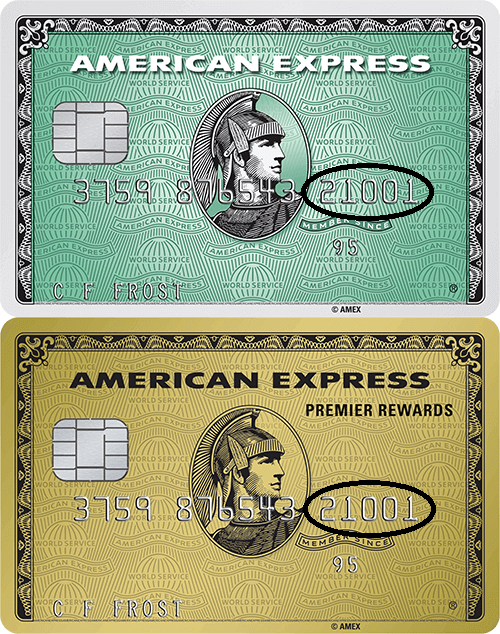
In the world of credit and charge cards, the sequence of numbers emblazoned on your plastic isn’t merely a random string; it’s a meticulously structured identifier, a digital fingerprint that unlocks a vast financial ecosystem. For American Express cardholders, this identifier carries a distinct characteristic: American Express cards consistently feature 15 digits. This fact immediately sets them apart from the more common 16-digit cards issued by Visa and Mastercard. Understanding this unique numerical structure is more than just a trivia fact; it’s a foundational element of financial literacy, enhancing your grasp of security, transaction processing, and the very identity of your financial tools. Let’s delve into the distinctive anatomy of an Amex card number, exploring why its format matters for your personal finances and the broader world of digital transactions.
The Distinctive 15-Digit Structure of American Express Cards
American Express has carved out a unique space in the financial services industry, and its card numbering system is a testament to this individuality. While many consumers are accustomed to the ubiquitous 16-digit format, Amex stands firm with its signature 15-digit sequence, a practice rooted in its origins and maintained as a hallmark of its brand. This seemingly small difference holds significant implications for how these cards are identified, processed, and secured.
The Standard: 15 vs. 16 Digits
The most immediate distinction of an American Express card is its length. Unlike Visa, Mastercard, and Discover cards, which typically present a 16-digit Primary Account Number (PAN), Amex cards universally adhere to a 15-digit standard. This difference is not arbitrary; it’s a legacy of how card numbering systems evolved. American Express, having started as a travel and entertainment card provider, established its numbering conventions early on. While other networks later standardized on 16 digits, Amex maintained its unique system, which has become a recognizable feature for both merchants and consumers globally. This divergence in length requires specific programming within point-of-sale (POS) systems, payment gateways, and online checkout forms to correctly validate and process Amex transactions. Merchants and financial institutions must ensure their systems are configured to accept both 15- and 16-digit card numbers to provide a seamless payment experience for all cardholders.
Decoding the Amex Card Number: A Breakdown
Every digit in your Amex card number plays a specific role, contributing to a systematic identification and validation process. Understanding this breakdown not only satisfies curiosity but also deepens your understanding of payment security and how your financial transactions are routed.
-
First Digit (Major Industry Identifier – MII): For all American Express cards, the number invariably begins with a ‘3’. This initial digit is known as the Major Industry Identifier (MII) and designates the primary industry category of the card issuer. For American Express, ‘3’ specifically denotes “Travel and Entertainment.” This immediate identifier helps payment systems categorize the card type and initiate the correct processing protocols even before reading the full sequence. This is a crucial first step in transaction routing.
-
Next Digits (Issuer Identification Number – IIN/BIN): Following the initial ‘3’, the subsequent digits (typically the second and third, or second through fourth, depending on the network) form part of the Issuer Identification Number (IIN), also commonly referred to as the Bank Identification Number (BIN). For American Express, these digits are typically ‘4’ and ‘7’, meaning most Amex cards will start with ’34’ or ’37’. The IIN uniquely identifies the financial institution that issued the card. In American Express’s case, as it often acts as both the network and the issuer for its proprietary cards, the IIN points directly to American Express itself. This portion of the number tells the payment network exactly who is responsible for the account and where to send the authorization request.
-
Account Number: The core of the 15-digit sequence is the unique account number assigned to you, the cardholder. This series of digits, following the MII and IIN, is the primary identifier for your specific financial account with American Express. It’s what distinguishes your card from every other Amex card in circulation. This part of the number is carefully generated to be unique and forms the basis for tracking all your transactions, charges, and payments. It ties directly to your credit limit, rewards programs, and other account-specific features.
-
Last Digit (Check Digit – Luhn Algorithm): The final digit of an American Express card number serves a critical function in basic fraud prevention and error detection. This is the “check digit,” calculated using the Luhn algorithm (also known as the “mod 10” algorithm). This mathematical formula is applied to all the preceding digits to produce a single check digit. When a card number is entered into a payment system, the system can independently re-calculate the check digit based on the input. If the re-calculated digit doesn’t match the card’s actual last digit, it indicates a probable typo or an invalid card number. While the Luhn algorithm doesn’t prevent sophisticated fraud, it’s highly effective at catching accidental keying errors and can deter some forms of random number generation fraud attempts. This subtle feature is a silent guardian, ensuring the integrity of the entered card data.
Why Card Number Structure Matters for Your Finances
The careful structuring of an American Express card number, from its distinctive length to its individual digit assignments, isn’t just about creating a unique identifier; it’s fundamental to the operational efficiency, security, and integrity of the entire financial payment system. For consumers, understanding this structure translates into greater financial literacy and improved personal security.
Enhancing Security and Fraud Prevention
The internal logic of a card number plays a vital, albeit often unseen, role in protecting your financial assets. As discussed, the Luhn algorithm provides a basic but effective layer of defense against simple errors and some forms of fraudulent activity. By validating the mathematical integrity of the card number, it immediately flags mistyped digits or randomly generated numbers, preventing invalid transactions from even reaching the authorization stage. Beyond this, the Issuer Identification Number (IIN) is crucial for fraud detection systems. When a transaction occurs, the IIN quickly identifies American Express as the card issuer. This allows fraud detection algorithms to cross-reference the transaction against Amex-specific fraud patterns, historical data for that IIN, and your individual spending habits. For instance, if a card with an Amex IIN is suddenly used in a region or merchant type inconsistent with typical Amex usage, it could trigger a fraud alert. Furthermore, the distinct 15-digit length itself acts as a security feature; fraudsters attempting to guess numbers might default to 16 digits, making it harder to stumble upon a valid Amex number.
Seamless Payment Processing and Transaction Identification
Imagine a world where every card number was a random string of digits. Payment systems would grind to a halt. The structured nature of the Amex card number is precisely what enables seamless, instantaneous payment processing across millions of terminals worldwide. When you swipe, tap, or enter your card details, the payment terminal or online gateway immediately recognizes the ‘3’ as an Amex card. This allows it to route the transaction to the correct American Express network for authorization. The IIN further refines this routing, directing the request to the specific Amex processing center responsible for your card type. This structured identification allows for incredibly fast authorization requests and responses, ensuring that your purchases are approved or declined within seconds. For businesses, this efficiency is paramount for customer satisfaction and operational flow. For individuals, it means convenience and reliability every time they make a payment.
Personal Financial Literacy and Awareness
Understanding the basic anatomy of your Amex card number empowers you with greater financial literacy. Knowing that all Amex cards start with ’34’ or ’37’ and are 15 digits long can be a quick mental check against potential phishing attempts or suspicious requests. For example, if you receive an email asking for your “Amex” card number and the example given is 16 digits or starts with a ‘4’ or ‘5’, it’s an immediate red flag that the request is fraudulent. This awareness extends to recognizing legitimate payment forms online, where the input fields might dynamically adjust to accommodate 15 digits once an Amex card type is selected. Furthermore, being mindful of the Luhn algorithm can subtly reinforce the importance of accurate data entry. By recognizing these structural elements, you’re better equipped to identify and avoid common scams, protect your personal financial information, and engage more confidently with the digital financial landscape. It’s a small piece of knowledge that contributes to a larger picture of informed financial decision-making.
American Express Card Formats and Variants
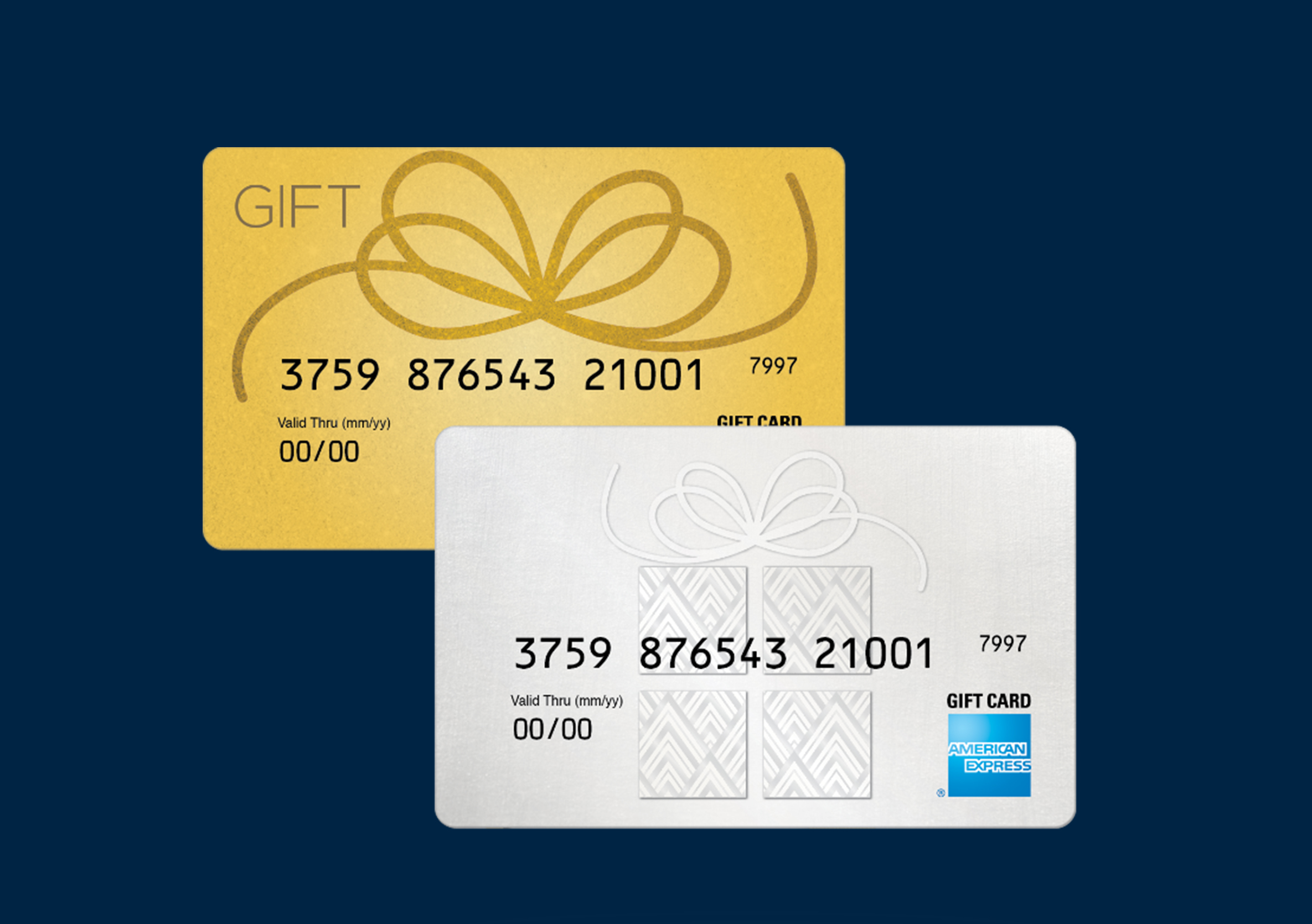
The distinctive 15-digit format of an American Express card is a universal characteristic, consistent across its diverse range of products and how they are presented in the modern payment environment. Whether you hold a premium travel card or a specialized business card, the core numerical identifier remains true to the Amex standard. This consistency is a cornerstone of the brand’s identity and ensures seamless functionality regardless of the card’s specific features or physical manifestation.
Physical Cards vs. Digital Wallets
In an increasingly digital world, where physical cards often reside alongside their virtual counterparts in digital wallets like Apple Pay, Google Pay, or Samsung Pay, the underlying 15-digit American Express card number remains constant. When you add your Amex card to a digital wallet, the physical card details are securely tokenized. This means that a unique, device-specific “token” or substitute number is generated and used for transactions, rather than the actual 115-digit PAN. This token is useless if intercepted because it’s tied to a specific device and transaction. However, this tokenization process does not change the original 15-digit number associated with your account. It merely creates a secure, temporary stand-in for specific transactions. Should you ever need to view your card details within a digital wallet app for online purchases where tokens aren’t used, the app will display the true 15-digit number of your Amex card, reaffirming its consistent structure across all formats. The security layers in digital wallets are built on top of the existing card numbering conventions, not as a replacement for them.
Corporate, Personal, and Co-Branded Cards
American Express offers a vast portfolio of cards catering to individual consumers, small businesses, and large corporations, alongside numerous co-branded partnerships with airlines, hotels, and retailers. Despite this immense variety, the 15-digit card number format is a universal constant across all these offerings. A personal Amex Platinum card, a Delta SkyMiles Amex Gold card, or an Amex Business Green card will all begin with ’34’ or ’37’ and comprise 15 digits. While the Issuer Identification Number (IIN) might have subtle variations within the ’34’ or ’37’ range to distinguish between different product lines or co-branded partnerships internally, the fundamental 15-digit length and the starting ‘3’ digit remain immutable. This consistency simplifies backend processing and ensures that all Amex cards are immediately recognizable by payment systems, regardless of the specific benefits, rewards program, or branding associated with them. It’s a testament to Amex’s strong internal standardization and commitment to its established identification protocols.
The CVV/CID: Another Layer of Financial Security (Not Part of the Main Number)
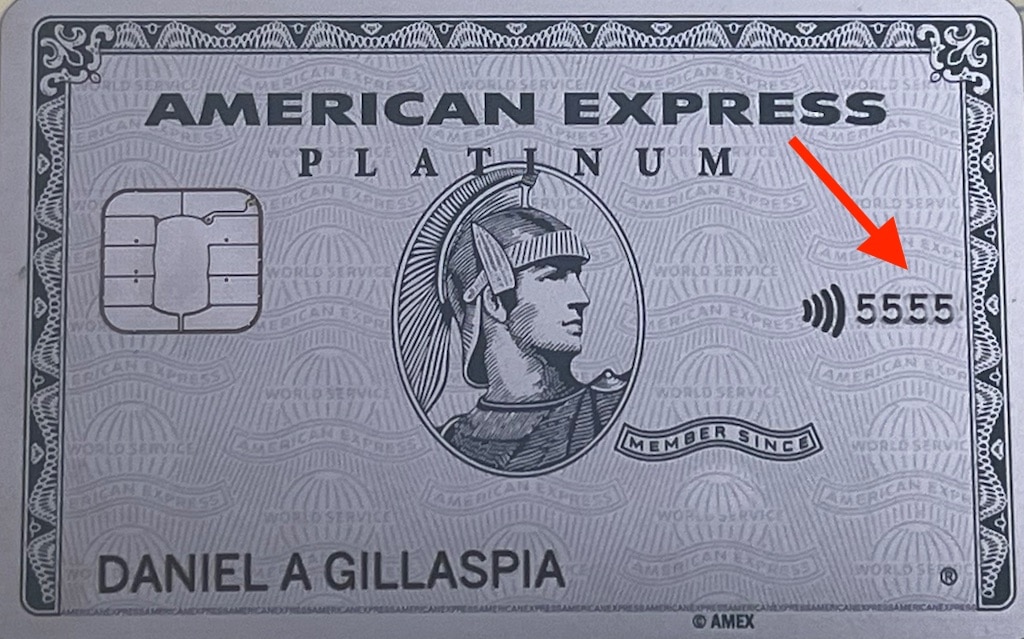
While discussing the numbers on an American Express card, it’s essential to clarify the Card Identification Number (CID), which serves a crucial security function but is distinct from the primary 15-digit account number. Unlike Visa or Mastercard, which typically place a 3-digit Card Verification Value (CVV2) on the back of the card, American Express places a 4-digit CID prominently on the front of the card, usually above the main card number, either on the right or left side. This CID is an additional security code used primarily for “card-not-present” transactions, such as online purchases or phone orders. It verifies that the person making the purchase physically possesses the card. Crucially, this 4-digit CID is not part of the 15-digit primary account number, nor is it stored on the magnetic stripe or the EMV chip. This deliberate separation makes it harder for fraudsters to compromise both the card number and the security code in a single breach, adding a significant layer of protection for online financial transactions. Understanding its purpose and location is key to secure online shopping and protecting your financial identity.
Protecting Your Amex Card Number: Best Practices for Financial Security
Your American Express card number is a critical piece of your financial identity. Its structure, while aiding in processing and basic security, is ultimately vulnerable if not handled with care. Adopting robust security practices is paramount to safeguarding your finances and preventing unauthorized access or fraud. Being proactive about protecting this information is a cornerstone of responsible personal finance.
Vigilance Against Phishing and Scams
One of the most common threats to your card number comes from phishing and social engineering scams. Always be wary of unsolicited emails, text messages, or phone calls that ask for your full card number, CID, expiration date, or other sensitive financial information. Legitimate financial institutions like American Express will rarely, if ever, ask you to provide your full card number via email or in an unverified phone call. Be suspicious of urgent requests, threats of account closure, or offers that seem too good to be true. Always verify the sender’s identity through official channels (e.g., calling the number on the back of your card or visiting the official Amex website) before divulging any information. Remember, knowing the distinctive 15-digit Amex format can help you spot fake requests that might use a generic 16-digit example.
Secure Online Transactions
When making purchases online with your Amex card, ensure that you are on a secure website. Look for “https://” in the website address bar and a padlock icon, which indicate that the connection is encrypted. Avoid entering your card details on public Wi-Fi networks that are unsecured. Whenever possible, utilize tokenization services like Apple Pay, Google Pay, or Amex Express Checkout, which transmit a unique, single-use token instead of your actual 15-digit card number, significantly reducing the risk of your PAN being compromised during a transaction. Additionally, use strong, unique passwords for all your online accounts, especially those linked to financial services, to prevent unauthorized access. Enabling two-factor authentication (2FA) wherever available adds another vital layer of security.
Physical Card Security
While much financial activity has moved online, the physical security of your Amex card remains crucial. Always keep your card in a secure place, such as a wallet or purse, and never leave it unattended. Be mindful of your surroundings when using ATMs or POS terminals, and check for any suspicious devices (skimmers) attached to card readers. When making a purchase, ensure that the merchant swipes or inserts your card only once. If your card is lost or stolen, report it to American Express immediately. Prompt reporting is key to limiting your liability for fraudulent charges and ensuring a quick replacement of your card. Regularly inspect your card for any signs of tampering or unusual wear, especially if you suspect it might have been compromised.
Monitoring Your Financial Statements
The ultimate defense against financial fraud is diligent monitoring of your financial statements. Regularly review your American Express online statements and paper bills for any unauthorized or suspicious transactions. Many financial tools and apps allow you to set up transaction alerts that notify you via email or text message every time your card is used. This immediate notification can help you identify and report fraudulent activity almost as soon as it occurs, giving you the best chance to dispute charges and recover any lost funds. Be proactive in scrutinizing every line item; even small, recurring charges that you don’t recognize could indicate a compromise. Early detection is paramount in mitigating financial damage and preserving your credit health.
Conclusion
The 15-digit number on your American Express card is far more than a simple identifier; it’s a precisely engineered code that underpins the security, efficiency, and distinct identity of one of the world’s leading financial instruments. From its unique length compared to other major networks to the specific roles played by its Major Industry Identifier, Issuer Identification Number, account number, and Luhn algorithm check digit, every aspect of its structure is designed for purpose.
Understanding this anatomy empowers you as a cardholder, offering insights into how transactions are processed, how security measures are built, and how to better protect your financial information. In an age where digital security is paramount, recognizing the nuances of your Amex card number—and differentiating it from other card types, along with appreciating the role of the 4-digit CID—is a fundamental aspect of informed personal finance. By embracing these insights and practicing robust security habits, you not only leverage the convenience and benefits of your American Express card but also become a more secure and savvy participant in the modern financial landscape. The numbers, in essence, tell a compelling story of financial innovation and the ongoing commitment to safeguarding your economic well-being.
aViewFromTheCave is a participant in the Amazon Services LLC Associates Program, an affiliate advertising program designed to provide a means for sites to earn advertising fees by advertising and linking to Amazon.com. Amazon, the Amazon logo, AmazonSupply, and the AmazonSupply logo are trademarks of Amazon.com, Inc. or its affiliates. As an Amazon Associate we earn affiliate commissions from qualifying purchases.