
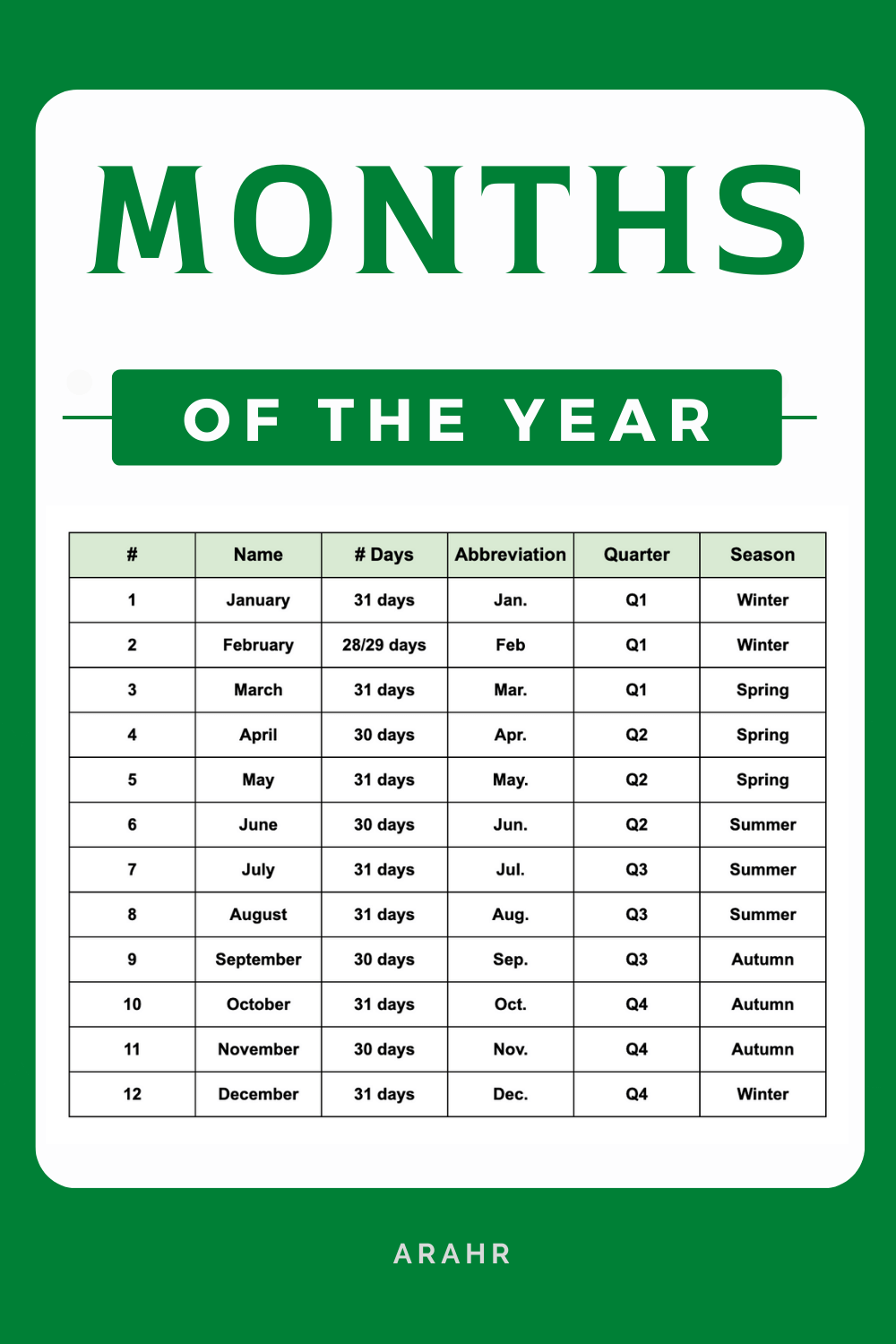
In the world of personal finance and institutional investing, time is the most valuable asset. When we ask, “how many months away is May,” we are rarely just looking for a count of days on a calendar. Instead, we are looking at a critical window of opportunity. May represents a pivotal inflection point in the fiscal year. It marks the transition from the frantic energy of the first quarter and tax season into the strategic planning of the mid-year. Understanding exactly how much time remains before this threshold is reached allows investors, business owners, and savvy budgeters to align their capital with upcoming seasonal shifts and market cycles.

Calculating the distance to May is the first step in a broader financial audit. Whether you are currently in the depths of a cold January or the transitional period of March, the months leading up to May should be treated as a preparatory runway. During this time, the goal is to optimize cash flow, rebalance portfolios, and ensure that your financial architecture is robust enough to handle the unique market pressures that historically arrive with the late spring.
The Seasonal Psychology of Financial Planning
The countdown to May is intrinsically linked to the “Tax Season” mindset. For many, the early months of the year are dominated by looking backward—reconciling accounts, gathering receipts, and settling debts with the government. However, as May approaches, the focus must shift from retrospective compliance to prospective growth. This transition is where wealth is often built or lost.
Why May is the Ultimate Milestone for Budgeting
May sits at a unique crossroads. In many regions, it signals the start of the “spending season.” As temperatures rise, consumer behavior shifts toward travel, home improvement, and leisure. If you do not know exactly how many months you have to prepare, these expenses can lead to significant debt accumulation.
Strategic budgeting requires looking at the months leading up to May as a “capital accumulation phase.” By identifying the gap between your current month and May, you can set incremental savings goals to fund summer ventures without dipping into emergency funds or high-interest credit. This proactive approach eliminates the financial “hangover” often experienced in July and August when the bills for May and June activities begin to come due.
Transitioning from Tax Season to Growth Phase
For most individual investors, the April tax deadline (in the U.S. and several other jurisdictions) is the primary hurdle. Once that hurdle is cleared, May becomes the first “clean” month of the year. It is the time when tax refunds hit bank accounts and the administrative burden of the previous year is finally lifted.
Understanding the lead time to May allows you to pre-plan the allocation of these refunds. Instead of treating a refund as “found money” to be spent impulsively, identifying the distance to May helps you integrate those funds into long-term investment vehicles or high-yield savings accounts. The months leading up to this point should be spent researching opportunities, so that when May arrives, your capital is deployed immediately into productive assets.
The “Sell in May” Philosophy: Evaluating Your Investment Portfolio
One cannot discuss the month of May in a financial context without referencing the age-old market adage: “Sell in May and go away.” This strategy suggests that the stock market underperforms during the six-month period between May and October compared to the November-to-April window. While the validity of this strategy is debated among modern quantitative analysts, its influence on market sentiment is undeniable.
Understanding Historical Market Trends
The historical basis for “Sell in May” is rooted in the decreased trading volume and liquidity often seen during the summer months. Institutional traders and fund managers frequently take vacations, leading to a “lull” where volatility can spike on low volume. When you calculate how many months are left until May, you are essentially calculating your window for aggressive growth before the market potentially enters a defensive or sideways phase.
For a sophisticated investor, the countdown to May is a signal to perform a portfolio “stress test.” If you have experienced significant gains during the winter and early spring months, the arrival of May serves as a reminder to lock in profits or move toward more defensive sectors like utilities or consumer staples. Knowing the timeline allows you to exit positions gradually rather than in a panic-induced sell-off as May 1st nears.
Rebalancing Strategies Before the Summer Lull
Rebalancing is not a one-time event but a strategic process. If May is three months away, you might begin a phased liquidation of over-extended positions. If it is only one month away, your focus should shift toward hedging.
Successful investors use the months leading up to May to assess their risk tolerance. If the economic indicators suggest a volatile summer, the “Sell in May” philosophy might be adapted into a “Rotate in May” strategy. This involves moving capital from high-beta tech stocks into dividend-paying equities or fixed-income assets. The key is using the months of February, March, and April to conduct the due diligence required for these moves, rather than making snap decisions on the final day of April.
Building a Pre-May Savings Buffer for Seasonal Fluctuations
Personal finance is as much about managing outflows as it is about managing inflows. The months preceding May often present specific opportunities to curb spending and maximize the “power of the dollar.”
Managing Variable Expenses and Summer Vacations
May is the unofficial kickoff for the global tourism industry. Consequently, the cost of travel, hospitality, and entertainment scales significantly starting in late spring. If you are four or five months away from May, you are in the “sweet spot” for booking travel and securing early-bird discounts.
From a liquidity management perspective, the time between January and May should be used to build a “seasonal buffer.” By calculating the number of pay cycles remaining until the start of May, you can determine exactly how much needs to be diverted from each paycheck to cover increased seasonal costs. This prevents “budget creep,” where small, unrecognized expenses during the warmer months aggregate into a major financial deficit by the end of the second quarter.
Capitalizing on End-of-Spring Financial Opportunities
There is a secondary financial cycle that occurs just before May: the clearance of winter inventories and the “spring cleaning” of retail sectors. Savvy consumers use the months of March and April to make necessary large-scale purchases—such as appliances or winter-related equipment for the following year—at a fraction of the cost.
By tracking how many months away May is, you can time your major expenditures to coincide with these retail lulls. This discipline ensures that your net worth continues to climb even as you maintain your lifestyle, as you are consistently paying the lowest possible price for goods and services before the May price hikes take effect.
Corporate Fiscal Health: Preparing for Q2 Closures
For entrepreneurs and corporate executives, the question of how many months remain until May is a question of performance tracking. May represents the heart of the second quarter (Q2). By this point, the initial projections of the new fiscal year have met the reality of the market.
Revenue Forecasting and Performance Audits
If a business is underperforming in January or February, the months leading up to May are a critical “pivot period.” Management must determine if the shortfall is a temporary seasonal glitch or a systemic issue that requires a change in strategy.
May is often when the first major performance audits of the year occur. Stakeholders and investors look at May’s data to project the success of the entire year. Therefore, the months of March and April should be spent optimizing operations, reducing overhead, and aggressive lead generation to ensure that the May numbers reflect a healthy, growing enterprise. If you find yourself three months away from May with stagnant growth, that is your window to launch new marketing initiatives or streamline supply chains.
Strengthening Cash Flow for the Second Half of the Year
Cash flow is the lifeblood of any business, and May is a notorious month for cash flow tightening. With many businesses ramping up production for the summer or settling tax liabilities, liquidity can become an issue.
Business owners should use the months leading up to May to renegotiate terms with vendors or secure lines of credit while their balance sheets are strong. Waiting until May to seek financing is often too late, as the “seasonal squeeze” may already be impacting your debt-to-income ratio. Use the countdown to May as a deadline for securing the capital necessary to fuel the rest of the year’s growth.

Final Thoughts: The Value of the May Milestone
Whether you are looking at your personal bank account, a diversified stock portfolio, or a corporate ledger, May is a month that demands respect. It is the bridge between the planning phase of the early year and the execution phase of the summer. By constantly asking “how many months away is May,” you are maintaining a high level of financial “situational awareness.”
This temporal awareness allows you to move from a reactive state—where financial decisions are forced upon you by deadlines—to a proactive state, where you are the architect of your own wealth. The months before May are not merely a passage of time; they are a strategic window to solidify your financial foundation, hedge against market volatility, and prepare for the opportunities that the warmer months inevitably bring. Use this time wisely, for when May arrives, the window for preparation closes, and the season of results begins.
aViewFromTheCave is a participant in the Amazon Services LLC Associates Program, an affiliate advertising program designed to provide a means for sites to earn advertising fees by advertising and linking to Amazon.com. Amazon, the Amazon logo, AmazonSupply, and the AmazonSupply logo are trademarks of Amazon.com, Inc. or its affiliates. As an Amazon Associate we earn affiliate commissions from qualifying purchases.