
The Expanding MLS Brand: A Strategic Overview
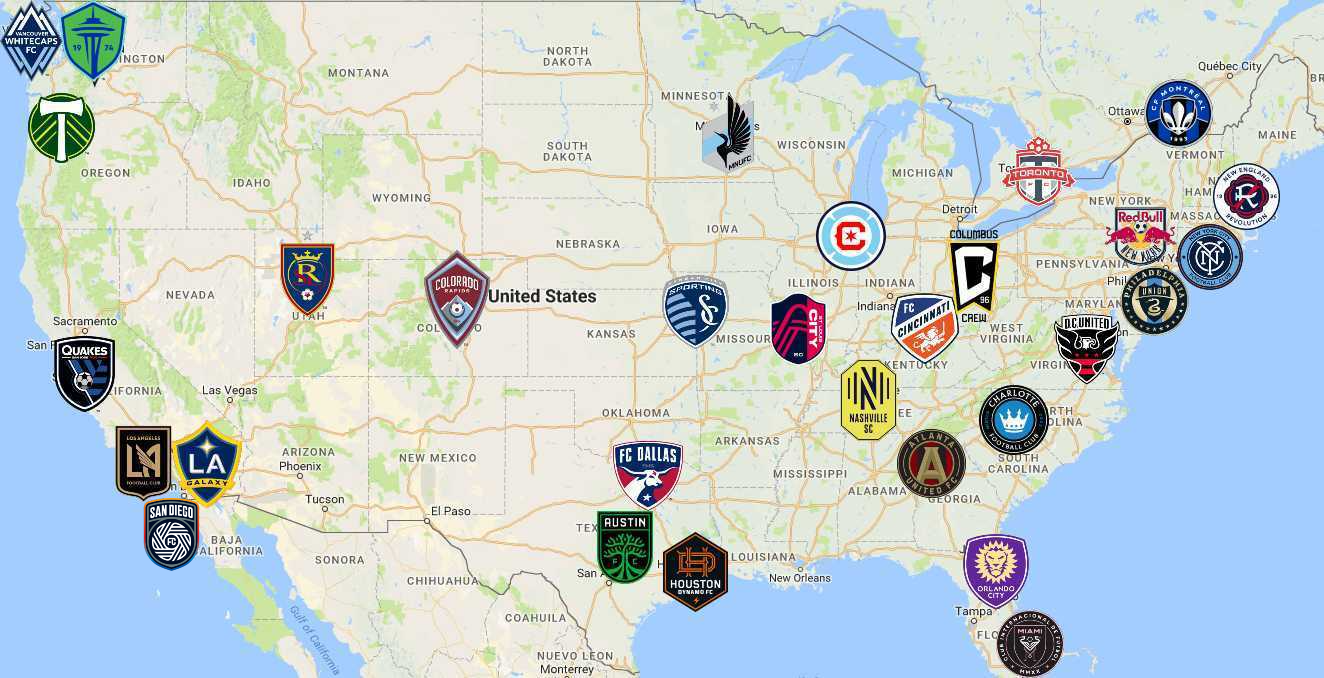
Major League Soccer (MLS) represents a compelling case study in brand development and market expansion within the highly competitive global sports landscape. Far beyond a simple count, the number of MLS soccer teams serves as a tangible metric of the league’s deliberate and successful brand strategy. As of the 2024 season, MLS boasts 29 teams, with a 30th team, San Diego FC, slated to join in 2025. This steady proliferation isn’t merely an organic sprawl but a calculated approach to deepen market penetration, diversify its audience, and solidify its corporate identity as a premier sports entertainment product in North America. Each new franchise is not just an addition to the league roster; it is a new local brand entity, a fresh point of market entry, and an expansion of the overarching MLS brand footprint. The league’s journey from a modest 10 teams in its inaugural 1996 season to nearly three times that number today illustrates a sustained vision for growth, driven by a clear understanding of brand power and market segmentation. This strategic expansion underlines MLS’s commitment to becoming a ubiquitous presence across the United States and Canada, transforming niche interest into mainstream appeal through localized brand cultivation.
Franchise Expansion as a Core Brand Strategy
The decision to expand a professional sports league is always a complex one, involving financial, logistical, and competitive considerations. However, at its heart, MLS expansion has been a masterclass in brand strategy, leveraging new markets to strengthen the league’s overall identity and appeal.
Market Penetration and Local Identity
Each new MLS team represents a strategic move to penetrate a specific geographic market, establishing a local brand identity that resonates with the community. Unlike sports brands that might rely solely on national appeal, MLS has recognized the profound power of local connection. By granting new franchises to cities like Austin, Nashville, Charlotte, and St. Louis, the league has tapped into distinct regional cultures and created immediate, hyper-local fan bases. These new teams are not just generic sports clubs; they are carefully crafted brands that adopt local colors, symbols, and narratives. For instance, St. Louis City SC’s brand identity is deeply interwoven with the city’s rich soccer history and civic pride. This hyper-localization strategy transforms passive interest into active allegiance, as fans adopt “their” team as a genuine reflection of their city. This decentralized branding approach strengthens the overall MLS brand by creating a patchwork of vibrant, engaged communities, each contributing to the league’s diverse and dynamic image. It allows the league to tell a myriad of stories, making the MLS brand more relatable and accessible to a wider demographic than a purely monolithic national brand might achieve.
Diversifying the League’s Portfolio
The expansion strategy also serves to diversify the league’s brand portfolio. By adding teams in varied geographic locations and demographic markets, MLS mitigates risks associated with over-reliance on any single region or fan segment. The presence of teams across different time zones, cultural hubs, and economic landscapes ensures a broader appeal and a more robust fan base. From the bustling metropolises with diverse immigrant populations who bring a deep-seated love for soccer, to emerging tech hubs and traditional sports markets, each new franchise broadens the league’s narrative. This diversification enriches the competitive fabric of the league, creating new rivalries and compelling storylines that captivate different audiences. Moreover, it allows the MLS brand to tap into various consumer profiles, from the casual sports viewer to the ardent supporter of international soccer, positioning the league as a truly North American phenomenon that embraces global influences while maintaining a distinct local flavor. This approach cultivates a richer, more resilient brand ecosystem, less susceptible to localized market fluctuations and more capable of sustained growth.
Building a Cohesive League Identity Through Diverse Brands
The growth of MLS poses a fascinating challenge for brand architects: how to maintain a cohesive league identity while simultaneously allowing individual team brands to flourish. The league has managed this delicate balance with considerable skill, creating a brand architecture that supports both centralized messaging and localized flair.
Balancing Centralized Messaging with Localized Flair

MLS operates under a single-entity structure, which provides a strong foundation for centralized brand messaging, league-wide marketing campaigns, and consistent quality standards. The MLS crest, league slogans, and major media partnerships reinforce a unified brand promise. However, within this overarching framework, each individual team is given significant autonomy to develop its unique brand identity. This includes distinct logos, color schemes, kits, stadium experiences, and community engagement initiatives. For example, while the league promotes a dynamic, youthful image of soccer, teams like Portland Timbers cultivate a rustic, Pacific Northwest aesthetic, and LA Galaxy projects a glamorous, Hollywood-infused persona. This careful balance ensures that fans feel a strong connection to their local club’s brand, which then acts as an entry point to the broader MLS brand. The league benefits from the grassroots loyalty cultivated by individual team brands, which in turn elevates the collective brand equity of MLS. It’s a symbiotic relationship where localized brand strength contributes to, and is reinforced by, the league’s consolidated identity.
The Role of Stadiums and Fan Experience in Brand Building
Central to the brand strategy of MLS and its teams is the development of purpose-built soccer-specific stadiums. These venues are not just playing fields; they are brand temples, meticulously designed to enhance the fan experience and solidify team identities. The architecture, amenities, and atmosphere of stadiums like Banc of California Stadium (now BMO Stadium for LAFC) or GEODIS Park (Nashville SC) are integral components of their respective club brands. They create immersive environments that amplify the unique culture of each team and city. The match-day experience – from pre-game tailgates and supporter group marches to in-stadium chants and post-game celebrations – is carefully curated to build emotional connections and foster a sense of belonging. This focus on experiential branding transforms attendance from a mere spectator event into active participation, cultivating deep fan loyalty. When fans engage with a team’s brand through such rich, sensory experiences, it strengthens their bond not just with the individual club but also with the league as a whole, perceiving MLS as a league that prioritizes fan culture and community.
The Commercial Impact of an Expanding Brand Footprint
The strategic expansion of MLS teams has profound commercial implications, directly enhancing the league’s attractiveness to investors, sponsors, and media partners. The increasing number of teams directly translates into a larger market footprint and a more valuable brand.
Attracting Sponsorships and Media Deals
A growing league with an expanding number of teams inherently offers a more compelling proposition to corporate sponsors and media broadcasters. More teams mean more games, more diverse fan bases, and greater geographic reach, all of which translate into increased viewership and engagement opportunities. For sponsors, partnering with MLS provides access to a young, diverse, and affluent demographic that is actively growing. The league’s ability to offer national brand exposure through its centralized marketing efforts, combined with localized activation opportunities through individual team sponsorships, creates a highly attractive dual-pronged approach. Major brands like Apple (with its unprecedented global media rights deal) and Audi have invested heavily in MLS, recognizing its growth trajectory and its ability to connect with a valuable consumer segment. This influx of capital from major partnerships not only validates the league’s brand strength but also provides the resources necessary to continue investing in player talent, infrastructure, and marketing, further fueling the cycle of brand growth and commercial success.
Valuations and Investment in Team Brands
The robust expansion and rising profile of MLS have also led to a significant appreciation in the valuation of its franchises. What began as relatively modest investments have blossomed into multi-hundred-million-dollar enterprises, attracting high-profile ownership groups, including celebrities, business magnates, and sports legends. The high cost of expansion fees – exceeding $300 million for recent additions – is a clear indicator of the perceived brand value and future potential of an MLS franchise. Owners are not just buying a sports team; they are investing in a growing brand, a community asset, and a piece of a league with ascending brand equity. This investment is then channeled back into the team’s brand, through state-of-the-art training facilities, player acquisitions, and sophisticated marketing efforts, all designed to enhance the team’s performance both on and off the field. The commitment of these influential owners to develop strong local brands, supported by significant capital, is a testament to the league’s successful brand positioning and its promising long-term outlook.

Future Trajectory: Sustaining Brand Growth and Relevance
Looking ahead, the question of “how many MLS soccer teams are there” will continue to evolve, with further expansion reportedly on the horizon. The league’s sustained success hinges on its ability to manage this growth effectively while maintaining the integrity and appeal of its brand.
The current strategy suggests a continued focus on carefully selected markets that demonstrate strong fan interest, demographic potential, and local ownership commitment. Each new team will be tasked with not just competing on the field but also with cultivating a distinct and beloved local brand that contributes to the larger MLS narrative. The challenge will be to ensure that rapid expansion does not dilute the quality of play, the fan experience, or the overall brand prestige. Maintaining a competitive balance across an increasing number of teams, ensuring consistent brand standards, and innovating in how the league engages its ever-growing audience will be critical. Ultimately, the future trajectory of MLS as a leading global soccer brand will depend on its continued ability to strategically grow its footprint, empower its diverse local team brands, and deliver a compelling, high-quality product that resonates with millions of fans across North America and beyond. The journey of MLS from a nascent league to a burgeoning powerhouse is a masterclass in how purposeful brand strategy, executed through thoughtful expansion, can transform a sports entity.
aViewFromTheCave is a participant in the Amazon Services LLC Associates Program, an affiliate advertising program designed to provide a means for sites to earn advertising fees by advertising and linking to Amazon.com. Amazon, the Amazon logo, AmazonSupply, and the AmazonSupply logo are trademarks of Amazon.com, Inc. or its affiliates. As an Amazon Associate we earn affiliate commissions from qualifying purchases.