
The Home Depot stands as a titan of the American retail landscape, a ubiquitous presence characterized by its signature orange branding and cavernous, warehouse-style locations. For consumers, the brand represents a one-stop-shop for everything from lightbulbs to lumber. For brand strategists and corporate analysts, however, the sheer number of Home Depot stores in the United States serves as a masterclass in market saturation, logistical excellence, and brand identity. As of the most recent fiscal reporting periods, The Home Depot operates approximately 2,000 stores across the United States, including its territories. This massive footprint is not merely a collection of retail outlets; it is the physical manifestation of a brand strategy designed to dominate the home improvement sector through accessibility, reliability, and scale.
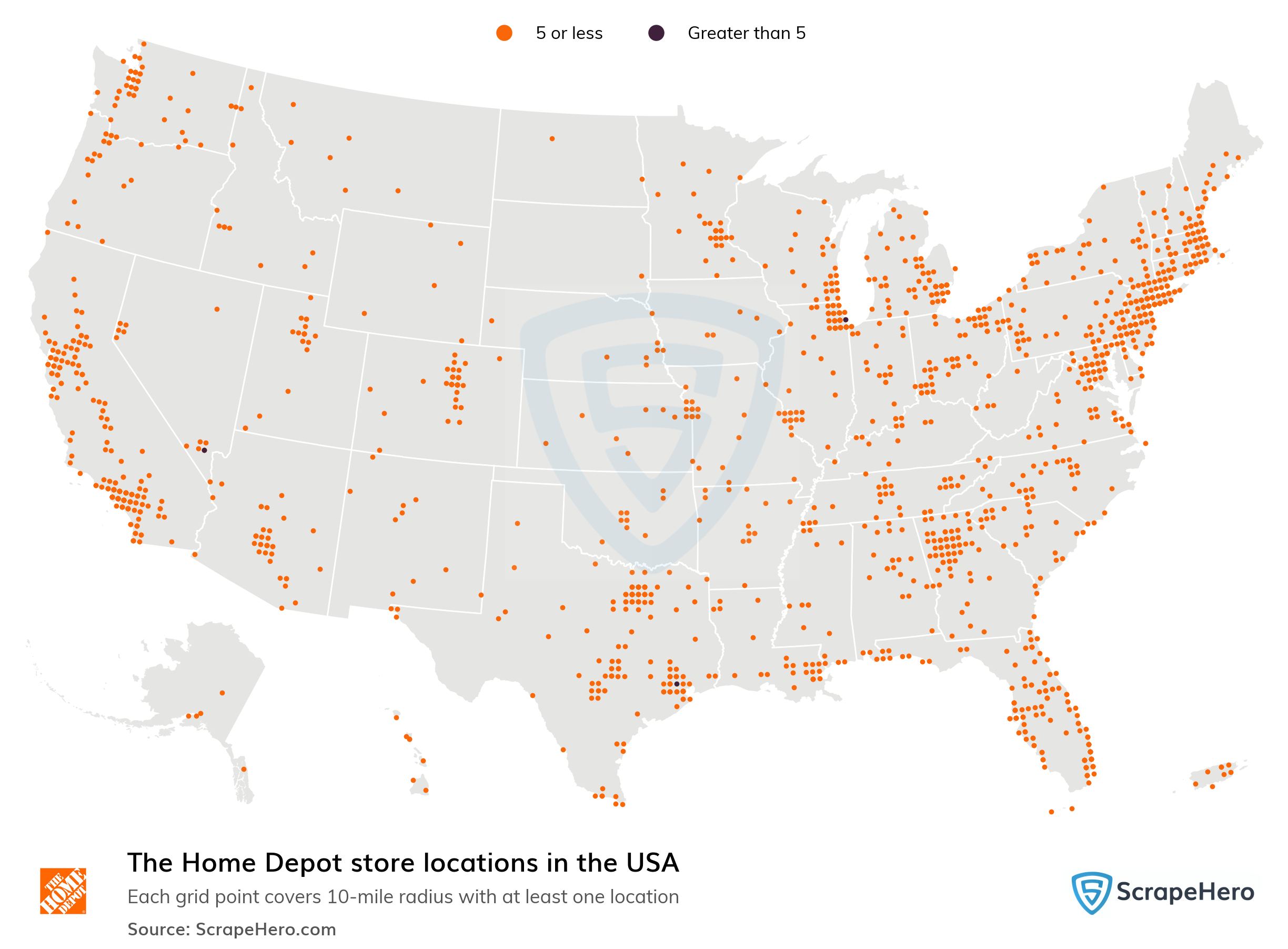
The Strategic Distribution of Home Depot’s Retail Identity
The distribution of Home Depot stores across the U.S. is a deliberate reflection of the company’s corporate identity. Unlike brands that focus on niche markets or boutique experiences, The Home Depot thrives on volume and visibility. Its brand strategy is built on the premise of being the “pro’s choice” while remaining accessible to the weekend DIYer. To achieve this, the brand must be geographically proximate to its target demographics.
Regional Domination and Market Saturation
When analyzing the density of Home Depot locations, a clear pattern emerges. The brand prioritizes high-growth metropolitan areas and suburban sprawls where homeownership rates are high and renovation activity is constant. States with massive populations and booming real estate markets, such as California, Texas, Florida, and New York, hold the highest concentrations of stores.
In these regions, the brand does not just exist; it dominates the visual environment. This saturation is a core component of Home Depot’s marketing strategy. By having a store within a 10-to-15-minute drive of most suburban households, the company reduces the barrier to entry for consumers. The physical presence of the store acts as a permanent, high-impact billboard, reinforcing brand recall every time a homeowner drives to work or the grocery store.
The Psychology of the Big Box Presence
The “Big Box” format is central to the Home Depot brand identity. While other retailers have experimented with smaller, “express” formats, Home Depot has largely leaned into the warehouse aesthetic. This choice is strategic. The vast aisles and towering shelves communicate a brand message of “infinite inventory” and “authority.” When a customer enters one of the 2,000+ U.S. locations, the environment is designed to suggest that if a solution to their home improvement problem exists, it is within these four walls. This psychological anchoring builds immense brand loyalty, particularly among professional contractors who value the reliability of finding specialized equipment in stock across any location in the country.
Quantifying Success: Current Store Counts and Growth Projections
To understand the brand’s reach, one must look at the hard data. The Home Depot operates in all 50 states, the District of Columbia, Guam, Puerto Rico, and the U.S. Virgin Islands. While the total number of stores in North America (including Canada and Mexico) exceeds 2,300, the U.S. remains the heart of the operation.
Breaking Down the Numbers by State
California typically leads the count with nearly 250 stores, followed closely by Texas and Florida. These three states alone account for a significant portion of the brand’s domestic revenue. The strategic placement in these states aligns with demographic trends: high rates of new construction, frequent climate-related repairs (particularly in Florida and the Gulf Coast), and a culture of home equity investment.
The brand’s presence in smaller markets is equally vital. Even in states with lower populations, Home Depot maintains a foothold to prevent competitors from establishing a regional monopoly. This “defensive” branding ensures that the orange logo remains the standard-bearer for home improvement regardless of geography.
Urban vs. Suburban Branding Strategies
In recent years, the brand has had to adapt its identity to fit urban environments. In cities like New York, Chicago, and Los Angeles, the traditional 100,000-square-foot warehouse is often logistically impossible. Home Depot’s brand strategy in these areas involves multi-level stores or slightly specialized inventories that cater to the needs of apartment dwellers and urban property managers. Despite these modifications, the core brand identity—the “Orange Apron” service and the industrial aesthetic—remains consistent, ensuring that the brand experience is seamless whether the customer is in a rural town or a dense metropolis.

Brand Consistency Across 2,000+ Locations
One of the greatest challenges for a retail giant with thousands of locations is maintaining a unified brand identity. The Home Depot has achieved a level of consistency that is often compared to the likes of McDonald’s or Starbucks. Whether a customer walks into a store in Maine or Hawaii, the experience is remarkably similar.
The Visual Identity of the Orange Apron
The most potent symbol of the Home Depot brand is the orange apron. It is more than a uniform; it is a corporate identity tool that symbolizes expertise, approachability, and hard work. The brand mandates that associates across all 2,000+ stores embody the “values-based” culture established by founders Bernie Marcus and Arthur Blank. This focus on “hiring for attitude and training for skill” ensures that the brand promise of expert advice is delivered consistently across the entire U.S. footprint.
Omnichannel Integration: Merging Digital and Physical Brand Assets
The store count is no longer just about foot traffic; it is about serving as a hub for the brand’s “interconnected retail” strategy. In the modern era, Home Depot’s physical stores function as distribution centers for online orders. Over 50% of the brand’s online orders are picked up in-store.
This integration is a brilliant marketing maneuver. It uses the massive store count to solve the “last-mile” delivery problem that plagues many e-commerce giants. By encouraging customers to pick up orders at their local store, Home Depot creates an opportunity for “attachment selling”—where a customer coming in for a pre-ordered faucet ends up buying plumbing tape and a new wrench. This synergy between the digital app and the physical store count reinforces the brand as a modern, tech-savvy leader in a traditionally “low-tech” industry.
The Future of the Home Depot Brand Footprint
As the U.S. retail landscape evolves, the question arises: is there a limit to how many Home Depot stores the market can support? While the pace of new store openings has slowed compared to the rapid expansion of the 1990s and 2000s, the brand’s growth strategy has shifted from “more stores” to “better stores.”
Expansion into New Market Segments
The Home Depot is currently focusing on capturing a larger share of the “Pro” market—contractors, renovators, and property managers who represent a disproportionately high percentage of sales. To support this, the brand is investing in “Flatbed Distribution Centers” and specialized Pro-focused stores. This evolution of the physical footprint demonstrates a flexible brand strategy that prioritizes high-value customer segments over raw store count.
Furthermore, the brand is increasingly looking at the “Home Services” market. By leveraging its 2,000+ locations as bases for installation services (roofing, flooring, HVAC), Home Depot is moving beyond being a mere supplier. It is positioning its brand as a full-service partner in the lifecycle of a home.
Adapting to the Modern Consumer
The brand’s future identity is also being shaped by sustainability and technology. Modernized stores are incorporating energy-efficient lighting, solar panels, and more efficient waste management systems. These changes are subtle but crucial for a corporate identity that seeks to appeal to younger, more environmentally conscious homeowners.
In addition, the implementation of HDMS (Home Depot Management System) and advanced inventory AI ensures that the brand’s vast network of stores operates with surgical precision. For the consumer, this means the brand is always reliable; the product is always there, and the price is always competitive.
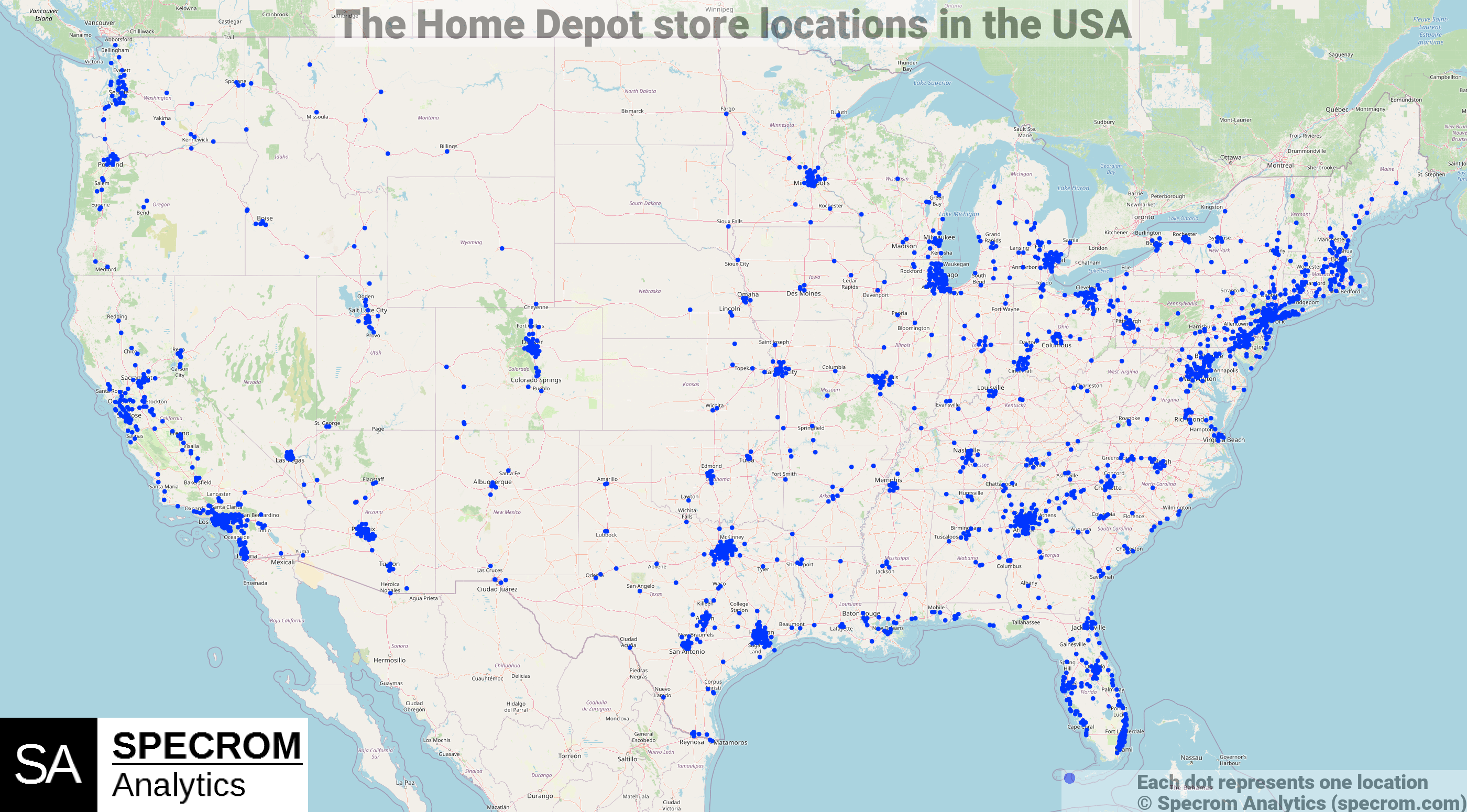
Conclusion: The Power of Presence
In the world of brand strategy, physical presence is a form of power. The approximately 2,000 Home Depot stores in the U.S. are more than just retail points; they are the pillars of a multi-billion dollar corporate identity. They represent a commitment to the American homeowner and the professional tradesperson. By maintaining a massive, consistent, and strategically distributed footprint, The Home Depot has ensured that its brand is synonymous with the very concept of home improvement. As the company continues to innovate through its interconnected retail model, its physical stores will remain its most significant asset, serving as the tangible touchpoints for a brand that shows no signs of relinquishing its market dominance.
aViewFromTheCave is a participant in the Amazon Services LLC Associates Program, an affiliate advertising program designed to provide a means for sites to earn advertising fees by advertising and linking to Amazon.com. Amazon, the Amazon logo, AmazonSupply, and the AmazonSupply logo are trademarks of Amazon.com, Inc. or its affiliates. As an Amazon Associate we earn affiliate commissions from qualifying purchases.