
The question “how many games in the MLS season?” elicits a straightforward factual answer: each of the current 29 Major League Soccer (MLS) teams plays 34 regular season matches. However, this seemingly simple number belies a profoundly complex and strategically engineered financial framework that underpins the entire league. Far from being an arbitrary figure, the 34-game schedule is a meticulously crafted financial blueprint, dictating revenue streams, operational costs, investment strategies, and the overall economic health of one of the fastest-growing professional sports leagues in North America. For clubs, investors, and even local economies, understanding the financial implications of this game count is paramount to appreciating the business of soccer in the modern era.
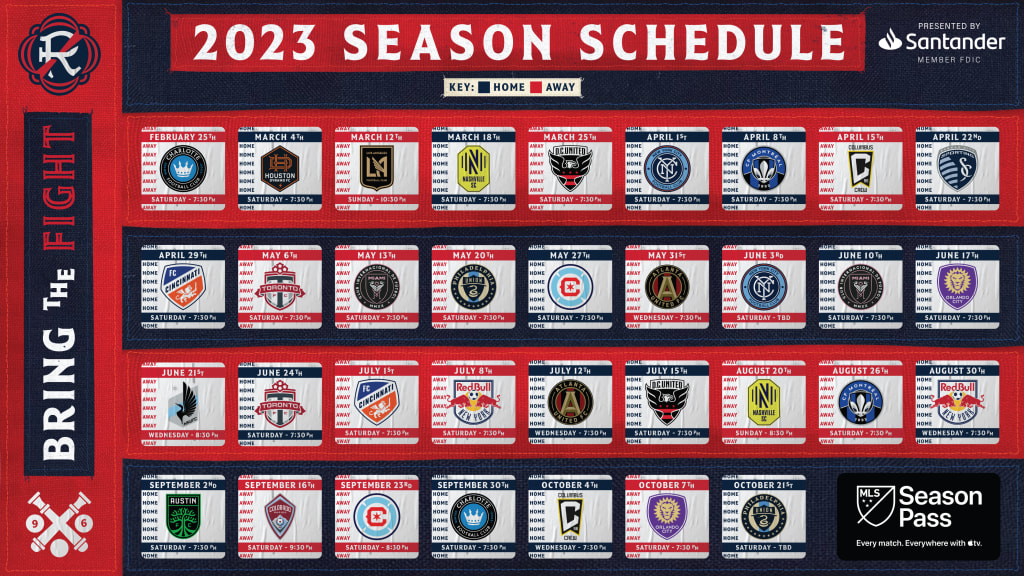
This article delves into the financial intricacies woven into the MLS season structure, exploring how every match translates into opportunities for revenue generation, meticulous cost management, strategic investment, and sustained growth. From ticket sales and broadcast deals to player salaries and the ripple effect on local economies, the 34-game season is not just a sporting calendar, but a sophisticated financial engine driving the MLS towards its ambitious future.
The Core Financial Engine: Revenue Generation per Game
Each of the 34 regular season games represents a distinct financial event, contributing to the league’s and individual clubs’ bottom lines through a multi-faceted approach to revenue generation. The sheer volume of games provides consistent opportunities for monetization, making the season length a critical component of financial planning.
Ticket Sales and Matchday Revenue
For any sports team, home games are the most direct and impactful source of revenue. With 17 home matches out of 34, MLS clubs rely heavily on ticket sales, which are meticulously managed to maximize income. Strategies range from enticing season ticket packages, offering guaranteed attendance and loyalty benefits, to dynamic pricing for individual games, where demand (based on opponent, day of the week, and team performance) dictates ticket costs. Beyond the initial gate receipts, matchday revenue extends to in-stadium expenditures: concessions, merchandise sales, and parking. These often represent significant profit margins. Furthermore, premium seating, corporate suites, and hospitality packages cater to higher-spending fans and businesses, providing substantial revenue streams that are crucial for overall financial viability, directly linked to the number of home game opportunities.
Broadcast Rights and Media Deals
The collective value of the MLS season is most evident in its centralized broadcast rights agreements. The league’s landmark 10-year partnership with Apple TV, alongside deals with traditional broadcasters like FOX and TSN/RDS, underscores the financial muscle of a comprehensive 34-game schedule. These agreements generate significant revenue for the league, which is then distributed to its member clubs. Each game, therefore, contributes to the overall valuation of these media rights. The more games available, the more content for broadcasters, increasing the attractiveness and price point of these deals. This model not only provides a stable, recurring income stream but also enhances the league’s global visibility, drawing in new fans and potential future revenue streams from international markets. The strategic scheduling of 34 games allows for a consistent content pipeline, crucial for a subscription-based model like Apple TV Season Pass.
Sponsorships and Partnerships
A full 34-game season offers an extensive canvas for corporate partnerships and sponsorships, which constitute another foundational pillar of MLS club and league finances. These deals range from prominent league-wide sponsors (e.g., Adidas, Audi) to club-specific agreements, including jersey sponsors, stadium naming rights, and various in-stadium activations. The consistent exposure across 34 games, amplified by broadcast reach and fan engagement, provides immense value to sponsoring brands. Companies invest heavily for the opportunity to align with teams, connect with fan bases, and leverage the emotional appeal of soccer. The number of games directly translates into marketing impressions, event participation opportunities, and data collection points, all of which are factored into sponsorship valuations, making the extensive season a powerful asset for attracting and retaining corporate partners.
Navigating the Costs: Operational Expenses and Player Investments
While the 34-game season is a wellspring of revenue, it also necessitates substantial and meticulously managed expenditures. Every match incurs a host of operational costs, and the investment in player talent, both immediate and long-term, represents the most significant outlay for clubs and the league.
Club Operations and Game Day Logistics
Executing a 34-game season involves considerable operational costs for each club. Home games require expenditures for stadium rent or maintenance, utilities, security personnel, medical staff, and a vast array of game day operations staff, from ushers to concessions workers. For away games, clubs face significant travel expenses including flights, accommodation, and ground transportation for players and support staff. Beyond game days, there are year-round costs for training facilities, equipment, sports science technology, and administrative personnel. The efficiency with which these logistics are managed directly impacts a club’s profitability, making cost control a constant priority alongside revenue generation.
Player Salaries and Performance Incentives
The largest single expenditure for most professional sports clubs, including those in MLS, is player compensation. The league operates under a single-entity structure with a salary cap, designed to promote competitive balance and financial sustainability. However, mechanisms like the Designated Player (DP) rule, General Allocation Money (GAM), and Targeted Allocation Money (TAM) allow clubs to invest significantly in top-tier talent beyond the standard cap. Each of the 34 games is an opportunity for these players to perform, justify their salaries, and potentially earn performance-based bonuses tied to goals, assists, clean sheets, or team achievements like playoff qualification. Furthermore, clubs invest heavily in youth academies and player development programs, viewing these as long-term financial assets that can either contribute to the first team or be sold for profit in the global transfer market, adding another layer to the strategic financial planning surrounding player investments.

League Administration and Growth Initiatives
Beyond individual club finances, the 34-game season provides the economic justification for the significant operational budget of the league itself. MLS administration oversees central marketing, broadcasting operations, data collection, regulatory enforcement, and strategic expansion. Funds generated from expansion fees (new teams pay substantial sums to join the league) and a portion of broadcast/sponsorship revenues are reinvested into these areas. These initiatives, from VAR implementation to league-wide youth development programs and technological infrastructure, are all designed to enhance the quality and value of the product across those 34 games and beyond, ensuring the league’s continued growth and financial stability.
The Economic Ripple Effect: Beyond the Stadium Gates
The financial impact of a 34-game MLS season extends far beyond the direct revenues and expenditures of the clubs and the league. Each match, especially home fixtures, acts as a catalyst for broader economic activity, creating jobs, stimulating local businesses, and generating tax revenues for host cities and regions.
Local Economic Impact
When an MLS team plays a home game, it draws thousands of fans to the stadium and its surrounding areas. This influx of people directly benefits local economies through increased spending at restaurants, bars, hotels, retail shops, and transportation services. Away fans traveling to support their team contribute significantly to tourism revenue. Moreover, the existence of an MLS club creates numerous direct and indirect jobs—stadium staff, security, hospitality workers, team employees, and even jobs in ancillary industries that support the club’s operations. This continuous cycle of economic activity, repeated 17 times a year per city, translates into substantial tax revenues for municipal and state governments, which can then be reinvested into public services and infrastructure.
Investing in Future Growth: Expansion and Infrastructure
The financial success driven by the consistent 34-game season schedule has fueled the league’s ambitious expansion plans. Each new franchise pays a substantial expansion fee (now exceeding $300 million), representing a significant investment into the league’s central coffers. These funds are crucial for driving further growth, improving central services, and attracting more talent. Furthermore, new franchises often come with commitments to build state-of-the-art stadiums and training facilities. These construction projects represent massive capital investments that create thousands of temporary jobs and often spur significant urban revitalization and development in their surrounding areas. The ongoing investment in infrastructure, directly linked to the league’s expansion and financial health, serves as a powerful testament to the economic confidence in the MLS model.
Strategic Financial Planning: Maximizing Return on Investment
The 34-game season presents a complex financial landscape that demands sophisticated strategic planning from clubs and the league alike. Balancing immediate financial returns with long-term sustainability, while constantly adapting to a dynamic market, is key to maximizing return on investment.
Data Analytics for Financial Performance
In an increasingly data-driven world, MLS clubs and the league leverage advanced analytics to optimize financial performance across the 34-game season. This includes using historical attendance data and predictive modeling to set optimal ticket prices, tailoring marketing campaigns for specific demographics, and understanding fan purchasing habits for merchandise and concessions. On the player side, analytics inform scouting and recruitment decisions, helping clubs identify talent that provides maximum on-field value within salary cap constraints. By meticulously tracking key performance indicators (KPIs) for every game, clubs can measure the return on investment for sponsorships, marketing initiatives, and operational efficiencies, continuously refining their financial strategies.
Balancing Competitiveness and Financial Prudence
One of the ongoing challenges in a salary-capped league like MLS is balancing the desire for on-field competitiveness with the need for financial prudence. Clubs must strategically allocate their budgets to attract and retain top talent (D.P.s, TAM/GAM players) without jeopardizing their long-term financial health. The 34-game season provides a consistent proving ground for player performance, allowing management to assess value and make informed decisions about contracts and transfers. Success on the pitch (regular season success, playoff qualification, CONCACAF Champions Cup participation) often correlates with increased revenue from gate receipts, merchandise, and potentially greater broadcast exposure, creating a virtuous cycle where sporting success can drive financial prosperity, provided the initial investments are managed judiciously.

The Evolving Financial Landscape of Global Soccer
The 34-game MLS season is strategically positioned within the broader, increasingly globalized financial landscape of professional soccer. The league’s structured growth model, financial stability, and appealing market (North America) make it an attractive destination for international investors and players. While still behind the financial might of Europe’s top leagues, the MLS is carving out a unique financial identity, emphasizing sustainable growth, fan engagement, and a compelling product. The number of games allows for ample opportunities to showcase talent, attract global viewership, and generate substantial revenue, all of which are critical for increasing the league’s financial standing and competitiveness on the international stage.
The “how many games” question, therefore, transcends a simple statistical answer. The 34-game MLS season is a meticulously engineered financial framework, designed to balance revenue generation with operational costs, stimulate local economies, and strategically invest in future growth. Every match is an economic event, contributing to a complex ecosystem that drives the league’s value, sustainability, and ambitious trajectory. For investors, businesses, and indeed, every fan, understanding this financial interplay offers a deeper appreciation for the intricate business of professional soccer in North America.
aViewFromTheCave is a participant in the Amazon Services LLC Associates Program, an affiliate advertising program designed to provide a means for sites to earn advertising fees by advertising and linking to Amazon.com. Amazon, the Amazon logo, AmazonSupply, and the AmazonSupply logo are trademarks of Amazon.com, Inc. or its affiliates. As an Amazon Associate we earn affiliate commissions from qualifying purchases.