
The Major League Soccer (MLS) season is a dynamic and evolving spectacle, captivating millions of fans across North America and beyond. A seemingly straightforward question—”how many games are in an MLS season?”—unveils a complex tapestry of financial considerations that dictate the league’s operational strategies, revenue streams, and long-term sustainability. The answer, at its core, is 34 regular season matches for each club, but this figure is merely the starting point for a deeper dive into the significant economic levers at play.
In the intricate world of professional sports, the number of games scheduled is not arbitrary; it is a meticulously crafted decision, balancing athletic competition with critical business objectives. From maximizing broadcast rights and ticket sales to managing player welfare and controlling vast operational expenditures, every match, every tournament, and every scheduling choice carries substantial financial weight. For MLS, a league still in a significant growth phase, understanding these financial implications is paramount to its continued expansion and success.
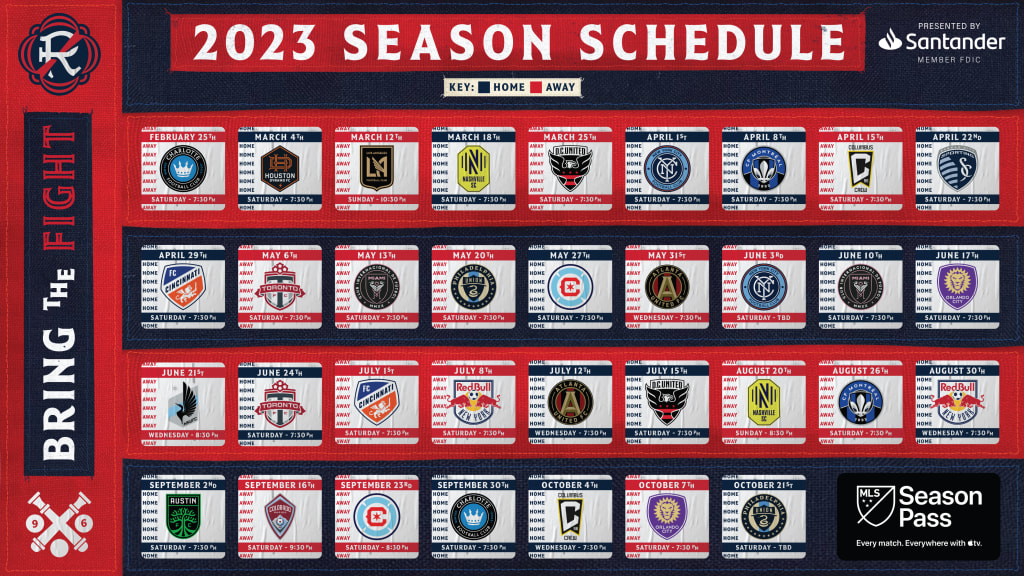
The MLS Season Structure: A Foundation for Financial Strategy
The structure of the MLS season is the bedrock upon which its entire financial model is built. Each component, from the extensive regular season to the high-stakes playoffs and emerging cross-league tournaments, is designed to generate distinct revenue streams and strategic value.
Regular Season: The Core Revenue Generator
At the heart of the MLS financial engine is the regular season. Each of the league’s 29 teams (as of 2024, with more expansion on the horizon) plays 34 matches. This substantial schedule ensures a consistent flow of content for fans and, crucially, a steady stream of revenue for clubs and the league. These 34 games are divided between 17 home matches and 17 away matches, a crucial distinction for financial planning.
Home matches are the primary drivers of direct club-level revenue. Ticket sales, varying widely based on market size, team popularity, and opponent, form a significant portion of a team’s annual income. Beyond the gate, in-stadium expenditures—concessions, merchandise, parking, and premium hospitality services—represent highly profitable revenue streams. A consistent schedule of 17 home games allows clubs to project and optimize these earnings through various pricing tiers, season ticket packages, and promotional events.
Furthermore, the sheer volume of regular season matches is a cornerstone for broadcast rights agreements. The more games available, the more valuable the content package for broadcasters like Apple TV (with its MLS Season Pass) and other regional or international partners. These agreements, often multi-year and worth hundreds of millions of dollars, are central to the league’s financial stability, providing guaranteed income that is distributed among clubs. Sponsors, too, are attracted to the extended visibility that a long regular season provides, seeking consistent brand exposure through stadium signage, jersey sponsorships, and digital integrations across 34 game weeks.
Playoffs and Leagues Cup: Expanding the Financial Footprint
Beyond the regular season, additional competitions significantly expand MLS’s financial footprint, offering both high-value revenue opportunities and strategic growth avenues.
The MLS Cup Playoffs represent the pinnacle of the domestic season. Qualification for the playoffs not only offers sporting prestige but also a substantial financial boost. Playoff games, especially those hosted at home, generate premium ticket prices, heightened demand, and increased media attention. The narrative intensity of knockout football amplifies viewership, leading to higher ad revenue for broadcasters and lucrative sponsorship activation opportunities. Teams that go deep into the playoffs often see a significant bump in their annual revenue, offsetting some operational costs and contributing to future investments. The league also benefits from increased media rights valuation tied to the excitement and drama of the postseason.
Adding another layer of financial complexity and opportunity is the Leagues Cup. This innovative tournament, launched in a revamped format in 2023, pits all MLS teams against all teams from Mexico’s Liga MX in a World Cup-style competition. While the number of games for each MLS team in the Leagues Cup varies based on their progression (typically 2-7 additional matches), its financial impact is profound. Leagues Cup offers:
- New Market Penetration: Tapping into the massive Mexican and Hispanic fan base in North America, expanding viewership and potential sponsorship deals.
- Increased Broadcast Value: The tournament provides exclusive, high-stakes content for global broadcast partners, enhancing the overall value of MLS media rights, particularly the Apple TV MLS Season Pass, which includes all Leagues Cup matches.
- International Appeal: Raising the profile of MLS on an international stage, attracting new fans and investors.
- Enhanced Commercial Opportunities: Providing additional inventory for sponsors and new avenues for merchandise sales, especially with cross-league branding.
These supplementary competitions are not merely sporting events; they are calculated financial strategies to diversify revenue, enhance brand visibility, and accelerate the league’s growth trajectory.
Economic Levers: How Game Count Influences MLS’s Bottom Line
The chosen number of games in an MLS season and its complementary tournaments acts as a critical economic lever, directly influencing both revenue maximization and cost management for the league and its clubs.
Revenue Maximization vs. Player Welfare and Fan Engagement
The primary business objective for any professional sports league is to maximize revenue. On the surface, more games appear to directly correlate with more revenue opportunities: more tickets, more broadcast content, more sponsorship slots. However, this is a delicate balancing act. There’s a point of diminishing returns where increasing the game count can lead to:
- Player Fatigue and Injury Risk: An overly congested schedule can lead to physical and mental burnout, increasing the risk of injuries. Injuries sideline star players, impacting team performance, fan interest, and ultimately, the marketability of the product. Investing in robust medical staff and recovery protocols becomes a significant operational cost.
- Fan Saturation: While passionate, fans have limits to their time and disposable income. Too many games might lead to a dilution of interest, lower attendance for individual matches, and decreased broadcast viewership. The novelty and excitement of each game could diminish if the schedule feels relentlessly long.
- Quality of Play: Tired players often lead to a lower quality of play, which can negatively impact the league’s reputation and long-term fan engagement.
MLS, like other major leagues, uses sophisticated data analytics and financial modeling to optimize its schedule. This involves analyzing ticket demand elasticity, viewership trends, player performance metrics, and injury rates to find the “sweet spot” that maximizes profitability without compromising the integrity of the sport or the long-term health of its athletes and fan base. The current 34-game season, supplemented by playoffs and Leagues Cup, represents this carefully considered equilibrium, designed to provide ample product without over-saturating the market.
Operational Costs and Efficiency

Each game played in an MLS season is not just a revenue generator; it’s also a significant source of operational cost. Understanding these expenditures is vital for managing a club’s or the league’s financial health.
- Team Travel: With clubs spread across the United States and Canada, travel costs (flights, accommodation, ground transportation) are substantial. A 17-game away schedule means extensive logistics and financial outlay.
- Stadium Operations: Every home game requires significant investment in stadium staff (security, ushers, concessions, cleaning crew), utilities (lighting, heating/cooling), pitch maintenance, and game-day production. These fixed and variable costs accumulate rapidly over a season.
- Player Salaries and Staff Wages: While not directly tied to each game, the overall length of the season and the demands placed on players and coaching staff influence salary structures and roster sizes. A longer season typically necessitates deeper squads and more comprehensive support staff, increasing wage bills.
- Referee and Match Official Fees: Each match requires a team of officials, whose fees contribute to the overall game-day expenses.
- Medical and Performance Staff: With the emphasis on player welfare and injury prevention, clubs invest heavily in sports scientists, physiotherapists, doctors, and nutritionists, whose costs are spread across the demanding season.
Efficient financial management involves constant efforts to optimize these costs without compromising quality. This can include negotiating bulk travel deals, implementing energy-efficient stadium practices, and leveraging technology to streamline operations. The league’s growth, including increased revenue, allows for greater investment in these areas, professionalizing the entire operation and enhancing the financial stability of its clubs.
The Player Perspective: Salaries, Contracts, and Game Count
For the athletes themselves, the number of games in an MLS season directly impacts their earning potential, career trajectory, and overall financial security.
Performance, Exposure, and Earning Potential
A longer season with more games provides players with increased opportunities to showcase their talent, rack up statistics, and earn performance-based bonuses. Player contracts often include clauses tied to games played, goals scored, assists, clean sheets, or team achievements (e.g., playoff qualification, winning the MLS Cup). These incentives directly link individual and team performance to financial rewards.
More games also translate to greater exposure. For standout performers, this means increased visibility to national team selectors, international clubs (potentially leading to lucrative transfer fees), and endorsement opportunities. A high-profile season across 34 regular season games plus additional tournament matches significantly enhances a player’s brand value and long-term earning potential, creating a direct financial incentive for consistent top-tier performance.
Injury Risk and Long-Term Financial Impact
Conversely, the demanding schedule inherent in a long season carries significant injury risk. A career-altering injury can have devastating financial consequences for a player, impacting current contract earnings, future contract value, and post-playing career opportunities. While clubs provide medical care and insurance, the long-term financial stability of a player is heavily reliant on their ability to remain healthy and perform.
The MLS Players Association (MLSPA) plays a crucial role in negotiating collective bargaining agreements (CBAs) that address player welfare, scheduling demands, and medical support. These negotiations aim to strike a balance between the league’s desire for revenue-generating matches and the players’ need for adequate rest, recovery, and protection against financial hardship due to injury. The financial terms of these CBAs, including minimum salaries, guaranteed contracts, and benefits, are directly shaped by the intensity and length of the competitive calendar.
Future Outlook: Strategic Growth and Financial Implications
MLS is a league characterized by rapid expansion and ambitious growth targets. Future changes to the number of games or the competitive structure will invariably carry significant financial ramifications.
Expansion Teams and Schedule Adjustments
The league’s consistent expansion, with new teams joining almost every year, necessitates ongoing adjustments to the schedule. As the league grows, maintaining a balanced schedule (ensuring fair competition and equitable home/away splits) becomes more complex. This could eventually lead to changes in the number of games played per team, or the introduction of new regionalized scheduling models. Each adjustment would require careful financial modeling to ensure that new teams contribute positively to the league’s collective revenue while also being financially viable themselves. The expansion fees paid by new ownership groups (often hundreds of millions of dollars) are a significant source of capital for the league, underpinning its financial growth and investments in infrastructure and development.
Global Integration and New Revenue Streams
MLS has expressed clear ambitions to elevate its global standing. Tournaments like the Leagues Cup are just one step in this direction. Future initiatives could include greater integration with other international competitions, potentially impacting the domestic schedule and offering new global revenue streams through international broadcast rights, partnerships, and sponsorships. Participating in an expanded FIFA Club World Cup, for instance, would offer massive financial upside but also demand significant schedule adjustments and potentially increase player load.
The league’s long-term financial strategy will continue to involve balancing domestic popularity with international visibility. Any decision to alter the number of games, introduce new tournaments, or change existing formats will be a direct outcome of a complex financial calculus, aiming to maximize profitability, enhance fan engagement, and secure the league’s position as a major player in the global sports economy.

Conclusion
The question of “how many games are in an MLS season”—34 regular season matches per team, supplemented by high-stakes playoff games and the Leagues Cup—is far more than a mere factual detail for statisticians. It is a fundamental financial blueprint that underpins the entire league’s economic model. Every match represents a meticulous calculation of potential revenue from tickets, broadcasts, and sponsorships, weighed against significant operational costs, player welfare considerations, and strategic growth objectives.
For MLS, a league still vigorously expanding its footprint and commercial appeal, the current season structure is a finely tuned instrument designed to maximize profitability while fostering athletic excellence and robust fan engagement. Understanding this intricate interplay between sporting competition and business finance is crucial for anyone looking to grasp the economic realities that shape a modern professional sports league. The number of games is not just a schedule; it’s a testament to a complex, evolving financial strategy aimed at sustainable success.
aViewFromTheCave is a participant in the Amazon Services LLC Associates Program, an affiliate advertising program designed to provide a means for sites to earn advertising fees by advertising and linking to Amazon.com. Amazon, the Amazon logo, AmazonSupply, and the AmazonSupply logo are trademarks of Amazon.com, Inc. or its affiliates. As an Amazon Associate we earn affiliate commissions from qualifying purchases.