
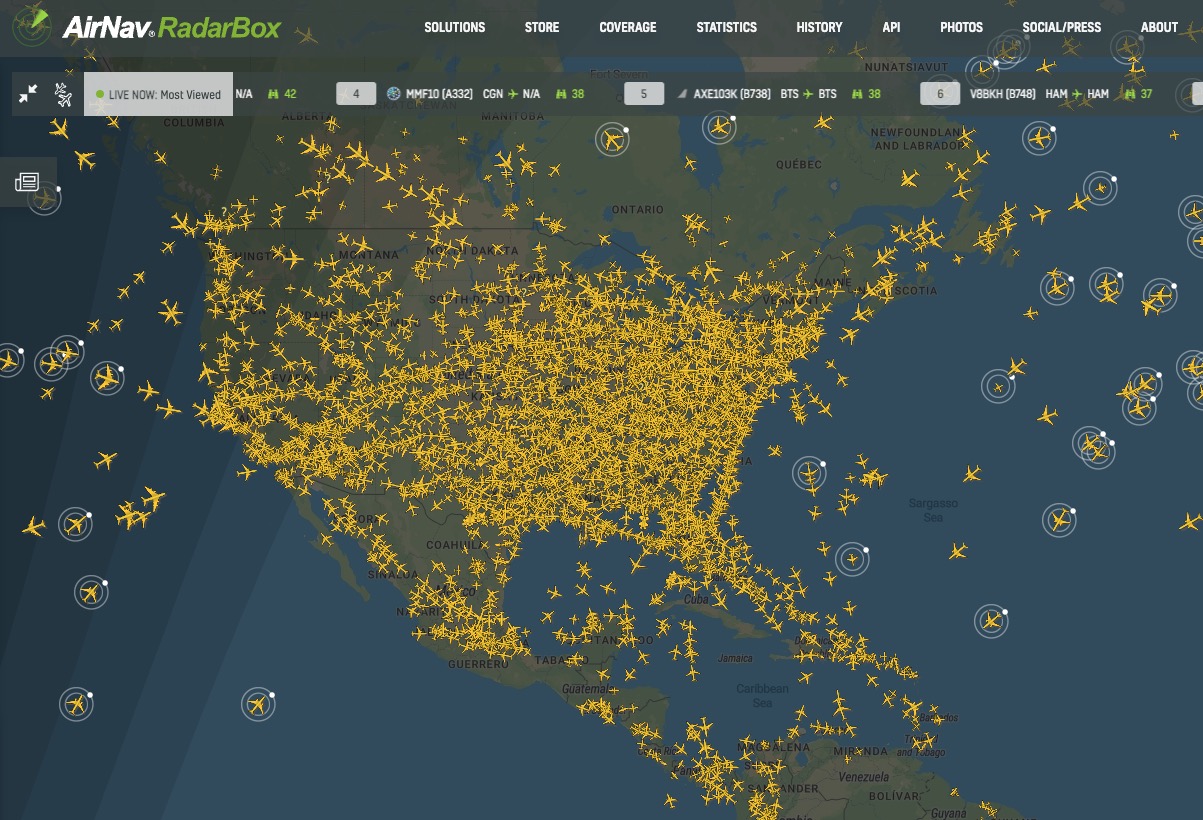
The United States operates the world’s largest and most complex air traffic system, a sprawling network that facilitates the movement of millions of people and vast quantities of cargo every single day. The question “how many flights a day in the US” unveils not just a statistical marvel but a testament to the intricate technological ecosystem underpinning modern aviation. On any given day, the Federal Aviation Administration (FAA) manages an average of approximately 45,000 commercial flights, soaring higher during peak seasons and including a substantial number of general aviation, military, and cargo operations, pushing the total towards 50,000 to 60,000 movements. This relentless ballet of aircraft, traversing diverse landscapes and weather patterns, is orchestrated by an unseen but ever-present force: advanced technology.

From sophisticated air traffic control systems and real-time data analytics to AI-driven flight planning and robust cybersecurity measures, technology is the silent co-pilot enabling this daily marvel. It ensures safety, maximizes efficiency, and continually pushes the boundaries of what’s possible in air travel. Delving into the technological underpinnings of this daily aerial spectacle reveals a world of innovation where every flight, from a regional commuter jet to an international jumbo liner, is a node in a vast, interconnected digital network.
The Astonishing Scale of US Air Traffic: A Data-Driven Overview
The sheer volume of daily flight operations in the US is staggering, demanding a technological infrastructure capable of handling immense data flows and dynamic real-time decision-making. Understanding these numbers is the first step in appreciating the technological prowess required.
Unpacking the Numbers: Daily Flight Statistics
While the precise number fluctuates based on demand, holidays, weather, and operational factors, the US aviation system routinely manages tens of thousands of flights daily. Commercial flights alone hover around the 45,000 mark. This includes major airline routes, regional carriers, and cargo operations that keep supply chains moving. Beyond commercial, general aviation (private jets, smaller aircraft), military flights, and training missions add significant complexity and volume, bringing the daily total closer to or even exceeding 60,000 movements across the national airspace system. Each of these movements generates vast amounts of data—position, altitude, speed, intended route, fuel status, and much more—all of which must be processed and acted upon in real-time. This scale necessitates robust data capture, storage, and processing capabilities, forming the bedrock of aviation technology.
Beyond Take-offs and Landings: Passenger Volume and Cargo
The raw flight count only tells part of the story. These flights translate into approximately 2.5 to 3 million passengers daily, and hundreds of thousands of tons of cargo. Managing the flow of people and goods at this scale involves a complex interplay of digital technologies. At airports, this includes automated check-in systems, baggage handling robotics, biometric scanning for security, and real-time gate management software. For cargo, advanced logistics platforms, tracking systems, and automated sorting facilities ensure efficiency. The digital thread runs through every touchpoint, from booking a ticket online to the final destination, connecting disparate systems and ensuring a seamless, albeit complex, journey for both passengers and parcels.
Influencing Factors: Weather, Demand, and Operational Efficiency
The number of flights isn’t static; it’s a dynamic variable constantly influenced by external factors, all of which are managed and mitigated through technology. Adverse weather conditions (thunderstorms, snow, fog) can drastically reduce capacity, requiring rapid rerouting and scheduling adjustments orchestrated by sophisticated flight management systems and air traffic control software. Peak travel seasons (holidays, summer) surge demand, pushing the system to its limits, which is managed by predictive analytics and capacity optimization algorithms. Operational efficiency, driven by real-time data on aircraft availability, crew schedules, and gate assignments, also plays a crucial role. These technological tools allow aviation stakeholders to adapt quickly to changing circumstances, minimizing delays and maintaining safety standards under pressure.
The Technological Backbone: Air Traffic Control and Management Systems
At the heart of managing thousands of daily flights is an incredibly advanced and constantly evolving air traffic control (ATC) system, heavily reliant on cutting-edge technology. This system acts as the central nervous system for the skies, guiding aircraft safely from departure to arrival.
The Role of NextGen: Modernizing Airspace Operations
The FAA’s Next Generation Air Transportation System (NextGen) is a prime example of a massive technological overhaul designed to address the increasing demands of air travel. NextGen shifts from a ground-based radar system to satellite-based navigation (GPS), allowing for more precise flight paths, closer aircraft separation, and more direct routes. Key technologies include:
- Automatic Dependent Surveillance-Broadcast (ADS-B): Aircraft broadcast their position, altitude, speed, and other data, which is received by ground stations and other aircraft. This provides more accurate, real-time positional data than traditional radar, especially in remote areas or over water.
- System Wide Information Management (SWIM): A robust data-sharing platform that provides real-time aviation information (weather, flight status, airspace restrictions) to all authorized users, enabling better collaborative decision-making across airlines, airports, and the FAA.
These advancements are not just about efficiency; they are fundamentally about safety, reducing controller workload, and future-proofing the national airspace.
Radar, Satellite, and AI: Core Technologies in ATC
While NextGen pushes towards satellite reliance, traditional radar systems still play a vital role, especially near airports. Modern ATC utilizes a hybrid approach, fusing data from various sources:
- Primary Radar: Detects aircraft by bouncing radio waves off them.
- Secondary Surveillance Radar (SSR): Interrogates transponders on aircraft, which reply with identification and altitude information.
- GPS/GNSS (Global Navigation Satellite System): Provides highly accurate positional data for satellite-based navigation.
Increasingly, Artificial Intelligence (AI) and machine learning are being integrated into ATC systems. AI algorithms can predict traffic conflicts, optimize descent and ascent profiles, and even assist controllers in managing complex airspaces, learning from vast datasets of historical flight patterns and anomalies to suggest optimal solutions in real-time.
Communication Networks: Keeping Pilots and Controllers Connected
The seamless communication between pilots and air traffic controllers is paramount. This relies on sophisticated digital communication networks. Voice communication, though still vital, is increasingly augmented by data link communications. Controller-Pilot Data Link Communications (CPDLC) allow controllers to send non-urgent instructions and clearances as text messages to aircraft, reducing radio congestion and misinterpretations. These systems leverage secure, redundant networks, often employing a combination of terrestrial and satellite-based links to ensure continuous connectivity across vast distances, even over oceans. The reliability and speed of these networks are critical technological components in maintaining the flow and safety of daily flight operations.
Optimizing Operations: Software and Data Analytics in Aviation
Beyond air traffic control, a vast array of software and data analytics tools are employed by airlines, airports, and regulatory bodies to optimize every aspect of daily flight operations. These tools transform raw data into actionable insights, driving efficiency and profitability.

Flight Planning and Scheduling Algorithms
Airlines use highly sophisticated flight planning software that considers hundreds of variables: fuel costs, weather forecasts, airspace restrictions, aircraft performance, crew availability, and even passenger connection times. These algorithms generate optimal flight paths, taking into account not just the shortest distance but also factors like favorable winds (tailwind optimization) to minimize fuel burn and reduce emissions. Scheduling software manages complex crew rotations, aircraft assignments, and maintenance schedules, ensuring that expensive assets like aircraft and highly trained personnel are utilized efficiently while adhering to strict regulatory requirements for rest periods and operational limits. This algorithmic precision is central to enabling the high volume of daily flights.
Predictive Maintenance and Fleet Management Systems
To ensure that thousands of aircraft are airworthy and available for their daily missions, airlines invest heavily in predictive maintenance technologies. Sensors on aircraft continuously monitor the health of engines, avionics, and other critical components, transmitting data in real-time. This data is analyzed by machine learning algorithms to predict potential failures before they occur, allowing maintenance crews to address issues proactively during scheduled downtime rather than reacting to costly in-flight problems. Fleet management software tracks the location, status, and maintenance history of every aircraft, optimizing their deployment across the network and ensuring regulatory compliance. This technological foresight prevents grounding incidents and contributes significantly to the consistency of daily flight numbers.
Real-time Data for Dynamic Decision Making
The aviation industry is a prime example of a data-intensive environment. Airlines, airports, and ATC facilities constantly collect and analyze data from hundreds of sources: flight trackers, weather sensors, ground handling equipment, passenger flows, and more. This real-time data feeds into dashboards and decision-support systems, providing an immediate overview of the entire operation. For instance, if a runway becomes unavailable, algorithms can instantly calculate the impact on arrivals and departures, suggesting reroutes or holding patterns. Airlines can dynamically adjust pricing based on demand or offer compensation for delays. This rapid, data-driven decision-making, enabled by advanced analytics platforms, is crucial for maintaining fluid operations amidst unpredictable variables, directly impacting how many flights can be successfully managed daily.
Ensuring Safety and Security: Advanced Tech in Action
The high volume of daily flights brings with it an immense responsibility for safety and security. Technology is at the forefront of both, continuously evolving to protect passengers, crew, and aircraft.
Cybersecurity in Aviation: Protecting Critical Infrastructure
As aviation systems become more interconnected and digitized, they also become potential targets for cyberattacks. The critical infrastructure of air traffic control, airline operational systems, airport networks, and even aircraft avionics are protected by multi-layered cybersecurity defenses. This includes advanced firewalls, intrusion detection systems, encryption protocols, and continuous monitoring for vulnerabilities. Regular threat intelligence sharing between government agencies and industry stakeholders is facilitated by secure digital platforms. The integrity of the flight numbers themselves, and the data supporting them, relies on robust cybersecurity measures that prevent manipulation or disruption, ensuring trust in the system.
Biometrics and AI for Enhanced Airport Security
At airports, advanced technologies are transforming security screening. Biometric systems, such as facial recognition and fingerprint scanning, are increasingly used for passenger identification, streamlining check-in and boarding processes while enhancing security verification. AI-powered scanning equipment can detect prohibited items more accurately and quickly in baggage and carry-ons, reducing human error and wait times. Predictive analytics are also employed to identify potential threats based on behavioral patterns or travel histories, adding another layer of proactive defense. These technologies are crucial for processing millions of passengers daily without compromising safety, enabling the smooth flow of passengers that accompanies the high volume of flights.
Automation and Human Oversight: A Synergistic Approach
While automation, AI, and sophisticated software handle much of the complexity, human oversight remains critical. The technological systems are designed to augment human capabilities, not replace them entirely. Air traffic controllers, pilots, and maintenance engineers use these tools to make informed decisions, intervene when necessary, and handle unforeseen circumstances that automation alone cannot address. This synergistic approach—where technology handles routine tasks and processes vast amounts of data, freeing up human experts to focus on complex problem-solving and critical decision-making—is a cornerstone of the safety protocols that govern thousands of daily flights.
The Future of Flight: Emerging Technologies Shaping Air Travel
The aviation industry is not static; it’s a hotbed of innovation, with emerging technologies poised to further transform how many flights a day in the US will be managed and what those flights will look like.
Urban Air Mobility (UAM) and Drone Integration
The rise of Urban Air Mobility (UAM), encompassing electric vertical take-off and landing (eVTOL) aircraft and advanced drone operations, presents a significant future challenge and opportunity. Integrating these new forms of air transportation into the existing national airspace system will require revolutionary technological advancements. New low-altitude air traffic management systems (UTM for drones) are being developed, leveraging AI, autonomous navigation, and highly precise tracking technologies. These systems will need to manage thousands of simultaneous, smaller, localized flights, adding entirely new dimensions to the “how many flights a day” equation. The technological hurdles are immense but promise to unlock new paradigms of air travel.
Sustainable Aviation Technologies
As environmental concerns grow, technology is central to making aviation more sustainable. This includes the development of electric and hybrid-electric propulsion systems for aircraft, which could significantly reduce emissions and noise, potentially allowing for more localized air travel without the environmental impact of traditional jets. Sustainable Aviation Fuels (SAFs), produced from renewable resources, are another technological frontier, requiring advanced biochemical processes and infrastructure to scale production. Hydrogen-powered aircraft are also on the horizon, pushing the boundaries of material science and energy storage. These technological shifts are not just about environmental responsibility; they will reshape aircraft design, operational capabilities, and ultimately, the future capacity of daily flights.
AI and Machine Learning: Towards Fully Autonomous Operations
The long-term vision for some in the industry includes fully autonomous flight operations, from cockpit to air traffic control. While commercial pilotless aircraft for passengers are still a distant prospect, AI and machine learning are steadily enhancing automation in various aspects. Predictive AI for weather forecasting, route optimization, and even self-correcting aircraft systems will become more sophisticated. The goal is to further reduce human error, increase efficiency, and potentially enable a higher density of air traffic. However, the ethical, regulatory, and technological complexities of fully autonomous systems are profound, requiring rigorous testing and public acceptance. Nevertheless, AI’s ongoing integration is fundamentally changing the landscape of air travel, ensuring that the US continues to lead in managing an ever-increasing number of daily flights with unparalleled safety and efficiency.
aViewFromTheCave is a participant in the Amazon Services LLC Associates Program, an affiliate advertising program designed to provide a means for sites to earn advertising fees by advertising and linking to Amazon.com. Amazon, the Amazon logo, AmazonSupply, and the AmazonSupply logo are trademarks of Amazon.com, Inc. or its affiliates. As an Amazon Associate we earn affiliate commissions from qualifying purchases.