
When a consumer asks, “How many episodes is The Walking Dead?” they are rarely looking for a simple integer. In the modern media landscape, that question is a gateway into one of the most sophisticated examples of franchise brand architecture in the 21st century. What began as a niche black-and-white comic book evolved into a 177-episode flagship series, which then spiraled into a multi-billion dollar “Universe.”
From a brand strategy perspective, the sheer volume of content produced under the The Walking Dead (TWD) banner offers a masterclass in how to manage a product lifecycle, pivot during periods of brand fatigue, and maintain a loyal community across decades. This article examines how AMC transformed a singular horror show into an immortal intellectual property (IP) through strategic expansion and calculated brand positioning.

The Architecture of an Immortal IP: Building the Core Brand
The foundation of any successful long-term brand is a clear, recognizable identity. Before The Walking Dead could reach its massive episode count, it had to establish a “Brand Promise” that resonated with a global audience.
Narrative Consistency as a Brand Pillar
The core brand of The Walking Dead was never truly about zombies; it was about human resilience. By positioning the brand as a “character-driven survival drama,” AMC differentiated it from standard horror tropes. This strategic positioning allowed the brand to sustain 11 seasons. While the “product” (the episodes) changed over time, the brand pillar—exploring what it means to be human in an inhumane world—remained consistent. This consistency is what allowed the show to weather the departure of lead actors and major creative shifts.
Visual Identity and Atmospheric Branding
A brand is often defined by its aesthetic. The “gritty, desaturated, and decaying” look of The Walking Dead became a visual trademark. From the iconic font used in marketing materials to the prosthetic mastery of Greg Nicotero, the brand established a high-quality “production value” benchmark. When consumers saw a piece of TWD media, they knew exactly what level of immersion to expect. This visual brand equity made it easier to launch spin-offs, as the “look and feel” could be ported over to new settings seamlessly.
Quantifying Success: Why Episode Count is a Metric of Brand Value
In the world of corporate branding and media distribution, the answer to “how many episodes” is a direct indicator of market penetration and asset value.
The 177-Episode Anchor
The flagship series concluded with 177 episodes. In the world of television syndication and streaming licensing, a library of this size is an incredibly valuable asset. For a brand, this represents “The Anchor.” This massive volume of content ensures that the brand remains a constant presence on streaming platforms like Netflix and AMC+, providing a continuous stream of data on viewer habits and preferences.
Syndication and the Long-Tail Revenue Model
From a brand management standpoint, every episode produced is a “unit” of intellectual property that can be monetized indefinitely. The high episode count allowed the brand to enter lucrative syndication deals globally. This “long-tail” revenue model provides the capital necessary to reinvest in the brand, funding the next generation of content. It proves that in the attention economy, quantity (when backed by a baseline of quality) creates a “moat” that competitors find difficult to cross.
Strategic Diversification: Transitioning from a Show to a Universe
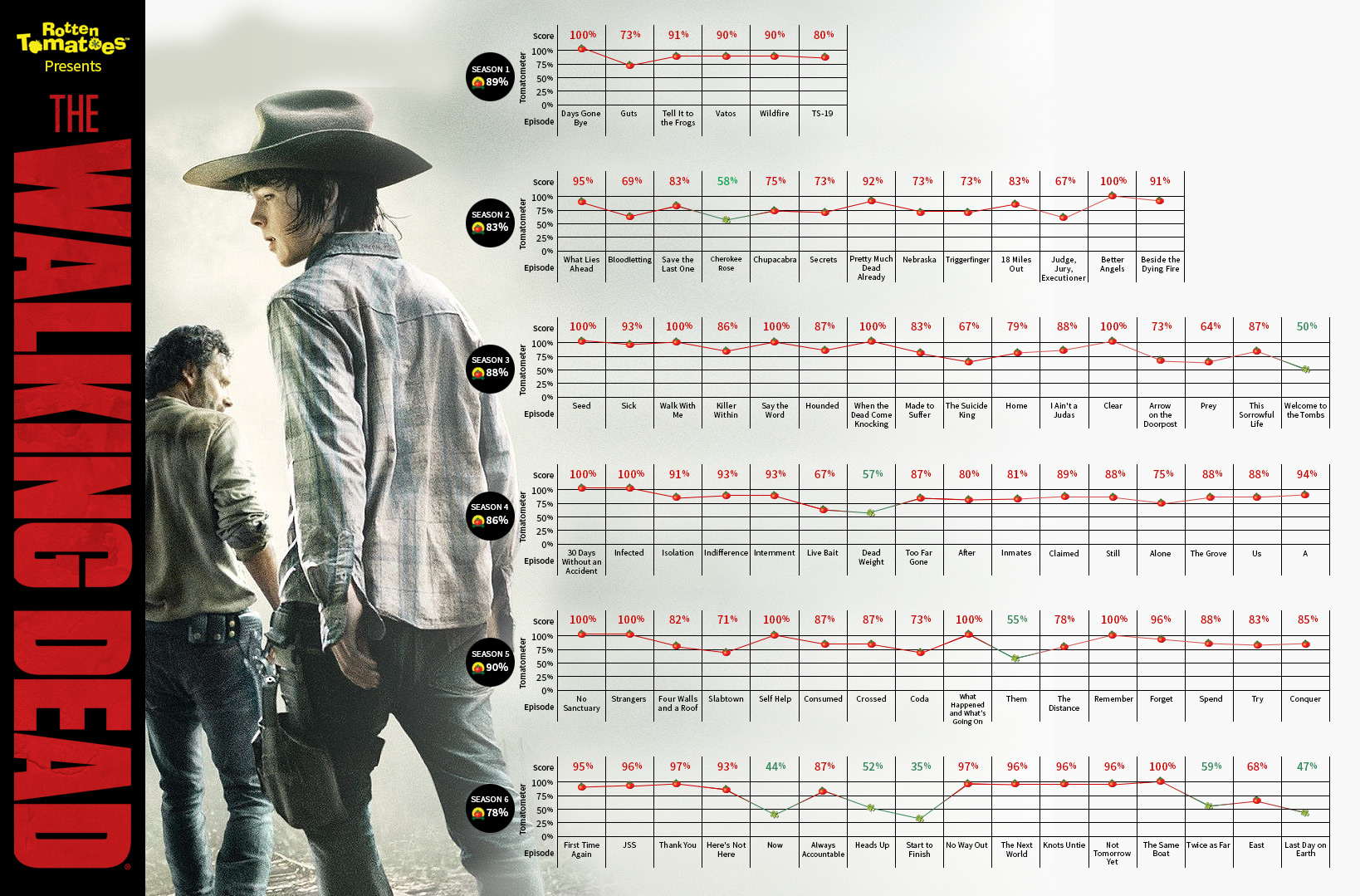
As the flagship show approached its final seasons, the brand faced a critical challenge: brand fatigue. To combat this, the strategy shifted from “Series Management” to “Franchise Architecture.”
Fear the Walking Dead and Brand Extension
The launch of Fear the Walking Dead (which ran for 8 seasons and 113 episodes) was the first major brand extension. This move followed the classic corporate strategy of “Line Extension”—taking a successful brand name and applying it to a new but related product. By changing the setting and the timeline, AMC was able to capture a slightly different demographic while keeping the core audience engaged.
Niche Targeting with Spin-Off Content
Recognizing that not every viewer wanted to commit to another 100-episode saga, the brand branched out into more targeted offerings.
- The Walking Dead: World Beyond: Targeted a younger, YA (Young Adult) demographic, focusing on brand rejuvenation.
- Tales of the Walking Dead: An anthology series designed for “snackable” content, appealing to casual viewers who didn’t want to track long-term continuity.
- The Ones Who Live, Dead City, and Daryl Dixon: These “legacy” spin-offs focus on fan-favorite “brand ambassadors” (Rick, Michonne, Maggie, Negan, and Daryl). This is a strategic move to leverage existing brand loyalty to launch more streamlined, high-budget “prestige” versions of the product.
Managing Brand Fatigue in Long-Running Media
Even the strongest brands face decline. For The Walking Dead, maintaining interest over 12+ years required a proactive approach to rebranding and community engagement.
Rebranding Through “The Ones Who Live”
The conclusion of the flagship series in 2022 served as a “soft reboot” for the entire franchise. By ending the main show and launching character-focused spin-offs, AMC effectively rebranded the IP. They moved away from an ensemble “soap opera” format back to the “high-stakes survival” roots that initially built the brand. This tactical pivot refreshed the brand’s image, making it feel “new” again despite having over 300 total episodes across the franchise.
Digital Engagement and the “Talking Dead” Phenomenon
A brand is nothing without its community. AMC’s strategy included the creation of Talking Dead, a live after-show. This was a brilliant brand engagement tool. It turned passive viewers into active participants, fostering a sense of community and providing a platform for “Brand Advocates” (actors and creators) to interact with the audience. This bolstered brand loyalty, ensuring that even when the episode count grew daunting, the fans felt personally invested in the journey.
Lessons for Corporate Branding from the Zombie Apocalypse
The trajectory of The Walking Dead offers several insights for brand strategists in any industry.
The Importance of Community Management
The TWD brand survived because it listened to its “super-users.” When the community reacted negatively to certain plot points or characters, the brand adjusted its strategy—not necessarily by changing the story to please everyone, but by doubling down on the elements that the core audience loved most.
Knowing When to Pivot the Narrative
The most successful brands are those that can evolve without losing their soul. The Walking Dead evolved from a linear story into a web of interconnected narratives. For a business, this is equivalent to a company like Apple moving from being “the computer company” to a “lifestyle and services ecosystem.”

The Value of “Legacy” Assets
Finally, the brand teaches us the value of legacy. By focusing the new spin-offs on the “Original Equipment Manufacturer” (OEM) characters like Rick and Daryl, the brand is leveraging its most trusted assets to ensure the success of new ventures.
In conclusion, “how many episodes is The Walking Dead” is a question of scale. With 177 episodes of the main series and hundreds more across its various spin-offs, the brand has achieved a level of “Perpetual Presence” that most IPs only dream of. Through careful brand architecture, strategic diversification, and a deep understanding of audience loyalty, The Walking Dead has ensured that its brand will remain a dominant force in the cultural zeitgeist for years to come. It is a testament to the fact that with a strong brand strategy, even a story about the end of the world can live forever.
aViewFromTheCave is a participant in the Amazon Services LLC Associates Program, an affiliate advertising program designed to provide a means for sites to earn advertising fees by advertising and linking to Amazon.com. Amazon, the Amazon logo, AmazonSupply, and the AmazonSupply logo are trademarks of Amazon.com, Inc. or its affiliates. As an Amazon Associate we earn affiliate commissions from qualifying purchases.