
The question “how many episodes in season 6 of The Walking Dead” might seem like a simple factual query, yielding the answer: 16 episodes. However, for a media brand of the magnitude of The Walking Dead, the number of episodes in any given season is far more than a mere statistic; it’s a deeply strategic decision, a cornerstone of content delivery, audience engagement, and ultimately, brand longevity. The Walking Dead, from its inception, transcended typical television series to become a global entertainment brand, meticulously managed by AMC, its creators, and a vast ecosystem of related content and merchandise. Understanding the strategic implications behind a 16-episode season reveals much about how major media properties build and sustain their brand in a hyper-competitive landscape.

The Anatomy of a Blockbuster Season: Season 6’s Structure and Brand Impact
Season 6 of The Walking Dead, which originally aired from October 11, 2015, to April 3, 2016, comprised 16 episodes, a standard length for the series during its peak. This specific episode count was not arbitrary; it was a calculated choice that allowed for intricate narrative development, sustained audience engagement, and optimal marketing opportunities for the The Walking Dead brand.
The 16-Episode Arc: Balancing Narrative Depth and Audience Engagement
A 16-episode season provides a unique canvas for storytelling, allowing writers to delve deep into character psychology, explore complex moral dilemmas, and build sprawling narrative arcs that would be impossible in shorter seasons. For The Walking Dead, a show celebrated for its character-driven drama amidst a zombie apocalypse, this length was crucial. Season 6, for instance, introduced significant new communities, deepened existing relationships, and culminated in one of the series’ most infamous cliffhangers involving the arrival of Negan. Each episode could contribute to a larger tapestry, slowly unraveling mysteries, escalating conflicts, and building towards impactful resolutions.
From a brand perspective, this narrative depth is invaluable. It fosters a strong emotional connection between the audience and the brand’s characters and world. Viewers invest weeks, sometimes months, in following these stories, building anticipation and loyalty. This sustained engagement transforms casual viewers into dedicated fans, who become brand advocates, discussing theories online, attending conventions, and eagerly awaiting each new installment. A brand thrives on such deep connections, and a well-structured 16-episode season is a powerful tool for forging them.
Mid-Season Breaks and Strategic Pacing
Typical of The Walking Dead‘s broadcast strategy, the 16-episode season was split into two halves, with a significant mid-season break. Season 6, for example, aired its first eight episodes in the fall, followed by a hiatus, and then returned with the remaining eight episodes in the spring. This strategy, while common in network television, is a sophisticated brand management tactic.
Firstly, it extends the brand’s presence in the cultural zeitgeist. Instead of burning through a season in a couple of months, the split approach keeps The Walking Dead relevant and in the news cycle for a longer period, usually half a year. This allows AMC’s marketing teams to execute two distinct promotional campaigns: one for the initial premiere and another for the mid-season return. Each segment provides an opportunity to re-engage audiences, attract new viewers, and generate buzz.
Secondly, the mid-season finale and premiere often serve as critical narrative junctures, designed to create maximum cliffhanger tension and compel viewers to return. These strategic pause points become integral to the brand’s storytelling rhythm, building anticipation and turning the waiting period into a form of active engagement for the fandom. For a brand like The Walking Dead, which thrives on suspense and water-cooler moments, this pacing strategy is essential for maintaining a strong, consistent brand heartbeat throughout the year.
The Walking Dead as a Brand: From Comic Book to Multimedia Empire
The success of The Walking Dead extends far beyond its impressive viewership numbers. It represents a powerful brand, meticulously cultivated from its comic book origins into a vast multimedia empire. The core television series, particularly seasons like the 16-episode Season 6, served as the central pillar for this expansion.
Cultivating a Dedicated Fandom: The Brand’s Core Asset
At the heart of any successful brand is its audience, and The Walking Dead boasts one of the most dedicated fan bases in modern television. The consistent delivery of compelling, serialized content over many years, including the reliably long seasons, has been instrumental in cultivating this loyalty. Fans invest not just their time, but their emotions into the brand’s narrative and characters. This investment translates into active participation in online forums, social media discussions, fan conventions, and the consumption of ancillary content.
From a brand perspective, this dedicated fandom is an invaluable asset. They are the evangelists who spread word-of-mouth recommendations, defend the brand against criticism, and create a vibrant community around the property. AMC understood that nurturing this fan base was paramount, and delivering expansive, episodic narratives was a key component of that strategy. The anticipation for each new episode, the communal viewing experience, and the post-episode analyses all contribute to a powerful collective identity centered around The Walking Dead brand.
Expanding the Universe: Spin-offs and Brand Diversification
The immense success and established brand identity of the main series provided the fertile ground necessary for The Walking Dead universe to expand. Spin-off series like Fear the Walking Dead, The Walking Dead: World Beyond, and recent character-focused sequels (Daryl Dixon, The Ones Who Live, Dead City) are direct beneficiaries of the original show’s brand strength. Each new series leverages the established lore, character archetypes, and apocalyptic setting that the flagship show so effectively introduced and solidified.
The consistent output of high-quality, long-form content, such as a 16-episode season, reassured network executives and investors of the brand’s viability and audience appetite. This, in turn, justified the significant financial and creative investment required to launch and sustain multiple interconnected series. The episode count of the main show wasn’t just about telling one story; it was about building a universe, establishing a brand language, and proving the enduring appeal of the Walking Dead concept. This brand diversification strategy allows AMC to capture different segments of the audience, explore new narrative avenues, and extend the overall lifespan of the The Walking Dead brand for years to come.
Merchandise, Games, and Experiential Marketing
Beyond the screen, The Walking Dead brand extended its reach into a vast array of merchandise, video games, comic books, novels, and even themed attractions. From action figures and apparel to mobile games and haunted houses, the brand capitalized on its strong visual identity, iconic characters, and compelling mythology.
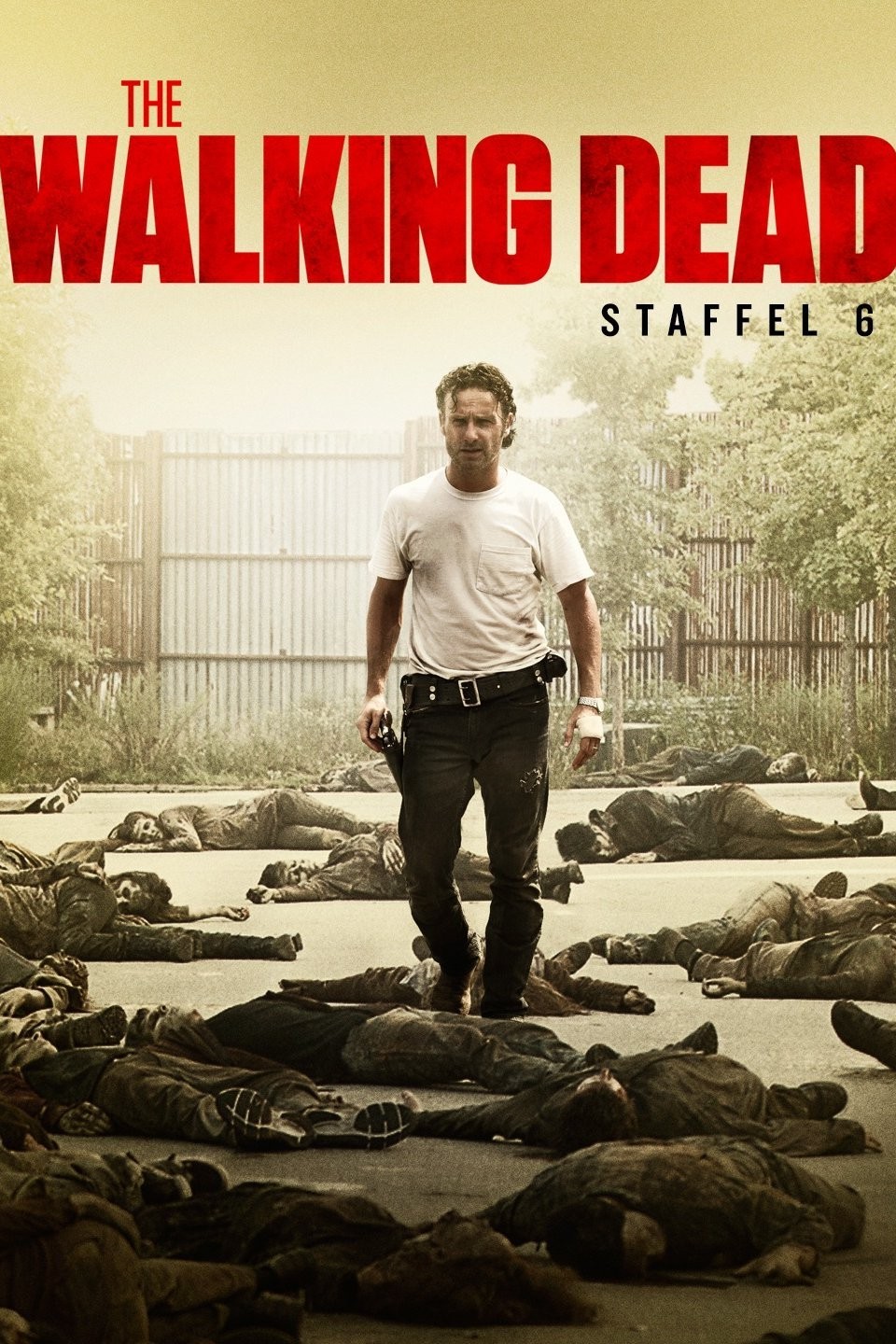
The regular influx of new content, driven by seasons like the 16-episode Season 6, provided fresh inspiration for these ancillary products. New characters, locations, and memorable moments from each season were quickly translated into consumer products, keeping the brand fresh and exciting in the retail space. This robust merchandising arm not only generated significant additional revenue but also served to further immerse fans in the The Walking Dead world, reinforcing brand loyalty and deepening their connection to the property. It’s a testament to how a strong core content offering can springboard a brand into a pervasive cultural phenomenon.
Content Volume and Brand Longevity: A Strategic Balancing Act
Determining the ideal episode count for a season is a delicate strategic balance for any brand in the entertainment industry. Too few episodes might leave audiences wanting more or feeling unfulfilled, while too many can lead to content dilution and viewer fatigue. The Walking Dead‘s consistent 16-episode structure for many years represented a commitment to a specific content volume strategy designed for longevity and sustained engagement.
The Evolving Television Landscape: Binge-Watching vs. Weekly Releases
When Season 6 aired, traditional weekly episodic releases were still dominant, though the rise of streaming platforms was rapidly popularizing binge-watching. A 16-episode season, especially when split, catered well to the weekly release model, maximizing the window for discussion and anticipation. However, even for binge-watchers, a longer season offers more content to consume, potentially increasing subscription value for platforms that carry the show.
From a brand strategy perspective, the choice of episode count reflects an understanding of audience consumption habits and platform dynamics. For a linear network like AMC, a longer season spaced out over several months optimized ad revenue and maintained consistent viewer traffic. For the brand, it meant a steady presence in entertainment news and social media conversations, keeping The Walking Dead top-of-mind. As the industry has shifted more towards streaming, even traditional brands are having to reconsider their content release strategies, but the core principle of optimizing episode count for engagement remains.
Avoiding Content Dilution and Maintaining Brand Quality
The challenge with producing a large volume of content, such as 16 episodes annually, is maintaining consistent quality. Brands like The Walking Dead constantly grapple with the risk of “jumping the shark” – a decline in quality that can erode brand trust and lead to viewer attrition. Each episode must advance the plot, develop characters, and deliver on the brand’s core promise of thrilling, character-driven horror.
The strategic imperative for AMC was to ensure that even with a robust episode count, the storytelling remained compelling and the production values high. This required significant investment in writing, directing, special effects, and casting. Any slip in quality could jeopardize the brand’s reputation and its established hold on its audience. The fact that The Walking Dead largely maintained its critical and commercial success for many seasons, despite its length, speaks to the careful brand management and creative investment that went into each episode.
The Impact on Production Logistics and Brand Investment
Producing 16 episodes of a high-budget, special effects-heavy series like The Walking Dead is an enormous logistical undertaking. It involves year-round production cycles, managing a massive cast and crew, location scouting, prop building, and intricate post-production work. This continuous production cycle represents a substantial financial and human resource investment from AMC.
This investment, however, is a strong signal of commitment to the brand. It demonstrates that the network believes in the long-term viability and profitability of The Walking Dead. This commitment reinforces the brand’s prestige and assures audiences and investors alike that The Walking Dead is a flagship property worthy of continued attention and resources. The consistent output and high production values contribute directly to the brand’s perceived quality and market value.
The Future of Episodic Branding: Lessons from The Walking Dead
The journey of The Walking Dead provides invaluable lessons for how brands navigate the complexities of content creation and distribution in the modern era, particularly concerning episode counts and season structure.
Data-Driven Content Strategy: Optimizing Episode Counts for Engagement
In today’s data-rich environment, media brands increasingly use analytics to inform decisions about season length. Viewer completion rates, drop-off points, and engagement metrics can all influence whether a show opts for a 6, 8, 10, or 16-episode season. While The Walking Dead established its long-season format early, newer brands are often more agile, tailoring their episode count to maximize specific engagement goals, whether that’s critical acclaim (often favoring shorter, prestige seasons) or sustained viewership over time. The lesson here is that understanding audience behavior is paramount for optimal content branding.
The Power of Scarcity vs. Abundance in Content Branding
The industry has seen a pendulum swing between content scarcity (shorter, high-budget, “event” series) and content abundance (longer-running, more traditional network dramas). The Walking Dead, with its 16-episode seasons, leaned into abundance, providing a continuous narrative feed for its dedicated audience. Many prestige dramas today, however, opt for 6-10 episodes, aiming for a more concentrated, impactful experience.
Both strategies have brand merits. Scarcity can create an aura of exclusivity and high production value, making each episode feel like a significant event. Abundance, when executed well, builds deep loyalty and sustained engagement, embedding the brand deeply into the cultural fabric over time. The Walking Dead demonstrated the power of the latter, building a durable brand through consistent and plentiful content.

Adapting to Audience Expectations and Brand Evolution
As The Walking Dead universe continues to expand with new spin-offs, the brand itself is evolving. Some of these newer series have adopted shorter episode counts, reflecting contemporary industry trends and perhaps a desire to create more focused, event-like narratives within the larger universe. This adaptability showcases a strategic awareness: while the original show leveraged abundance, new iterations can experiment with scarcity to refresh the brand’s appeal and cater to changing viewer preferences. The overall The Walking Dead brand is learning to be flexible with its content volume strategy, optimizing for specific storytelling goals and market conditions while maintaining its core identity.
In conclusion, the answer to “how many episodes in season 6 of The Walking Dead“—16 episodes—is far more than a simple fact. It represents a deliberate brand strategy by AMC to foster deep audience engagement, facilitate narrative expansion, capitalize on marketing opportunities, and cement The Walking Dead as a dominant global entertainment property. This episode count was a cornerstone in building a brand empire that extends from television screens to comic books, video games, and beyond, leaving a lasting legacy in the realm of episodic storytelling and brand development.
aViewFromTheCave is a participant in the Amazon Services LLC Associates Program, an affiliate advertising program designed to provide a means for sites to earn advertising fees by advertising and linking to Amazon.com. Amazon, the Amazon logo, AmazonSupply, and the AmazonSupply logo are trademarks of Amazon.com, Inc. or its affiliates. As an Amazon Associate we earn affiliate commissions from qualifying purchases.