
Microsoft, a name synonymous with technological advancement and innovation, is more than just a purveyor of software and hardware; it is a global economic entity whose operational scale profoundly impacts its financial standing. The question of “how many employees does Microsoft have” might seem like a simple headcount inquiry, but for investors, financial analysts, and economists, it unveils a complex tapestry of business finance – encompassing labor costs, productivity, strategic investments in human capital, and the broader macroeconomic influence of one of the world’s largest companies. Understanding Microsoft’s workforce size is not merely about a number; it’s about dissecting the financial engine that drives a multi-trillion-dollar corporation.
The Scale of Microsoft’s Workforce: A Keystone of Business Finance
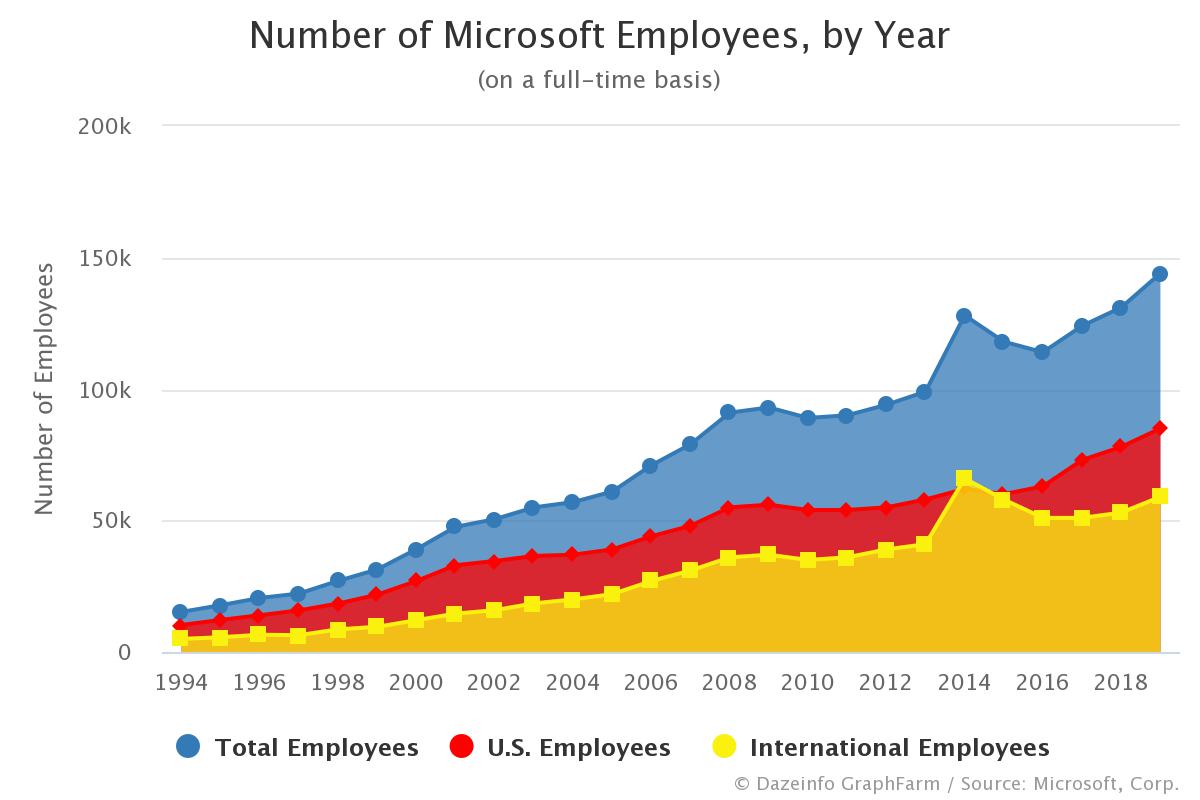
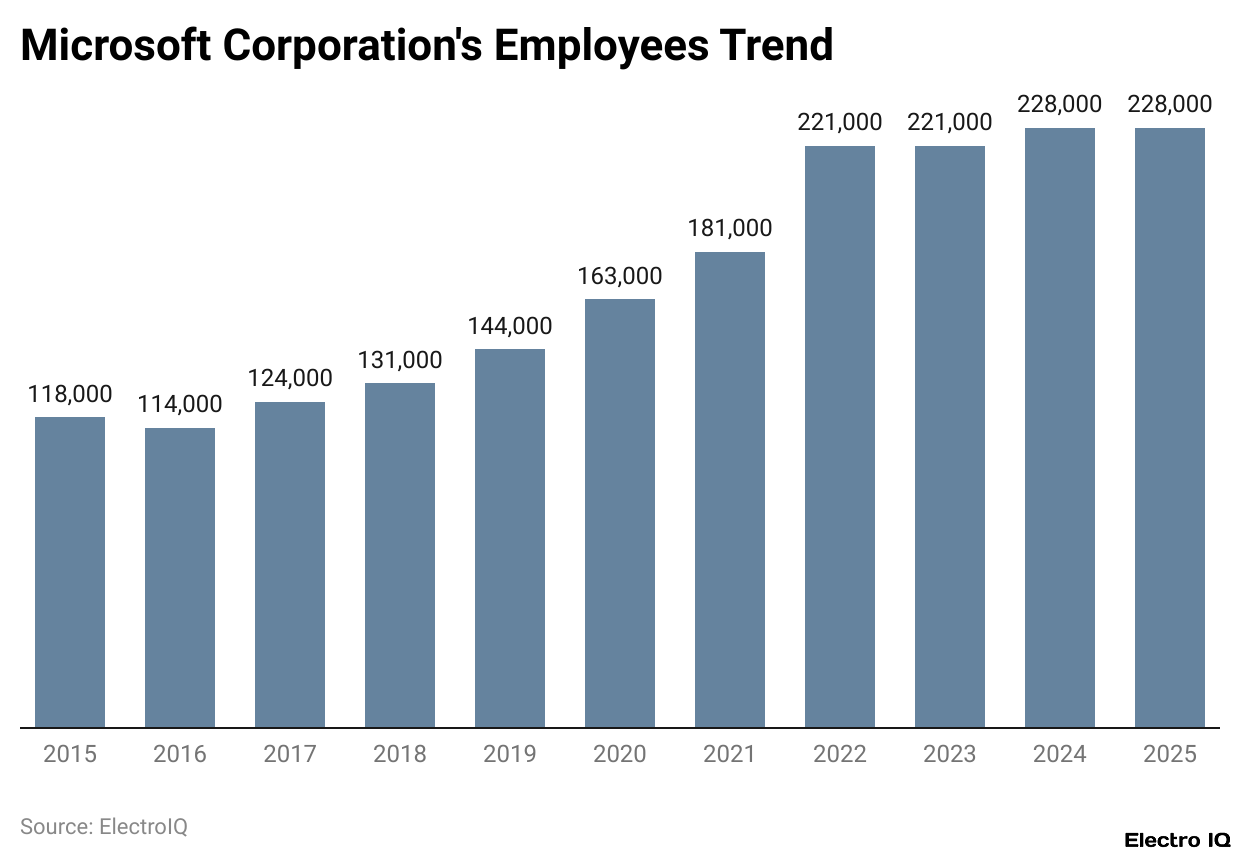
At the heart of any major corporation’s financial statement lies its human capital, and for a titan like Microsoft, its employee count is a powerful indicator of its operational magnitude and strategic ambitions. While the exact figure fluctuates constantly due to hires, departures, and acquisitions, Microsoft typically hovers around a quarter-million employees globally. This colossal workforce is not just a collection of individuals; it represents a significant portion of the company’s asset base and its most substantial ongoing expenditure. From a business finance perspective, this scale implies an immense commitment to research and development, a vast global sales and support network, and an organizational structure designed to manage diverse product lines and market segments.
Quantifying the Global Footprint and Growth
Microsoft’s employee base has seen consistent, strategic growth over decades, often correlating with its expansion into new markets and technologies. Periods of significant hiring sprees typically coincide with major strategic shifts, such as the push into cloud computing with Azure, the acquisition of LinkedIn, or investments in AI capabilities. Each new employee represents an investment – not just in salary and benefits, but in training, infrastructure, and management oversight. From a financial viewpoint, this growth trajectory is a double-edged sword: it signifies market confidence and the ability to scale operations, but also an escalating cost base that demands commensurate revenue growth and efficiency improvements to maintain profitability. The geographical distribution of these employees further complicates the financial picture, with varying labor laws, wage structures, and tax implications across different countries contributing to the overall complexity of workforce finance.
Financial Indicators of a Vast Employee Base
A quarter-million employees translates directly into staggering annual outlays for salaries, benefits, and stock-based compensation. These figures are meticulously reported in Microsoft’s financial statements and are a primary focus for analysts scrutinizing operational efficiency. The employee count, when juxtaposed with revenue, profit, and market capitalization, provides crucial financial ratios. For instance, revenue per employee can offer insights into productivity, while compensation expenses as a percentage of revenue indicate the operational leverage of its workforce. A high employee count suggests a company capable of sustaining large-scale, long-term projects, like developing complex operating systems or building global data centers, which require sustained human investment over many years before yielding substantial financial returns.
Labor Costs and Operational Expenses: Understanding Microsoft’s P&L Dynamics
For any business, labor is often the single largest operational expense, and for a knowledge-based enterprise like Microsoft, this holds especially true. The financial implications of a workforce numbering in the hundreds of thousands are profound, directly impacting the company’s profit and loss (P&L) statement, cash flow, and overall financial health.
Salaries, Benefits, and Stock Compensation: Core Expenditure
Microsoft’s compensation packages are famously competitive, designed to attract and retain top-tier talent in a fierce global market. These packages extend far beyond base salaries to include comprehensive health benefits, retirement plans, and, crucially, stock-based compensation. Stock options and restricted stock units (RSUs) are not merely employee perks; they are significant non-cash expenses that impact earnings per share (EPS) and dilute existing shareholder value if not managed effectively. The expensing of stock-based compensation is a non-trivial line item in Microsoft’s income statement and is closely watched by investors. Furthermore, the administrative overhead associated with managing such a vast and diverse workforce – including HR systems, legal compliance, and training programs – adds another layer of significant operational cost. These core expenditures are a permanent fixture in Microsoft’s financial model, necessitating consistent revenue generation to cover them and deliver shareholder value.
R&D Investment Through Human Capital
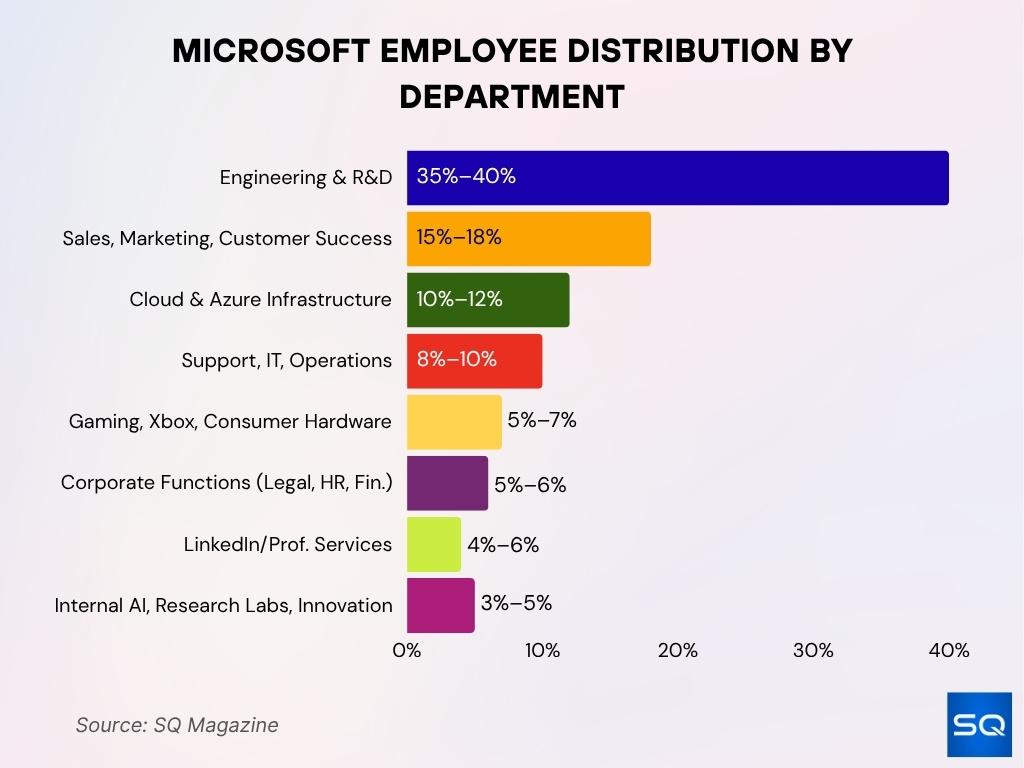
A significant portion of Microsoft’s labor expenditure is directed towards research and development (R&D). Thousands of engineers, researchers, and product developers are constantly innovating across its diverse portfolio, from cloud infrastructure and artificial intelligence to gaming and productivity software. Financially, investing in R&D through human capital is a strategic bet on future revenues and market leadership. While R&D expenses can weigh on current-period profitability, they are considered essential capital expenditures for a tech company. The sheer volume of highly skilled R&D personnel underscores Microsoft’s commitment to long-term growth and its strategy of building intellectual property, which forms a significant part of its intangible assets and competitive advantage. Without this massive investment in human ingenuity, Microsoft would quickly lose its edge in the rapidly evolving tech landscape.
Impact on Profitability, Margins, and Shareholder Returns
The interplay between Microsoft’s substantial labor costs and its revenue streams directly dictates its gross margins, operating margins, and ultimately, its net income. Efficient management of this massive workforce is paramount to sustaining high profitability. For instance, automation and AI tools developed internally can increase per-employee productivity, potentially allowing for revenue growth without a proportional increase in headcount, thereby expanding margins. Conversely, an inefficient workforce or one that grows faster than revenue can compress margins and reduce earnings per share, negatively impacting shareholder returns. Investors closely monitor metrics like “revenue per employee” or “net income per employee” to gauge the efficiency and financial leverage of Microsoft’s human capital. The ability to maintain robust profitability despite immense labor costs is a testament to Microsoft’s market dominance, effective cost management strategies, and the high-value nature of its products and services.
Workforce Strategy and Market Valuation: Investor Perspectives
Beyond direct costs, Microsoft’s employee strategy profoundly influences its market valuation and investor confidence. The size and quality of its workforce are perceived by the market as indicators of its operational capacity, innovation potential, and long-term viability.
Employee Productivity as a Value Driver
For investors, a company’s workforce is not just an expense; it’s a productivity engine. High-performing employees drive innovation, secure new contracts, develop superior products, and provide excellent customer service, all of which contribute to revenue growth and stronger financial results. Microsoft’s ability to extract significant value from its massive workforce is a key factor in its high market capitalization. Metrics like sales per employee or profit per employee are crucial in assessing how effectively the company is leveraging its human capital to generate economic value. A strong trend in these productivity metrics signals efficient resource allocation and a healthy return on human capital investment, which is highly attractive to shareholders seeking sustainable growth.
Restructuring, Efficiency, and Market Reactions
Changes in workforce size, particularly large-scale layoffs or aggressive hiring campaigns, are closely watched by the market and can significantly impact stock prices. When Microsoft announces layoffs, investors often interpret it as a move to reduce costs and improve efficiency, which can sometimes be viewed positively in the short term, especially if the company is seen as “bloated.” Conversely, significant hiring sprees, particularly in strategic areas like AI or cloud computing, signal aggressive investment and confidence in future growth, which can also boost investor sentiment. However, poorly executed workforce adjustments can signal underlying financial distress or strategic missteps, leading to negative market reactions. Therefore, Microsoft’s workforce management strategy is not just an internal HR matter but a critical component of its investor relations and financial communications.
Talent Acquisition and Retention as Strategic Assets
In the competitive technology sector, the ability to attract, develop, and retain top talent is a strategic asset with quantifiable financial implications. High employee turnover can lead to significant recruitment costs, loss of institutional knowledge, and disruption to ongoing projects – all of which translate to financial losses. Conversely, a stable, highly skilled workforce fosters innovation, maintains product quality, and enhances customer loyalty, directly contributing to long-term revenue streams. Microsoft’s investment in employee benefits, career development programs, and a strong corporate culture is a financial strategy aimed at minimizing these costs and maximizing the return on human capital. The strength of its employer brand, which is intrinsically linked to its financial health and market position, makes it an attractive destination for talent, reinforcing a virtuous cycle of financial success and talent acquisition.
Benchmarking Microsoft’s Employee Base: Industry Context and Economic Influence
To fully grasp the financial implications of Microsoft’s employee count, it is essential to place it within the broader industry and economic landscape. How does it compare to peers? What does its workforce size imply for the economy?
Comparative Analysis with Tech Peers
Comparing Microsoft’s workforce size to other tech giants like Apple, Google (Alphabet), Amazon, and Meta (Facebook) provides valuable context. While Amazon often boasts a significantly larger workforce due to its logistics and fulfillment operations, Microsoft’s employee count is typically in a similar range to, or larger than, pure software and services companies like Google or Apple. This comparison helps investors understand the operational scale required for Microsoft’s specific business model, which spans enterprise software, cloud services, consumer devices, and gaming. A larger workforce might indicate a more diversified portfolio requiring specialized teams, or a greater reliance on direct sales and support rather than purely self-service models. Such comparisons are crucial for benchmarking efficiency, scalability, and the financial allocation towards human resources within the competitive tech ecosystem.
Macroeconomic Trends and Future Workforce Planning
Microsoft’s hiring and layoff decisions are not made in a vacuum; they are influenced by, and in turn influence, broader macroeconomic trends. During periods of economic expansion, Microsoft may accelerate hiring to capture growth opportunities. Conversely, during economic downturns, like the global financial crisis or the recent post-pandemic tech slowdown, the company might implement hiring freezes or even reductions to control costs and safeguard profitability. These large-scale workforce adjustments have ripple effects throughout the economy, impacting local job markets, consumer spending, and even national GDP figures given Microsoft’s sheer size and global presence.
Furthermore, Microsoft’s investment in areas like AI and automation has significant implications for future workforce planning. While AI promises increased efficiency, potentially allowing fewer employees to accomplish more, it also creates demand for new skills and roles, shifting the composition of the workforce rather than necessarily reducing its overall size in the long run. Financially, this means a continuous reallocation of human capital investment towards emerging technologies and away from legacy areas, a delicate balancing act to maintain market leadership and financial resilience. Understanding Microsoft’s employee base is therefore not just about past or present figures, but also about anticipating its strategic moves and their financial reverberations in an ever-evolving global economy.
aViewFromTheCave is a participant in the Amazon Services LLC Associates Program, an affiliate advertising program designed to provide a means for sites to earn advertising fees by advertising and linking to Amazon.com. Amazon, the Amazon logo, AmazonSupply, and the AmazonSupply logo are trademarks of Amazon.com, Inc. or its affiliates. As an Amazon Associate we earn affiliate commissions from qualifying purchases.