
Navigating the intricacies of personal finance often requires a deep dive into the specific identifiers that allow the global banking system to move money safely and accurately. For millions of customers at JPMorgan Chase, one of the most fundamental pieces of information is the account number. Whether you are setting up a new direct deposit, linking a third-party payment app, or organizing your business’s payroll, knowing exactly how many digits your Chase account number contains—and where to find them—is essential for seamless financial management.

Identifying Your Chase Account Number: Length and Structure
A standard Chase bank account number typically ranges from 9 to 12 digits. While most modern personal checking and savings accounts are consistently 9 or 10 digits long, some older accounts or specific commercial accounts may extend to 12 digits. Understanding this variation is the first step in ensuring your financial transactions are processed without error.
Standard Account Number Lengths
For the vast majority of retail banking customers, a Chase account number is 9 digits long. This consistency is part of a broader effort within the financial industry to standardize account identification. However, depending on the region where the account was originally opened or the specific legacy system used by Chase during a merger (such as with Washington Mutual or Bank One), your number might be slightly different.
If you are looking at your account online and see a sequence that appears longer or shorter, it is important to remember that the account number is unique to your specific relationship with the bank. Unlike the routing number, which identifies the financial institution as a whole, the account number is your personal digital fingerprint within the Chase ecosystem.
Why the Number of Digits May Vary
The variation in digit length often stems from the internal architecture of the bank’s database. Large institutions like Chase have grown through decades of acquisitions. When one bank merges with another, the incoming account numbers are often integrated into the new system. To avoid duplication, the bank may add prefixes or keep the original length, leading to the 9-to-12 digit range seen today.
Furthermore, different types of accounts—such as certificates of deposit (CDs), brokerage accounts, or high-level commercial accounts—may follow different numbering conventions. Regardless of the length, every digit is critical. Leaving out even a single zero at the beginning of a sequence can cause a wire transfer to fail or a direct deposit to be returned.
Where to Locate Your Chase Account and Routing Numbers
In an era of digital-first banking, finding your account information is faster than it used to be, but it requires knowing which tools are at your disposal. Chase provides several secure avenues for customers to access their account and routing numbers.
Using the Chase Mobile App and Online Banking
The most convenient way to verify your account length and number is through the Chase Mobile app or the Chase online banking portal. Once logged in, you can simply click on the specific account you are interested in (e.g., “Total Checking”).
Under the account title, there is usually a “Show details” or “Account info” link. Clicking this will reveal the full 9-to-12 digit account number and the 9-digit routing number. Chase hides these numbers by default behind asterisks for your security, ensuring that anyone glancing at your screen cannot easily harvest your financial data.
Locating Numbers on a Paper Check
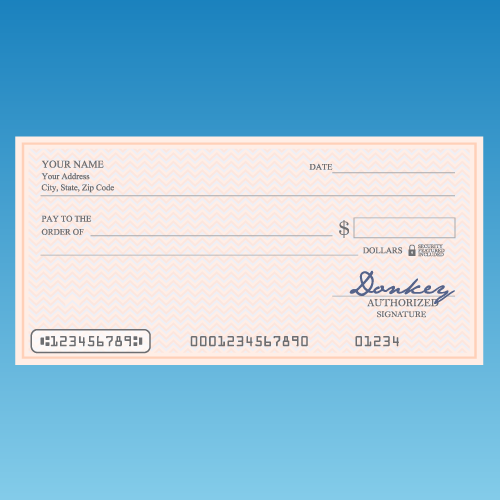
If you still use paper checks, they remain one of the most reliable ways to identify your banking information. At the bottom of every Chase check, you will find three distinct sets of numbers:
-
The Routing Number: This is always the first 9-digit sequence on the left.
-
The Account Number: This is the middle sequence, typically 9 to 12 digits long.
-
The Check Number: This is the final, shorter sequence on the right.
It is a common mistake to confuse the account number with the routing number. When filling out forms for automated clearing house (ACH) transfers, double-check that you are copying the middle sequence for the account field.
Checking Your Monthly Statements
Your monthly bank statement is a legal record of your account activity and contains your full account number. You can find this at the top of the first page of your PDF statement, which is accessible through the “Statements & Documents” tab on the Chase website. This is often the best place to look if you need to provide proof of account ownership for a mortgage application or a large business contract.
The Critical Difference Between Account Numbers and Routing Numbers
One of the most frequent points of confusion in personal finance is the distinction between the account number and the routing number. While they work together to facilitate transfers, they serve entirely different purposes.
What is a Routing Number?
A routing number, also known as an ABA (American Bankers Association) routing transit number, is a nine-digit code that identifies the specific bank responsible for the funds. Chase uses several different routing numbers depending on the state where the account was opened. For example, a Chase customer in New York will have a different routing number than a customer in Texas.
The routing number acts as the “address” for the bank, telling the financial system which “house” the money needs to go to. Without the correct routing number, the electronic network wouldn’t know which institution among thousands to send the transaction to.
The Anatomy of a Banking Transaction
Think of the routing number as the ZIP code and the account number as the specific street address. To deliver a letter (or money), you need both. When you initiate an ACH transfer or a wire transfer, the system first looks at the routing number to find the bank. Once it “arrives” at Chase, the system then uses the account number to place the funds into your specific checking or savings account.
Understanding this distinction is vital for setting up side hustles or online income streams. If you provide the wrong number of digits or swap the routing and account numbers, your payment will likely be rejected, which can lead to delays and potential fees from the initiating party.
Best Practices for Banking Security and Data Protection
Because your account number is the key to your liquid assets, protecting it is a fundamental aspect of financial health. Knowing how many digits are in your account number also helps you identify potential red flags in phishing attempts.
Protecting Your Account Number from Fraud
Fraudsters often use social engineering to trick victims into revealing their account details. It is important to remember that Chase will never call, text, or email you to ask for your full account number or your password.
To keep your information safe:
-
Use Multi-Factor Authentication (MFA): Ensure that any login to your Chase account requires a secondary code sent to your mobile device.
-
Be Wary of Public Wi-Fi: Never access your banking information on unencrypted public networks.
-
Shred Sensitive Documents: If you receive paper statements or have old checks, use a cross-cut shredder before disposing of them.
What to Do If Your Information Is Compromised
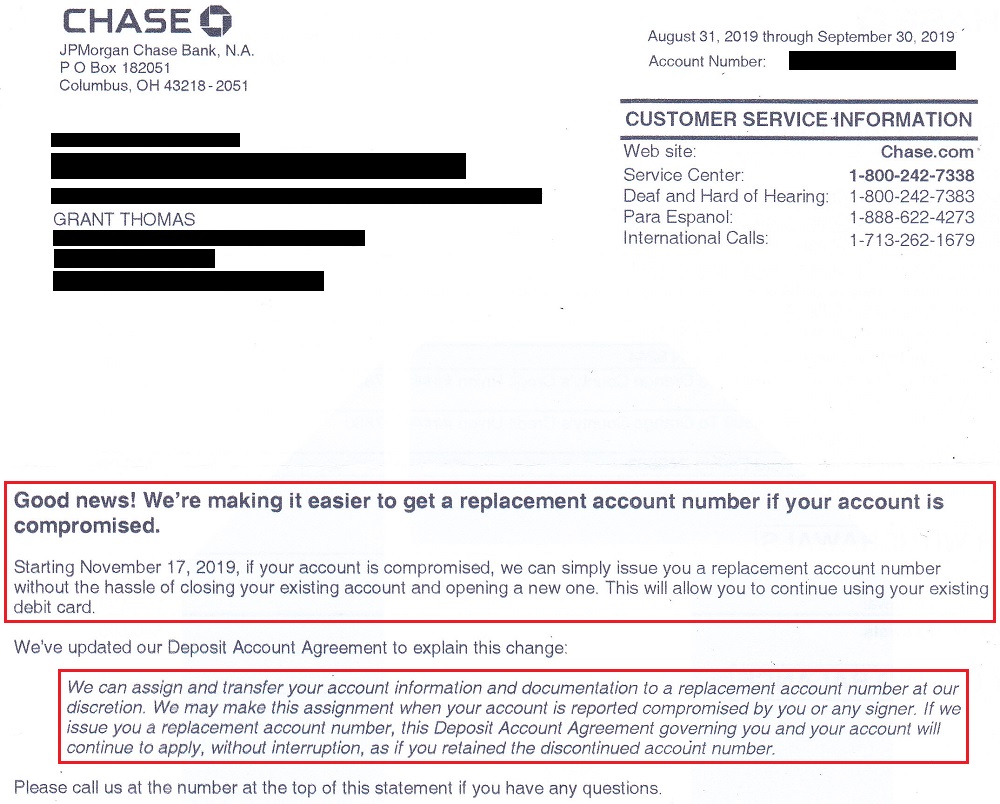
If you suspect that someone has obtained your Chase account number, time is of the essence. You should contact Chase’s fraud department immediately. In many cases, the bank will need to close the compromised account and issue you a new one with a different account number. While this can be a logistical headache—requiring you to update all your direct deposits and automatic bill pays—it is the only way to ensure the security of your funds.
Using Your Account Number for Financial Optimization
Once you are confident in your knowledge of your account and routing numbers, you can use that information to streamline your personal finances. Automation is the cornerstone of building wealth, and your account number is the primary tool for that automation.
Setting Up Direct Deposit
Direct deposit is the most common use for your Chase account number. By providing your employer with your 9-to-12 digit account number and your 9-digit routing number, you ensure that your salary is available to you as early as possible. Many financial experts recommend “paying yourself first” by splitting your direct deposit between your checking account and a high-yield savings account, which can be done easily once you have the correct numbers for both.
Automated Bill Pay and Wire Transfers
Beyond receiving money, your account number allows you to automate your expenses. By linking your Chase account to your utility providers, credit card issuers, or mortgage lender, you can ensure that bills are paid on time, every time. This not only protects your credit score but also frees up mental energy to focus on more complex financial goals, like investing or growing a side business.
In the world of high-value transactions, such as real estate closings, you may need to use a wire transfer. Unlike ACH transfers, which can take a few days, wire transfers are nearly instantaneous. For these, accuracy is paramount. Because wire transfers are often irreversible, verifying the exact number of digits in your Chase account number before hitting “send” is one of the most important steps in any major financial transaction.
By mastering these details, you move from being a passive participant in your banking to an active manager of your financial identity. Your Chase account number is more than just a string of digits; it is the fundamental link between your hard work and your financial future. Whether it is 9, 10, or 12 digits long, keeping it secure and using it correctly is a hallmark of sophisticated personal finance management.
aViewFromTheCave is a participant in the Amazon Services LLC Associates Program, an affiliate advertising program designed to provide a means for sites to earn advertising fees by advertising and linking to Amazon.com. Amazon, the Amazon logo, AmazonSupply, and the AmazonSupply logo are trademarks of Amazon.com, Inc. or its affiliates. As an Amazon Associate we earn affiliate commissions from qualifying purchases.